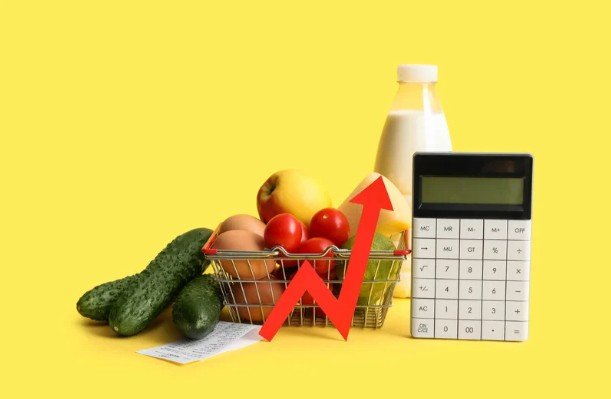
I think higher grocery prices were simple. A supplier raised the cost, a store raised the shelf price, and shoppers paid more. But when I looked closer, I realized food inflation moves through a long chain before it reaches the checkout counter. That is why How Inflation Affects Food Retail and Wholesale Prices matters so much for grocery owners, distributors, restaurants, and everyday shoppers.
Food prices do not rise for one reason. They rise because fuel, labor, packaging, storage, farming inputs, freight, rent, utilities, and demand all press on the food system at the same time. When those costs stack up, both retailers and wholesalers must make difficult pricing decisions.
What Food Inflation Really Means
Food inflation means the cost of food increases over time. For shoppers, it shows up as higher grocery bills. For businesses, it shows up much earlier as higher supplier invoices, delivery charges, storage costs, and labor expenses.
A grocery store may pay more for milk, beef, eggs, bread, produce, frozen foods, canned goods, and beverages before customers notice any shelf change. A wholesaler may face supplier increases even earlier because it buys products in bulk, stores them, and delivers them to retailers or restaurants.
This is why inflation can feel confusing. Prices may keep rising even when headlines say inflation is slowing. Slower inflation does not always mean cheaper food. It often means food prices are still increasing, just at a slower pace.
Retail Prices and Wholesale Prices Are Not the Same
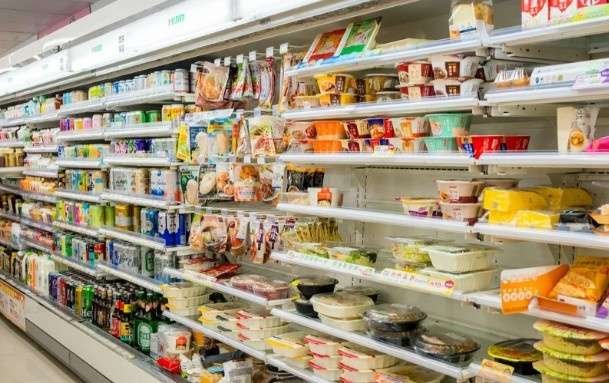
Retail food prices are the prices shoppers see in stores. Wholesale food prices are the prices paid by grocery stores, restaurants, distributors, and food service buyers before the product reaches the public.
Wholesale prices usually move faster because they are closer to the supply chain. If fuel jumps, fertilizer rises, weather hurts crops, or animal feed becomes expensive, wholesalers often feel that pressure first. Retail prices may change later because stores must consider customer reaction, local competition, promotions, and brand trust.
That delay creates a gap. A store may absorb higher costs for a while to avoid shocking customers. But if higher costs last too long, the store eventually raises prices, reduces promotions, changes package sizes, or shifts toward lower-cost alternatives.
How Inflation Moves Through the Food Supply Chain
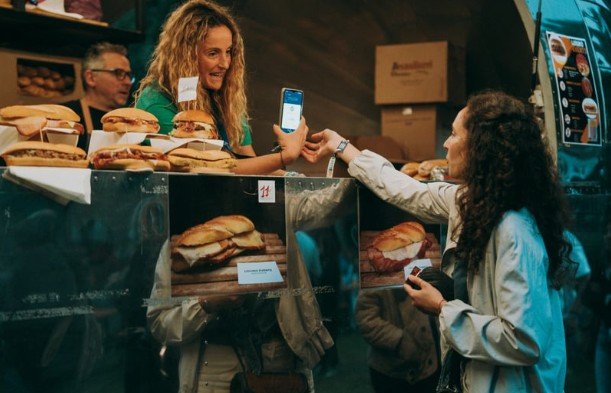
Food inflation starts long before a product sits on a shelf. Farmers may pay more for seed, feed, fertilizer, water, equipment, and labor. Processors may pay more for energy, packaging, cleaning, safety checks, and machinery.
Then transportation adds another layer. Food often needs trucks, fuel, drivers, refrigeration, warehouses, and careful timing. Fresh produce, meat, seafood, and dairy are especially sensitive because spoilage creates extra risk.
By the time a wholesaler receives the product, several cost increases may already be built into the price. The wholesaler then adds costs for storage, handling, delivery, insurance, labor, and margin. Retailers receive the product after that and must decide how much of the increase to pass on.
Why Wholesale Prices Change Faster
Wholesale prices can change quickly because they are tied to bulk supply, commodity markets, seasonal demand, and sudden disruptions. A drought can reduce crop supply. A disease outbreak can affect poultry or cattle. A shipping delay can tighten inventory. A fuel increase can raise delivery costs almost immediately.
Retail prices tend to move more slowly because grocery stores are customer-facing. Retailers know shoppers notice price jumps on everyday staples like eggs, bread, milk, chicken, rice, coffee, cereal, and fresh vegetables. If a store raises prices too sharply, shoppers may switch stores, buy private-label products, or cut back.
How Inflation Affects Food Retailers
Inflation makes food retail harder because grocery margins are already tight. Stores must pay higher costs while still looking affordable. This creates pressure on pricing, promotions, staffing, ordering, and customer loyalty.
Some retailers respond by promoting private-label products because they often offer better value and stronger margin control. Others reduce deep discounts, shrink promotion windows, or focus on loyalty deals. Some change product sizes, adjust assortments, or stock more budget-friendly staples.
The hardest part is trust. Shoppers may blame the store when prices rise, even though the increase may come from suppliers, freight, wages, energy, or packaging. Clear pricing, strong value options, and consistent quality help retailers protect that trust.
How Inflation Affects Wholesalers and Distributors
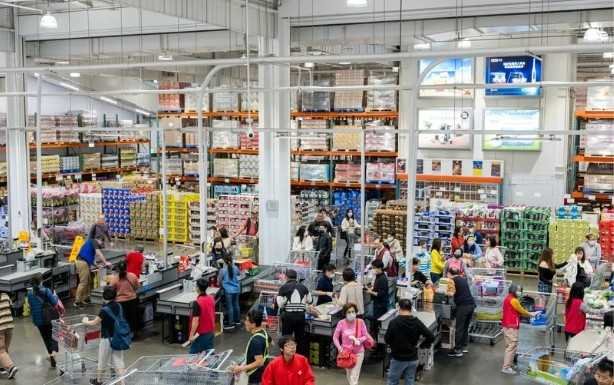
Wholesalers sit in a difficult middle position. They buy from producers or manufacturers and sell to grocery stores, restaurants, convenience stores, schools, institutions, and food service buyers.
When inflation rises, wholesalers may pay more upfront. They also carry inventory risk. If they buy too much at a high price and demand drops, they can lose money. If they buy too little, customers may face shortages.
Cold storage, delivery fleets, warehouse labor, route planning, and spoilage control all become more important during inflation. A small forecasting mistake can become expensive when costs are already high.
Why Some Foods Rise Faster Than Others
Beef may be affected by cattle supply, feed costs, drought, and processing capacity. Produce may be affected by weather, seasonality, labor, and transportation. Eggs may change quickly because supply disruptions can hit the market fast. Coffee and cocoa may be affected by global crop conditions and shipping costs.
What It Means for Shoppers
For shoppers, inflation changes buying behavior. People compare prices more often, choose store brands, buy larger packs, reduce waste, plan meals, use loyalty apps, and wait for deals.
Value matters more during inflation. But value does not always mean the cheapest product. It can mean better quality, longer shelf life, trusted freshness, or a product that helps stretch meals further. Retailers that understand this can keep customers loyal by offering practical choices instead of only raising prices.
How Businesses Can Manage Rising Food Costs
Retailers and wholesalers cannot control every inflation driver, but they can respond smarter. Better demand forecasting helps avoid overbuying and waste. Supplier diversification reduces dependence on one source. Private-label products can give shoppers affordable choices while protecting margins.
Businesses can also review delivery routes, reduce spoilage, improve cold-chain logistics, negotiate flexible contracts, and use data to identify which products are most price-sensitive. The goal is not just to raise prices. The goal is to protect value while keeping the business stable.
Frequently Asked Questions
1. What is the difference between retail and wholesale food prices?
Retail food prices are the prices shoppers pay in stores. Wholesale food prices are the prices businesses pay before products reach the shelf.
2. Why do food prices stay high when inflation slows?
Because slower inflation means prices are rising more slowly. It does not always mean prices are going back down.
3. How Inflation Affects Food Retail and Wholesale Prices in simple terms?
It raises costs across farming, processing, packaging, labor, fuel, storage, and delivery. Those costs then move through wholesalers, retailers, and finally shoppers.
4. Why do some foods become expensive faster than others?
Each food has a different supply chain. Weather, disease, fuel, labor, import costs, and demand can affect one category more than another.
Final Thoughts That Actually Matter
When I look at food inflation now, I see it less as a single price problem and more as a chain reaction. A higher cost at one stage can affect every stage after it.
For food retailers and wholesalers, the smartest response is not panic pricing. It is better planning, sharper forecasting, stronger supplier relationships, less waste, and clearer value for customers. Businesses that explain value well and manage costs carefully are more likely to keep trust even when prices feel uncomfortable.