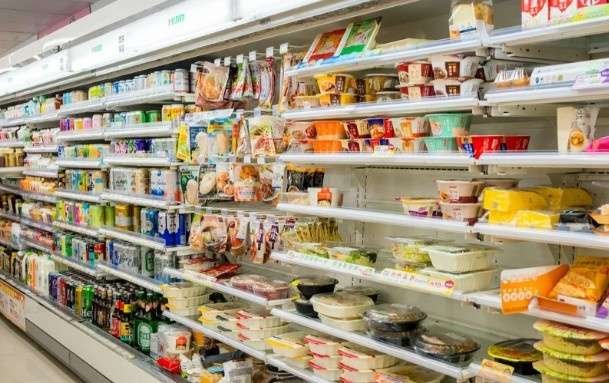
I look at a local food brand, I do not ask, “Can this product get on a shelf?” I ask, “Can it stay there and sell again?” That is the real challenge. A great sauce, snack, bakery item, beverage, or frozen meal needs more than good taste. It needs proof, packaging, pricing, and a clear reason for retailers to take the risk.
How Local Food Brands Can Enter Retail Stores is not about sending one email to a grocery buyer and hoping for the best. It is about building retail confidence step by step. The brands that win usually start small, learn fast, and show stores that customers already want what they make.
Why Retail Stores Care About Local Food Brands
Retail stores want products that make their shelves feel fresh, different, and connected to the community. Local food brands can offer that advantage because they often have a founder story, regional flavor, small-batch appeal, or local sourcing angle that larger brands cannot copy easily.
But retailers still think like businesses. They want products that sell consistently, arrive on time, fit the shelf, meet labeling rules, and earn a healthy margin. A local story may open the door, but strong retail preparation keeps the conversation going.
Build Local Proof Before You Pitch
Before contacting stores, I would first prove that real customers want the product. Farmers markets, local pop-ups, food festivals, online orders, subscription boxes, restaurant partnerships, and small community events can all create early traction.
Retail buyers like proof because it lowers their risk. Strong proof can include repeat customers, sellout events, customer reviews, social media marketing demand, email list growth, wholesale inquiries, and steady direct sales.
If a brand can say, “We sell out every weekend at local markets,” that is more powerful than saying, “People might like this.” Retail buyers need evidence, not just excitement.
Make the Product Retail Ready
A food product must be ready before it reaches a retail shelf. That means consistent taste, safe production, reliable shelf life, proper storage instructions, clear ingredients, allergen information, a Nutrition Facts panel when required, and a “Best By” date.
Packaging also matters. It should look professional, protect the product, and explain what the item is within seconds. A shopper should not have to guess the flavor, use, size, or benefit.
A retail-ready package should usually include the product name, brand name, net weight, barcode, ingredients, nutrition details, storage directions, allergen details, and contact information. If the item is refrigerated, frozen, gluten-free, vegan, organic, or locally sourced, that should be easy to see without cluttering the label.
Get Pricing and Margins Right
Pricing is where many local food brands struggle. A product that makes money at a farmers market may not work in retail. Stores need margin. Distributors need margin. Promotions, samples, shipping, damaged goods, packaging, labor, and production costs also affect profit.
The brand should calculate the cost of goods first. That includes ingredients, packaging, labels, labor, kitchen time, storage, testing, transport, and fees. Then it should set a wholesale price and suggested retail price that leave room for the store while still giving the brand profit.
Choose the Right Stores First
Local brands should not chase big chains too early. Independent grocery stores, natural markets, co-ops, specialty food shops, butcher shops, coffee shops, bakeries, farm stores, and regional grocers are often better first targets.
These stores may be more open to local products, easier to reach, and more willing to test a small batch. They also help a brand learn how shoppers respond in a real retail setting.
Once the product sells well in a few local stores, the brand can use that track record to approach larger accounts. A store-by-store path may feel slower, but it builds stronger proof.
Create a Strong Sell Sheet
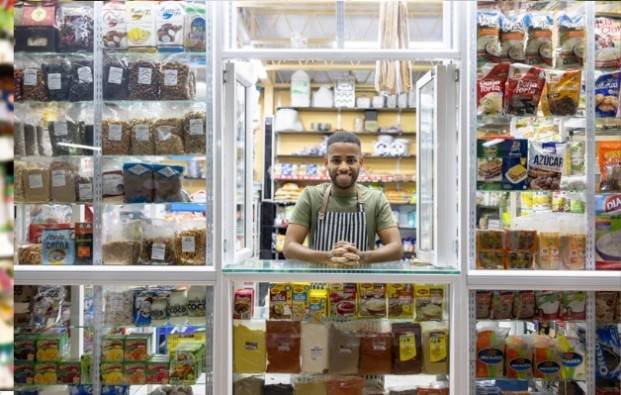
A sell sheet is a simple one-page document that helps buyers understand the product quickly. It should include product photos, brand story, flavor options, case pack, wholesale price, suggested retail price, shelf life, Universal Product Code, storage needs, certifications, ordering details, and contact information.
The sell sheet should not feel crowded. Buyers are busy. They need to know what the product is, why shoppers will buy it, how much it costs, how it ships, and how to reorder.
A sample kit also helps. Samples should be fresh, neatly packed, and easy to taste. If the product needs serving instructions, include them clearly.
Pitch the Buyer With a Store-Friendly Story
A strong buyer pitch is not only about passion. It should explain why the product belongs in that store. The brand should show how it fits the store’s customers, category, price range, shelf space, and local identity.
A good pitch may mention customer demand, sales proof, local connection, unique flavor, better ingredients, strong packaging, and reliable supply. The pitch should be short, clear, and focused on what helps the retailer sell.
Instead of saying, “My product is amazing,” say, “This product fills a gap in your local snack section and has already sold 400 units through weekend markets in the area.”
Support the Store After Approval
Getting accepted is not the finish line. A brand must help the product move off the shelf. That can include in-store demos, sampling days, shelf talkers, social media posts, email announcements, local press, recipe cards, and staff education.
Retailers notice brands that help drive sales. If a product sits untouched, it may lose shelf space. If it sells, restocks, and brings loyal shoppers back, the retailer has a reason to keep it.
Know When to Use a Distributor
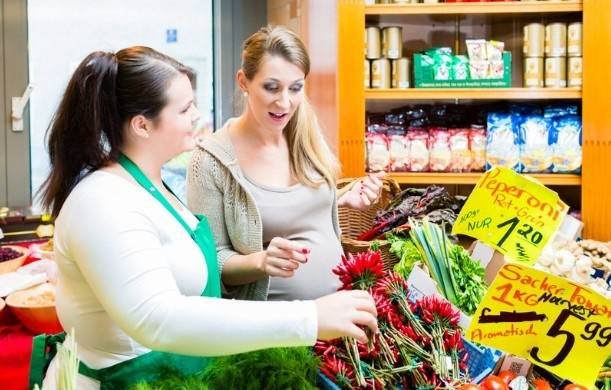
A distributor can help a brand reach more stores, but it is not always the right first move. In the early stage, direct delivery may give the brand more control, better relationships, and higher margins.
A distributor becomes useful when the brand already has demand, steady production, clear pricing, and enough store accounts to justify the added cost. Distributors move products, but they do not replace marketing, buyer-seller relationships, or brand building.
Common Mistakes to Avoid
Many food brands pitch too early. They may have weak packaging, unclear pricing, no barcode, no sell sheet, limited production capacity, or no proof that customers will buy the product.
Another mistake is overpromising. If a brand cannot deliver consistent inventory, retailers lose trust quickly. It is better to start with five stores and serve them well than to enter fifty stores and fail to restock.
Brands should also avoid ignoring shelf performance. Retail is not only about getting listed. It is about sell-through, repeat orders, and long-term profitability.
Frequently Asked Questions
1. How Local Food Brands Can Enter Retail Stores successfully?
They can start by proving local demand, preparing retail-ready packaging, setting profitable wholesale pricing, creating a sell sheet, sampling products with buyers, and approaching independent stores before larger chains.
2. What do retail buyers look for in food products?
Retail buyers look for strong packaging, clear pricing, good margins, reliable supply, proper labeling, customer demand, category fit, and proof that the product can sell consistently.
3. Do local food brands need a distributor?
Not always. Many brands should start with direct local store relationships first. A distributor is more useful when the brand has proven sales, stable production, and enough accounts to support distribution costs.
4. What should be included in a food product sell sheet?
A sell sheet should include product photos, brand story, wholesale pricing, suggested retail price, case pack, UPC codes, shelf life, storage needs, certifications, ordering details, and contact information.
5. Should food brands start with small stores first?
Yes. Independent stores, co-ops, specialty shops, and regional grocers are often better first steps because they are more open to local products and smaller test runs.
Conclusion
I believe local food brands have a real opportunity in retail when they treat the shelf like a business partnership, not just a dream placement. A great product matters, but preparation matters just as much.
The smartest path is simple: prove demand, fix packaging, price correctly, pitch the right stores, support sales, and grow carefully. That is how local makers move from market tables to retail shelves with confidence.