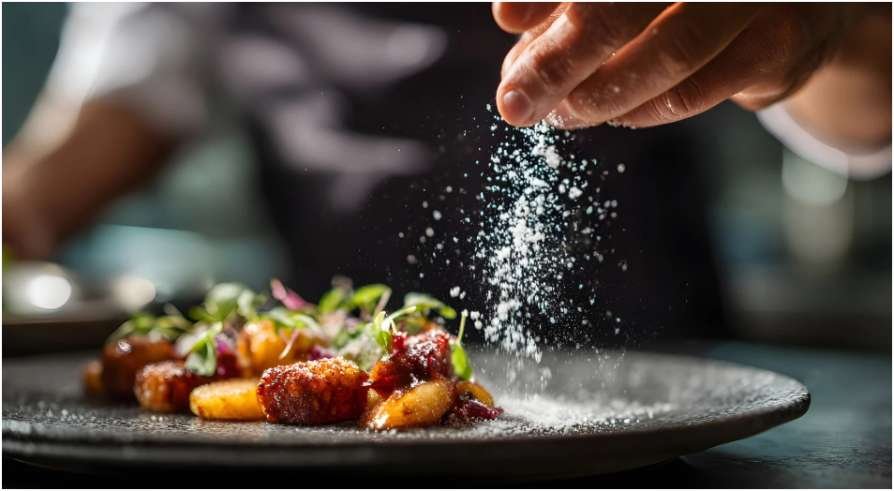
The first time I used flaky salt on a warm chocolate chip cookie, I understood why chefs treat salt like a final detail, not just a seasoning. If you have ever wondered what is finishing salt, the simple answer is this: it is salt added right before serving to create crunch, shine, and clean bursts of flavor.
Unlike table salt or kosher salt, finishing salt is not meant to disappear into a pot of soup. It sits on top of food, where you can see it, taste it, and feel it.
What Is Finishing Salt?
Finishing salt is a premium, often minimally processed salt used at the end of cooking or during plating. It usually has larger, more delicate, or more irregular crystals than everyday cooking salt.
That crystal structure matters. Fine salt dissolves fast and seasons food evenly. Finishing salt works differently. It gives you small pops of salinity in specific bites. That is why a tomato slice, grilled steak, caramel brownie, or roasted asparagus can taste more lively with just a small pinch.
Many finishing salts also keep trace minerals from the water, clay beds, or regions where they are harvested. These minerals can create subtle briny, earthy, bitter, or sweet notes. Still, the biggest reason to use finishing salt is texture.
The FDA notes that the Daily Value for sodium is less than 2,300 mg per day, so finishing salt should still be used with control, not treated as a free pass because it looks fancy.
Finishing Salt vs Regular Salt
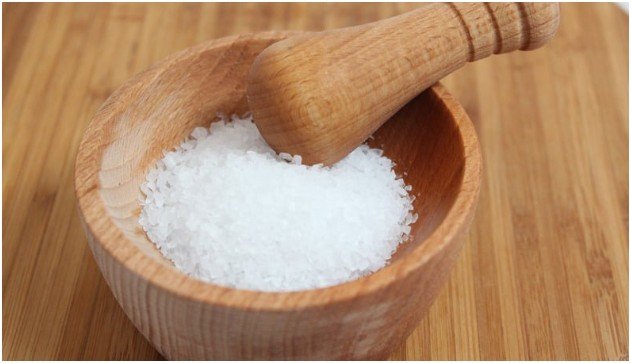
The difference comes down to purpose. Regular salt builds flavor while food cooks. Finishing salt adds texture and contrast after the dish is done.
Texture
Table salt is fine and uniform. Kosher salt is larger but still made for seasoning during prep. Finishing salt can be flaky, moist, coarse, brittle, crunchy, or crystal-like.
Maldon, one of the most recognized flaky salts, is known for pyramid-shaped crystals, which give it a light crunch and a dramatic look on plated food.
Timing
Use regular salt while cooking pasta water, soups, sauces, marinades, and roasted vegetables. Use finishing salt after cooking, just before the food reaches the table.
Cooking with a delicate finishing salt usually wastes its best quality. Heat, liquid, and stirring break down the flakes and remove the texture you paid for.
Flavor Impact
Regular salt creates even seasoning. Finishing salt creates contrast. One bite may taste mild, while the next gives you a crisp hit of salt.
That contrast works especially well on rich, sweet, fatty, or juicy foods. Think steak, avocado toast, brownies, caramel, ripe tomatoes, grilled salmon, and roasted chicken skin.
Popular Types of Finishing Salt
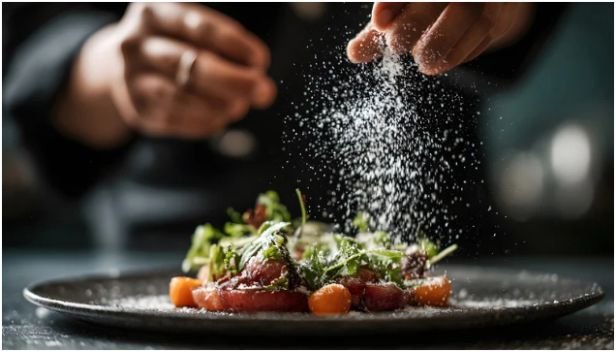
Not every finishing salt tastes or feels the same. I like to choose based on the dish, not the price tag.
Flaky Sea Salt
Flaky sea salt is the easiest place to start. It has thin, brittle crystals that crush between your fingers. It works on almost everything, from eggs and roasted vegetables to cookies and steak.
This is the salt I reach for when I want crunch without making food taste aggressively salty.
Fleur de Sel
Fleur de sel is a delicate sea salt traditionally collected from the surface of salt marshes. It has a slightly moist texture and a clean, coastal taste.
Because of its texture and cost, I save it for simple foods where it can stand out. It works beautifully on buttered bread, sliced radishes, soft caramels, fresh fruit, and seared fish.
Sel Gris
Sel gris, or gray salt, is a coarse French sea salt. Its gray color comes from contact with clay-lined salt ponds during harvesting. It is usually coarser and moister than many flaky salts.
I prefer sel gris on heavier foods. It holds up well on ribeye, lamb, roasted potatoes, and grilled mushrooms.
Smoked and Infused Salts
Smoked salts add wood-fired aroma without needing a smoker. Infused salts may include black truffle, chili, espresso, citrus, herbs, wine, or garlic.
Use these carefully. They can overpower food fast. I like smoked salt on grilled corn, roasted sweet potatoes, deviled eggs, and dark chocolate. Truffle salt works best when the dish is simple and creamy.
For deeper flavor pairing, ingredients like black garlic can also add sweetness and umami. That is why I often pair bold salts with ideas from my guide on black garlic benefits and uses.
How I Use Finishing Salt at Home
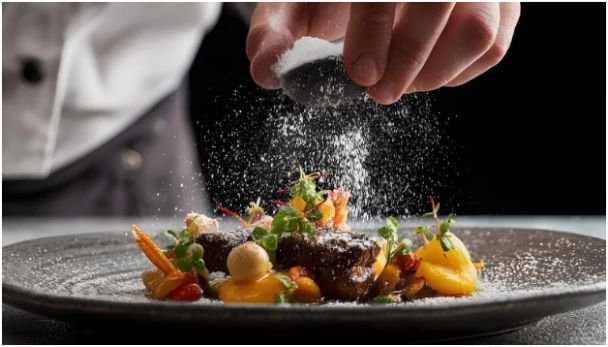
I do not sprinkle finishing salt randomly. I test it first, especially when using a new brand or flavor.
My Simple Pinch Test
I use three foods: buttered bread, sliced tomato, and dark chocolate.
Buttered bread shows how fast the salt melts. A tomato shows how it handles moisture. Dark chocolate shows whether the salt tastes clean, bitter, smoky, or mineral-heavy.
This quick test helps me avoid ruining a finished dish. Some salts taste mild. Others hit hard. A smoked salt that tastes fun on chocolate may feel too strong on delicate fish.
Best Foods for Finishing Salt
Finishing salt works best when the food has enough moisture, fat, or sweetness to balance it.
On proteins, I use it over ribeye, seared salmon, roasted chicken, pork chops, and grilled shrimp. On produce, it shines on tomatoes, avocado, asparagus, cucumbers, mushrooms, and roasted carrots.
For sweets, I use a tiny pinch on brownies, caramels, chocolate chip cookies, ice cream, and sliced melon. Salt makes sweetness feel deeper when used carefully.
How Much Finishing Salt Should You Use?
Start with less than you think. A small pinch can change the whole bite.
For a steak, I use a light pinch after slicing, not a heavy layer. For cookies, I add only a few flakes per cookie. For tomatoes, I add enough to sparkle on the surface, not enough to make them wet and salty.
The CDC reports that Americans consume more sodium than recommended on average, so using salt intentionally matters. A little finishing salt can make food taste more seasoned without adding salt throughout every stage.
Mistakes to Avoid With Finishing Salt
The biggest mistake is using finishing salt too early. If you add it before roasting, boiling, or simmering, the crystals dissolve and lose their texture.
Another mistake is using the same salt on every dish. A delicate fleur de sel may disappear on a smoky steak. A bold smoked salt may overwhelm fresh fruit.
I also avoid adding finishing salt before tasting the food. If the dish is already salty from cheese, cured meat, soy sauce, olives, broth, or bacon, it may not need any extra salt.
Store finishing salt in a dry, sealed container. Moisture can clump flaky salt and dull its texture. Keep infused salts away from strong spices, because they can absorb aromas.
FAQs About Finishing Salt
1. What is finishing salt used for?
Finishing salt is used as a final garnish. It adds crunch, visual appeal, and sharp bursts of flavor to finished dishes.
2. Can I cook with finishing salt?
You can, but it is usually not worth it. Cooking dissolves the crystals and removes the texture that makes finishing salt special.
3. Is finishing salt the same as sea salt?
Not always. Many finishing salts are sea salts, but not every sea salt is a finishing salt. Fine sea salt can be used for cooking, while flaky or coarse sea salt works better as a final touch.
The Final Pinch: Small Salt, Big Attitude
Finishing salt proves that a tiny detail can change the whole plate. I use it when food already tastes good but needs one last lift: crunch, sparkle, and a sharper final bite.
Start with flaky sea salt first. Try it on a tomato, a fried egg, and a warm cookie. Once you taste the difference, you will know exactly why this small pinch earns its place in a good kitchen.