I used to think gourmet cooking meant buying expensive ingredients and hoping they magically made dinner better. Then I learned the real answer to what are specialty ingredients is much simpler: they are small, high-impact ingredients that change flavor, texture, aroma, nutrition, shelf life, or the overall eating experience.
In a commercial food setting, specialty ingredients can include emulsifiers, enzymes, probiotics, plant proteins, natural colors, preservatives, and vitamins. In a gourmet kitchen, they are the finishing oils, aged vinegars, rare salts, spices, truffle products, miso, black garlic, and extracts that turn basic food into something memorable.
Your source notes describe them as value-added components used in small amounts to improve stability, texture, nutrition, shelf life, or flavor.
What Are Specialty Ingredients?
Specialty ingredients are carefully selected ingredients used for a specific purpose. That purpose may be taste, texture, color, aroma, preservation, nutrition, or presentation.
In plain kitchen terms, they are not usually the bulk of a recipe. Flour, rice, butter, sugar, and basic oil create the foundation. Specialty ingredients bring the personality.
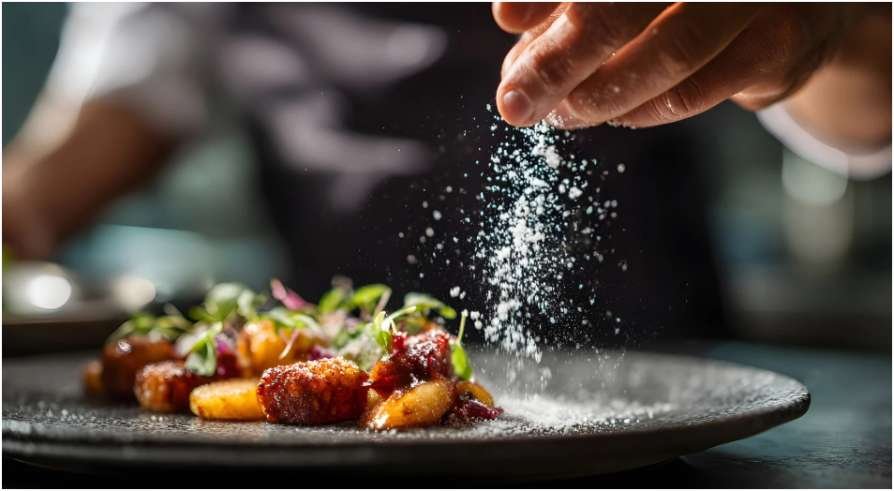
A drizzle of early-harvest extra virgin olive oil can make tomato toast taste brighter. A pinch of fleur de sel can make chocolate cookies taste deeper. A spoon of white miso can make soup richer without making it heavy.
The FDA explains that food ingredients and additives are regulated based on how they are used in food, including substances that affect food characteristics. That matters because some specialty ingredients do more than add flavor. They can also improve texture, stability, color, or shelf life.
Specialty Ingredients vs. Regular Pantry Staples
The easiest way to understand what are specialty ingredients is to compare them with everyday pantry staples.
Commodity Ingredients Build the Base
Commodity ingredients are the workhorses. They include wheat, corn, sugar, standard oils, basic salt, and common dairy. You usually need them in larger amounts.
They form the structure of a dish. Pasta needs flour. Cake needs sugar. Soup needs stock. These ingredients matter, but they usually do not create a unique gourmet identity by themselves.
Specialty Ingredients Create the Signature
Specialty ingredients solve a more specific problem. They may add crunch, perfume, acidity, umami, color, richness, or nutrition.
For example, regular salt makes food salty. Fleur de sel adds a delicate mineral crunch. Standard vinegar adds acidity. Traditional balsamic vinegar adds sweetness, depth, and a glossy finish.
Your notes also separate specialty ingredients from commodity ingredients by purpose. Commodity ingredients form the bulk of a recipe, while specialty ingredients solve technical, nutritional, preservation, or sensory needs.
Main Types of Gourmet Specialty Ingredients
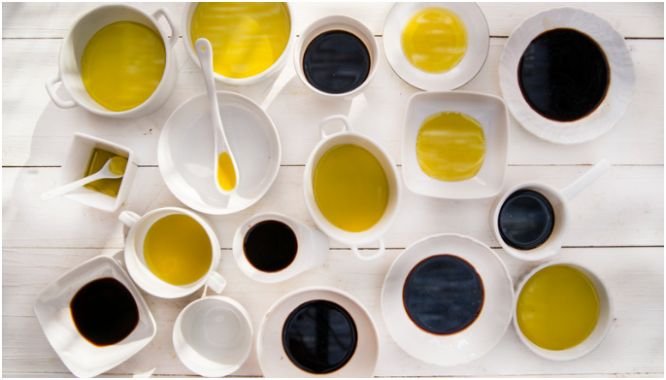
A strong gourmet pantry does not need to be crowded. I get better results when I keep a few focused categories and use them well.
Finishing Oils and Aged Vinegars
Finishing oils are not meant for deep frying or high-heat cooking. They shine when added at the end.
Early-harvest extra virgin olive oil tastes grassy, peppery, and fresh. Walnut oil brings a soft nutty flavor. Pumpkin seed oil can make roasted vegetables taste deeper and more savory.
Aged vinegars work the same way. Traditional balsamic vinegar can add syrupy sweetness to strawberries, roasted squash, Parmesan, or grilled meats.
The European Commission explains that protected food names, such as PDO and PGI products, are tied to origin, quality, reputation, and production standards. That is one reason serious buyers check origin labels when choosing premium European ingredients.
Rare Spices and Hand-Harvested Salts
Fresh spices and special salts give the fastest flavor upgrade.
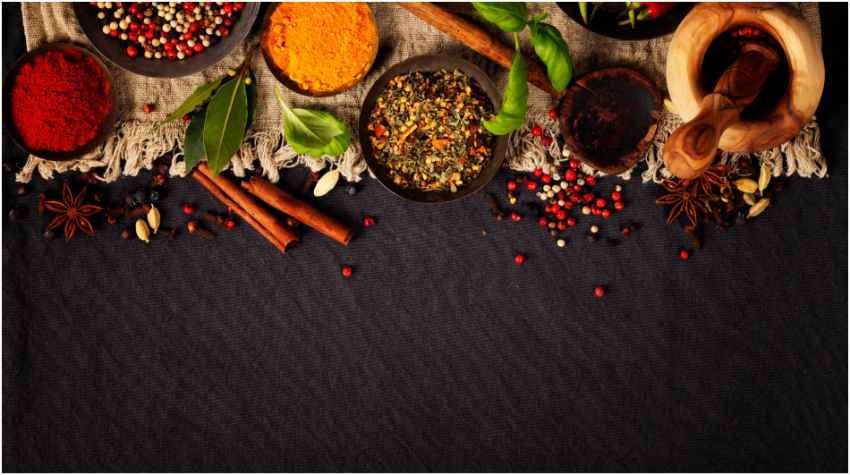
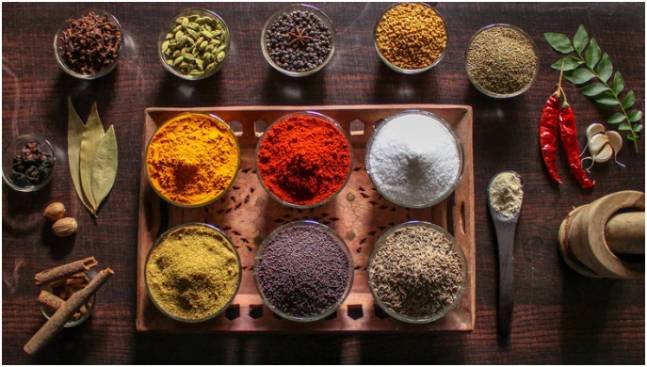
Saffron adds golden color and an earthy floral note. Single-origin peppercorns can taste fruity, smoky, citrusy, or piney. Fleur de sel adds a clean finishing crunch that regular table salt cannot copy.
My personal rule is simple. If I can smell the spice clearly when I open the jar, it belongs in my kitchen. If it smells like cardboard, it is not helping the dish.
Truffle, Umami, and Botanical Flavor Boosters
This category is where small amounts do serious work.
Black garlic adds sweet, mellow depth. White miso brings salty richness. Colatura di alici, an Italian anchovy extract, adds savory intensity. Rosewater and orange blossom water can make desserts feel elegant when used carefully.
Truffle products need more caution. Real truffle butter or truffle carpaccio can taste beautiful. Cheap truffle oil can overpower everything. I use truffle ingredients like perfume: one small touch, never a flood.
This is also where entertaining food becomes easier. A basic cheese board can feel special when you add fig jam, marinated olives, smoked almonds, honeycomb, or a bold mustard. That is why I always connect pantry planning with the best charcuterie board ingredients when I want simple hosting food to feel more polished.
Functional and Clean-Label Ingredients
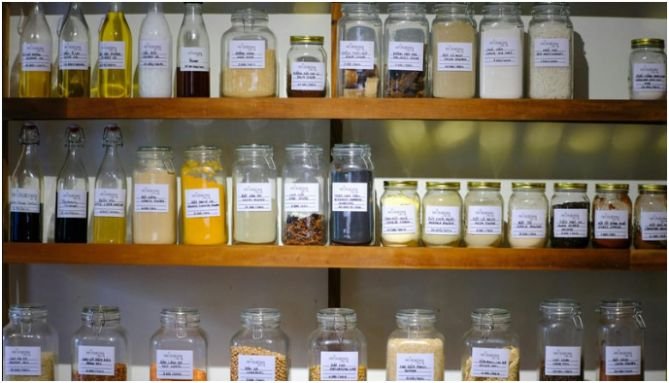
Some specialty ingredients are more technical. In food manufacturing, they may include emulsifiers, stabilizers, enzymes, plant proteins, probiotics, prebiotics, natural colors, vitamins, minerals, and preservatives. Your source notes also mention pharmaceutical excipients, which help affect how medicines dissolve or taste.
For home cooks, this category appears in simpler forms. Think plant-based protein powders, natural sweeteners, pectin for jam, agar-agar for gels, nutritional yeast for savory flavor, or cultured ingredients for gut-friendly recipes.
The FDA’s GRAS framework covers substances generally recognized as safe under their intended conditions of use, which is relevant when brands use functional food ingredients in packaged products.
How I Use Specialty Ingredients Without Wasting Money
My best tested approach is the one-ingredient upgrade test.
I make a simple base dish first. Then I add one specialty ingredient at the end and judge whether it improves the dish enough to earn a permanent pantry spot.
For example, plain scrambled eggs with a pinch of smoked salt taste noticeably better. Roasted carrots with tahini and pomegranate molasses taste brighter. Vanilla ice cream with aged balsamic and strawberries tastes like a restaurant dessert.
This method keeps me from buying five fancy jars that expire in the back of a cabinet. It also teaches me what each ingredient actually does.
If an ingredient cannot improve a simple dish, I do not trust it in a complicated one.
How to Choose Better Specialty Ingredients
When someone asks me what are specialty ingredients worth buying first, I recommend checking four things: origin, ingredient list, aroma, and use case.
Origin matters because many gourmet ingredients depend on place. Olive oil, balsamic vinegar, pepper, cheese, saffron, and sea salt often taste different based on climate, soil, harvesting, and tradition.
The ingredient list matters because some “specialty” products are mostly filler. A good vanilla paste should taste like vanilla, not just sugar. A good truffle product should clearly explain what type of truffle or flavoring it uses.
Aroma matters because flavor starts before the first bite. Fresh spices, oils, and vinegars should smell vivid.
Use case matters most. Do not buy an expensive ingredient because it sounds impressive. Buy it because you know where it will go: pasta, seafood, salads, cheese boards, desserts, soups, or roasted vegetables.
How to Store Specialty Ingredients Properly
Specialty ingredients often cost more, so storage matters.
Keep oils away from heat, air, and direct light. Store spices in tightly sealed jars. Keep delicate salts dry. Refrigerate products that require it after opening, especially pastes, infused items, and condiments.
USDA guidance explains that many food product dates relate to quality rather than safety, although proper storage and handling still matter. For specialty foods, that means your oil or spice may not become unsafe right away, but it can lose aroma, texture, or flavor impact.
I label open dates on premium oils, nut oils, pastes, and sauces. It sounds fussy, but it saves money.
FAQs About Specialty Ingredients
1. What are specialty ingredients in cooking?
Specialty ingredients in cooking are high-impact ingredients used to improve flavor, aroma, texture, color, or presentation. Examples include saffron, finishing olive oil, aged balsamic vinegar, fleur de sel, truffle butter, miso, black garlic, and vanilla bean paste.
2. Are specialty ingredients always expensive?
No. Some are expensive, like saffron or real truffle products. Others are affordable, such as smoked paprika, nutritional yeast, miso, chili crisp, preserved lemons, or high-quality mustard. The value depends on how much flavor they add per use.
3. What is the difference between specialty ingredients and gourmet ingredients?
Specialty ingredients can be technical or culinary. Gourmet ingredients usually refer to premium cooking items with unique flavor, origin, or craftsmanship. All gourmet ingredients can be specialty ingredients, but not all specialty ingredients are gourmet.
The Pantry Upgrade That Makes You Look Fancy
Specialty ingredients are not about showing off. They are about making food taste intentional.
Once I understood what are specialty ingredients, I stopped buying random gourmet products and started choosing ingredients for a job. One oil for finishing. One vinegar for brightness. One salt for crunch. One umami booster for depth. One spice that makes people ask, “What did you add?”
That is the real trick. You do not need a luxury pantry. You need a smarter one. Start with one ingredient you will actually use this week, then build from there.