There’s a reason restaurant food often feels more memorable before you even take the first bite. Presentation changes perception. The same mashed potatoes, roasted vegetables, or grilled salmon can feel completely different depending on how they arrive at the table. Most people notice this instinctively during fine dining experiences, but very few realize how much of that atmosphere can actually be recreated at home.
What surprised me most after paying attention to chef-style plating was how little it had to do with expensive ingredients. Luxury dining is often built through restraint, balance, texture, and visual control rather than oversized portions or complicated recipes. Small plating choices can quietly make homemade meals feel far more intentional, elevated, and immersive.
Why Presentation Changes the Entire Dining Experience?
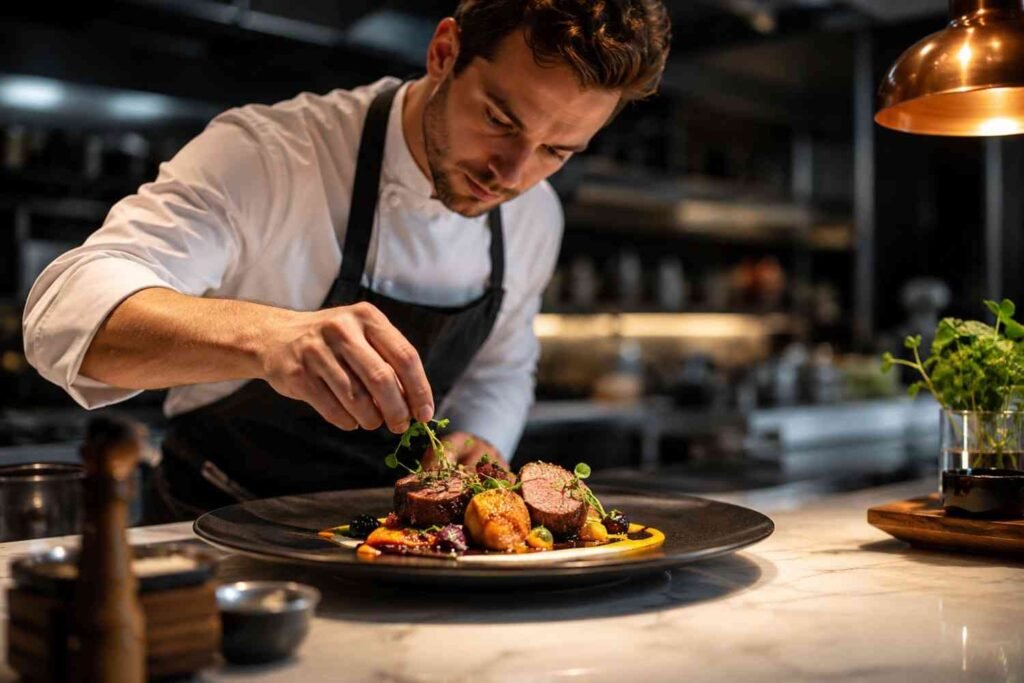
Food presentation affects anticipation before taste ever enters the picture. Clean composition, balanced spacing, and layered textures create the feeling that more care went into the meal, which naturally changes how people experience it emotionally.
This is one reason restaurant-style plating has become so influential in home hosting and social dining. People no longer just want good food. They want atmosphere, visual storytelling, and sensory contrast.
Even simple dishes feel elevated when:
- portions look intentional
- colors feel balanced
- Textures create visual interest
- The plate avoids clutter
That subtle visual control is also why chef-inspired meals for home parties tend to feel more memorable than casual buffet-style setups. Presentation creates emotional weight around the meal itself.
Negative Space Makes Food Look More Expensive
One of the biggest differences between home plating and chef-style plating is restraint.
Many people overcrowd plates because empty space feels unfinished. Professional chefs usually approach plating the opposite way. They treat the plate like a canvas and allow negative space to frame the food instead of competing with it.
This instantly creates:
- cleaner presentation
- stronger visual focus
- modern fine dining aesthetics
- more refined composition
Large white plates became popular in fine dining partly because they emphasize contrast and make plating details stand out more clearly.
When every inch of the plate is filled, the food often looks heavier and less intentional. Leaving room around components creates a calmer, more upscale appearance.
Building Height Changes the Way the Plate Feels
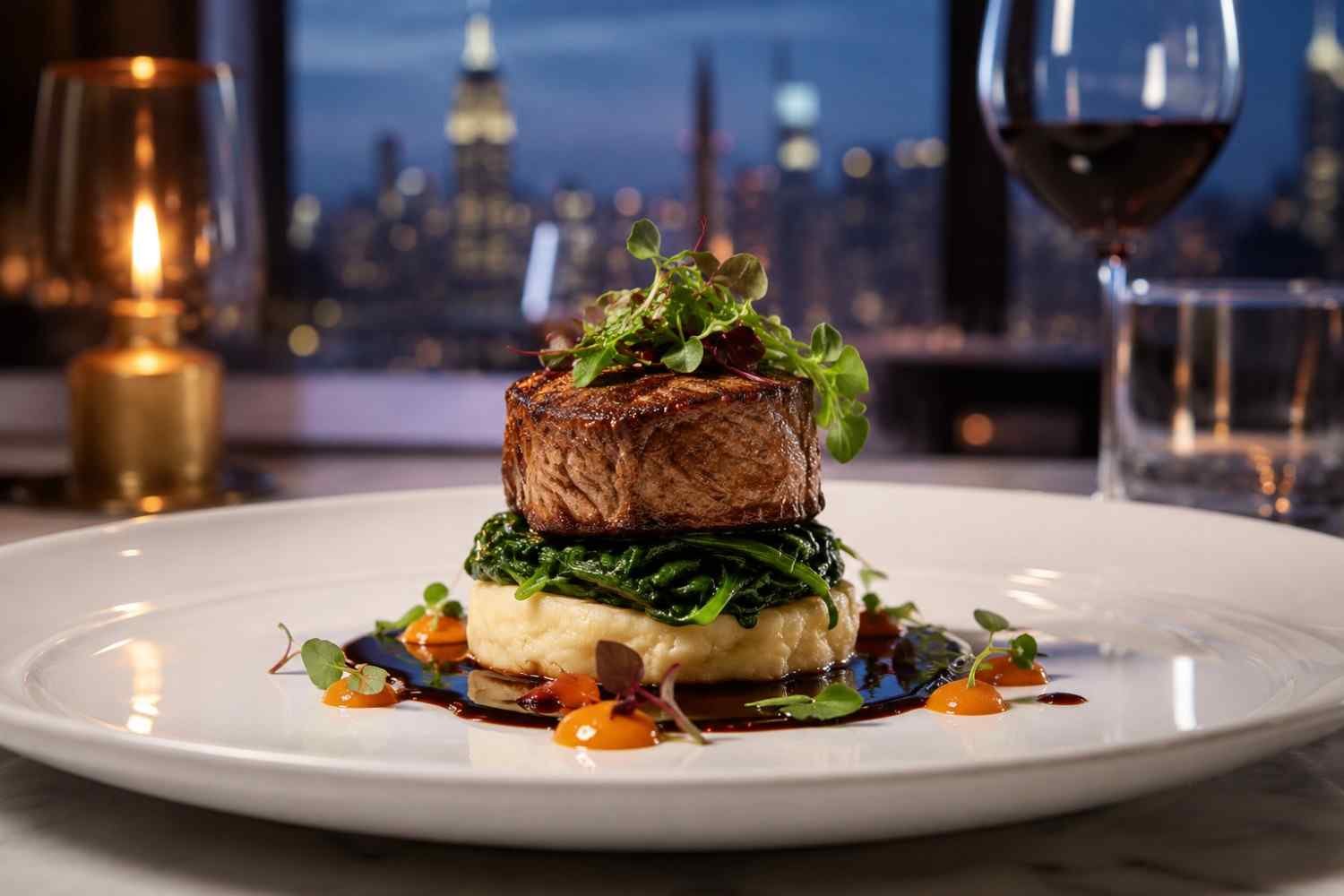
Flat plating often makes food look rushed, even when the flavors are excellent. One of the simplest chef-style plating techniques is building vertical structure instead of spreading ingredients outward.
Height naturally draws attention and creates a more dynamic presentation.
Chefs commonly create height by:
- stacking ingredients carefully
- using ring molds for grains or rice
- leaning vegetables strategically
- layering proteins over purées
- Adding delicate garnishes vertically
Even subtle elevation changes the overall feel of a dish. A neatly stacked presentation tends to look far more polished than food scattered loosely across the plate.
This is also why modern gourmet food presentation often feels sculptural rather than purely functional.
Sauces Should Look Intentional, Not Random
Sauce placement quietly influences how sophisticated a plate appears.
One of the most recognizable fine dining techniques is the sauce swoosh. A thick purée or reduction gets placed onto the plate and dragged smoothly with the back of a spoon or offset spatula to create clean movement across the surface.
Other popular techniques include:
- precision dots using squeeze bottles
- brushstroke smears
- inward “clam pull” drags
- controlled circular pours
The important part is intentionality. Random sauce placement usually makes food feel messy instead of artistic.
Consistency also matters. Uneven dots or accidental drips immediately reduce the clean visual effect chefs try to create.
Texture Contrast Makes Plates Feel More Luxurious
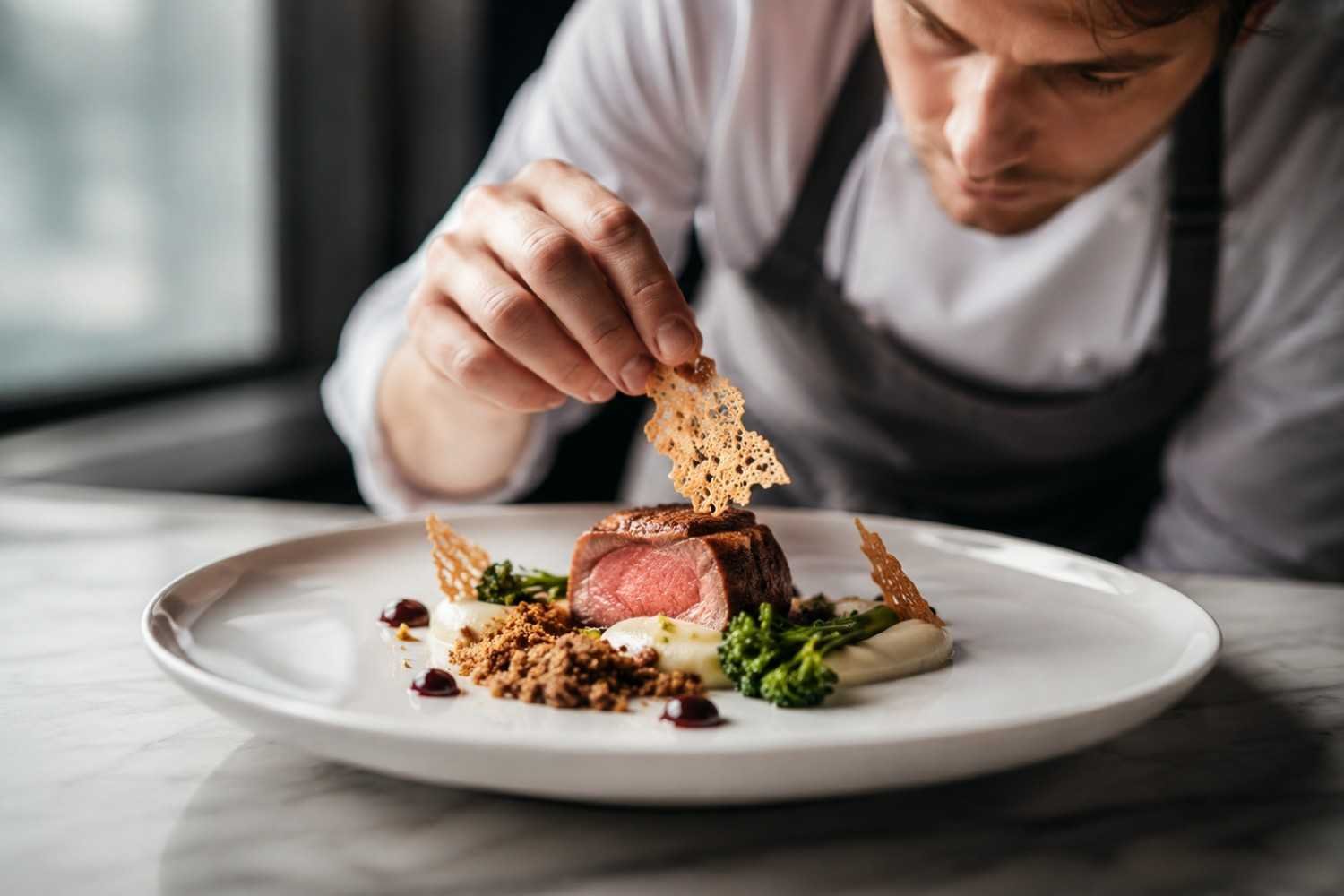
Luxury dining is not only visual. Texture contrast plays a huge role in making food feel more layered and memorable.
Soft foods become more interesting when paired with crunch, crispness, or delicate, sharp textures. That contrast creates more sensory engagement throughout the meal.
Common chef pairings include:
- creamy purées with toasted nuts
- soft pasta with crispy breadcrumbs
- smooth risotto with fried shallots
- tender proteins with crisp vegetables
Texture also improves visual balance because contrasting surfaces catch light differently on the plate.
This is one reason restaurant food often feels more complete than homemade meals using similar ingredients. Chefs deliberately build multiple texture experiences into a single bite.
Garnishes Should Always Have a Purpose
One mistake many people make while plating at home is treating garnishes like decoration instead of part of the dish.
Professional kitchens avoid inedible garnishes because they interrupt the eating experience. Every element on the plate should contribute either flavor, aroma, texture, or freshness.
Microgreens, chopped herbs, citrus zest, edible flowers, or shaved vegetables work well because they enhance the dish naturally.
Large rosemary sprigs or random decorative greens may photograph nicely, but they often feel disconnected from the actual meal.
Modern chef-style plating focuses heavily on purposeful restraint instead of excessive decoration.
Clean Edges Quietly Signal Professionalism
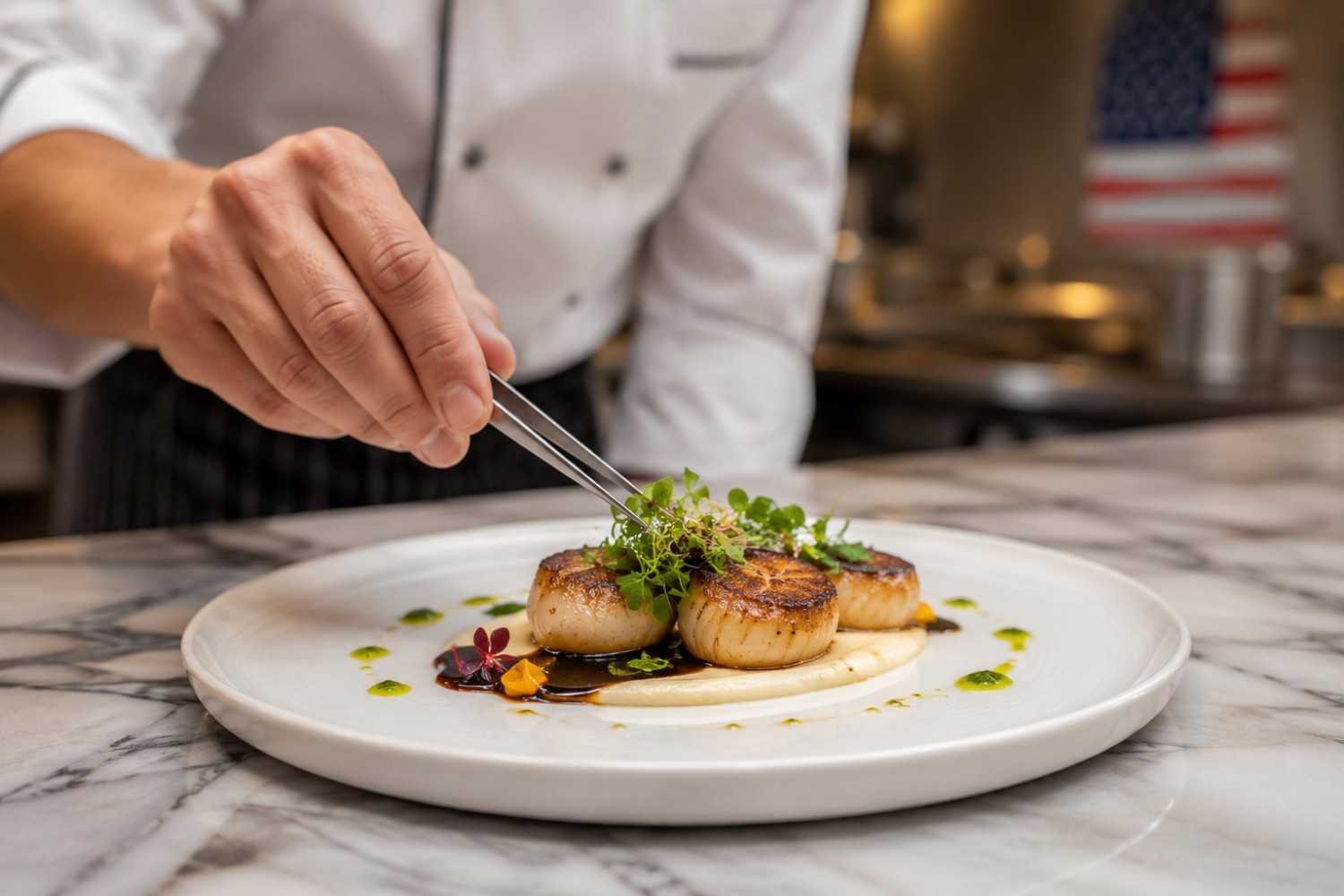
One small detail separates polished plating from amateur presentation almost immediately: clean plate edges.
Smudges, fingerprints, or sauce streaks around the rim subtly make food feel unfinished. Professional chefs almost always wipe plates before serving because clean edges sharpen the visual contrast and make the food stand out more clearly.
Many kitchens use:
- damp towels
- diluted vinegar
- vodka-based cleaning wipes
- microfiber cloths
to quickly polish the plate before service.
It sounds minor, but this step dramatically changes how refined the final presentation feels.
Simplicity Usually Looks More Elegant
One thing many people misunderstand about chef-style plating is assuming complexity automatically creates luxury. In reality, restraint usually looks more sophisticated.
Overcrowded plates packed with too many garnishes, colors, or sauces often lose focus quickly. Minimal compositions with strong balance usually create a more upscale dining atmosphere.
That’s why many fine dining restaurants serve smaller, cleaner plates rather than oversized portions with excessive decoration.
Luxury presentation often comes from confidence, precision, and clarity rather than trying to impress with quantity.
FAQs: Chef Style Plating Tricks That Create a More Luxurious Dining Experience
1. What is the most important part of chef-style plating?
Balance and intentional placement matter most. Proper spacing, clean composition, and texture contrast usually create the strongest visual impact.
2. Why do chefs leave empty space on plates?
Negative space helps frame the food and creates a cleaner, more modern presentation that draws attention to the main components.
3. How can beginners improve food plating at home?
Start with simple techniques like cleaner portion placement, balanced colors, controlled garnishes, and wiping plate edges before serving.
4. What tools help create restaurant-style plating?
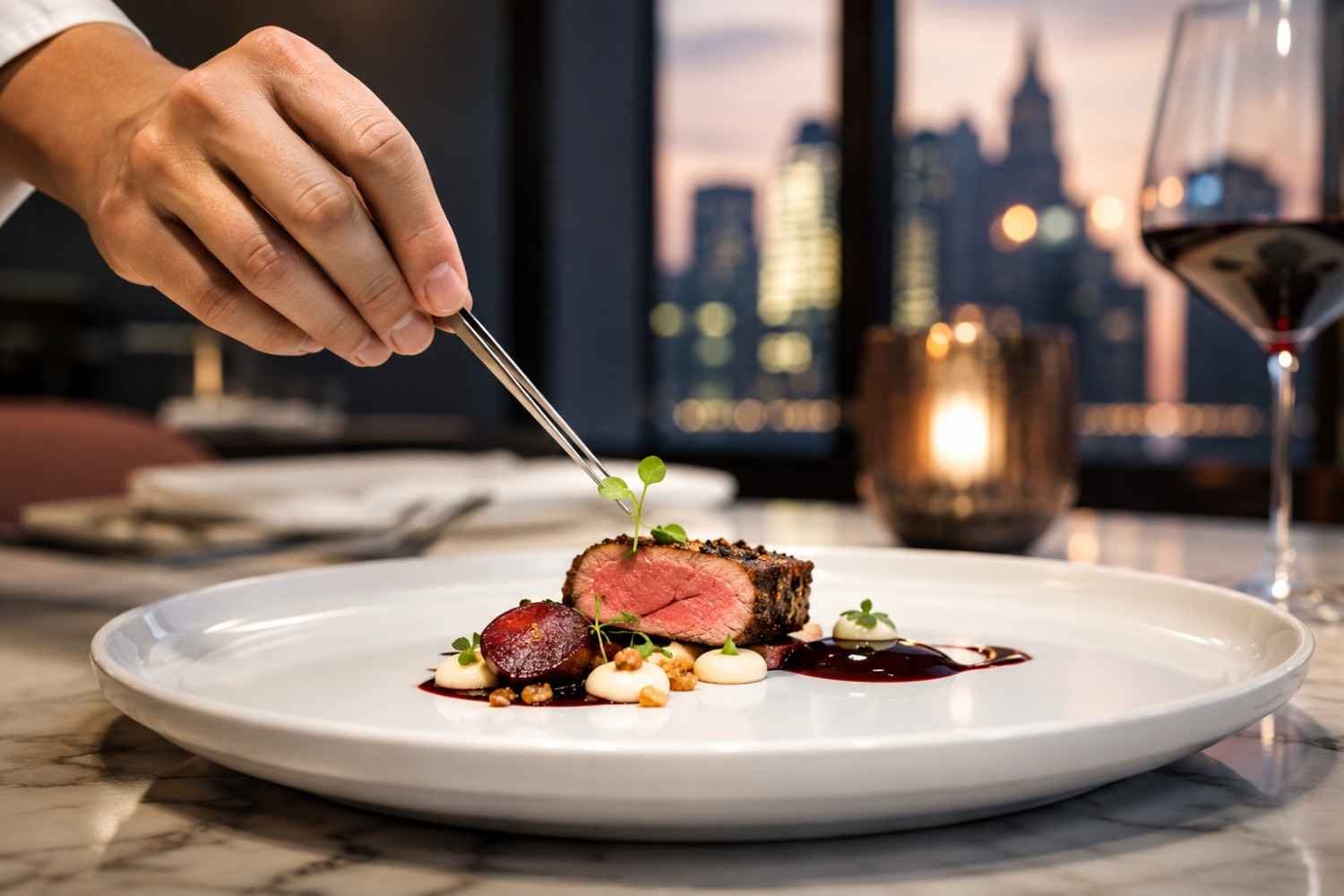
Squeeze bottles, ring molds, offset spatulas, plating tweezers, and sharp knives are commonly used to improve precision and presentation.
The Meals People Remember Usually Feel Intentional
Most memorable dining experiences are not only about flavor. They stay with people because the entire presentation feels thoughtful from the moment the plate reaches the table. Chef-style plating creates anticipation, atmosphere, and emotional connection before the first bite even happens.
That’s why small visual details matter more than many home cooks realize. A cleaner plate, better texture contrast, or more balanced composition can completely change how homemade food feels. The goal is not perfection. It’s creating a dining experience that feels deliberate, immersive, and worth slowing down for.