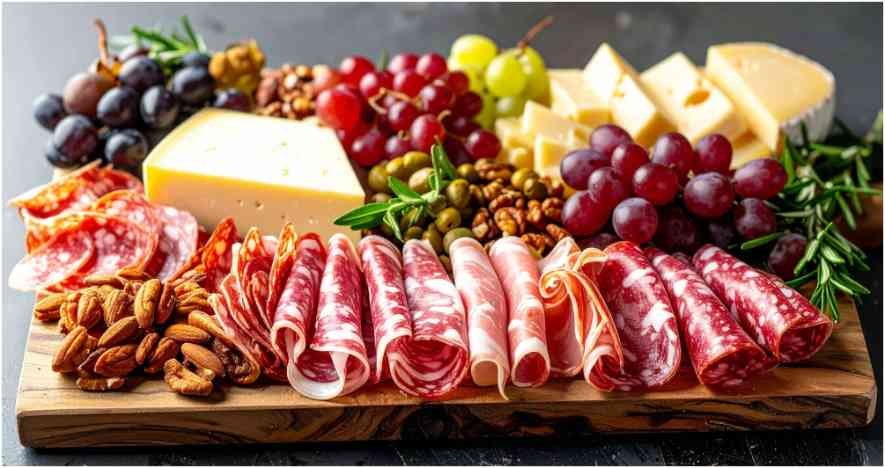
I have seen many food ideas look exciting at first, then fail because nobody checked real demand before buying inventory. That is why learning How to Identify High-Demand Food Products matters before you spend money on suppliers, packaging, storage, or marketing.
A food product may look trendy on social media, but that does not always mean people will buy it again. Real demand comes from a mix of customer interest, repeat buying, clear need, good pricing, strong margins, and easy availability. When I study a food product, I do not ask only, “Is this popular?” I ask, “Can this product sell consistently without creating waste, storage problems, or weak profit?”
What Makes a Food Product High-Demand?
A high-demand food product solves a clear customer need. It may save time, support a health goal, taste unique, feel premium, or fit a daily habit. Snacks, sauces, drinks, breakfast items, frozen foods, and pantry staples often perform well because people buy them repeatedly.
A product also becomes stronger when it fits current buying behavior. Many shoppers now look for clean labels, high-protein options, gut-friendly foods, low-sugar drinks, ready-to-eat meals, and affordable treats. These products work because they connect with lifestyle choices, not just hunger.
Check Search Trends Before Choosing a Product
The first thing I would do is check online search demand. Search tools help you see whether people are actively looking for a product or whether interest is fading.
Look for steady or rising searches around product types such as protein snacks, healthy drinks, organic sauces, gluten-free bakery products, specialty spices, frozen meals, and gourmet condiments. Also check seasonal spikes. Some products sell heavily during holidays, summer, school season, or fitness-focused months.
This step helps you avoid guessing. If people are already searching for a food product, you have a stronger reason to test it.
Study Grocery Shelves and Online Marketplaces
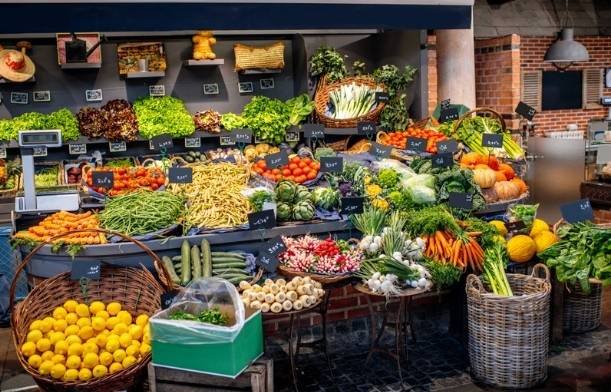
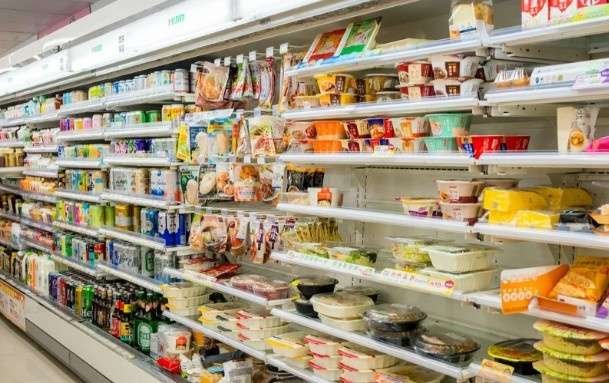
Online trends are useful, but grocery shelves tell another story. Visit supermarkets, specialty stores, farmers markets, and online food retailers. Notice which products get more shelf space, which brands offer multiple flavors, and which categories keep expanding.
If you see many brands entering one category, it may show strong demand. But it can also mean heavy competition. That is why you should look for gaps. Maybe the market has protein bars, but not enough to lower your blood sugar options.
Maybe there are hot sauces, but few clean-label versions. Maybe customers want snacks that are both crunchy and high in protein. The goal is not to copy what already sells. The goal is to find where demand exists but customer needs are still not fully satisfied.
Use Reviews to Find Hidden Product Opportunities
Customer reviews are one of the best places to discover food product demand. I like reading both positive and negative reviews because they show what buyers care about most.
Positive reviews reveal what customers love, such as flavor, texture, freshness, convenience, packaging, portion size, or health benefits. Negative reviews reveal gaps, such as bland taste, weak packaging, high price, short shelf life, too much sugar, poor ingredient quality, or limited flavor choices.
If many customers complain about the same issue, that is an opportunity. A better version of an existing product can often sell faster than a completely new idea.
Follow Current Food Trends Carefully
Trends can help you spot demand early, but they need to be tested. Some strong food categories include high-protein snacks, gut microbiome foods, zero-sugar drinks, air-fried snacks, ready-to-eat meals, premium condiments, plant-based snacks, specialty coffee, functional beverages, and shelf-stable gourmet products.
However, not every trending product is worth selling. A viral product may get attention for a few weeks, then disappear. A stronger product has both trend appeal and repeat purchase potential. That is the real difference between hype and demand.
Analyze Repeat Purchase Potential

One of the smartest ways to judge demand is to ask whether customers will buy the product again. Food products with repeat buying potential are usually stronger than one-time novelty items.
Sauces, snacks, drinks, spices, frozen meals, coffee, tea, baking mixes, breakfast foods, and pantry staples often have repeat value. If the product becomes part of a person’s routine, it has a better chance of long-term success.
This is where How to Identify High-Demand Food Products becomes more practical. You are not just looking for attention. You are looking for products that customers need again and again.
Compare Profit Margin, Shelf Life, and Storage Risk
Before choosing a food product, check the full cost. Include wholesale price, packaging, storage, shipping, spoilage, returns, marketing, and discounts. A frozen dessert may sell well, but cold shipping can reduce profit. A fresh bakery item may be popular, but waste can become expensive. A shelf-stable sauce may be easier to manage and more profitable.
Test Demand Before Buying in Bulk
I would never recommend buying a large amount of inventory before testing the market. Start small. Use sample boxes, preorders, limited launches, local tasting events, online surveys, social media polls, or small wholesale trials.
Watch how people respond. Do they ask where to buy it? Do they reorder? Do they compare it with a known brand? Do they complain about the price? Do they share it with others? Small tests protect your budget and help you improve the product before scaling.
Common Mistakes to Avoid
Many new sellers choose food products based on personal taste. That can be risky. Just because you like a product does not mean the market wants it.
Another mistake is chasing viral trends without checking margins or repeat demand. Some people also ignore food safety, labeling rules, expiry dates, packaging quality, and storage needs. These details can hurt trust and lead to costly losses.
The safest approach is to combine trend research, customer reviews, competitor study, profit checks, and small testing before making a big purchase.
Frequently Asked Questions
1. What is the best way to know if a food product is in demand?
The best way is to check search trends, online reviews, marketplace activity, grocery shelf space, competitor sales signals, and repeat buying behavior. A product with steady interest and clear customer need is usually stronger than a short-term viral item.
2. Which food products usually sell the fastest?
Fast-selling products often include snacks, drinks, sauces, frozen meals, breakfast foods, coffee, tea, spices, bakery items, and health-focused foods. Products that are easy to understand and easy to buy again usually move faster.
3. How can I test food product demand before selling?
You can test demand with small batches, preorders, samples, local events, social media polls, limited online launches, and small wholesale trials. The goal is to collect real customer response before buying large inventory.
4. Is How to Identify High-Demand Food Products useful for small retailers?
Yes. How to Identify High-Demand Food Products is especially useful for small retailers because it helps reduce waste, avoid poor stock decisions, and focus on items customers are more likely to buy repeatedly.
Final Thoughts
When I look at food products now, I do not let excitement make the decision. I look for proof. A strong product should have search demand, repeat buying potential, good reviews, clear customer benefits, manageable storage, and healthy margins.
The best product is not always the trendiest one. It is the one people want, trust, finish, and buy again. If you use research before inventory, you give yourself a much better chance of choosing food products that sell steadily instead of sitting on the shelf.