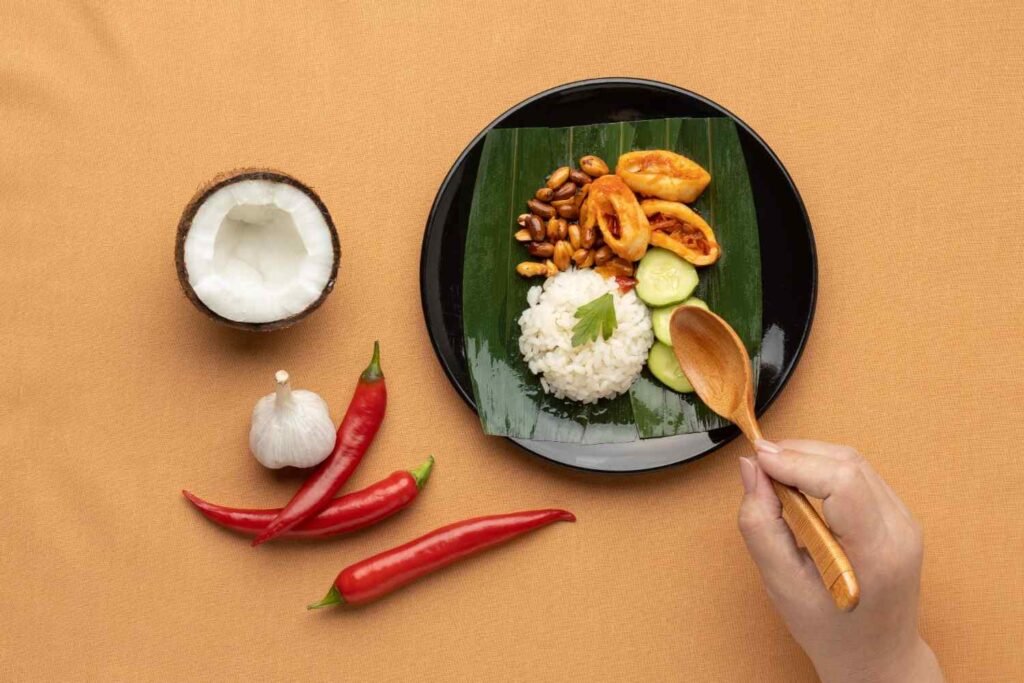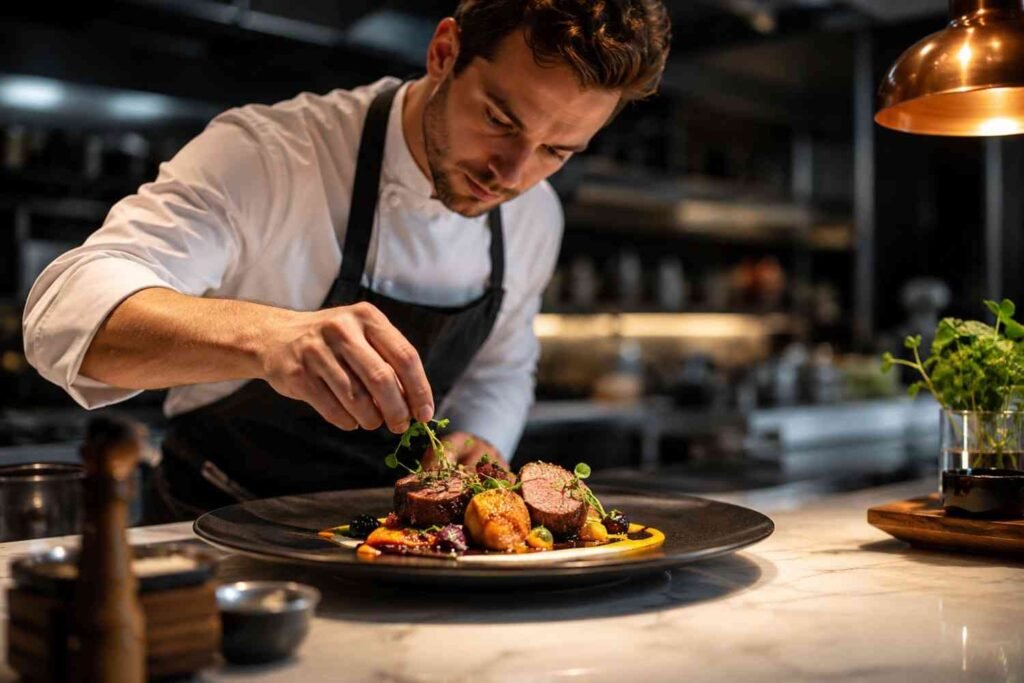
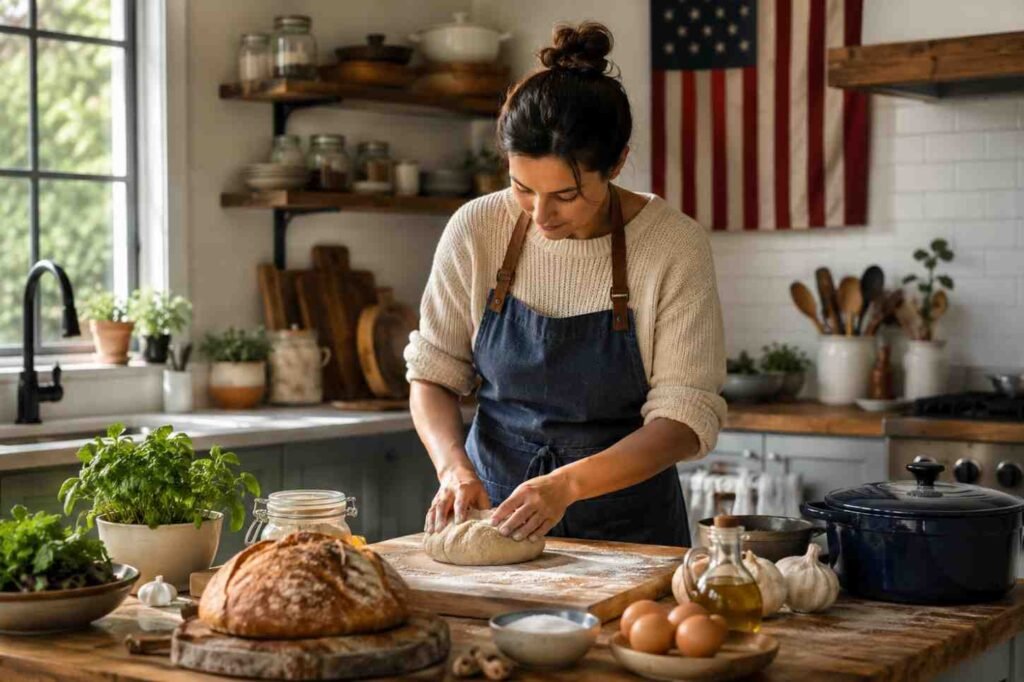
A few years ago, most people wanted dinner done as fast as possible. Air fryers, frozen shortcuts, and one-pan recipes dominated kitchen conversations. Now the mood feels different. More people are slowing down in the kitchen, baking bread from scratch, fermenting vegetables on countertops, and treating cooking less like a chore and more like a personal ritual.
What changed is not just taste. People want a connection with their food again. They want to know where ingredients came from, why certain techniques matter, and how a homemade meal can actually feel grounding after a long day. That shift explains why artisanal cooking trends are no longer limited to upscale restaurants or niche food communities. They are showing up in ordinary kitchens, weeknight dinners, and even casual gatherings built around effortless party hosting ideas.
Why Artisanal Cooking Trends Feel Different Today
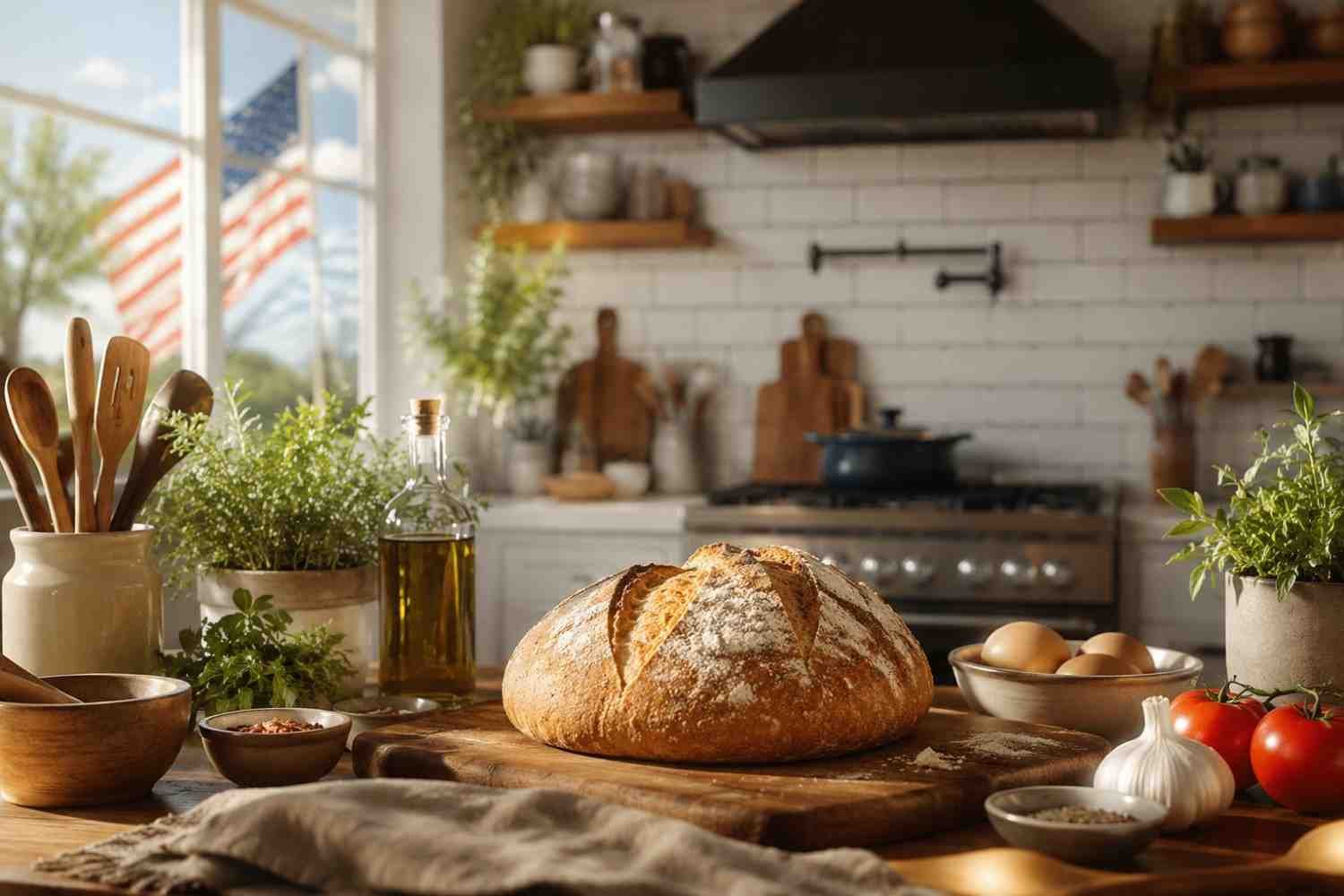
The current artisan food movement is not only about aesthetics. It is deeply tied to intentional living. Many home cooks are rejecting overly processed convenience foods and replacing them with slower, more tactile cooking experiences.
People Want More Control Over Ingredients
Ingredient transparency matters more now than it did a decade ago. Shoppers pay attention to where flour is milled, how olive oil is produced, or whether vegetables are locally grown. Homemade meals feel more trustworthy because people control every layer of the process.
That is why scratch-made sauces, homemade bread, and small-batch condiments are becoming normal kitchen projects instead of occasional hobbies.
Social Media Made Complex Cooking Feel Reachable
Short-form cooking videos changed everything. Techniques that once felt intimidating now look approachable because they are broken into quick, visual steps. A 90-second fermentation tutorial or sourdough shaping clip gives people enough confidence to experiment without culinary training.
The result is a generation of home cooks willing to try traditional cooking methods that previously belonged to professional kitchens.
The Sourdough Effect Changed Home Cooking
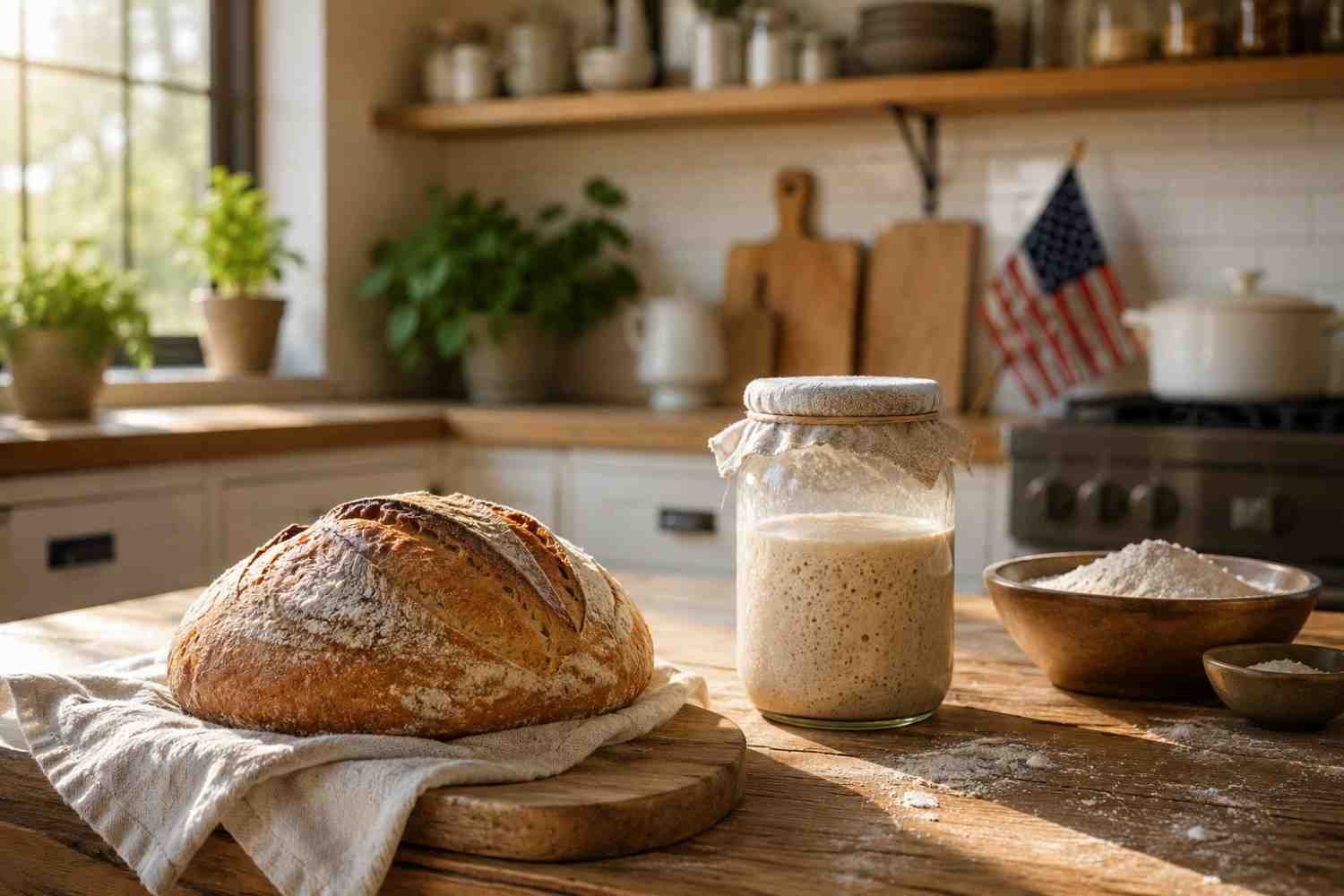
Sourdough became more than bread. It opened the door to a wider fascination with fermentation, patience, and food craftsmanship.
Fermentation Became Part Of Everyday Kitchens
People started growing live cultures on kitchen counters and realized cooking could be interactive. Kombucha brewing kits, kefir grains, and homemade kimchi became surprisingly common in modern households.
Micro-fermentation especially appeals to people who enjoy hands-on cooking because it feels alive and constantly evolving.
Some of the most common fermentation projects now include:
- Sourdough starters
- Homemade pickles
- Kombucha brewing
- Small-batch kimchi
- Yogurt culturing
- Fermented hot sauces
These projects also create a stronger emotional connection with food because the process takes time and attention.
Handmade Food Feels More Rewarding
There is something satisfying about making food slowly. Watching dough rise overnight or roasting spices by hand creates a completely different experience than opening packaged meals.
That emotional payoff is one reason artisanal cooking trends continue growing even when people have busy schedules.
The Return Of Traditional Kitchen Techniques
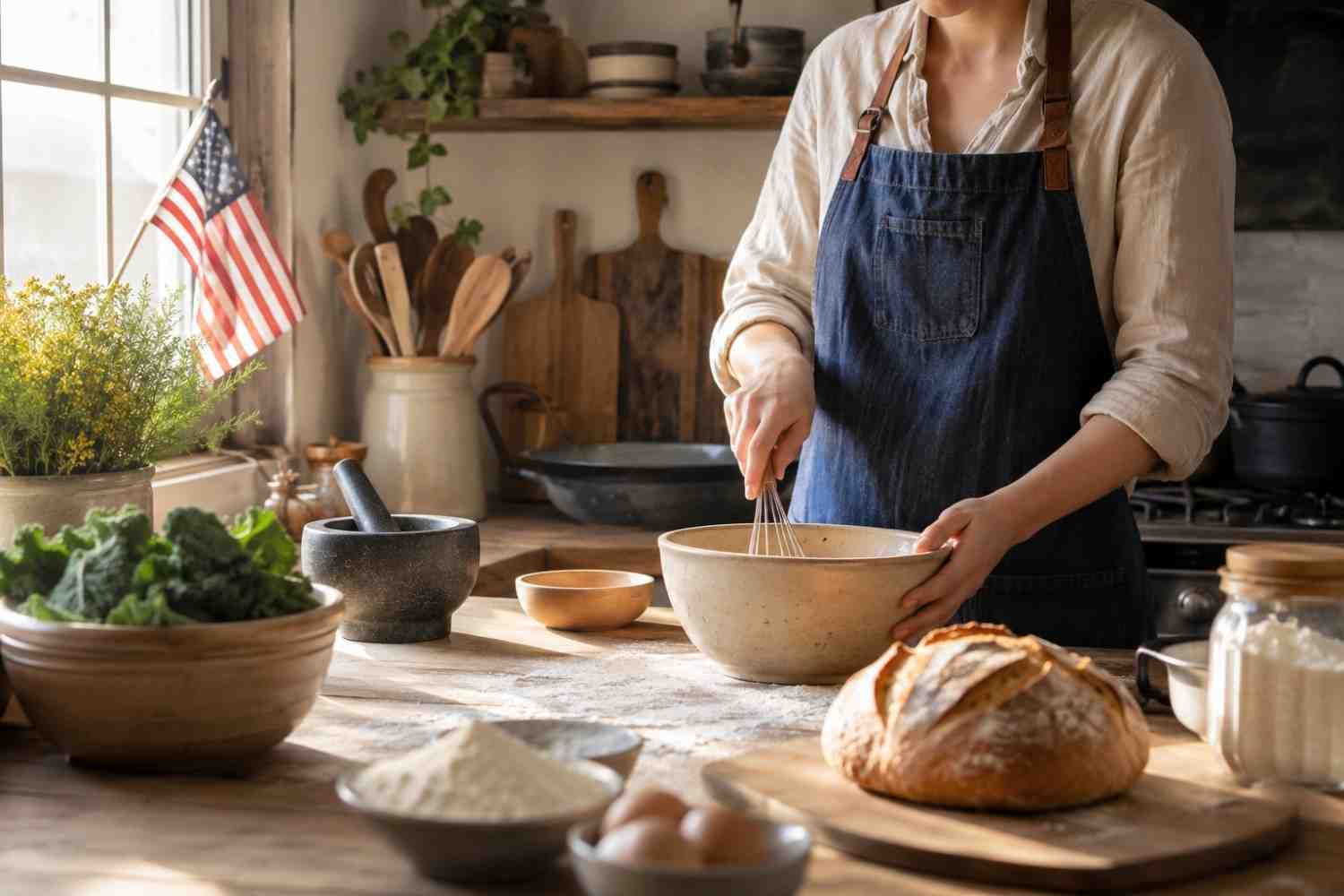
Older cooking practices are making a serious comeback, especially among younger home cooks looking for deeper flavors and less processed meals.
Heirloom Spice Crafting Is Growing Fast
Pre-ground spice mixes are losing appeal for many serious home cooks. Instead, people are dry-roasting cumin, coriander, fennel, and peppercorns before grinding them fresh.
The flavor difference is noticeable immediately. Freshly bloomed spices create a stronger aroma, better texture, and more layered flavor.
Mortar-and-pestle cooking also brings a tactile element back into the kitchen that many people find calming.
Slow Flavor Building Is Replacing Quick Cooking
Artisanal cooking often focuses on depth rather than speed. Instead of rushing recipes, cooks are caramelizing onions slowly, layering acids carefully, and building umami through longer cooking times.
This approach creates a richer flavor without relying heavily on processed ingredients or artificial enhancers.
Home Kitchens Are Starting To Look Different
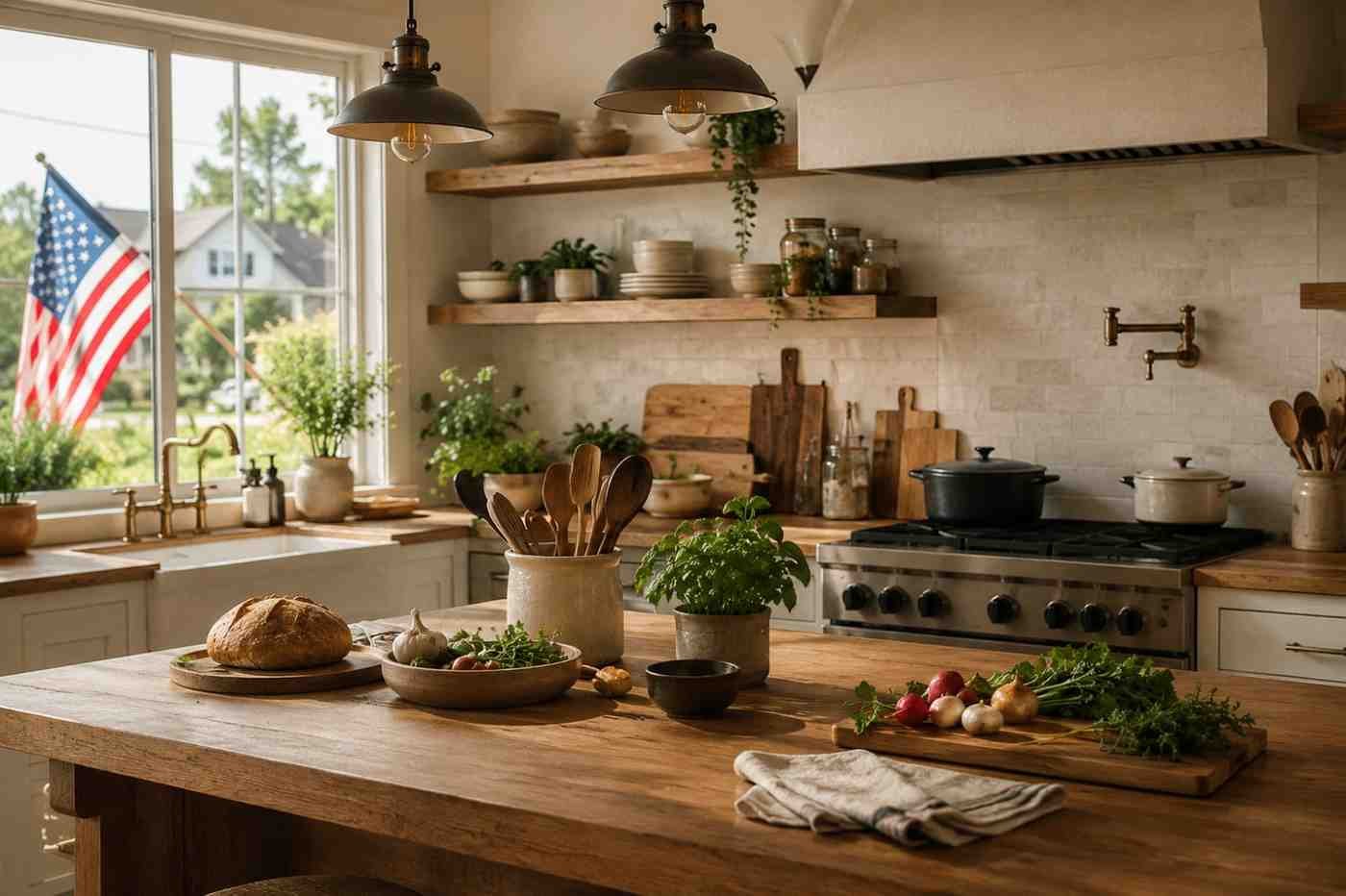
Cooking habits are changing kitchen spaces too. Many people are investing in tools that support long-term cooking practices instead of disposable convenience products.
Cast Iron And Carbon Steel Are Everywhere Again
Cheap non-stick cookware is slowly being replaced by heavier materials designed to last for years. Cast iron and carbon steel pans have become popular because they handle high heat better and improve with age.
Home cooks also appreciate that these materials connect modern kitchens with older cooking traditions.
Traditional Cookware Is Becoming Popular Again
Clay pots, stone mortars, fermentation crocks, and proofing baskets no longer feel niche. They are becoming practical kitchen staples for people experimenting with artisanal food preparation.
These tools are not only functional. They also create a warmer, more lived-in kitchen environment that feels personal rather than overly polished.
Artisanal Cooking Is Also Changing Social Gatherings
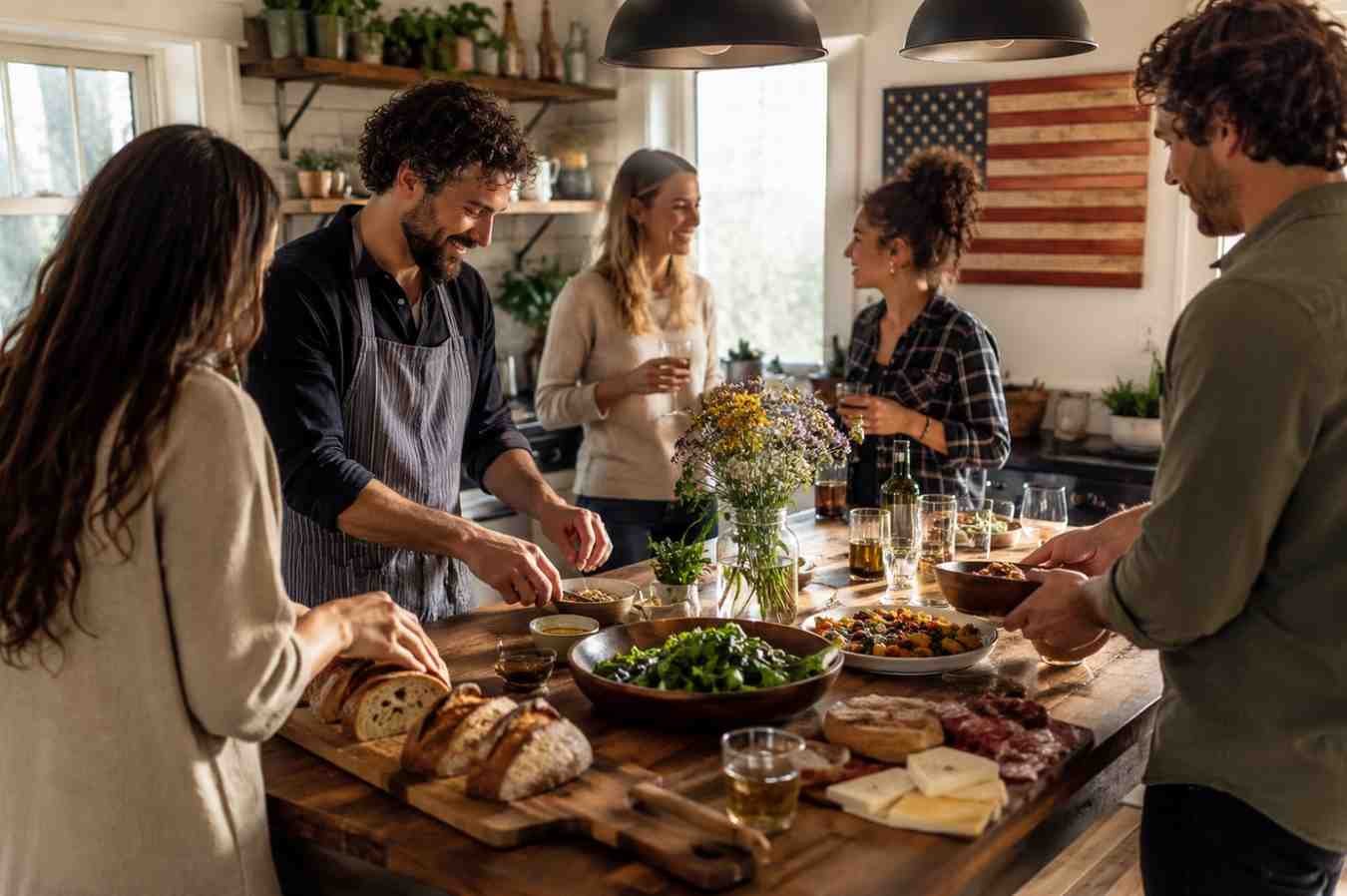
Food has become more interactive socially. Instead of ordering takeout for every gathering, people are building experiences around homemade meals.
Hosting Feels More Personal Now
Guests notice handmade details. Fresh bread on the table or homemade butter instantly changes the mood of a dinner gathering. It feels intentional without needing to feel overly formal.
That is partly why rustic meals and communal-style dining continue growing in popularity. People want warmth and authenticity more than perfection.
Small-Batch Cooking Creates Better Conversations
Artisanal meals naturally create stories. Someone asks about the sourdough starter, the spice blend, or the homemade ricotta, and suddenly dinner becomes more engaging.
That storytelling element matters because modern dining is increasingly tied to experience rather than simple convenience.
FAQs: The Rise Of Artisanal Cooking Trends In Everyday Kitchens
1. Why are artisanal cooking trends becoming popular?
People want more control over ingredients, deeper food experiences, and less reliance on heavily processed meals. Social media tutorials also made traditional cooking methods feel more approachable.
2. What foods are commonly associated with artisanal cooking?
Sourdough bread, fermented foods, handmade pasta, small-batch condiments, homemade cheese, and slow-cooked meals are some of the most common examples.
3. Do artisanal cooking methods take more time?
Some techniques require patience, but many become easier with practice. People often find the slower process more enjoyable and rewarding than convenience cooking.
4. What kitchen tools are popular in artisanal cooking?
Cast iron pans, carbon steel cookware, clay pots, fermentation crocks, proofing baskets, and stone mortars are widely used for artisanal food preparation.
Final Thoughts
The rise of artisanal cooking trends says a lot about how people want to live now. Food is becoming less transactional and more personal again. Instead of treating meals as tasks to complete quickly, many home cooks are creating routines around flavor, craftsmanship, and intentional preparation. That shift explains why sourdough, fermentation, handmade spice blends, and slow cooking continue gaining momentum even in fast-moving households.
At its core, artisanal cooking brings people back into the kitchen in a more meaningful way. And honestly, that connection is probably why the movement keeps growing.