When I walk through a grocery aisle, I notice how fast packaging shapes my choices. Sometimes I pick up a snack because the label looks clean. Other times, I trust a sauce bottle because I can see the ingredients clearly. That is why Food Product Packaging Trends That Influence Buyers matter so much for brands that want attention, trust, and repeat sales.
Food packaging is no longer just a wrapper. It tells shoppers what the product is, why it matters, how fresh it feels, and whether it fits their lifestyle. The best packaging does not shout. It helps people decide faster.
Why Food Packaging Matters in Buyer Decisions
Most shoppers make fast decisions. A product has only a few seconds to stand out, explain itself, and feel worth buying. Good packaging does three things at once: it attracts the eye, answers questions, and builds confidence.
For food brands, packaging can influence perceived freshness, quality, safety, value, and taste. A clean label may make a product feel healthier. A resealable pouch may make it feel more useful. A bold color may make it feel more exciting. These small details often decide whether a product goes into the cart or stays on the shelf.
Sustainable Packaging Builds Modern Trust
Sustainability is one of the strongest packaging trends because many shoppers now look for signs of responsibility. Recyclable, compostable, reusable, and reduced-plastic packaging can make a food product feel more thoughtful.
However, the message must be clear. A small recycling icon is not enough. Buyers respond better when packaging explains the benefit in simple words, such as “made with recycled materials” or “less plastic than before.” Clear eco claims help shoppers feel good about the purchase without making them search for details.
Clear Front-of-Pack Claims Help Shoppers Decide Faster
Front-of-pack claims are powerful because they answer buyer questions immediately. Phrases like high protein, low sugar, gluten-free, plant-based, organic, non-GMO products, or no artificial flavors can influence quick decisions.
The key is balance. Too many claims can make packaging feel crowded or suspicious. The strongest food packaging highlights one or two major benefits and supports them with clean design. This helps shoppers understand the product without feeling overwhelmed.
Minimalist Design Makes Products Feel Premium
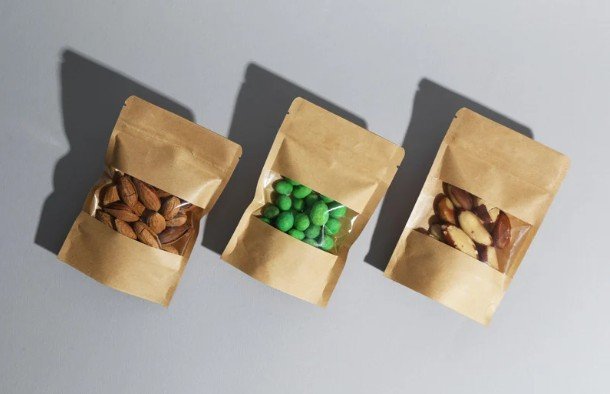
Minimalist packaging has become popular because it feels clean, modern, and confident. Simple fonts, white space, soft colors, and fewer design elements can make a product look more premium.
This trend works especially well for gourmet foods, health products, snacks, sauces, coffee, dairy, and private-label items. When packaging looks calm and organized, buyers often assume the product is higher quality. Minimalist design also improves readability, which is important when shoppers compare products quickly.
Transparent Packaging Creates a Freshness Signal
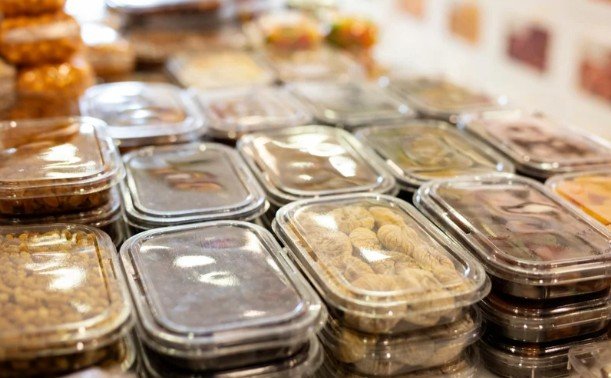
Food buyers like to see what they are buying. Clear windows, transparent containers, and visible product sections can make food feel fresher and more honest.
This is useful for baked goods, grains, snacks, pasta, cheese, produce, frozen foods, and ready-to-eat meals. When the product looks appealing inside the package, buyers feel more confident. Transparency also reduces doubt because shoppers can check color, texture, portion size, and quality before purchase.
Smart Packaging Adds Confidence
Smart packaging is becoming more useful in food retail. QR codes, freshness indicators, scannable labels, and traceability features help buyers learn more about a product. These tools can also help retailers identify high demand food products by tracking customer interest, scan activity, product movement, and repeat purchases.
A QR code can lead shoppers to recipes, sourcing details, allergen information, storage tips, or product origin. This matters because modern buyers often want more information than a small label can hold. Smart packaging also makes brands feel more transparent and current.
Resealable and Portable Packaging Fits Busy Lifestyles
Convenience can strongly influence food purchases. Buyers want packaging that works with real life. Resealable bags, single-serve packs, easy-open lids, lightweight containers, and on-the-go formats make products easier to use.
This trend is especially important for snacks, nuts, frozen foods, breakfast items, lunch products, sauces, and kids’ foods. If a package prevents mess, keeps food fresh, or fits into a bag easily, it can become the deciding factor.
Color Psychology Shapes Food Perception
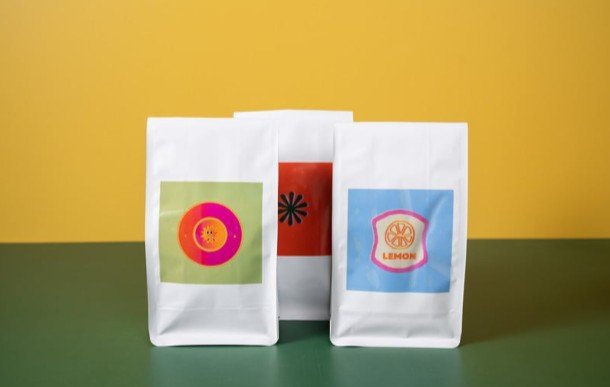
Color affects how shoppers feel before they read a single word. Green often suggests natural or healthy. Black can feel premium. Red can create appetite and urgency. Yellow feels cheerful and affordable. Blue may suggest trust, freshness, or calmness.
Food brands should choose colors based on the product promise. A luxury chocolate brand may need deep, rich tones. A healthy granola brand may need earthy colors. A fun snack brand may need bright, energetic packaging. The wrong color can confuse buyers even if the product is good.
Premium Packaging Helps Private Labels Compete
Private-label food products are no longer trying to look basic. Many now use premium packaging to compete with national brands. Better photography, cleaner labels, stronger claims, and modern fonts can make store-brand products feel more valuable.
This trend influences price perception. If packaging looks polished, buyers may believe the product tastes better or offers better value. For budget-conscious shoppers, premium-looking packaging can make a lower-cost product feel like a smart buy instead of a compromise.
Tamper-Evident Packaging Reassures Safety-Conscious Buyers
Safety matters deeply in food packaging. Tamper-evident seals, secure caps, strong closures, and clear safety labels help buyers feel protected.
This is especially important for sauces, beverages, baby food, dairy, supplements, frozen meals, and ready-to-eat products. When packaging looks secure, buyers trust that the food has been handled properly. Safety signals are not always exciting, but they are essential for confidence.
Nostalgic and Limited-Edition Packaging Creates Emotion
Some packaging trends work because they make buyers feel something. Retro designs, seasonal packaging, limited-edition flavors, and collectible designs can create excitement.
Nostalgic packaging works well because it reminds shoppers of familiar memories. Limited-edition packaging works because it creates urgency. These designs can increase impulse buying, especially for snacks, candy, beverages, cereals, and holiday foods.
Packaging Mistakes That Push Buyers Away
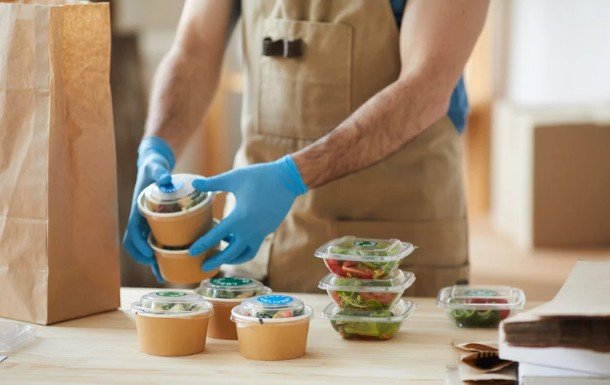
Bad packaging can reduce trust quickly. Common mistakes include tiny text, confusing claims, dull colors, cheap-looking materials, hard-to-open seals, crowded design, unclear ingredients, and weak product photos.
Buyers also dislike packaging that looks wasteful or misleading. If a large box contains very little product, shoppers may feel disappointed. If a label makes bold claims without clarity, buyers may lose trust. Good packaging should feel honest, useful, and easy to understand.
How Brands Can Use Packaging Trends Wisely
The smartest brands do not follow every trend at once. They choose packaging features based on the buyer, product type, and shelf environment.
A healthy snack may need clear nutrition claims, resealable packaging, and natural colors. A gourmet sauce may need premium glass packaging, elegant typography, and visible ingredients. A family-size frozen meal may need convenience cues, serving details, and strong freshness signals.
The goal is not just to look trendy. The goal is to reduce buyer hesitation. That is the real power behind Food Product Packaging Trends That Influence Buyers.
Frequently Asked Questions
1. What are Food Product Packaging Trends That Influence Buyers?
They are packaging changes that affect how shoppers notice, trust, compare, and choose food products, such as sustainable materials, clear labels, smart packaging, resealable formats, and premium design.
2. How does packaging affect food buying behavior?
Packaging affects first impressions, trust, freshness perception, quality expectations, and convenience. A clear, attractive, and useful package can make shoppers feel more confident about buying.
3. What packaging attracts customers most?
Packaging that is easy to read, visually appealing, honest, practical, and aligned with the product usually attracts customers best. Clear claims, strong colors, and visible food details can help.
4. Why is sustainable food packaging important?
Sustainable packaging shows that a brand understands modern buyer values. It can improve trust, reduce guilt, and make a product feel more responsible.
5. Do QR codes help food packaging perform better?
Yes, when used well. QR codes can give buyers extra information about ingredients, sourcing, recipes, freshness, allergens, and brand story without crowding the label.
Final Thoughts
I believe great packaging works because it respects the buyer’s time. It helps people understand the food, trust the brand, and feel good about the choice. When packaging is clear, useful, safe, and attractive, it does more than protect the product. It helps sell the product before the shopper even tastes it.