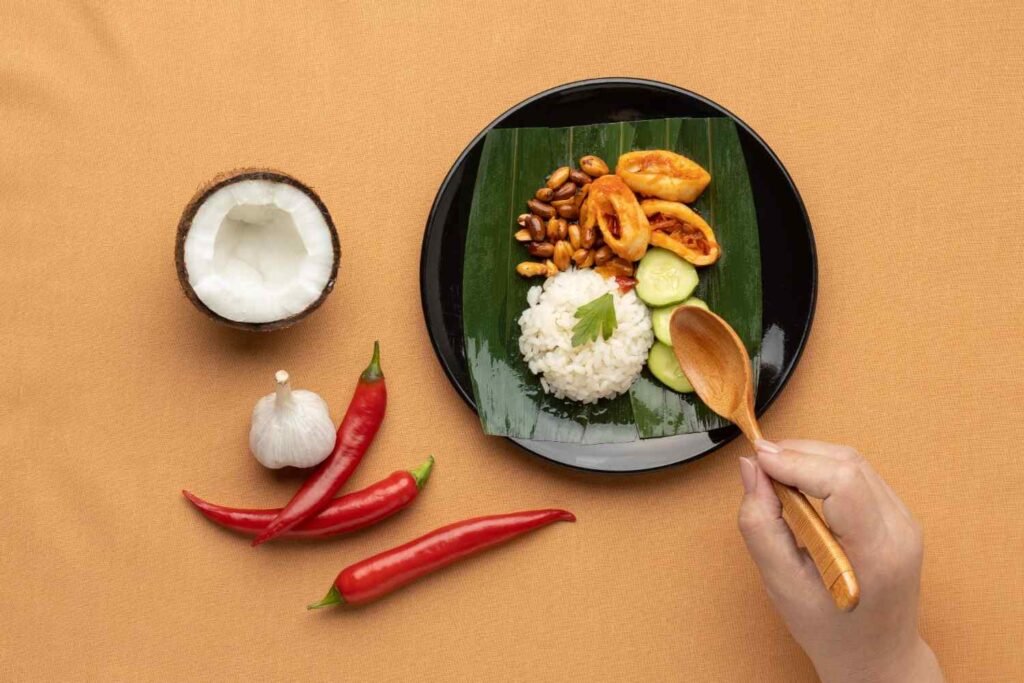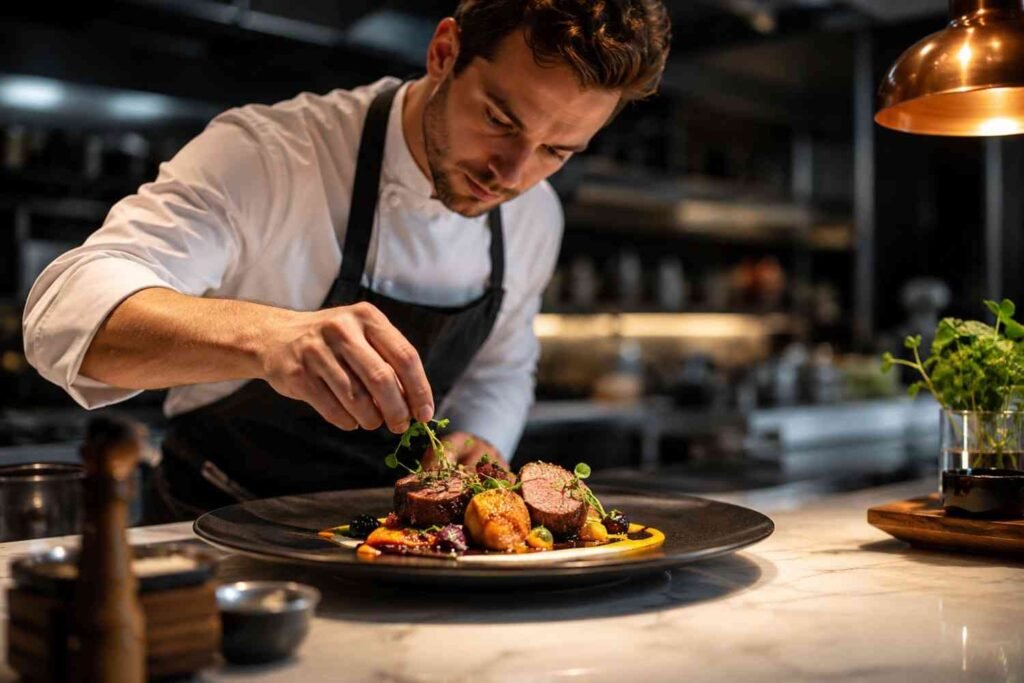
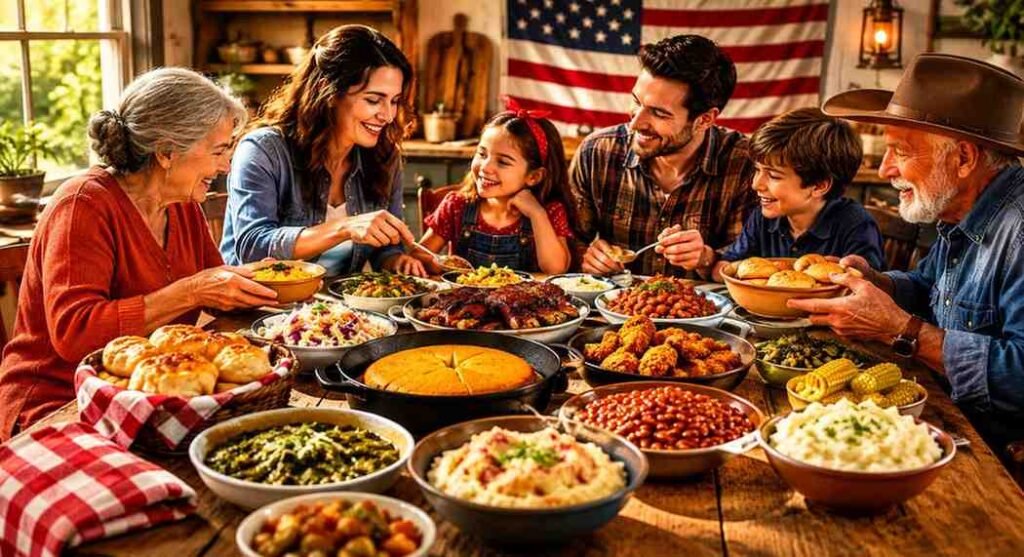
Food trends change constantly now. One season, everyone wants oversized milkshakes and viral desserts, and a few months later, the attention shifts somewhere else. But despite all the experimentation happening in restaurants and social media food culture, traditional flavors continue to survive. In fact, many people are returning to them more intentionally than before. There is something deeply grounding about food that carries memory, place, and history in every bite.
That is exactly why heritage food culture still matters today. It protects recipes that were never written down, preserves ingredients that industrial farming nearly erased, and keeps communities connected through cooking. You can see it in family-owned diners, immigrant bakeries, neighborhood food festivals, Indigenous kitchens, and even modern restaurants that are rejecting overly commercialized dining trends. Interestingly, this return to authenticity also connects with evolving modern hospitality trends, where diners now value emotional experiences and cultural storytelling as much as presentation.
Why Traditional Flavors Continue To Survive?
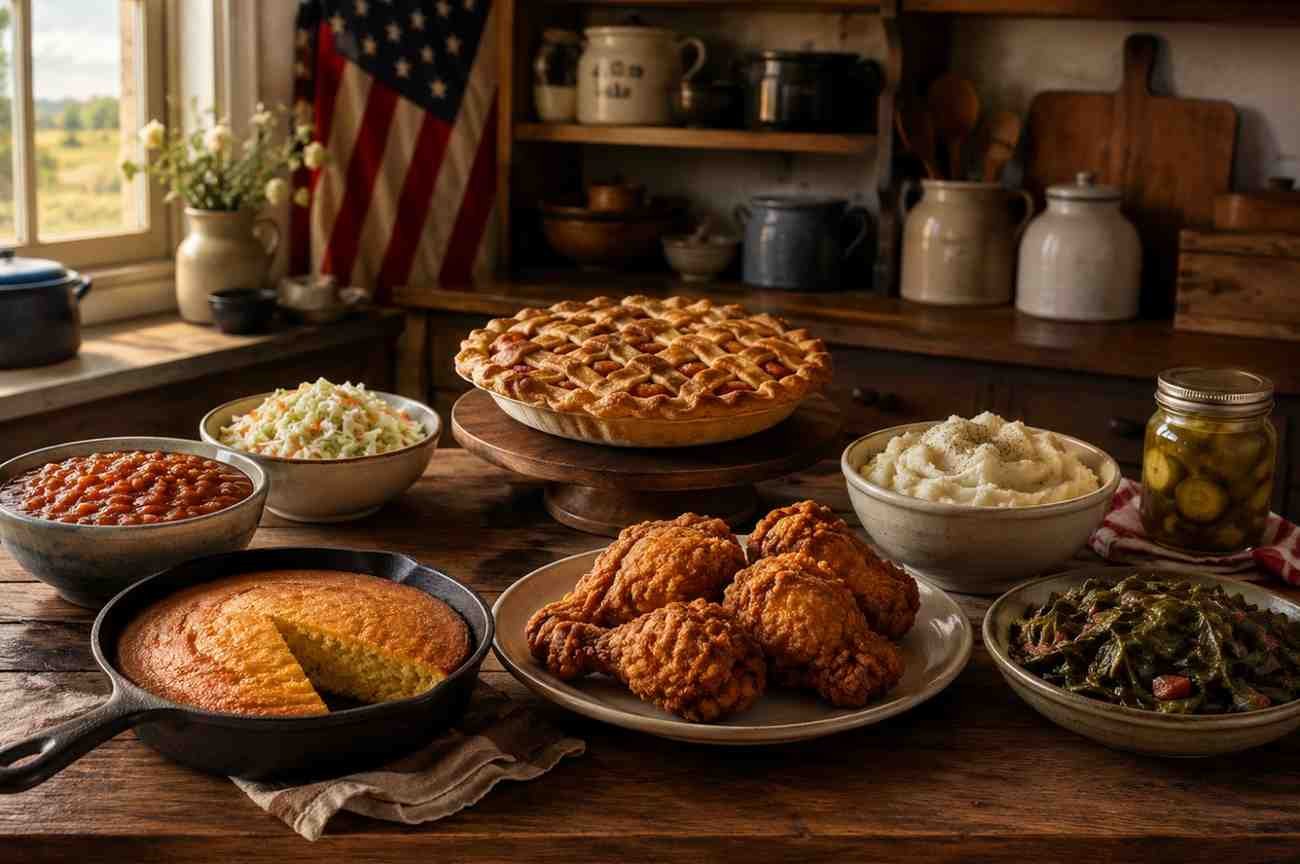
Family Cooking Still Shapes Food Identity
One of the biggest reasons traditional food culture survives is simple: people continue cooking at home. Many recipes pass through generations orally rather than through formal cookbooks. A grandmother teaching a sauce technique or a parent explaining how dough should feel by hand becomes part of cultural preservation.
These cooking habits do more than create meals. They protect identity. Traditional flavors often survive because families associate them with celebrations, migration stories, holidays, or childhood comfort. Even younger generations raised around convenience foods often return to these meals later because they feel emotionally familiar.
That emotional attachment is difficult for a trend-driven dining culture to replace.
Food Memory Creates Long-Term Demand
Heritage dishes often become sensory memories. The smell of smoked meat, fresh tortillas, seafood stew, or slow-cooked rice can instantly reconnect people with specific places or family experiences.
This is why heritage cuisine remains commercially strong even in modern cities. People actively seek food that reminds them of home, culture, or family history. Restaurants centered around traditional recipes understand this emotional connection very well.
Instead of chasing trends alone, many successful food businesses now focus on authenticity and cultural depth.
The Role Of Immigrant Food Businesses
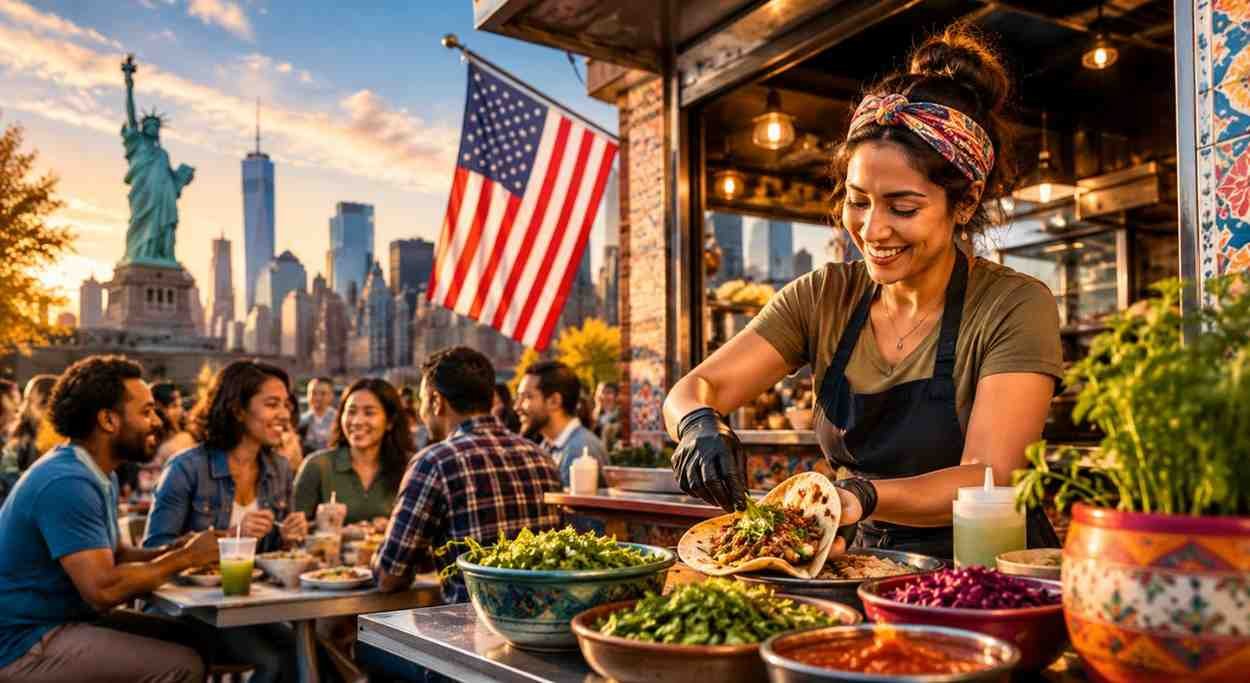
Small Food Shops Preserve Regional Flavors
Immigrant-owned grocery stores, bakeries, butcher shops, and street food vendors quietly play a major role in preserving heritage food culture. These businesses often become local hubs where traditional ingredients and cooking methods remain accessible.
Many authentic flavors would disappear without these smaller food ecosystems. Specialty spices, imported grains, fermented ingredients, regional sauces, and traditional breads are usually maintained through these independent businesses rather than large food chains.
In many neighborhoods, these stores also help younger generations stay connected to cultural food traditions even while growing up in completely different environments.
Restaurants Are Becoming Cultural Spaces
Modern heritage restaurants are changing, too. Instead of heavily adapting dishes for mainstream expectations, many chefs now serve recipes much closer to their historical roots.
This shift is especially visible in Indigenous cuisine, regional barbecue traditions, Creole cooking, Appalachian food culture, and immigrant-led restaurants that prioritize authenticity over trend appeal. Diners are responding positively because the experience feels more personal and genuine.
Restaurants today are not only serving meals. Many are acting as cultural archives.
Traditional Ingredients Matter More Than Ever
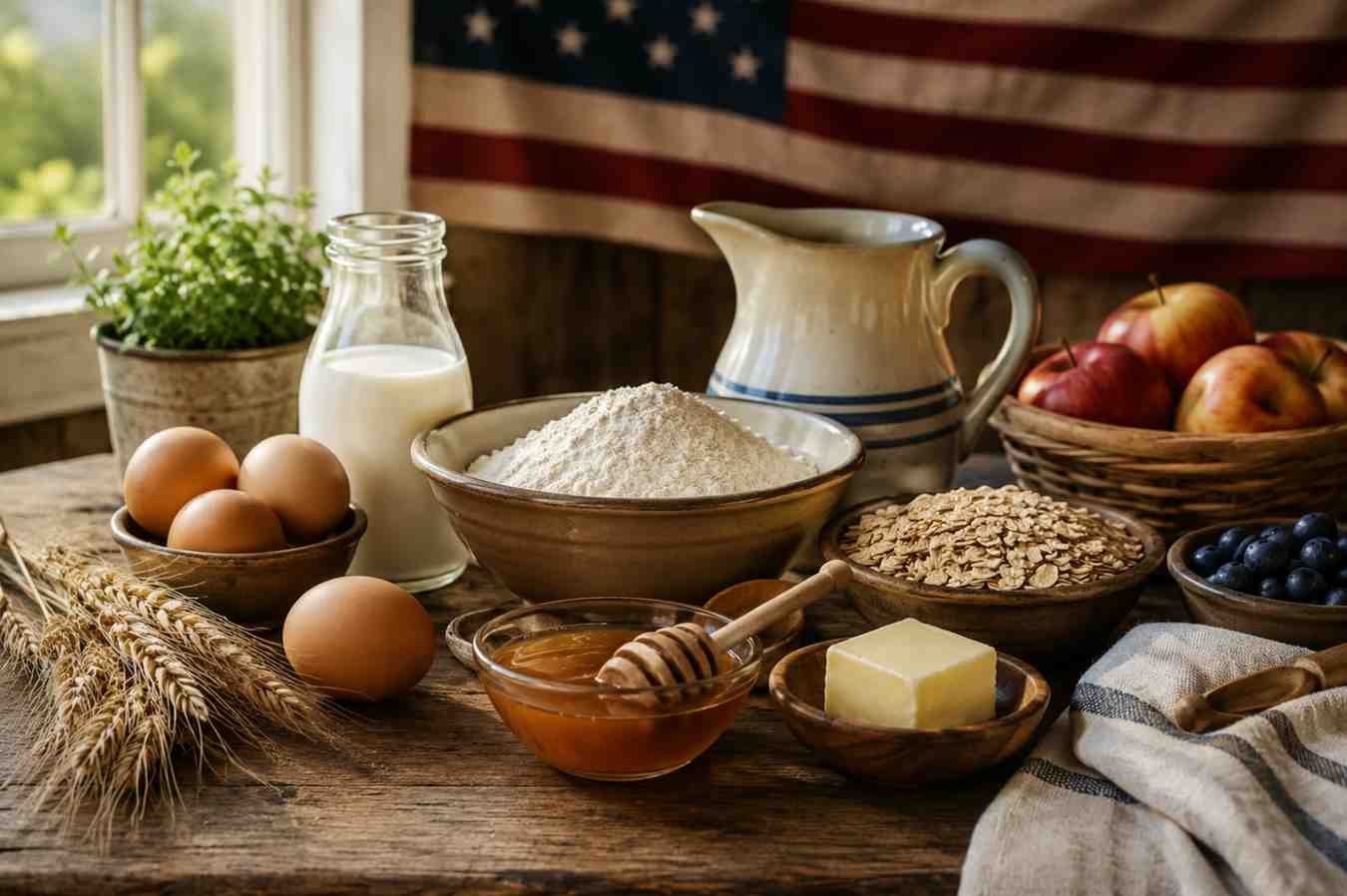
Heirloom Farming Is Protecting Flavor
A major part of culinary heritage depends on the ingredients themselves. Heirloom crops, native grains, and historical livestock breeds often carry flavors that modern commercial agriculture lost decades ago.
That is why many small farms are now focusing on revivalist farming methods. Some growers are recreating older agricultural environments specifically to preserve endangered crops and heritage ingredients. Indigenous farming communities have also played an important role in protecting ancestral seeds and maintaining biodiversity.
Without these preservation efforts, many traditional recipes would lose their original flavor profiles entirely.
Artisanal Sourcing Keeps Authenticity Alive
Chefs focused on heritage cuisine often rely on specialized sourcing networks to maintain authenticity. Certain spices, ferments, grains, or oils simply cannot be replaced easily with mass-market substitutes.
That attention to ingredients is becoming increasingly important in modern dining. Customers are more aware now when food feels overly processed or disconnected from its roots. Authentic sourcing helps preserve not just taste but also the integrity of traditional recipes.
Heritage Food Culture Continues To Adapt
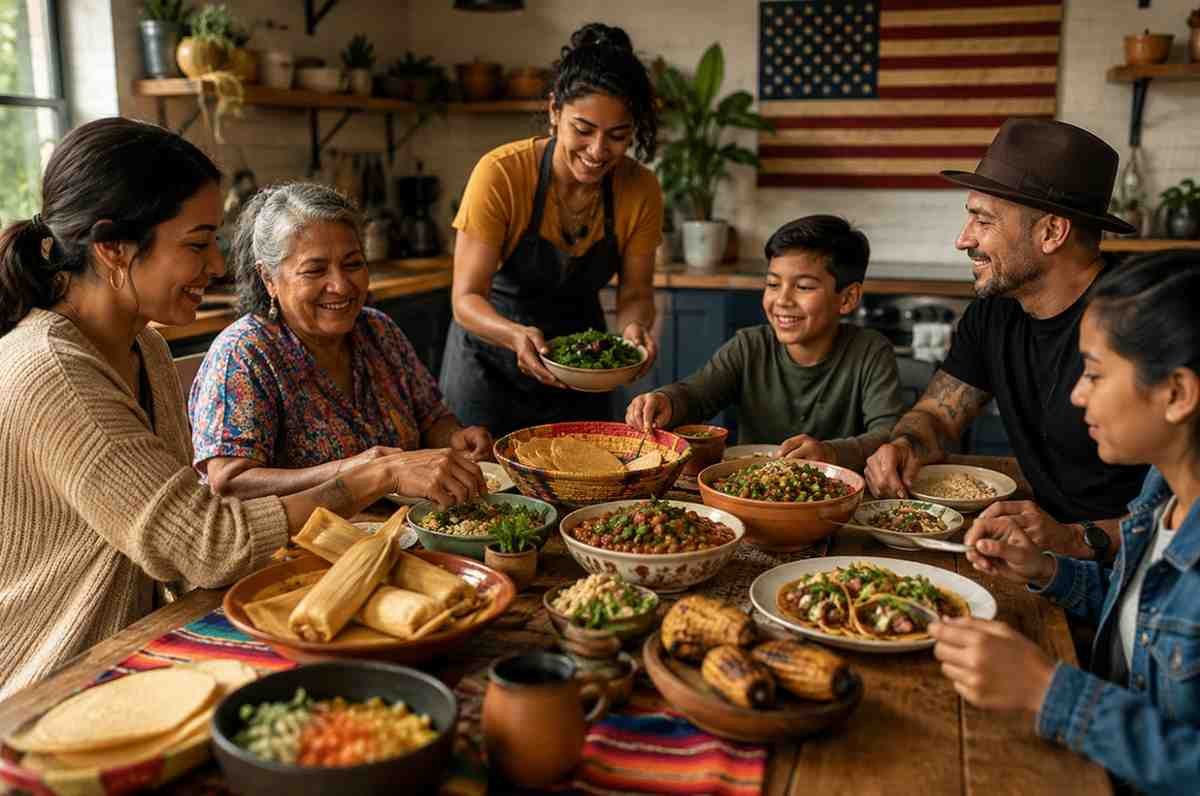
The Gastro-Diaspora Effect
One interesting reality about traditional cuisine is that it constantly evolves. Immigrant communities frequently adapt recipes using locally available ingredients while still protecting the original cooking style and flavor balance.
This is sometimes called the gastro-diaspora effect. A dish may change slightly because certain vegetables, spices, or meats are unavailable, but the emotional identity of the food remains intact.
Many iconic regional dishes actually developed this way over time. Heritage food culture survives partly because it adapts carefully instead of staying frozen in the past.
Younger Diners Want Authentic Experiences
Younger consumers are also helping traditional flavors stay relevant. Many are becoming tired of overly curated food trends designed mainly for social media attention.
Instead, they are looking for:
- regional comfort food
- handcrafted meals
- slow cooking techniques
- authentic dining experiences
- food with cultural stories behind it
That shift explains why heritage restaurants, artisan bakeries, and traditional food markets are attracting stronger interest now compared to heavily trend-focused concepts.
Festivals And Community Events Keep Traditions Visible
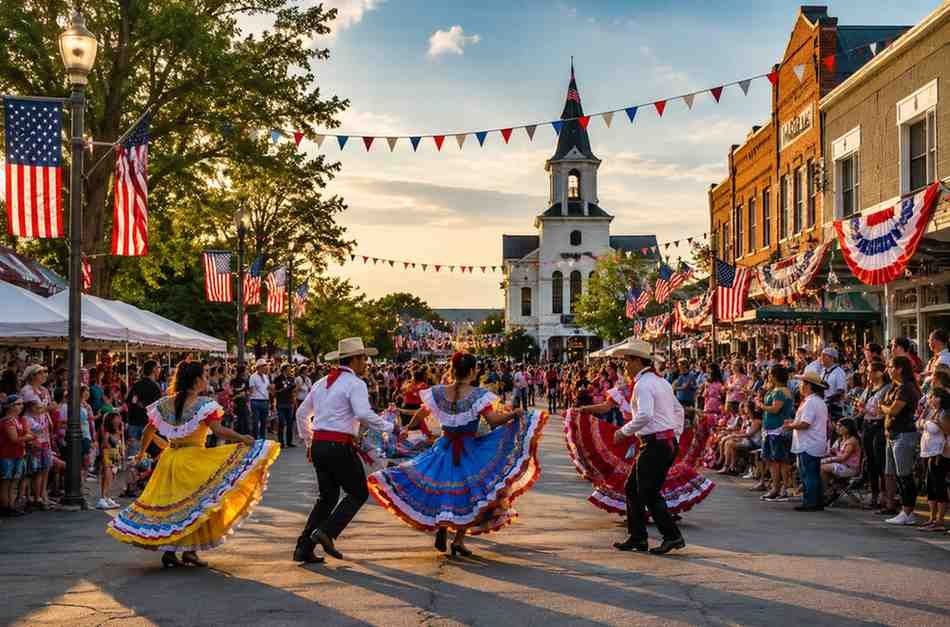
Food Festivals Pass Traditions Forward
Community food festivals remain one of the strongest tools for preserving culinary heritage. Events centered around regional barbecue, seafood traditions, Indigenous cooking, Italian street food, Southern comfort food, or cultural harvest celebrations expose younger audiences to recipes they may not experience regularly at home.
These gatherings also reinforce collective identity. Food becomes more than consumption during these events. It becomes storytelling, memory, and cultural participation happening publicly.
Cookbooks And Culinary Archives Matter Too
Another major preservation method comes through culinary memoirs and recipe archives. Chefs, historians, and food writers are increasingly documenting traditional regional recipes before they disappear.
This documentation matters because many older cooking methods were historically passed down verbally. Without written records, certain techniques and ingredient combinations could easily vanish within one or two generations.
Why Heritage Food Culture Will Continue Growing
Heritage food culture continues to survive because people are searching for connection in their dining experiences again. Traditional flavors offer something that fast-moving food trends usually cannot provide: emotional permanence. They carry family memory, migration history, regional identity, and cultural pride in a way that feels deeply human.
Food trends will continue evolving, but traditional flavors are unlikely to disappear. As long as communities continue cooking, adapting, documenting, and sharing their culinary heritage, those flavors will keep finding new generations to belong to.
FAQs: How Heritage Food Culture Keeps Traditional Flavors Alive
1. Why is heritage food culture important?
Heritage food culture preserves cultural identity, family traditions, and traditional cooking knowledge while helping communities maintain authentic regional flavors across generations.
2. How do immigrant communities preserve traditional cuisine?
Immigrant communities preserve traditional cuisine through family recipes, local grocery stores, bakeries, restaurants, festivals, and specialized ingredient sourcing networks.
3. What are heirloom ingredients in heritage cuisine?
Heirloom ingredients are traditional crop varieties or livestock breeds preserved for their original flavor, cultural significance, and historical connection to regional cooking.
4. Why are younger diners interested in traditional food again?
Many younger diners want authentic dining experiences, emotional connection, handcrafted meals, and food that feels more meaningful than temporary online trends.
Final Thoughts
Heritage food culture survives because it gives people continuity in a world where food trends constantly shift. Traditional flavors carry emotional weight that cannot be replicated through mass-produced dining concepts or short-lived viral recipes. Whether it comes from family kitchens, immigrant-owned bakeries, Indigenous farming practices, or heritage restaurants protecting historical recipes, cultural food traditions continue to create a strong sense of belonging for people across generations.
The future of dining will likely keep evolving, but authenticity is becoming harder for people to ignore. And that is exactly why traditional flavors continue finding their way back onto modern tables.