Buying the biggest bag or box automatically meant I was saving money. Then I learned the hard way that a deal is only a deal if I can store it, use it, and keep it fresh. That is why Bulk Food Buying: Benefits, Risks, and Smart Tips matters for anyone who wants a smarter pantry, lower grocery bills, and less food waste.
Buying in bulk can be a powerful habit, especially when grocery prices feel unpredictable. It can help families plan meals, reduce last-minute store runs, and keep everyday staples ready. But it also comes with risks if you buy too much, choose the wrong foods, or ignore storage rules.
What Does Bulk Food Buying Really Mean?
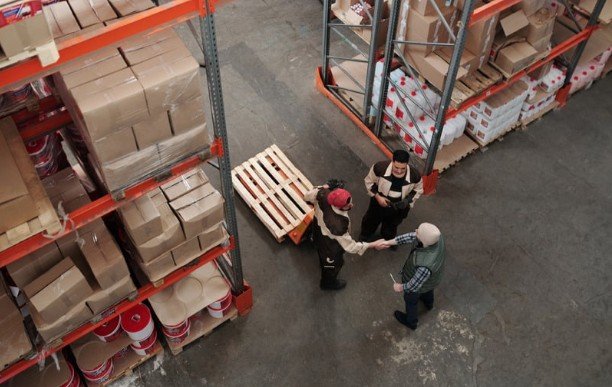
Bulk food buying means purchasing larger quantities of food than you normally would. This can happen at warehouse clubs, grocery bulk bins, wholesale suppliers, food co-ops, restaurant supply stores, or online specialty food sellers.
It does not always mean buying giant packages. Sometimes, it means buying loose grains, spices, nuts, dried fruit, or beans by weight. Other times, it means buying multi-packs of canned goods, frozen foods, rice, flour, pasta, or cooking oil.
The goal is simple: pay less per serving and make shopping more efficient. But smart bulk shopping starts with planning, not impulse buying.
Why Bulk Food Buying Is Becoming Popular
Many shoppers are looking for ways to stretch their grocery budget without cutting quality. Bulk buying can help because larger packages often have a lower unit price. When you compare the cost per ounce, pound, or serving, you can see whether the larger option actually saves money.
It is also popular because it supports meal planning. If you cook rice, oats, pasta, or beans every week, buying those staples in larger quantities makes sense. You spend less time restocking and more time preparing meals.
Another reason is pantry security. A stocked pantry can make busy weeks easier. When you already have canned tomatoes, lentils, flour, frozen vegetables, and basic seasonings, you can build simple meals without another grocery trip.
Main Benefits of Buying Food in Bulk
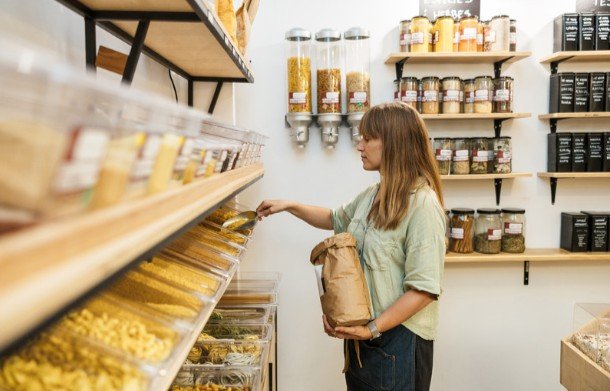
One major benefit is cost savings. Bulk staples often cost less per serving, especially dry goods, canned foods, and frozen basics. This works best when the food is something you already use often.
Another benefit is convenience. Fewer shopping trips can save time, fuel, and energy. For busy households, that matters. It also helps when packing lunches, planning family dinners, or cooking in batches.
Bulk buying can also reduce packaging waste. Larger containers and bulk-bin purchases may use less packaging than multiple small packs. This works especially well when you store food in reusable containers at home.
It can also make healthy eating easier. When your pantry has oats, beans, rice, lentils, whole grains, and frozen vegetables, it becomes easier to cook balanced meals instead of ordering takeout.
The Risks You Should Not Ignore
Storage space is another issue. Bulk food takes room. If your pantry, freezer, or cabinets are already full, large packages can create clutter. When items get buried, you may forget what you own and buy duplicates.
There is also a higher upfront cost. A large purchase may save money over time, but it can strain a weekly grocery budget. This is especially true if you buy several bulk items at once.
Some foods lose freshness quickly. Nuts, whole grain flours, brown rice, oils, and spices can turn stale or rancid if stored too long. Dry goods can also attract pests if they are not sealed properly.
Best Foods to Buy in Bulk
The safest bulk buys are foods with a long shelf life and regular use in your kitchen. Rice, beans, lentils, oats, pasta, canned tomatoes, canned beans, sugar, salt, and flour are strong choices when stored correctly.
Frozen vegetables and frozen fruit are also useful because they last longer than fresh produce and reduce prep time. They work well for soups, smoothies, casseroles, stir-fries, and quick sides.
Cooking basics like vinegar, broth, peanut butter, and some condiments can be good bulk buys, but only if your household uses them often. Spices can be useful too, but avoid huge containers unless you cook with them regularly.
Foods to Be Careful With
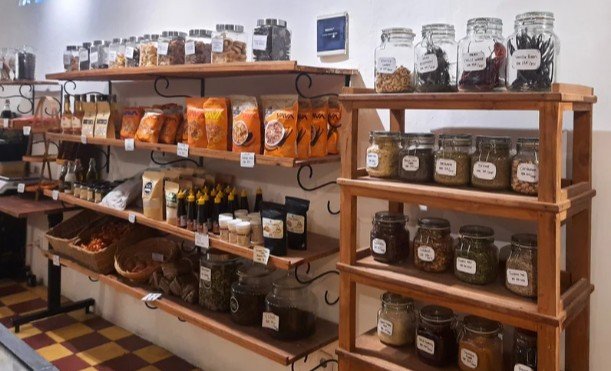
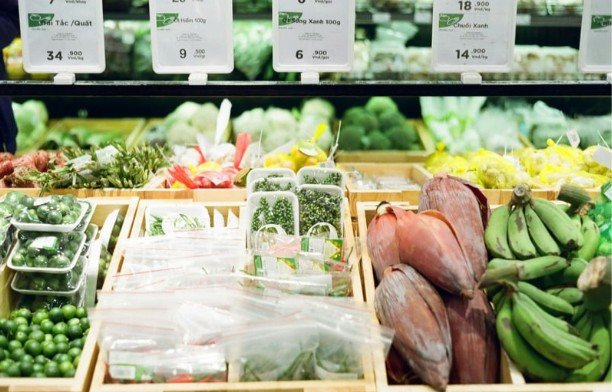
Fresh produce is risky unless you have a clear plan. A big bag of apples, potatoes, or onions may work for some families, but delicate greens, berries, and fresh herbs can spoil fast.
Dairy products should also be purchased carefully. Large tubs of yogurt, cheese, milk, or cream may not be worth it if they expire before you finish them.
Be cautious with snacks. Large packs of chips, cookies, candy, or crackers can lead to overeating or go stale once opened. Bulk buying works best when it supports your actual meals, not just impulse cravings.
Smart Tips for Bulk Food Buying
Before buying, check the unit price. Do not assume the largest package is always cheaper. Compare the cost per ounce, pound, or serving. Buy what you already use. A 10-pound bag of a new grain or flour is not the best way to experiment. Start small first. If your household likes it, then consider buying more.
Use airtight containers for dry goods. Clear containers help you see what you have and protect food from moisture and pests of stored products. Label each container with the purchase date and expiration date. Follow the first-in, first-out method. Place older items in front and newer items behind. This small habit prevents forgotten food from expiring in the back of the pantry.
Freeze what you cannot use quickly. Bread, nuts, flour, shredded cheese, cooked grains, and meat can often be frozen in smaller portions. This helps protect your savings. Split large purchases with friends, relatives, or neighbors. This gives you the lower bulk price without forcing you to store more food than you need.
How to Build a Bulk Pantry Without Waste
Start with five staples you use every week. For most kitchens, that might include rice, oats, pasta, beans, and canned tomatoes. Once you know those items rotate well, add more slowly. Keep a simple pantry list on your phone. Write down what you have and what needs to be used soon. This prevents repeat purchases and helps with meal planning.
Plan meals around what is already stocked. If you have lentils, rice, canned tomatoes, and frozen vegetables, you can make soups, bowls, curries, and casseroles without extra shopping. This is where Bulk Food Buying: Benefits, Risks, and Smart Tips becomes practical. It is not about filling every shelf. It is about buying with purpose, storing with care, and cooking with a plan.
Frequently Asked Questions
1. Is bulk food buying always cheaper?
No. It is cheaper only when the unit price is lower and you use the food before it spoils. Storage space, expiration dates, and household habits matter.
2. What foods should I avoid buying in bulk?
Be careful with fresh produce, dairy, soft bread, snacks, rare spices, oils, nuts, and whole grain flours. These can spoil, go stale, or lose quality if stored too long.
3. How do I store bulk food safely?
Use airtight containers, label dates clearly, keep dry goods in a cool place, freeze extra portions, and rotate older items first.
4. Is Bulk Food Buying: Benefits, Risks, and Smart Tips useful for small households?
Yes. Small households can benefit by focusing on shelf-stable staples, frozen foods, and items used every week instead of large perishable packs.
5. What is the biggest bulk buying mistake?
The biggest mistake is buying because something looks cheap, not because you have a realistic plan to use it.
A Smarter Way to Stock Your Pantry
I like bulk buying when it makes daily life easier, not when it turns my pantry into a storage problem. The best approach is simple: buy familiar foods, check the unit price, store everything properly, and avoid buying more than you can use.
Bulk Food Buying: Benefits, Risks, and Smart Tips is really about balance. When you shop with a plan, bulk buying can save money, reduce waste, and make home cooking feel easier. When you shop without a plan, it can create clutter, spoilage, and lost savings. The smartest pantry is not the fullest one. It is the one that works for your real life.