Starting a food retail business feels exciting until the first wholesale order becomes real. I remember how confusing it can feel to compare suppliers, case sizes, delivery terms, and profit margins all at once. That is why Wholesale Food Buying Tips for New Retailers matter so much before you spend money on inventory that may not move fast enough.
Buying wholesale is not just about getting a lower price. It is about choosing products your customers want, protecting your cash flow, and avoiding waste. A smart first order can help your store feel stocked and professional. A poor one can leave you with expired items, tight storage, and weak profits.
What Wholesale Food Buying Really Means
Wholesale food buying means purchasing products in larger quantities from distributors, suppliers, manufacturers, or food marketplaces at reduced prices. Retailers then resell those products at a markup.
For new stores, this may include shelf-stable snacks, beverages, pantry staples, frozen foods, specialty ingredients, local products, or private-label items. The key is not to buy everything at once. The goal is to start with products that have clear demand, reliable shelf life, and healthy profit potential.
Why New Retailers Make Costly Buying Mistakes
Many first-time retailers assume the lowest case price is always the best deal. That is rarely true. A product with a low wholesale cost can still hurt your business if it has high delivery fees, short shelf life, slow customer demand, or poor packaging.
Another common mistake is ordering too much too soon. Suppliers may encourage larger orders because bulk pricing looks attractive, but new retailers need sales data before committing heavily. Until you know what your customers actually buy, smaller test orders are safer.
Types of Wholesale Food Suppliers to Consider

New retailers usually have several supplier options. Food service distributors carry a wide range of products, making them useful for general grocery or convenience stores. Specialty suppliers focus on niche categories such as gourmet foods, organic products, imported ingredients, baked goods, or health-focused snacks.
Local producers can help your store stand out with fresh, community-based products. Online wholesale marketplaces are useful for comparing prices and discovering new brands. Direct manufacturer buying can offer better margins, but it may require higher order volumes.
The best choice depends on your store size, target customer, storage space, and product category.
Wholesale Food Buying Tips for New Retailers Before the First Order
Before placing your first order, ask each supplier clear questions. What is the minimum order quantity? Are there delivery fees? How often do prices change? What is the return policy for damaged or expired goods? Can you get samples? What payment terms are available?
You should also ask about shelf life, packaging, temperature control, order cut-off times, and delivery windows. These details matter because food retail depends on timing. A late delivery or unclear expiration date can create instant losses.
How to Compare Wholesale Prices Correctly
Do not compare products only by case price. Compare the true landed cost. That includes the wholesale price, shipping, delivery fees, storage cost, spoilage risk, and labor needed to receive and stock the item.
For example, a snack case may look affordable, but if the pack size is too large for your shelf space or the product sells slowly, your money stays trapped in inventory. A slightly more expensive item with faster turnover may be more profitable.
Your margin should also be clear before buying. Calculate your retail price, expected markup, and possible discounts. If the numbers do not leave enough room for profit, skip the product.
How Much Inventory Should You Buy First?
Start small and test demand. Your first goal is not to impress customers with endless variety. Your first goal is to learn what sells.
Choose a limited number of reliable items across practical categories. Shelf-stable goods, drinks, snacks, sauces, baking basics, and everyday pantry products are easier to manage than highly perishable foods. If you sell fresh or frozen items, make sure you have proper storage and a realistic sales plan.
Track weekly sales, slow-moving products, returns, and customer requests. This data will help you reorder smarter.
Best Product Categories for New Food Retailers
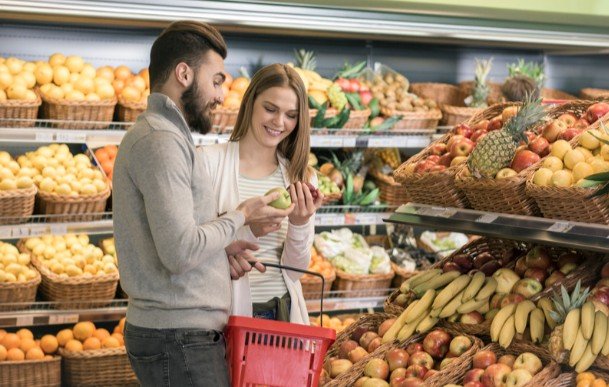
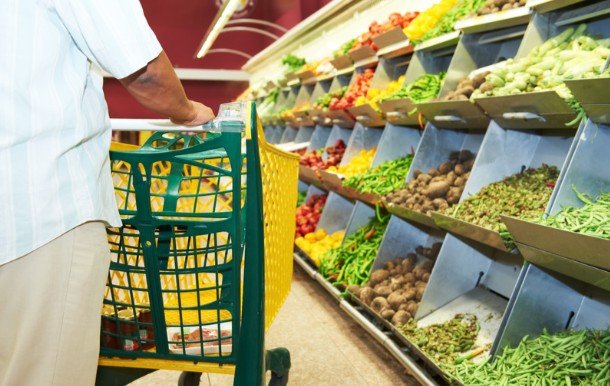
The safest starting categories often include products customers buy repeatedly. Think packaged snacks, beverages, breakfast items, condiments, pasta, rice, canned goods, coffee, tea, frozen basics, and grab-and-go foods.
Specialty products can also work well if they match your audience. Gourmet oils, premium sauces, gluten-free items, plant-based foods, local honey, artisan pasta, or imported snacks can give your store personality. Just avoid filling shelves with niche products before you know your customer base.
Mistakes to Avoid When Buying Wholesale Food
One major mistake is ignoring expiration dates. Always check shelf life before ordering, especially for dairy, frozen products, baked goods, sauces, and seasonal foods.
Another mistake is choosing suppliers without checking reliability. A supplier may offer great pricing but still cause problems with late deliveries, missing items, poor communication, or inconsistent quality.
Do not skip samples when available. A product may look good on a sell sheet but fail in taste, packaging, or customer appeal. Also avoid depending on only one supplier. Having backup options protects your store from stockouts.
Building Better Supplier Relationships
Good suppliers can become long-term business partners. Pay invoices on time, communicate clearly, and share feedback. Ask about seasonal products, upcoming price changes, promotional deals, and slower-moving inventory that may be available at a discount.
As your store grows, you may be able to negotiate better pricing, lower minimum orders, improved delivery schedules, or extended payment methods. Strong relationships can give you more flexibility than one-time price shopping.
Questions to Ask Every Wholesale Food Supplier
Ask these before committing:
- What are your minimum order requirements?
- Do you offer samples before bulk orders?
- How do you handle damaged or expired products?
- What are your delivery days and cut-off times?
- Are prices fixed or subject to frequent change?
- Do you provide product photos, nutrition details, and barcodes?
- Can I start with a smaller opening order?
- What products sell best for stores like mine?
These questions help you spot professional suppliers and avoid risky ones.
Frequently Asked Questions
1. What are the best Wholesale Food Buying Tips for New Retailers?
Start with small test orders, compare true landed cost, ask about minimum order quantities, check shelf life, request samples, and track sales before reordering in larger quantities.
2. How do small stores find food suppliers?
Small stores can find suppliers through wholesale directories, trade shows, local producers, distributor websites, business referrals, food marketplaces, and regional grocery associations.
3. Should I choose the cheapest wholesale food supplier?
Not always. The cheapest supplier may have poor delivery service, weak quality control, high fees, or limited return options. Reliability matters as much as price.
4. How much profit should I add to wholesale food?
It depends on the product category, competition, shelf life, and demand. Always calculate your selling price after including delivery, waste risk, storage, and operating costs.
Smart Stocking Starts Here
When I look at wholesale food buying, I see it as a mix of math, timing, and customer awareness. The smartest retailers do not buy more just because a supplier offers a discount. They buy what fits their shelves, their cash flow, and their customers.
Start with products you understand. Test demand before going deep. Build supplier relationships slowly. Most importantly, let real sales data guide your next order. That is how new retailers move from guessing to buying with confidence.