Food used to be simple for most people. Breakfast was rushed, lunch was functional, and dinner was whatever felt convenient after work. But eating habits have changed noticeably over the last few years. People now think more carefully about what they eat, how meals look, where ingredients come from, and even how food makes them feel emotionally. That shift has quietly transformed ordinary routines into something more intentional.
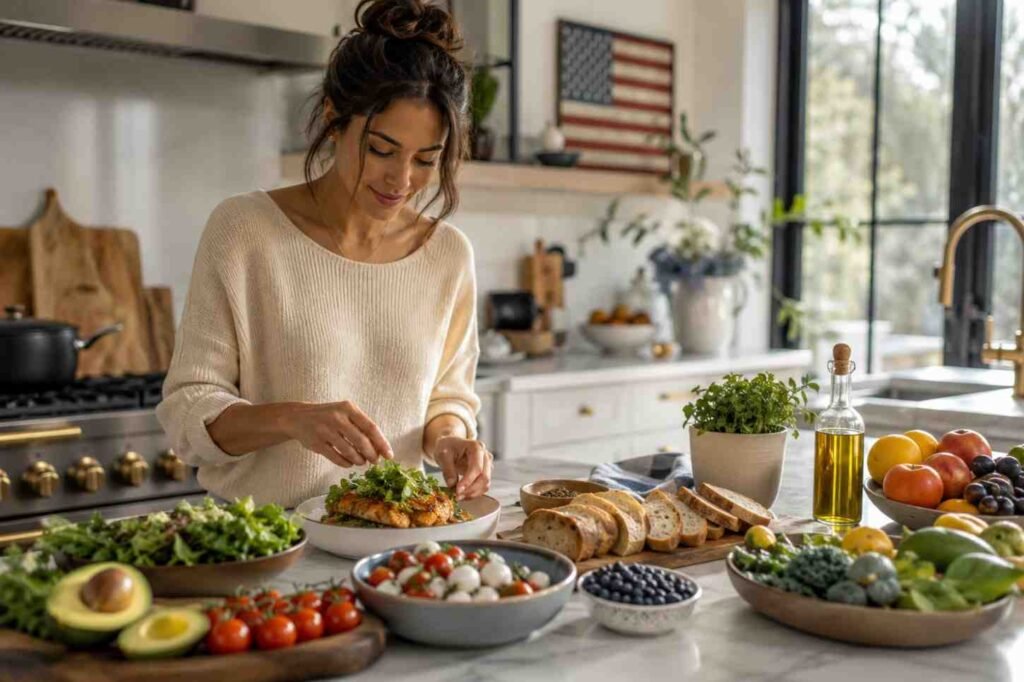
A big reason behind this change is gourmet lifestyle inspiration. What once belonged mainly to luxury restaurants and chef-driven spaces has now entered everyday kitchens. People are recreating elevated dining experiences at home, experimenting with global flavors, and paying more attention to presentation than ever before. Modern food culture has turned ordinary meals into small lifestyle experiences rather than simple daily tasks.
Everyday Eating Feels More Curated Now
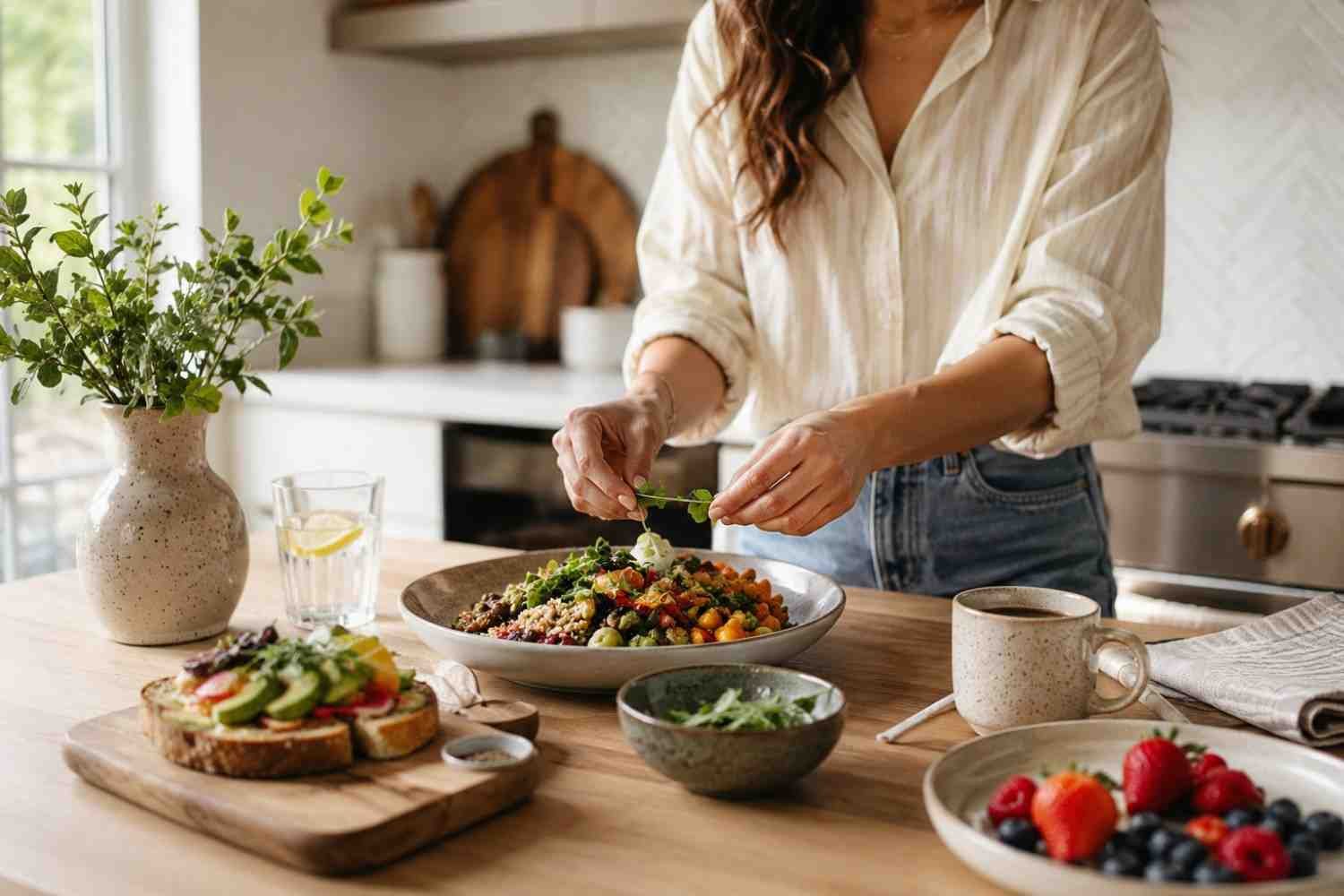
Small Upgrades Are Changing Regular Meals
Most people are not eating at expensive restaurants every night. Instead, they are bringing small premium touches into ordinary meals. That is where upscale food culture has had a major influence on modern dining habits.
A regular grilled cheese sandwich now becomes sourdough bread with aged cheddar and roasted tomatoes. Instant ramen gets upgraded with soft-boiled eggs, sesame oil, scallions, and chili crisp. Even homemade coffee feels more curated with specialty beans and café-style preparation methods.
People are willing to spend slightly more on quality ingredients because those small upgrades make meals feel more satisfying. It is less about luxury spending and more about creating enjoyable food moments during busy routines.
Some common everyday upgrades include:
- Artisanal cheeses instead of processed slices
- Fresh herbs instead of dried seasoning blends
- Specialty olive oils and finishing salts
- Fresh bakery bread over packaged options
- Premium coffee and matcha products
These changes may seem minor individually, but together they have reshaped modern food choices significantly.
Home Kitchens Have Become More Experimental
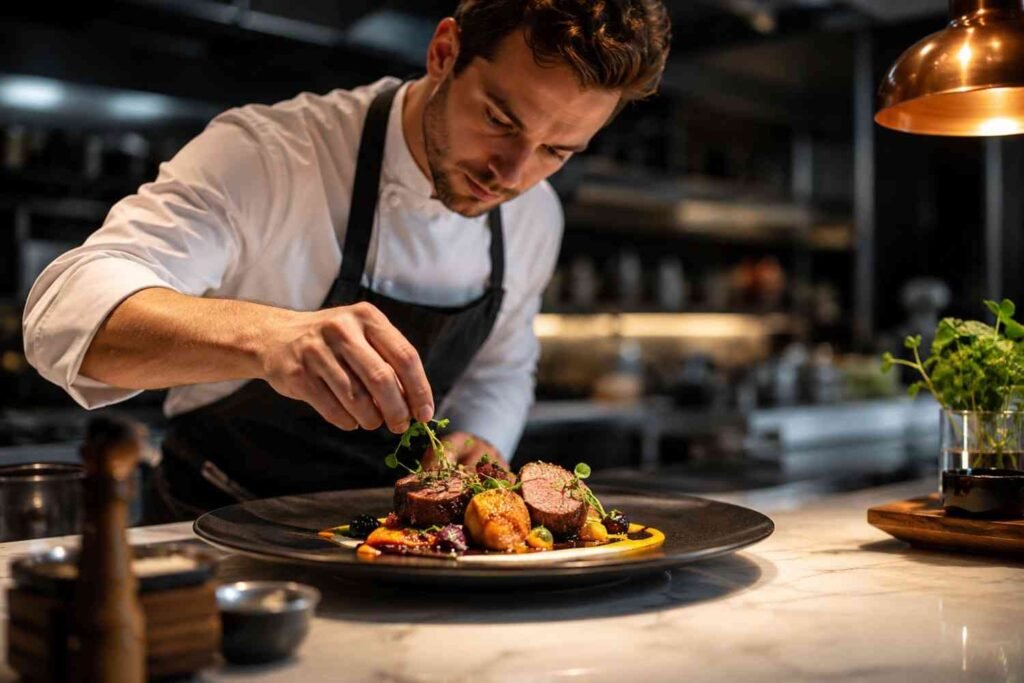
Cooking at home feels very different compared to a decade ago. More people are comfortable trying global recipes, advanced cooking techniques, and restaurant-inspired plating styles.
Short-form cooking videos made gourmet cooking feel accessible. Someone can now learn how to prepare hot honey salmon, whipped ricotta toast, or Korean-inspired rice bowls within minutes. That easy access to culinary knowledge has expanded confidence in home kitchens.
There is also a growing interest in ingredient quality. Consumers are paying closer attention to freshness, sourcing, and flavor instead of focusing only on convenience. Seasonal vegetables, handmade sauces, and specialty pantry staples are becoming part of everyday grocery shopping.
Social Media Changed Food Culture Completely
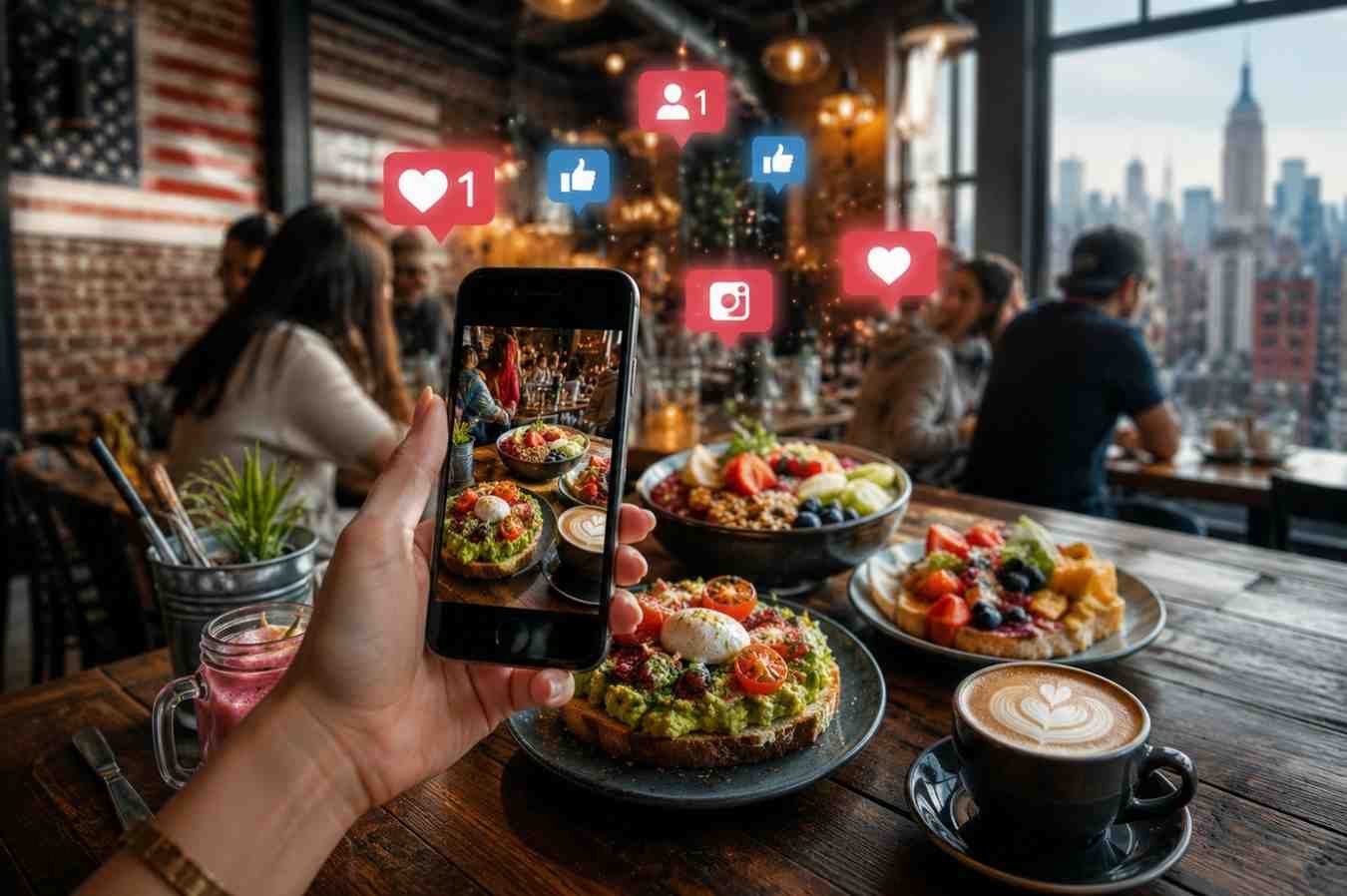
Food Is Now Part Of Visual Lifestyle Culture
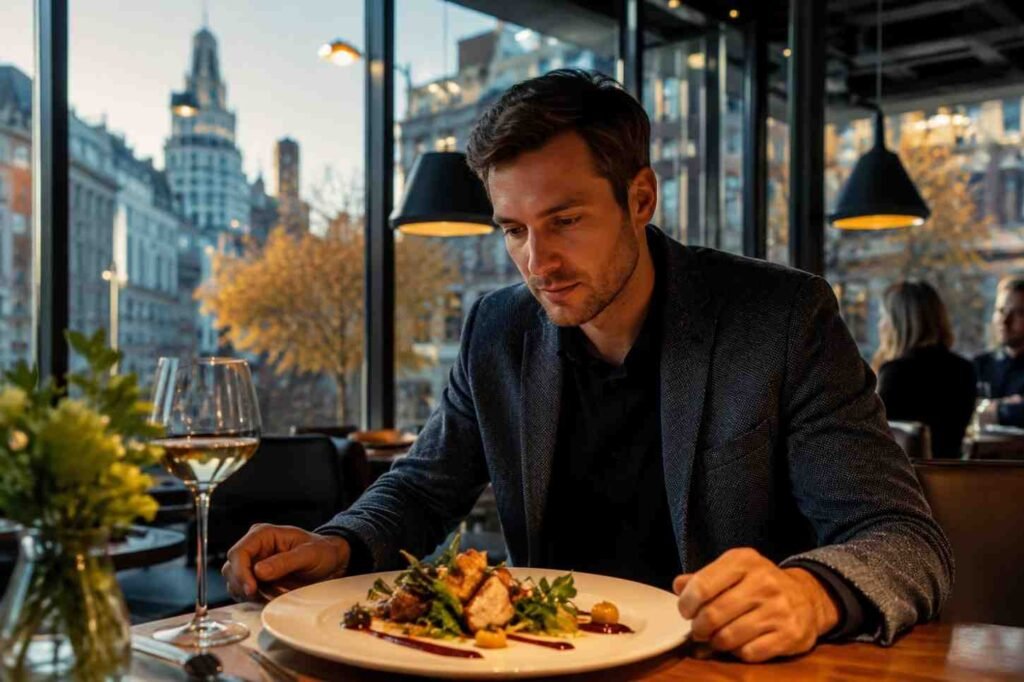
One of the biggest reasons gourmet food trends continue growing is visual influence. People do not just eat meals anymore. They experience them visually first.
Restaurants are often selected because of ambiance, plating, or aesthetics. Grocery shopping is influenced by vibrant ingredients and presentation ideas seen online. Meals prepared at home are carefully arranged rather than casually thrown together.
A simple avocado toast now includes:
- Layered textures
- Color contrast
- Garnishes and herbs
- Structured plating
- Drizzled sauces
This visual approach has changed the food diet across all age groups. Consumers now associate attractive presentation with quality, creativity, and lifestyle identity.
Food aesthetics has also pushed people toward more colorful ingredients, specialty condiments, and curated serving styles. Even weekday lunches are beginning to feel more intentional than purely practical.
Dining Habits Became Part Of Personal Identity
Food choices now reflect personality in the same way fashion or interior design does. Some people identify strongly with wellness-focused meals, while others lean toward artisanal baking, premium coffee culture, or globally inspired comfort food.
That emotional connection explains why experiential dining continues growing so quickly. People want meals that feel aligned with their personal routines and values.
This shows up in many modern habits:
- Wellness bowls replacing fast food lunches
- Specialty coffee rituals are becoming daily routines
- Small-batch pantry products are gaining popularity
- Restaurant-quality home dinners
- Personalized meal preparation styles
People increasingly view food as part self-care, part creativity, and part social experience.
Wellness And Gourmet Eating Are Closely Connected
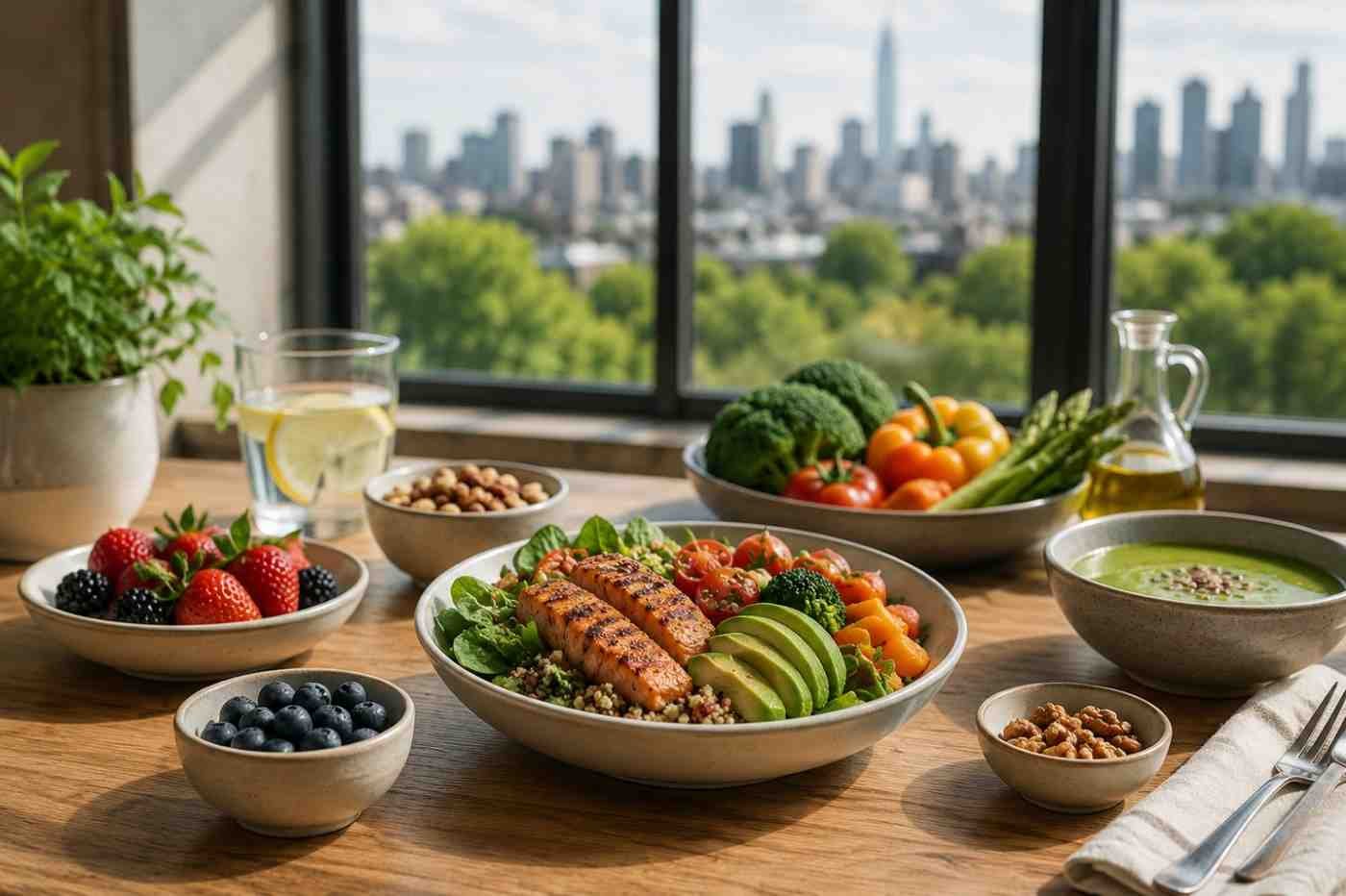
Healthy Meals No Longer Feel Restrictive
Healthy eating used to feel repetitive for many people. Basic salads, bland proteins, and strict meal prep containers dominated wellness culture for years. That perception has changed dramatically.
Modern gourmet lifestyle inspiration blends health-focused eating with flavor, presentation, and creativity. A high-protein lunch now includes roasted vegetables, grain blends, textured toppings, and scratch-made sauces instead of plain ingredients packed into containers.
Consumers want healthy meals that still feel exciting. That shift has influenced restaurants, grocery stores, and home cooking equally.
Modern wellness-focused meals often include:
- High-quality proteins
- Fresh seasonal ingredients
- Balanced textures
- Vibrant presentation
- Global flavor combinations
This combination of health and indulgence makes everyday meals feel more satisfying and sustainable long-term.
Comfort Food Has Become More Elevated
Comfort food still matters, but people now expect more depth and quality from familiar meals. Burgers come with brioche buns and specialty cheese. Pasta dishes include handmade sauces and fresh herbs. Even snack boards are carefully curated with premium ingredients and presentation in mind.
This does not mean traditional food is disappearing. Instead, consumers are reimagining familiar dishes through a more refined lens.
That shift is especially visible during home gatherings. Smaller dinner parties, wine pairings, grazing tables, and curated menus have become increasingly common. Many people care more about atmosphere and experience now rather than simply serving large amounts of food.
Global Flavors Are Influencing Everyday Cooking
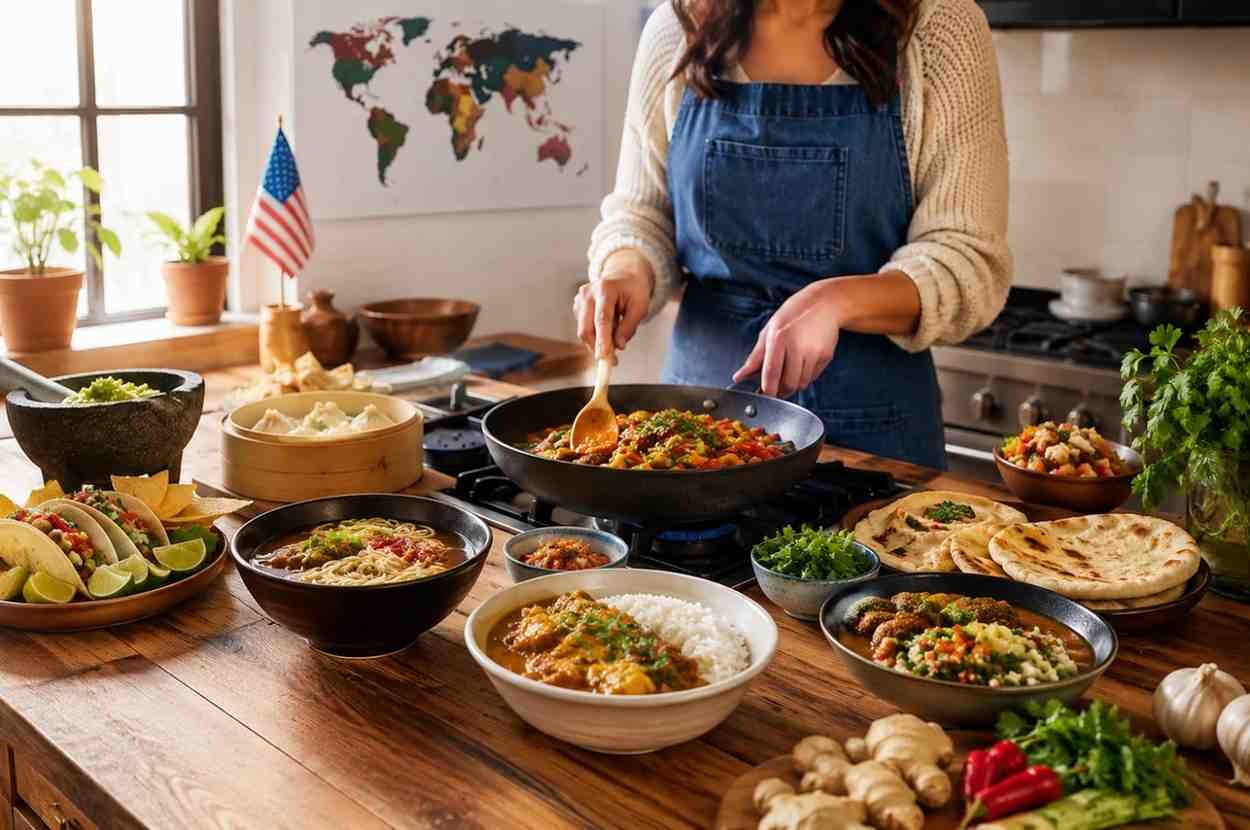
Fusion Cooking Feels More Natural Than Ever
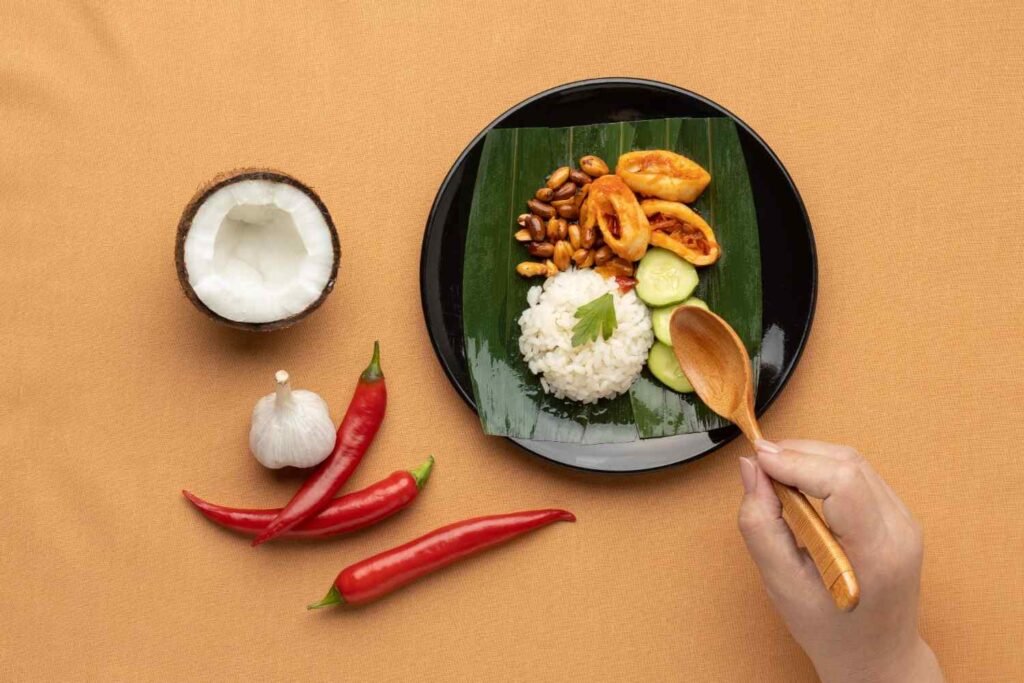
Global ingredients are easier to access now than they were years ago. Grocery stores regularly stock international sauces, spices, noodles, and specialty ingredients that once required specialty markets.
Because of this, home cooks are becoming more adventurous with flavor combinations. Fusion cooking no longer feels experimental or unusual. It feels normal.
People comfortably combine:
- Korean sauces with comfort food recipes
- Mediterranean herbs with grilled proteins
- Japanese cooking techniques in home meals
- Mexican-inspired street flavors in grain bowls and tacos
This openness has expanded modern food culture significantly. Consumers are more curious about texture, spice, ingredient sourcing, and culinary traditions than previous generations.
FAQs: How Gourmet Lifestyle Inspiration Is Shaping Everyday Food Choices
1. Why is gourmet lifestyle inspiration becoming more popular?
People want meals that feel intentional, visually appealing, and emotionally satisfying. Social media, wellness culture, and easy access to premium ingredients have accelerated this shift.
2. How does gourmet culture affect daily eating habits?
It encourages consumers to focus more on ingredient quality, presentation, flavor combinations, and curated dining experiences, even during ordinary meals.
3. Are gourmet food trends limited to luxury restaurants?
No. Many gourmet habits now appear in home cooking, grocery shopping, coffee culture, and casual dining routines through small but noticeable upgrades.
4. Why are people experimenting more with global flavors?
International ingredients and cooking tutorials are now widely accessible, making it easier for home cooks to try fusion recipes and explore new culinary styles.
Final Thoughts
Gourmet lifestyle inspiration has changed the relationship people have with food. Eating is no longer treated as a rushed obligation squeezed between work and responsibilities. Meals now carry emotional value, visual appeal, and personal meaning in ways that were far less common before. That shift explains why people are paying closer attention to ingredients, presentation, atmosphere, and overall dining experience even during ordinary weekdays.
The interesting part is that this movement does not feel temporary. People genuinely enjoy turning everyday meals into something more thoughtful, creative, and memorable.