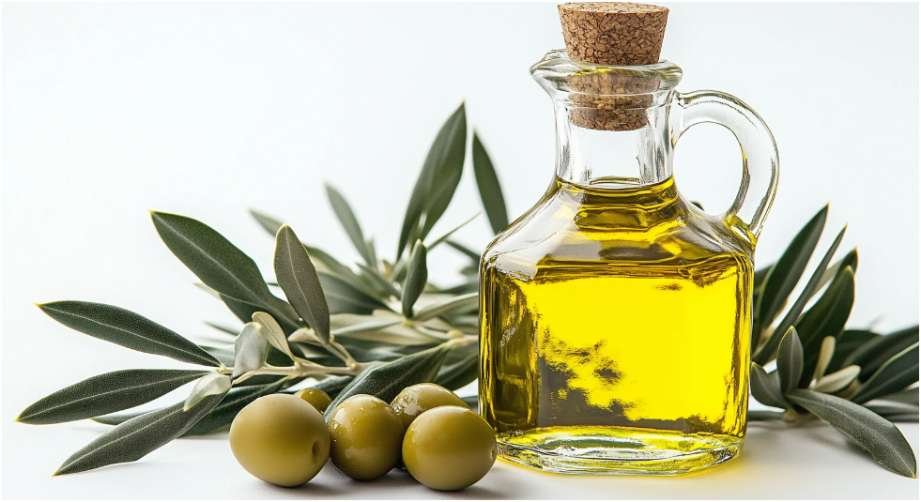
The best gourmet olive oil should make food taste brighter in seconds, not just sound impressive on a label. When I buy a premium bottle, I want freshness, clean aroma, real origin details, and a finish that proves the oil belongs on the table, not hidden in a hot pan.
For me, gourmet olive oil is not about price alone. I judge it by what happens after three drops: the smell, the taste, and the peppery finish at the back of my throat.
Why Gourmet Olive Oil Tastes Different
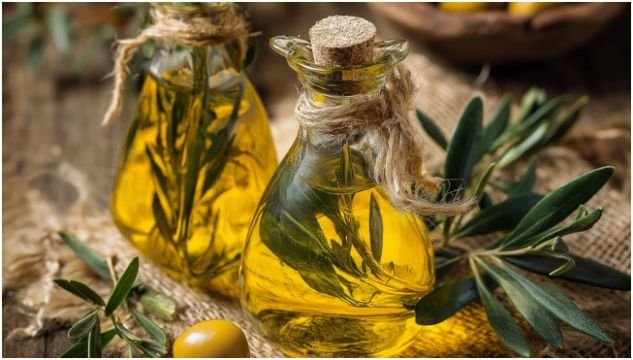
Premium extra virgin olive oil comes from careful harvesting, fast milling, clean storage, and strong producer standards. The International Olive Council lists sensory and chemical standards for virgin olive oils, which helps explain why true extra virgin oil must meet both taste and quality expectations, not just marketing claims.
Freshness Comes Before Fancy Labels
Olive oil is not like wine. It does not improve with age. I always look for a harvest date before I care about the design, region, or price.
UC Davis advises shoppers to look for a harvest date rather than relying only on a “best by” date, because better producers often share harvest information clearly. That one detail tells me the brand respects the oil enough to show when it was made.
A fresh oil often smells like cut grass, green almond, tomato leaf, herbs, or artichoke. A tired oil can taste flat, waxy, greasy, or stale.
Bitterness and Pepper Are Good Signs
Many people think a peppery olive oil is harsh. I see it as a sign of life. A little bitterness and throat catch often point to fresh, high-quality extra virgin olive oil.
Research on extra virgin olive oil connects phenolic compounds with quality, flavor, oxidative stability, and nutritional value. That means the bold taste is not just drama. It can reflect real compounds in the oil.
Best Gourmet Olive Oil Brands I Would Look For
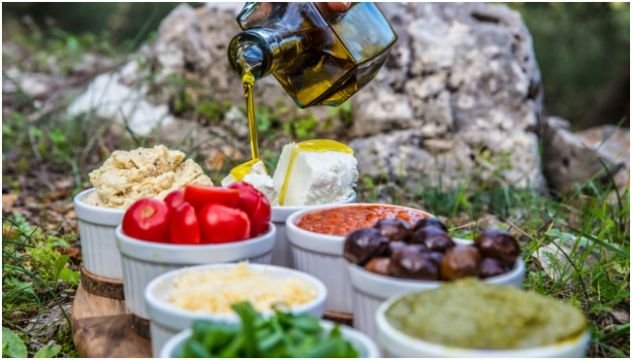
The best gourmet olive oil for one kitchen may not be the best for another. I keep one bold bottle for finishing meats, beans, and soups, and one smoother bottle for salads, fish, and bread.
Aceites Oro Bailen Galgon 99
Aceites Oro Bailen Galgon 99 is a Spanish extra virgin olive oil often recognized in global rankings and competitions. Olive Oil Times’ world ranking lists Aceites Oro Bailen Galgon 99 among top-rated producers, which makes it a serious name for buyers who want a proven gourmet bottle.
I would use this style over grilled vegetables, tomato toast, chickpea salad, or a simple bowl of white beans. Spanish oils made from cultivars like Picual often bring green fruit, bitterness, and a structured peppery finish.
Laudemio Frescobaldi Extra Virgin Olive Oil
Laudemio Frescobaldi is one of the Tuscan oils I associate with bold finishing use. Retail listings describe recent-harvest Frescobaldi Laudemio as having vibrant green olive and fresh green flavors, which fits the classic Tuscan style.
I like this kind of oil with ribollita, roasted potatoes, burrata, steak, or sourdough. It has enough presence to stand up to rich food without disappearing.
Venta del Barón Extra Virgin Olive Oil
Venta del Barón is a Spanish gourmet olive oil known for a full-bodied, aromatic profile. I would reach for it when I want intensity: lentil soup, grilled bread, roasted peppers, jammy eggs, or aged cheese.
This is the kind of oil that can turn a plain dish into something restaurant-worthy. It works best when added after cooking, so the aroma stays alive.
Cobram Estate California Select
Cobram Estate California Select is a strong choice for US readers who want a premium extra virgin olive oil without relying only on imported bottles. Cobram Estate is also listed among highly ranked producers in Olive Oil Times’ world ranking, which supports its place in serious olive oil conversations.
I like California oils because they can be fresh, traceable, and easier to buy in the US. This bottle makes sense for salads, vegetables, fish, and everyday finishing.
Frantoio Franci Extra Virgin Olive Oil
Frantoio Franci is a respected Italian producer with a reputation for depth and precision. I would choose this style when I want a bottle that feels polished but still expressive.
Use it where the oil gets noticed: mushroom risotto, grilled chicken, minestrone, pasta e fagioli, or vanilla gelato with sea salt. That last pairing sounds bold, but a fruity oil can make dessert taste more complex.
How I Choose Gourmet Olive Oil Like a Food Buyer
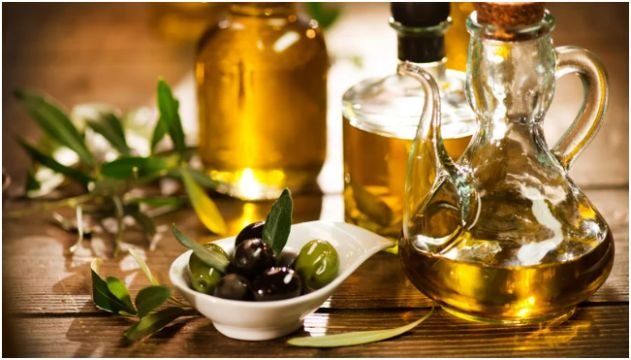
I do not buy gourmet olive oil from the prettiest shelf. I use a quick buying filter.
Check the Harvest Date
A harvest date is my first green flag. If the bottle only has a vague expiration date, I become cautious. The Official Guide to the World’s Best Olive Oils lets buyers browse award-winning oils by country, intensity, cultivar, and organic certification, which shows how much detail matters in this category.
For the freshest taste, I prefer the newest harvest available. In the US, that often means Northern Hemisphere oils from the most recent fall harvest or Southern Hemisphere oils from the most recent spring harvest.
Look for Dark Bottles or Tins
Light, heat, and oxygen hurt olive oil. I avoid clear glass for premium bottles unless the store has kept it boxed or protected.
Opaque glass, dark glass, or sealed tins are better choices. A beautiful clear bottle may look nice on a counter, but it does not protect the oil well.
Choose Named Cultivars and Real Origins
Gourmet oils usually tell you more than “packed in Italy” or “Mediterranean blend.” I want estate names, regions, harvest year, and olive varieties such as Picual, Coratina, Arbequina, Leccino, Frantoio, or Hojiblanca.
That level of detail helps me predict flavor. Picual can be bold and green. Arbequina often tastes softer and fruitier. Coratina can feel intense, bitter, and peppery.
Best Ways to Use Gourmet Olive Oil
The best gourmet olive oil deserves the right job. I rarely use my finest bottle for frying. I save it for moments when flavor matters most.
Use It as a Finishing Oil
Finishing oil goes on food after cooking. I drizzle it over soup, beans, hummus, tomatoes, grilled fish, pasta, roasted carrots, or fresh mozzarella.
I also use it as part of my list of best gourmet pantry staples because one premium bottle can upgrade simple meals fast. A bowl of lentils with lemon, herbs, and great olive oil tastes intentional, not leftover.
Pair Flavor Strength With Food
Mild oils work well with fish, fresh cheese, fruit, yogurt, and delicate greens. Medium oils fit salads, bread, roasted vegetables, and chicken. Robust oils shine on steak, beans, bitter greens, tomato dishes, and grilled bread.
My quick test is simple. If the food is gentle, use a gentle oil. If the food is rustic, smoky, salty, or acidic, use a bolder oil.
What I Avoid When Buying Olive Oil
I avoid bottles without harvest dates, vague origin labels, clear packaging, dusty shelves, and oils stored near warm lights. I also avoid buying huge bottles unless I know I can finish them quickly.
A premium oil should taste alive. If it smells like crayons, old nuts, wax, or stale peanuts, I stop using it for finishing.
FAQs About Best Gourmet Olive Oil
1. What is the best gourmet olive oil for finishing food?
The best gourmet olive oil for finishing food is usually a fresh, single-origin extra virgin olive oil with a harvest date, dark packaging, and a flavor profile that matches your dish. Choose mild oils for fish and salads, and robust oils for soups, meats, beans, and grilled bread.
2. Is expensive olive oil always better?
No. Expensive olive oil can still be old, poorly stored, or too mild for your taste. I look for freshness, producer details, cultivar names, packaging, and aroma before price.
3. What does high-polyphenol olive oil taste like?
High-polyphenol olive oil often tastes bitter, grassy, and peppery. That sharp finish can feel surprising at first, but it usually works beautifully on hearty foods.
4. Should gourmet olive oil be used for cooking?
You can cook with good extra virgin olive oil, but I save premium bottles for finishing. Heat reduces the delicate aromas that make gourmet oil special.
Final Drizzle: Don’t Waste the Good Stuff
I treat gourmet olive oil like a flavor tool, not a decoration. The right bottle can make tomatoes taste sweeter, soup feel richer, bread taste fresher, and vegetables feel complete.
Start with one fresh bottle in dark packaging. Taste it plain. Then drizzle it over warm food and notice what changes. That small habit will teach you more than any fancy label ever could.