
Eating out has changed a lot, and I can see it clearly on modern menus. Vegan restaurant trends are no longer limited to plain salads or one basic plant-based burger. Today, restaurants are creating meals with mushrooms, lentils, jackfruit, dairy-free sauces, global spices, and locally sourced produce.
What makes this shift exciting is that it speaks to everyone, not just strict vegans. More diners want food that feels flavorful, fresh, balanced, and better aligned with the way they actually eat.
Why Plant-Based Dining Is Becoming More Mainstream
Plant-based dining has become more flexible in the US because diners do not want an all-or-nothing food identity. A customer may order a vegan breakfast sandwich in the morning, chicken at dinner, and oat milk coffee the next day.
That is why restaurants now design menus for “pre-vegans,” flexitarians, and plant-curious diners instead of speaking only to committed vegans.
This matters for restaurant owners because the winning strategy is not guilt. It is taste, convenience, value, and menu access. ProVeg has highlighted that plant-based foodservice works best when restaurants focus on taste, convenience, and smooth menu integration rather than treating vegan dishes as separate or political choices.
Clean-Label Vegan Food Is Replacing Over-Processed Meat Alternatives

One of the strongest plant-based restaurant trends is the move toward recognizable ingredients. Diners still enjoy vegan burgers and plant-based meats, but many now ask what those products are made from. That has pushed chefs to use ingredients people already know and trust.
Instead of relying only on synthetic meat-style products, highly processed substitutes, or lab based meat, restaurants are building dishes around chickpeas, lentils, black beans, mushrooms, tofu, tempeh, root vegetables, grains, seeds, and jackfruit.
This shift matches broader plant-based innovation, where nutrition and natural plant proteins are becoming more important than simple meat imitation.
For US restaurants, this creates a big opportunity. A lentil walnut taco, roasted mushroom bowl, chickpea “tuna” sandwich, or jackfruit barbecue plate can feel more honest, affordable, and flavorful than another generic fake-meat burger.
Flexitarian Dining Is Driving Menu Innovation
Flexitarian diners are shaping the future of vegan food trends because they represent a much larger audience than strict vegans. These diners want plant-based meals, but they also want comfort, protein, bold seasoning, and familiar formats.
That is why smart restaurants are not labeling every dish in a way that feels restrictive. Instead of making vegan food sound like a sacrifice, they use menu language that focuses on flavor. For example, “charred cauliflower tacos with avocado crema” sounds more appealing than “vegan cauliflower tacos.” The dish is still plant-based, but the name sells taste first.
In fast-casual restaurants, this approach works especially well with bowls, wraps, grain plates, tacos, ramen, salads, and sandwiches. Diners can customize meals without feeling boxed into one diet label.
Local Sourcing Is Making Vegan Menus Feel Fresher
Another major shift is the rise of hyper-local sourcing. In the US, more restaurants are using nearby farms, seasonal vegetables, local grains, and regional produce to make plant-based menus feel connected to place.
This trend also helps restaurants stand out. A vegan menu in California may highlight avocado, citrus, farmers market greens, and seasonal mushrooms. A restaurant in the South may create plant-based comfort food with collard greens, sweet potatoes, black-eyed peas, cornbread, and smoked vegetables. A Northeast café may focus on apples, squash, maple, grains, and hearty soups.
Local sourcing also improves transparency. Diners increasingly want to know where ingredients come from, how fresh they are, and whether the restaurant supports a cleaner food system.
Global Flavors Are Making Vegan Food More Exciting

The best vegan menus do not feel limited. Many global cuisines already have strong plant-based foundations, which gives chefs more room to create exciting dishes without forcing fake meat into every meal.
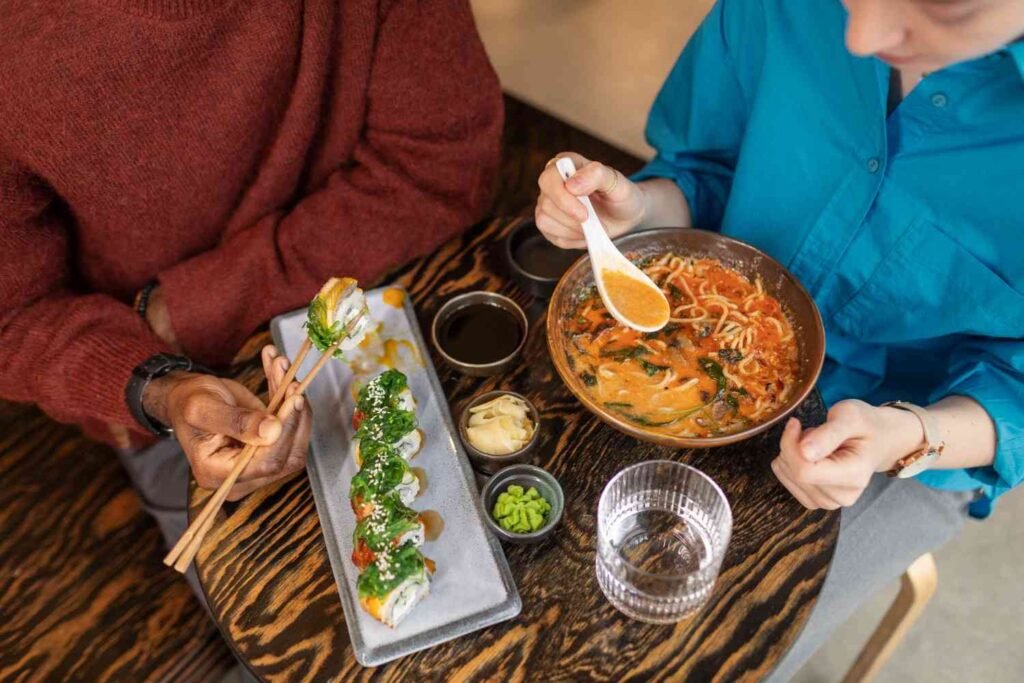
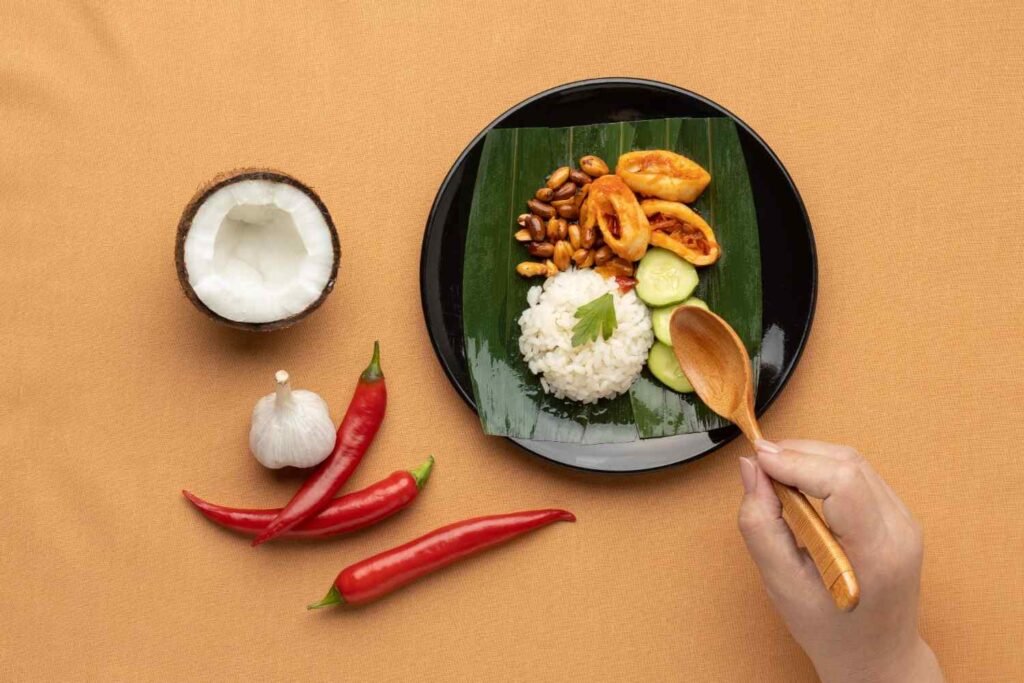
Mexican-inspired vegan tacos, Korean tofu bowls, Indian lentil curries, Mediterranean mezze, Japanese ramen, Vietnamese rice noodle bowls, Thai coconut curries, and fusion sushi rolls all work beautifully in plant-forward dining. Tastewise also notes that regional formats are shaping plant-based success, with local ingredients influencing how plant-based products evolve in different markets.
For a US audience, this matters because American diners love variety. Global and ethnic fusion helps vegan restaurants avoid the old stereotype that plant-based food is bland or repetitive.
Breakfast and Bakery Menus Are Growing Fast
Breakfast may become one of the biggest growth areas for plant-based dining. Cafés, bakeries, diners, and brunch spots now have more ways to serve vegan customers without making the menu feel complicated.
Vegan egg replacements, tofu scrambles, oat milk lattes, dairy-free cream cheese, plant-based breakfast sandwiches, vegan pancakes, muffins, croissants, cinnamon rolls, and allergen-friendly baked goods are becoming more common. This is especially important in the US, where coffee shops and quick breakfast stops are part of daily routines.
Plant-based dairy alternatives also continue to play a major role. Research and market coverage show that plant-based dairy remains one of the most visible parts of the category, especially as more diners choose oat, almond, soy, coconut, and other dairy-free options.
Plant-Based Seafood and Mushroom Protein Are Getting Attention
Restaurants are also expanding beyond burgers. Plant-based seafood, mushroom protein, and vegetable-forward centerpieces are becoming more interesting to chefs and diners.
King oyster mushroom “scallops,” banana blossom “fish,” carrot “lox,” hearts of palm crab cakes, and seaweed-seasoned dishes can bring seafood-style flavor without using fish. Mushrooms are especially useful because they offer rich texture, umami flavor, and a hearty bite.
This kind of innovation works because it feels culinary, not forced. Instead of copying meat exactly, chefs can create plant-based menu ideas that stand on their own.
What US Restaurants Should Learn From Global Plant-Led Markets

Even though this blog focuses on the US, global food culture still offers useful inspiration. India’s long tradition of plant-led eating shows how powerful plant-based dining can be when it grows from real food habits instead of short-term hype. SIAL Network positions itself around global food innovation and international food business exchange, which reflects how quickly regional plant-based ideas now travel across markets.
For US restaurants, the lesson is simple. Do not just copy Western vegan trends. Build menus around flavor, culture, nutrition, and local diner needs.
Are Vegan Restaurant Trends Only for Vegan Diners?
No. Vegan restaurant trends now matter to anyone who eats out and wants more choices. A strong plant-based menu can serve vegans, vegetarians, flexitarians, lactose-intolerant diners, health-focused customers, and people who just want a lighter meal.
That is why restaurants should avoid hiding vegan items in one small corner of the menu. The strongest menus make plant-based options feel normal, flavorful, and easy to order.
Frequently Asked Questions (FAQs)
1. What are the biggest vegan food trends in restaurants?
The biggest trends include clean-label whole foods, dairy-free drinks and desserts, mushroom protein, plant-based seafood, global fusion dishes, vegan breakfast items, and flexitarian-friendly menus.
2. Why are restaurants moving away from processed vegan meats?
Many diners want recognizable ingredients and better nutrition. Restaurants now use lentils, beans, mushrooms, chickpeas, jackfruit, tofu, grains, and vegetables to create cleaner, more satisfying dishes.
3. How can restaurants attract flexitarian diners?
Restaurants can attract flexitarians by focusing on flavor, comfort, price, and convenience. Menu names should describe taste and ingredients instead of making the dish feel like a strict diet choice.
4. Are vegan restaurant trends good for small restaurants?
Yes. Small restaurants can use seasonal produce, local sourcing, global flavors, and affordable plant proteins to create creative vegan dishes without depending on expensive specialty products.
Final Bite
I believe the next stage of plant-based dining will feel less like a trend and more like a normal part of American restaurant culture. The future is not about forcing everyone to become vegan. It is about giving diners better choices that taste good, feel fresh, and fit modern eating habits.
The restaurants that win will not simply add one vegan burger and call it done. They will build thoughtful menus with whole foods, local ingredients, global flavors, dairy-free choices, breakfast innovation, and flexible options for all kinds of eaters.
This shift also supports sustainable restaurants that care about flavor, sourcing, and smarter food choices. That is what makes vegan restaurant trends so important right now.