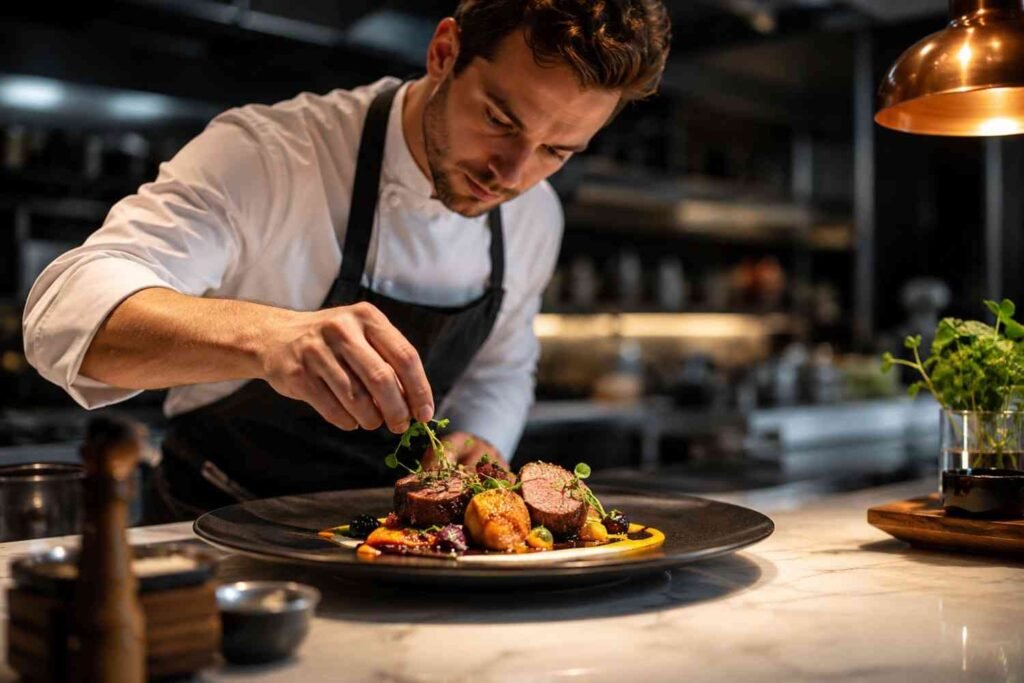
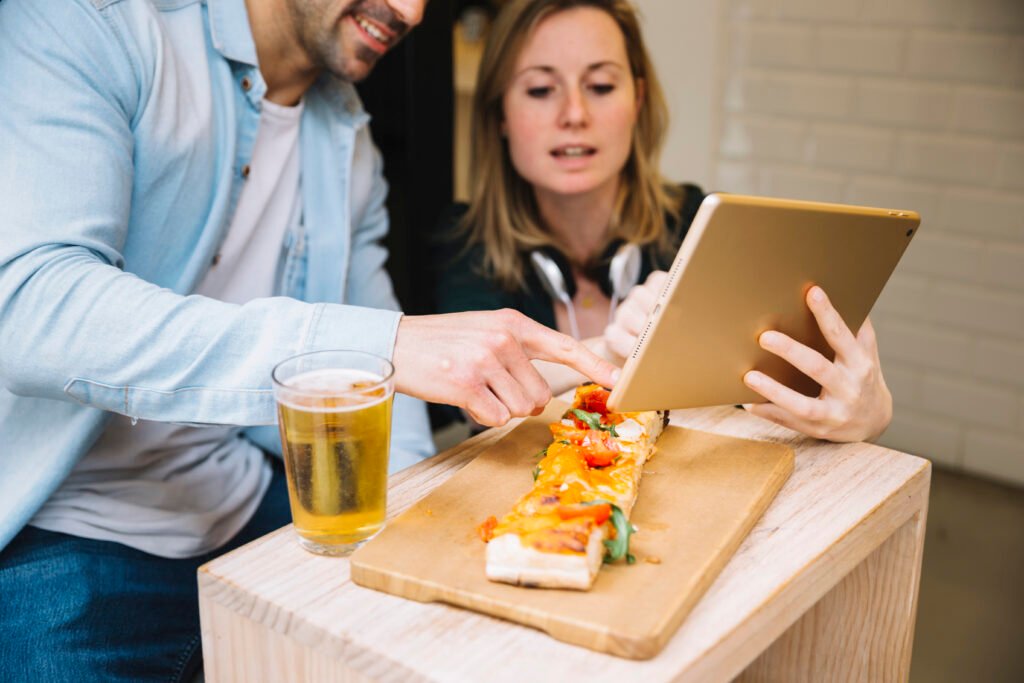
Restaurants used to run on experience, instinct, and a little bit of daily guesswork. Today, that is no longer enough. AI in restaurants is helping US operators understand customer habits, prepare for rush hours, reduce food waste, manage labor, and create smoother dining experiences.
I see it as a behind-the-scenes advantage, not a replacement for great service. The food still has to taste good, but now the business behind the plate can work much smarter.
What Does Restaurant AI Actually Mean?
Restaurant AI means using artificial intelligence, machine learning, automation, voice tools, computer vision, and predictive analytics to improve how a restaurant runs. It can support ordering, reservations, staffing, inventory, marketing, review management, loyalty programs, food safety, and kitchen quality control.
I like to think of it as a smarter decision-making layer. Instead of relying only on gut instinct, operators can use data from past sales, weather, local events, digital orders, guest behavior, and staffing patterns to plan the day more accurately.
That does not mean AI should replace hospitality. A restaurant still needs warmth, taste, creativity, and human care. The best restaurant AI tools support people so they can serve guests better.
Why US Restaurants Are Investing in AI Now
American restaurants are dealing with thinner margins and higher customer expectations. Guests want easy online ordering, shorter wait times, accurate pickup estimates, personalized rewards, and quick answers when they call.
This is why artificial intelligence in restaurants has moved from “nice to have” to a serious business tool. Major brands are already building AI-enabled systems to improve demand forecasting, labor scheduling, inventory planning, and digital marketing.
Cava, for example, has discussed using centralized data and real-time operating platforms to support forecasting, scheduling, inventory, and personalization.
For small restaurants, the opportunity is different but still powerful. They may not need a full AI infrastructure. They may simply need fewer missed calls, better review responses, smarter ordering, or more accurate prep planning.
How AI Improves Front-of-House Guest Experience
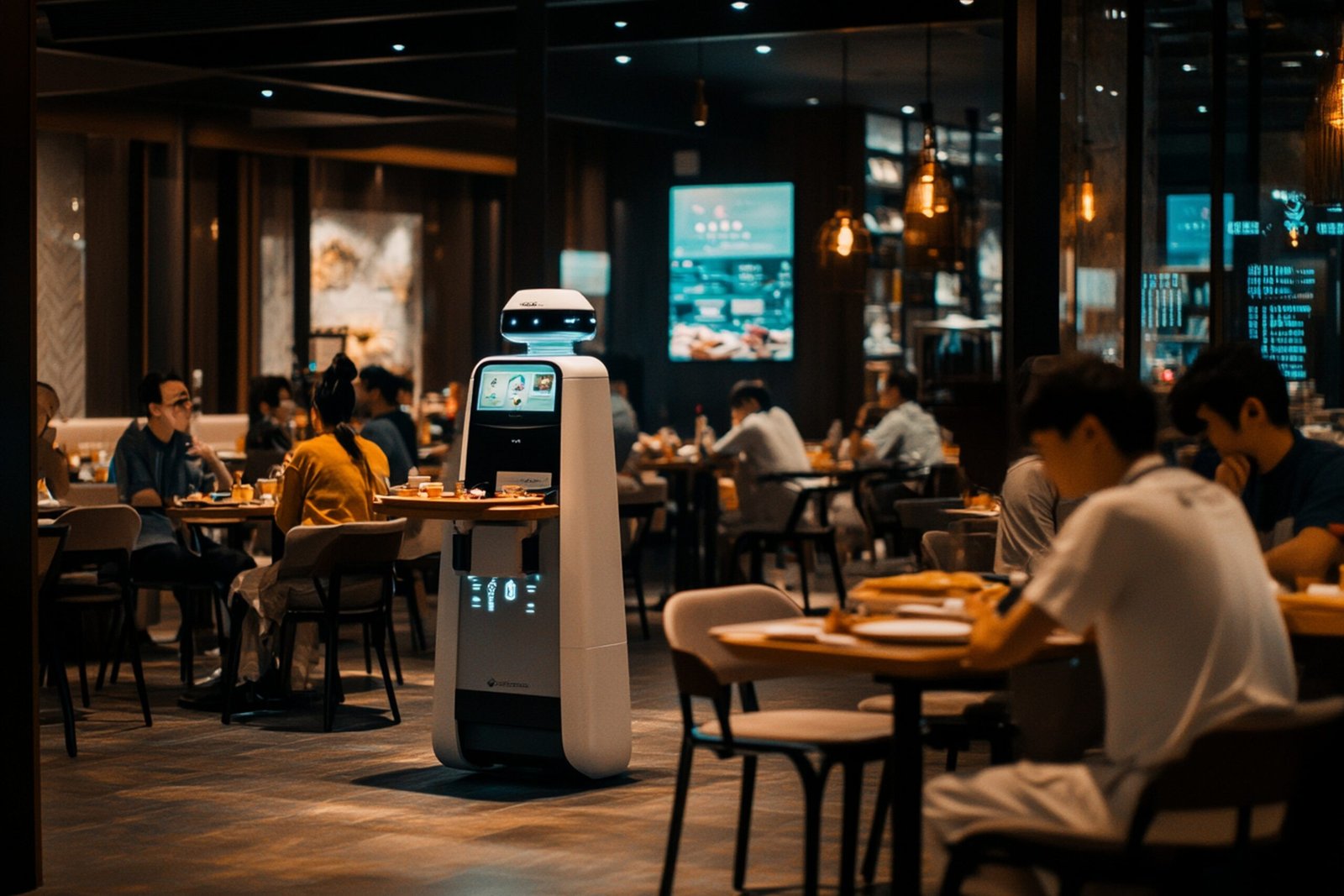
Front-of-house technology is where customers notice restaurant AI first. It can remove friction before a guest even sits down.
AI phone answering tools can handle reservations, answer menu questions, confirm hours, explain specials, and take orders when staff are busy. This matters because unanswered calls often turn into lost revenue. Some industry reports show that many diners give up when a restaurant does not answer the phone, especially during busy meal periods.
Conversational ordering is also changing drive-thrus and phone orders. AI voice ordering systems use natural language processing to understand guests, confirm details, and send orders to the restaurant system. Wendy’s expanded AI drive-thru ordering plans after testing its FreshAI assistant, while Taco Bell has also used voice AI in hundreds of locations.
Smart seating is another useful area. AI-powered reservation and seating software can study floor plans, party sizes, server sections, turn times, and waitlists to help hosts seat guests more efficiently. That can reduce wait times and improve table turnover without making the dining room feel rushed.
How AI Personalizes Menus, Offers, and Loyalty
Hyper-personalization is one of the strongest customer experience benefits. AI can study a guest’s past orders, visit frequency, preferred dining time, location, and even weather patterns to suggest better menu items or loyalty offers.
A lunch guest may receive a quick combo suggestion. A repeat dinner guest may see a favorite appetizer. A customer who often orders spicy food may get a new limited-time item recommendation.
This type of AI menu optimization can increase average ticket size without feeling pushy. When restaurants use it well, guests feel understood rather than targeted.
How AI Improves Back-of-House Operations
The biggest return often happens behind the scenes. Back-of-house AI helps managers control food costs, labor, prep, quality, and safety.
Predictive inventory tools analyze sales history, seasonality, weather, local events, holidays, and online ordering trends. Instead of ordering based only on memory or spreadsheets, managers can stock closer to actual demand. This can reduce spoilage, prevent stockouts, and protect margins.
AI food waste reduction tools are also becoming more advanced. Some systems use computer vision and deep learning to track and categorize food waste in real time. Research on AI-based waste tracking in hospitality settings shows how computer vision can help identify waste patterns and improve food management.
Automated scheduling tools help managers match labor to demand. If sales data shows a surge every Friday after 6 p.m., the system can recommend stronger coverage. If rainy weeknights drive more delivery orders, the schedule can shift toward kitchen and pickup support.
How Computer Vision Supports Food Safety and Quality

Computer vision is one of the more advanced uses of AI for restaurants. Cameras placed near prep stations or assembly lines can monitor portion consistency, ingredient placement, temperature rules, and possible cross-contamination risks.
This matters for high-volume restaurants where consistency affects both profit and trust. If portions are too large, food costs rise. If portions are too small, guests complain. If safety rules slip, the risk becomes much bigger than one bad review.
Computer vision will not replace trained kitchen leaders, but it can add another layer of oversight. It helps teams catch issues faster and keep standards consistent across shifts.
How AI Helps Restaurants Understand Reviews
Restaurant owners often receive feedback from Google, Yelp, delivery apps, social media, surveys, and direct messages. Reading every review manually can take hours.
AI sentiment analysis can scan reviews at scale and identify common themes. It may reveal that guests love the food but complain about slow pickup. It may show repeated praise for one menu item or frustration about cold delivery orders.
This gives managers a clearer picture of what needs attention. I would still review AI-generated responses before posting them, though. Guests can spot cold, generic replies quickly.
Key Business Benefits Restaurant Owners Can Expect
The strongest benefits include faster throughput, fewer order errors, better labor planning, lower food waste, improved stock control, higher average ticket size, and stronger loyalty marketing.
AI voice assistants and smart kiosks can speed up ordering. Demand-forecasting engines can keep inventory levels more precise. Predictive scheduling tools can reduce unnecessary overtime. Machine learning recommendation engines can support personalized upselling and repeat visits.
The best part is that these benefits connect directly to everyday restaurant pain points. This is not technology for show. It can solve problems owners already feel every week.
What Makes AI Adoption Difficult?
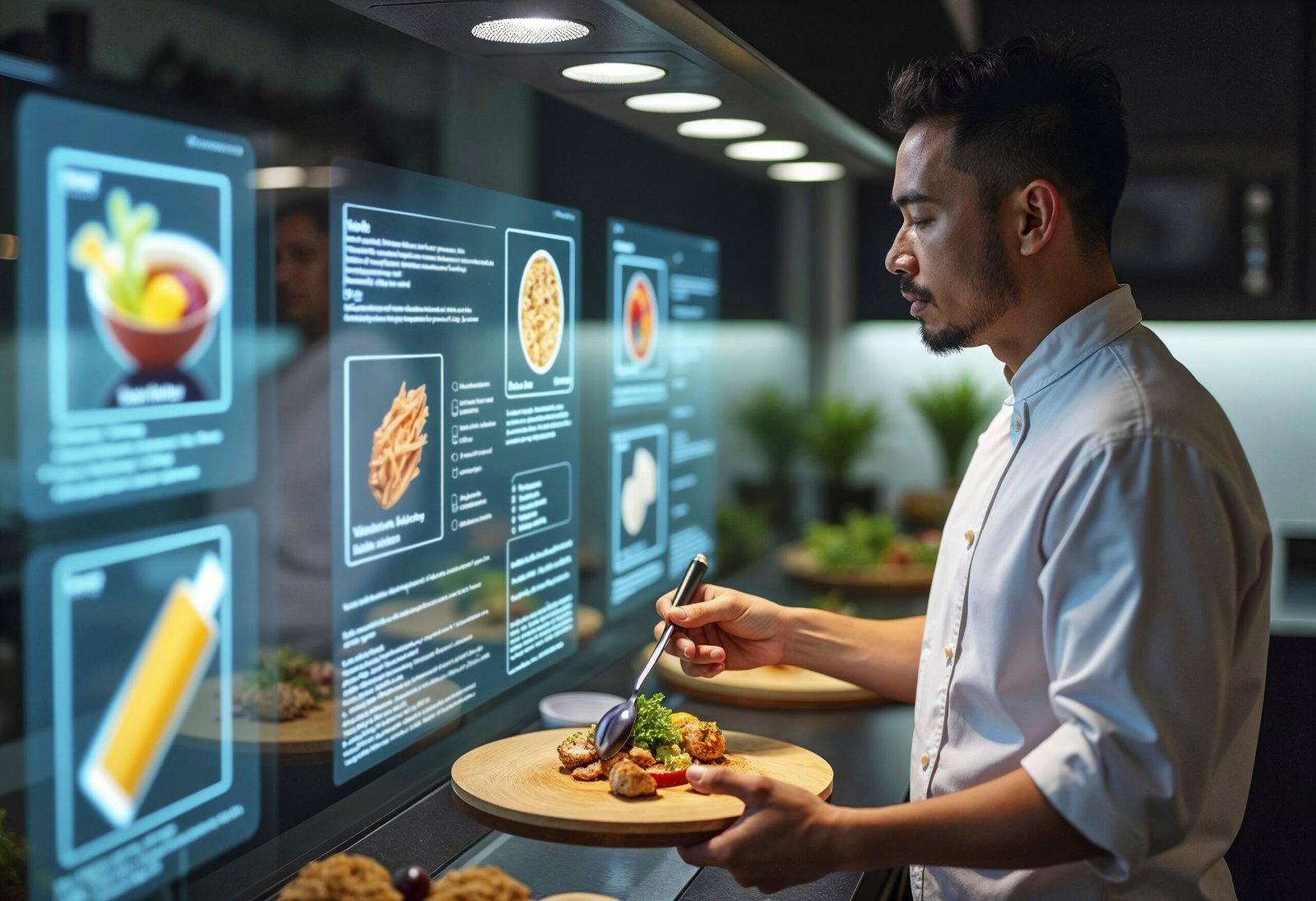
Even with strong interest, many operators still feel underprepared. The biggest challenges include scattered data, outdated systems, lack of in-house tech talent, privacy concerns, staff training, and unclear governance.
A restaurant may have customer data in one system, online orders in another, scheduling in another, and inventory in a spreadsheet. AI works best when data connects cleanly. Without that foundation, the system may give weak or confusing recommendations.
That is why a step-by-step rollout works better than a full overhaul. A restaurant should start with one high-impact use case, such as AI phone answering, inventory forecasting, review analysis, or automated scheduling. Once that works, the business can expand into broader systems.
How Small Restaurants Should Start
If I owned a small restaurant, I would not start with robots or expensive kitchen automation. I would start where the pain is easiest to measure.
If missed calls cost sales, I would test an AI phone answering tool. If food waste hurts margins, especially with fresh items tied to seafood restaurant trends, I would try predictive inventory. If reviews feel overwhelming, I would use sentiment analysis. If marketing is inconsistent, I would use AI to help draft email campaigns and social posts.
The smartest approach is simple: fix one problem, measure the result, then move to the next.
Frequently Asked Questions (FAQs)
1. How are restaurants using AI today?
Restaurants use AI for voice ordering, phone answering, inventory forecasting, automated scheduling, loyalty personalization, review analysis, smart seating, food safety monitoring, and menu optimization.
2. Is restaurant AI only for big chains?
No. Large chains may use advanced platforms, but small restaurants can start with simple tools for phone calls, reviews, marketing, reservations, online ordering, and inventory planning.
3. Can AI reduce food waste in restaurants?
Yes. AI can analyze sales patterns, weather, local events, and customer demand to help managers order more accurately. Some tools also use computer vision to track waste in real time.
4. Will AI replace restaurant workers?
AI may automate repetitive tasks, but it should support workers rather than replace the human side of service. Restaurants still need skilled teams for cooking, hospitality, leadership, and guest care.
5. What is the best first AI tool for a restaurant?
The best first tool depends on the biggest problem. For missed calls, use AI phone answering. For waste, use predictive inventory. For poor staffing accuracy, use AI scheduling.
The Smarter Future of American Dining
AI in restaurants will continue to shape how US operators manage guests, menus, labor, inventory, and food safety. But the winners will not be the restaurants that automate everything. The winners will be the ones that use technology to protect what makes dining special.
A great restaurant still needs flavor, service, timing, trust, and personality. AI simply gives owners sharper tools to deliver those things with less guesswork and more confidence.