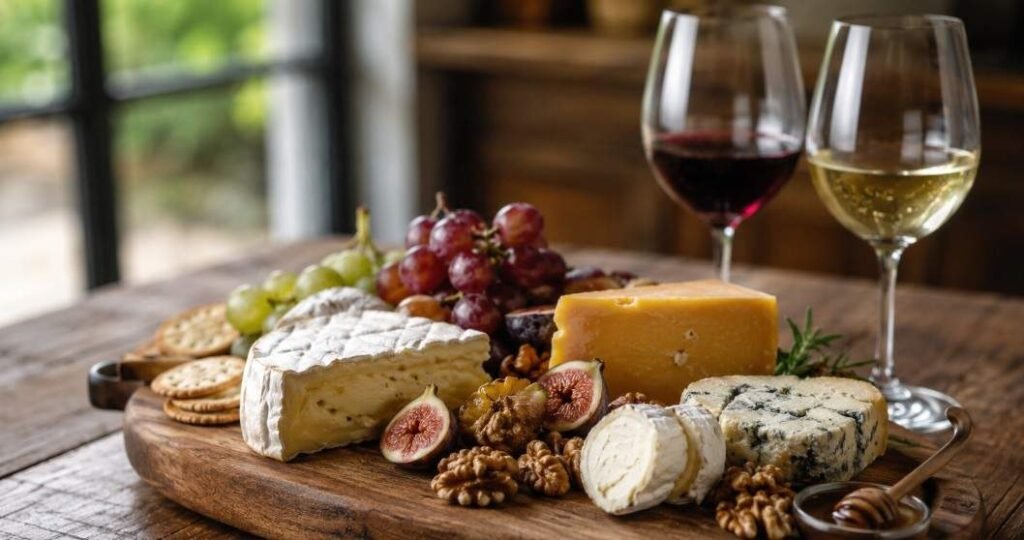
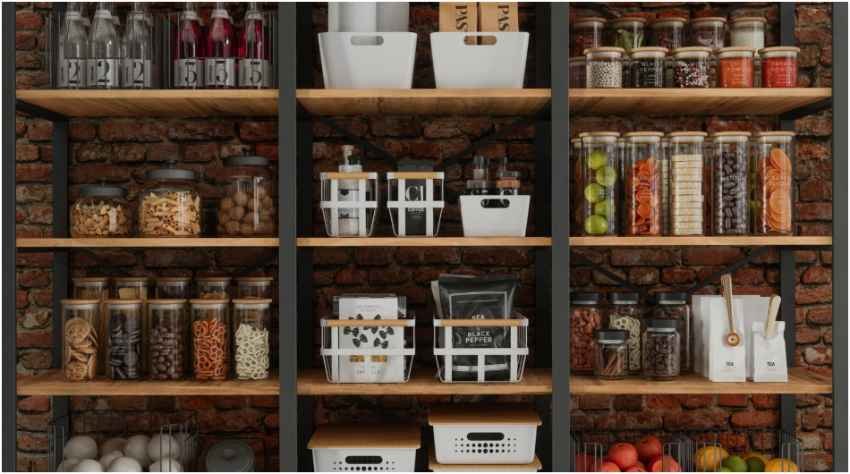
The best gourmet pantry staples do not just sit on a shelf looking fancy. They rescue boring pasta, sharpen roasted vegetables, improve quick sauces, and make a five-minute lunch taste intentional.
I learned this after wasting money on single-use “specialty” jars that looked exciting but rarely fit my cooking. Now I choose pantry ingredients that add one of four things: salt, acid, fat, or umami. That small shift changed how I cook at home.
Why Gourmet Pantry Staples Actually Matter
A smart pantry gives you flavor before you even start cooking. You can take eggs, noodles, tomatoes, beans, tuna, chicken, or roasted vegetables and make them taste layered with one or two high-quality additions.
For US home cooks, this matters because weeknight cooking often needs speed. A jar of Calabrian chili paste, a bottle of good extra virgin olive oil, or a wedge of Parmigiano Reggiano can turn plain ingredients into something that feels closer to a small restaurant plate.
The best gourmet pantry staples are not always the most expensive. They are the ones you reach for often. They have a clear job. They last long enough to justify the price. They also work across many meals.
Finishing Ingredients That Make Food Taste Restaurant-Level
Flaky Sea Salt
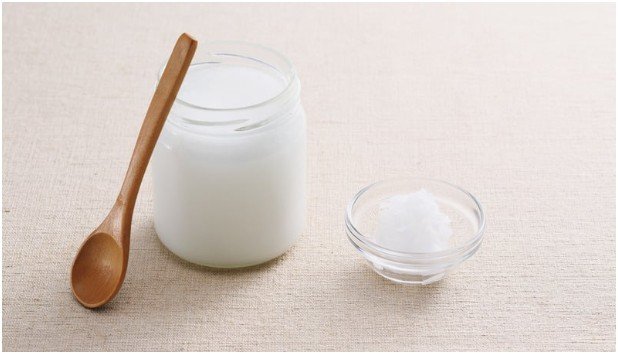
Flaky sea salt is the first upgrade I recommend because it changes both flavor and texture. Maldon is a common example because its pyramid-shaped flakes add crunch instead of simply disappearing into food. The brand notes that its flakes are known for their distinctive pyramid shape and tactile texture.
Use it after cooking, not during every step. I like it over seared steak, sliced avocado, chocolate chip cookies, roasted carrots, and buttered sourdough. If you want a deeper explainer, the internal anchor what is finishing salt fits naturally here because finishing salt works best when texture matters.
Parmigiano Reggiano
Real Parmigiano Reggiano brings nutty depth, salt, fat, and natural umami. A 24-month wedge works well because it has enough age for complexity while still shaving and grating beautifully.
Do not throw away the rind. Drop it into soups, stews, tomato sauce, or white bean broth. It slowly releases savory flavor and makes the dish taste cooked longer than it was.
Fresh Whole Pepper
Pre-ground pepper tastes flat because much of its aroma fades before it reaches your plate. A six-pepper medley or good whole black peppercorns brings sharper aroma and layered heat.
I use fresh pepper differently from salt. Salt wakes up the whole dish. Pepper adds lift at the end. Grind it over creamy pasta, fried eggs, grilled chicken, tomato salads, and roasted mushrooms.
Oils, Vinegars, and Condiments Worth the Space

Single-Origin Extra Virgin Olive Oil
A finishing oil should taste alive. Good extra virgin olive oil can feel grassy, peppery, buttery, fruity, or bitter in a pleasant way. Look for harvest date, origin, dark packaging, and a bottle size you can use quickly.
Olive oil quality drops when exposed to light, heat, and oxygen. Storage guidance commonly recommends keeping it in a cool, dark place and using opened bottles within a few months for best flavor.
I keep one everyday cooking oil and one better finishing oil. That saves money and keeps the premium bottle from becoming a background ingredient.
Aged Balsamic Vinegar of Modena
Aged balsamic gives sweet-tart balance, body, and a glossy finish. Traditional balsamic from Modena follows strict production rules, including cooked grape must and required aging in the Modena area for protected products.
Use thicker balsamic sparingly. It works over roasted Brussels sprouts, strawberries, burrata, pork chops, and grilled peaches. Thin balsamic is better for vinaigrettes. Thick balsamic is better as a final accent.
Calabrian Chili Paste and Chili Crisp
Calabrian chili paste gives smoky, fruity heat. Chili crisp adds heat, oil, crunch, and aroma. Both are small jars with big impact.
I use Calabrian chili paste in tomato sauce, marinades, sandwich spreads, pizza sauce, and fried eggs. Chili crisp works better over noodles, rice bowls, dumplings, cucumbers, and roasted greens.
Umami Boosters I Always Keep Nearby
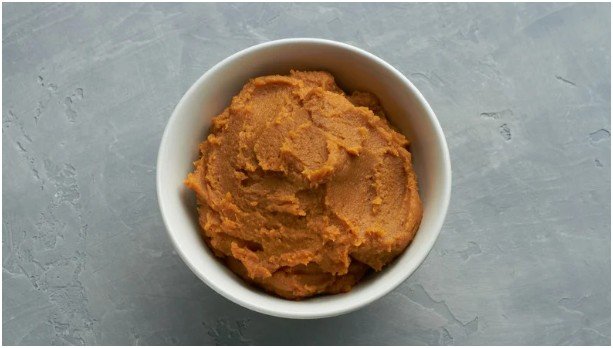
Miso Paste and Tomato Paste
Miso paste and double-concentrated tomato paste are quiet workhorses. They do not just add flavor. They create a base.
The trick is to cook them in oil first. Searing a spoonful of tomato paste removes raw sharpness and builds a deeper sauce. Miso should be added gently, especially in soups, because high heat can dull its delicate flavor.
Anchovies, Capers, and Sun-Dried Tomatoes
Good oil-packed anchovies melt into olive oil and leave a savory backbone without making the dish taste fishy. Capers add briny acidity. Sun-dried tomatoes in olive oil add chew, sweetness, and intensity.
This trio can rescue pasta, grain bowls, dressings, pan sauces, tuna salads, and crostini. I think of them as Mediterranean shortcuts.
Premium Tinned Goods That Save Weeknight Meals
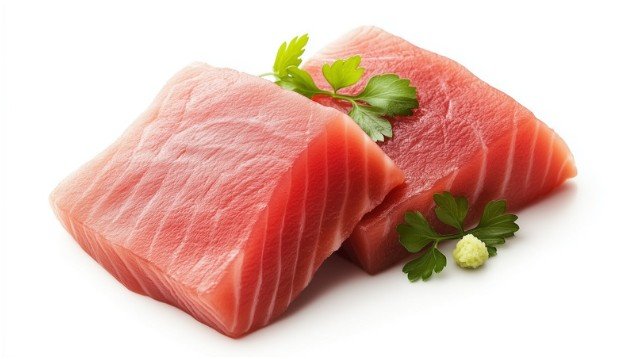
Ortiz White Tuna
Premium tuna in olive oil is not the same as dry bargain tuna packed in water. Ortiz-style Bonito del Norte is often line-caught and hand-packed in olive oil, which helps preserve tenderness and flavor.
Use it where texture matters. I like it over white beans, bitter greens, warm potatoes, or bronze-die pasta with lemon and capers.
San Marzano Tomatoes
San Marzano tomatoes are prized for sauce because they are sweet, low-acid, and less seedy than many plum tomatoes. Their protected growing reputation is tied to the Agro Sarnese-Nocerino area near Mount Vesuvius.
For US shoppers, labels can be confusing. Look for DOP markings when authenticity matters. For everyday cooking, choose whole peeled tomatoes with simple ingredients and crush them by hand.
Better Bases: Pasta, Grains, and Simple Meal Builders
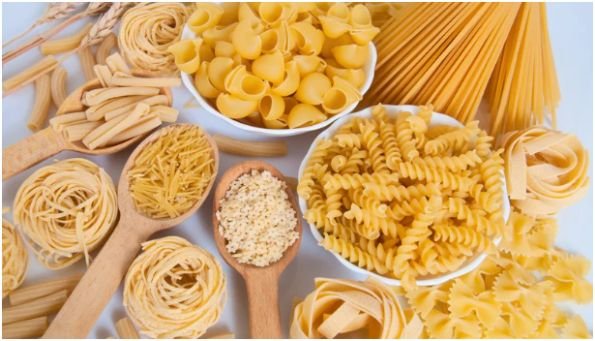
The base of the meal deserves attention too. Bronze-die extruded pasta has a rougher surface, so sauce clings better. That one detail can make a simple tomato sauce feel richer.
I also keep farro, arborio rice, couscous, and good canned beans. These are not glamorous, but they help the gourmet ingredients do their job. A pantry full of condiments is less useful if you have nothing sturdy to carry them.
My 15-Minute Pantry Test
Here is my favorite test for the best gourmet pantry staples. I boil bronze-die pasta, warm olive oil, melt in one anchovy, add tomato paste, stir in crushed San Marzano tomatoes, finish with Calabrian chili paste, Parmigiano Reggiano, and flaky salt.
The result tastes slow-cooked, but it takes about 15 minutes. The anchovy gives depth. The tomato paste gives body. The chili paste adds heat. The cheese rounds the sauce. The salt adds texture at the end.
That is the whole point of a gourmet pantry. It should reduce effort, not increase it.
FAQs
1. What are the best gourmet pantry staples for beginners?
Start with flaky sea salt, good extra virgin olive oil, aged balsamic vinegar, Parmigiano Reggiano, Calabrian chili paste, tomato paste, miso paste, premium canned tomatoes, oil-packed tuna, and bronze-die pasta.
2. Are gourmet pantry staples worth the money?
Yes, when they are versatile. A $12 jar used in ten meals is smarter than a cheaper ingredient that adds little flavor. Focus on ingredients that improve many dishes.
3. How should I store gourmet pantry ingredients?
Store oils, vinegars, tins, spices, and pasta in a cool, dry, dark place. USDA food safety guidance recommends keeping shelf-stable foods away from extreme heat and checking cans for rust, swelling, or deep dents.
Final Sprinkle: Build the Pantry That Works Harder Than It Looks
A gourmet pantry should not feel like a museum of expensive jars. It should feel like a toolbox. Every ingredient needs a job.
Start with one finishing salt, one better oil, one strong acid, one umami paste, one premium tin, and one better base like bronze-die pasta. Cook with those for two weeks. You will quickly see which staples earn a permanent place.