The first time I tasted caviar, I expected it to be aggressively fishy. Instead, it was buttery, briny, delicate, and much more elegant than I imagined. So, what is caviar exactly? Caviar is salt-cured roe from sturgeon fish, and in the strict U.S. labeling sense, plain “caviar” should refer to salted sturgeon roe only.
That small detail matters. Many fish eggs are sold as roe, but true caviar comes from sturgeon. Salmon roe, trout roe, paddlefish roe, and capelin roe can taste wonderful, but they are usually considered alternatives or caviar-style products rather than classic sturgeon caviar.
What Is Caviar?
Caviar is the processed, salted eggs of sturgeon, a fish family known as Acipenseridae. The eggs are carefully harvested, lightly cured with salt, packed, chilled, and served as a luxury appetizer or garnish.
The reason caviar costs so much comes down to time, rarity, handling, and species. Sturgeon can take years to mature. The roe must also be handled gently because the eggs are fragile. A poorly handled tin can lose the clean “pop” that makes good caviar so special.
The FDA says the unqualified term “caviar” should apply to salted sturgeon roe. If the product comes from another fish, the label should identify the source, such as whitefish caviar or salmon roe.
What Does Caviar Taste Like?
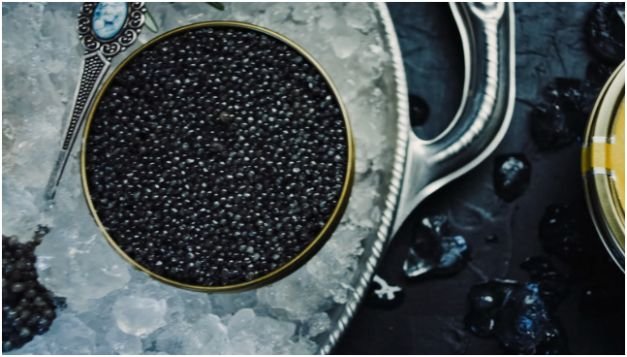
Good caviar does not taste like a spoonful of saltwater. It should taste clean, rich, and balanced. The best way I describe it is “buttery ocean flavor with a soft pop.”
The Texture Test
Caviar should have distinct beads. When you press the eggs gently against the roof of your mouth, they should pop and release their flavor. The texture should not feel mushy, slimy, or watery.
That pop is one reason people eat caviar plain before adding garnishes. It lets you judge the eggs without distraction.
The Flavor Test
The flavor depends on the species, curing method, and quality. Most good caviar tastes savory, mildly salty, buttery, and briny. Some types taste nutty. Others taste more mineral-rich or intense.
High-quality caviar should never smell harsh or taste overly fishy. A clean ocean finish is normal. A sour, metallic, or muddy flavor is a warning sign.
Main Types of Caviar to Know
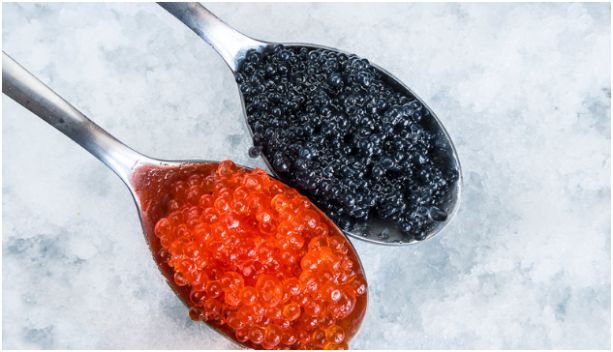
The caviar world can feel confusing at first, but a few names appear again and again. Beluga, Osetra, Sevruga, and Sterlet are among the most recognized traditional types.
Beluga Caviar
Beluga is famous for large, soft pearls and a buttery finish. It is often described as the most luxurious type. Its eggs can appear pale gray to dark gray.
Beluga has also become closely tied to conservation concerns because wild sturgeon populations have faced heavy pressure. For modern buyers, legal sourcing and proper labeling matter as much as flavor.
Osetra Caviar
Osetra is one of my favorite beginner-friendly luxury choices because it has personality without being too intense. The eggs are usually medium-sized and can range from brown to golden.
Its flavor often leans nutty, buttery, and slightly savory. If you like aged cheese, toasted nuts, or rich seafood, Osetra can feel familiar in a surprising way. It also pairs nicely with simple appetizers and even boards that include types of gourmet cheese.
Sevruga Caviar
Sevruga has smaller eggs and a stronger taste. It usually delivers a sharper, more concentrated savory flavor.
I think of Sevruga as the choice for someone who already enjoys bold briny foods, such as oysters, anchovies, or cured seafood. It is not always the easiest first taste, but it can be memorable.
Sterlet Caviar
Sterlet caviar is less common but still worth knowing. It usually has small golden-gray pearls and a flavor similar to Sevruga, though often a bit more delicate.
Because availability varies, buyers should check the product source, species, and label details before paying a premium price.
Caviar Alternatives
Salmon roe, trout roe, capelin roe, whitefish roe, and paddlefish roe are often used as more affordable alternatives. They may look similar, but each has a different texture and flavor.
Salmon roe is larger, orange, and juicy. Capelin roe is tiny and crunchy. Paddlefish roe can resemble sturgeon caviar more closely, but it still comes from a different fish group.
CITES defines caviar broadly for trade purposes within Acipenseriformes, including sturgeons and paddlefish, but culinary and labeling use often makes a stricter distinction.
How to Serve Caviar the Right Way
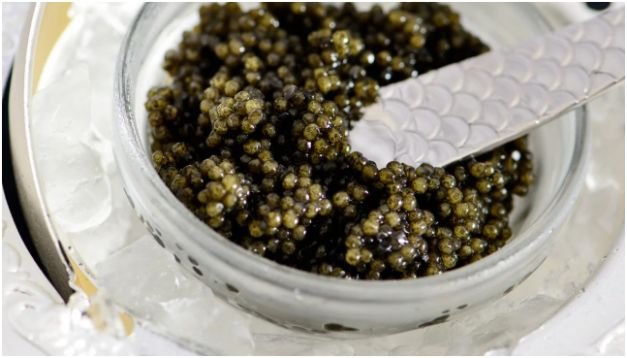
Caviar is not difficult to serve, but it punishes overcomplication. The goal is to keep it cold, protect the flavor, and let the eggs shine.
Keep It Cold
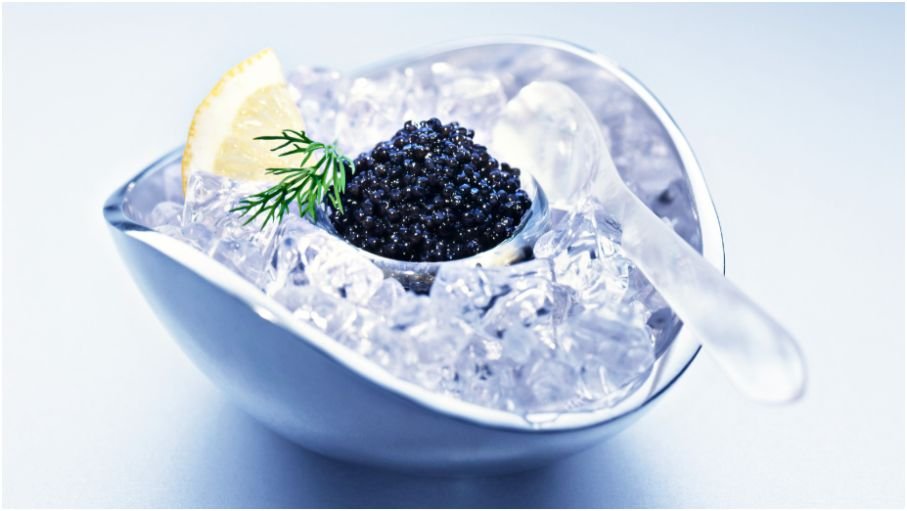
Serve caviar ice-cold. Place the tin in a small bowl of crushed ice and open it shortly before eating. Caviar is highly perishable, so refrigeration is essential.
Once opened, it tastes best when eaten quickly. Do not leave it sitting on a warm counter while guests slowly graze.
Choose the Right Spoon
Use a mother-of-pearl, bone, glass, wood, or plastic spoon. Many hosts avoid silver or stainless steel because metal can affect the delicate taste and create a metallic note.
This detail may sound fancy, but it makes sense once you taste caviar directly. The clean flavor is the whole point.
Pair It Simply
Classic pairings include blinis, toast points, small potatoes, crème fraîche, chopped egg whites, chives, and minced onion. I prefer starting with plain caviar first, then adding a creamy or neutral base.
Warm blinis work well because they offer softness without stealing attention. Boiled potatoes are another underrated option. Their mild flavor lets the caviar taste luxurious without making the bite feel too rich.
How I Judge a Good Tin of Caviar
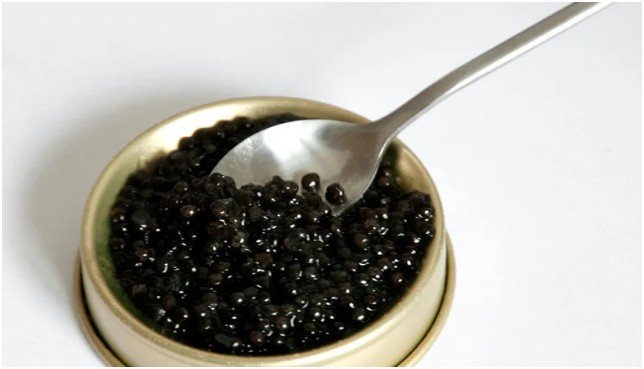
My simple test has four steps: look, smell, taste, and finish.
First, I check the eggs. They should look glossy, separate, and intact. Then I smell the tin. It should smell fresh and lightly briny, not sour or aggressively fishy.
Next, I taste a small amount without garnish. I look for a clean pop, balanced salt, and a finish that fades pleasantly. If the flavor becomes metallic, muddy, or bitter, I know something is off.
Finally, I check the label. Authentic sturgeon caviar sold in international trade uses CITES labeling details, including species code, source code, country of origin, and year of harvest. This helps trace legal trade and supports sturgeon protection.
Common Mistakes Beginners Make With Caviar
The biggest mistake is serving caviar too warm. Heat dulls the texture and makes the flavor heavier. Keep it chilled until the moment you serve it.
Another mistake is piling on too many toppings. Crème fraîche, onions, eggs, and herbs can work, but too much garnish hides the caviar. Start simple.
Many beginners also buy the biggest tin first. I suggest starting small. Try one modest tin of Osetra-style or another reputable sturgeon caviar before spending heavily.
The last mistake is treating every Roe product as the same thing. If your goal is to understand what is caviar, begin with the label. True caviar has a specific source, and the difference becomes clear once you taste it beside salmon or trout roe.
FAQs About Caviar
1. Is caviar always from sturgeon?
In strict culinary and U.S. labeling use, true caviar comes from sturgeon roe. Roe from salmon, trout, capelin, or whitefish is usually labeled by fish type.
2. Why is caviar so expensive?
Caviar is expensive because sturgeon take years to mature, the roe requires careful handling, and legal sourcing adds cost. Rarity, species, egg size, and quality also affect price.
3. What is the best caviar for beginners?
Osetra is a strong beginner choice because it tastes buttery, nutty, and balanced. It feels luxurious without being as intense as Sevruga or as costly as Beluga.
4. How much caviar should I serve per person?
For a tasting, serve about half an ounce to one ounce per person. For a garnish, a small spoonful is enough.
Final Bite: Don’t Let the Tiny Pearls Intimidate You
I used to think caviar was only for formal dinners and people who already knew the rules. After tasting it properly, I see it as a small luxury that rewards attention.
Start with a small tin. Serve it cold. Use the right spoon. Taste it plain before adding anything else. Once you understand the pop, brine, butteriness, and finish, what is caviar becomes more than a definition. It becomes an experience.