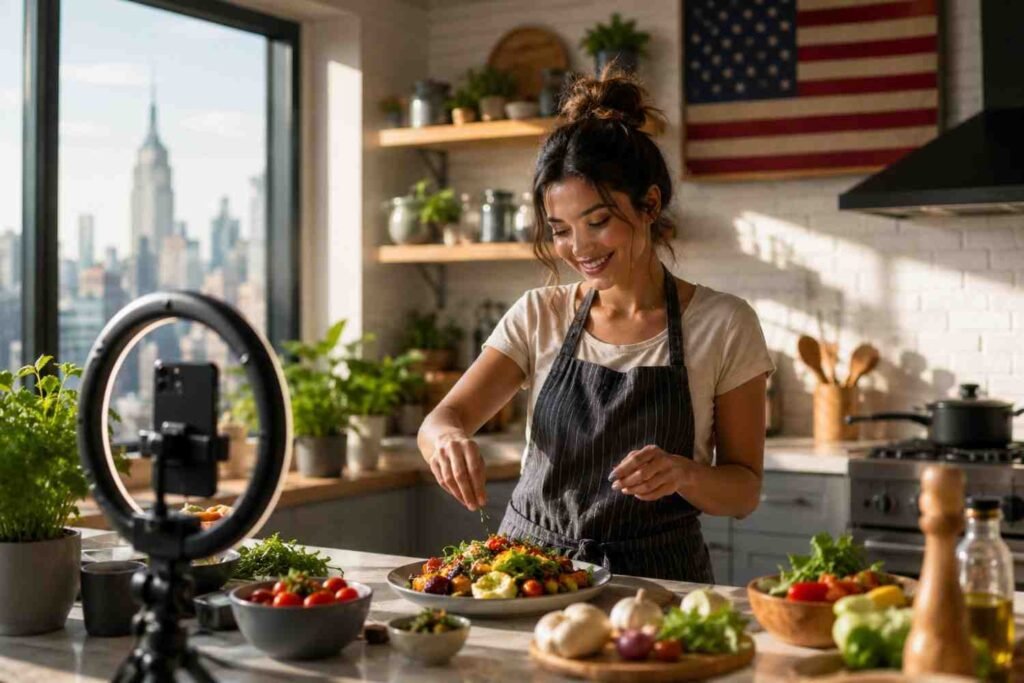
Food used to be personal in a quieter way. Recipes stayed inside families, restaurant recommendations traveled through conversations, and most people cooked the same handful of meals every week. Then social media changed everything. Suddenly, food became public, visual, and deeply connected to identity. What people ate, cooked, photographed, and shared started saying something about who they were.
That shift completely reshaped the modern culinary lifestyle. Cooking is no longer viewed as just a household task. Dining out is not only about taste anymore. Social platforms turned food into entertainment, self-expression, creativity, and even community. A single viral video can influence grocery shopping habits overnight, while one trending restaurant can become fully booked within days.
Food Became A Visual Experience First
Why Presentation Matters More Than Ever
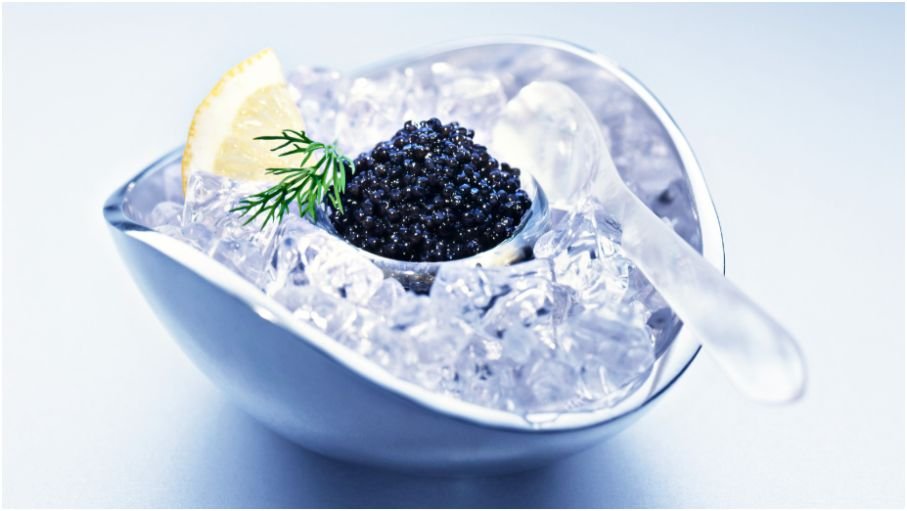
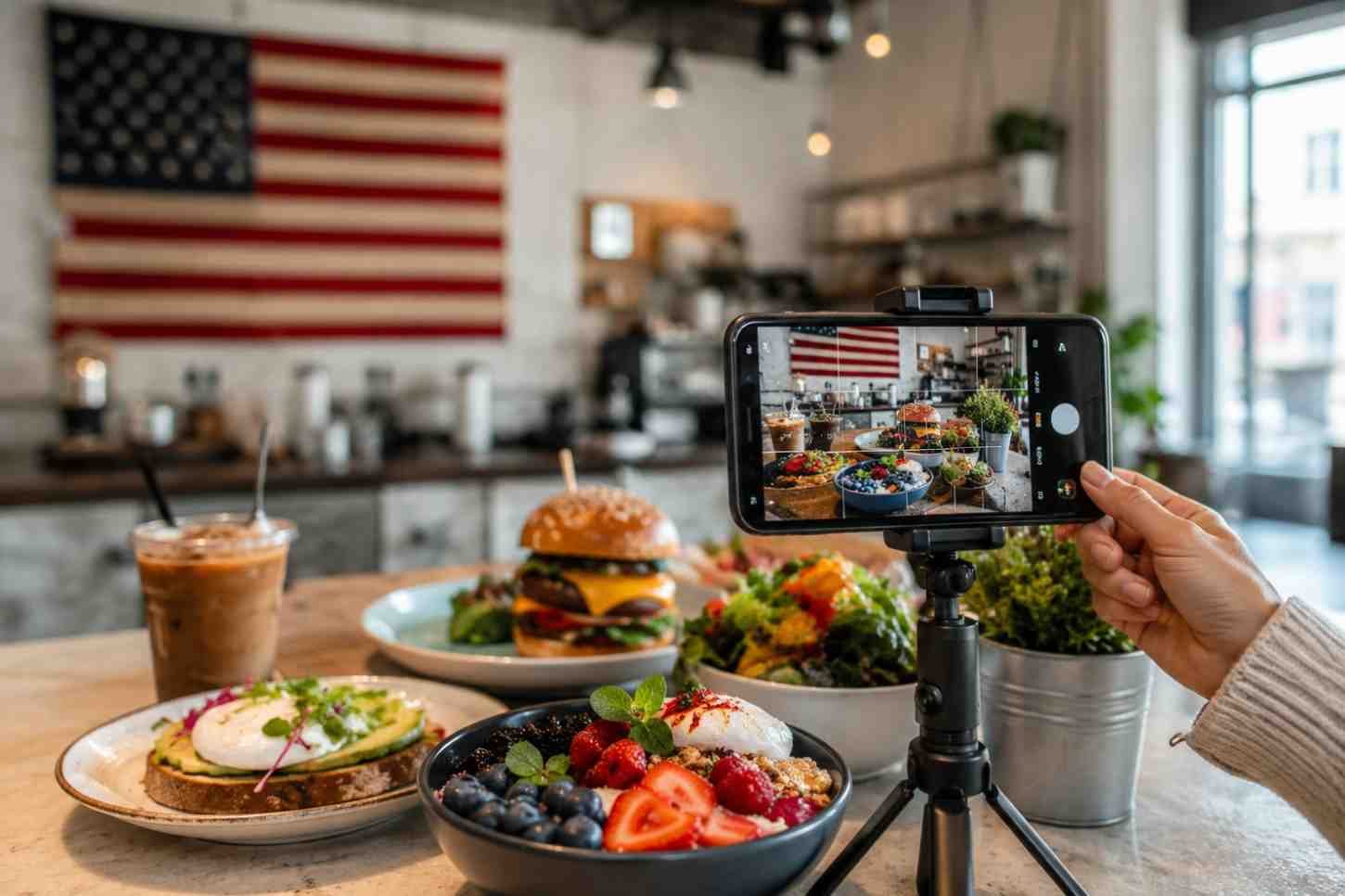
One of the biggest changes social media introduced was visual dining culture. Platforms like Instagram trained people to see food before tasting it. Meals that look vibrant, dramatic, or aesthetically satisfying naturally perform better online, and restaurants quickly adapted to that reality.
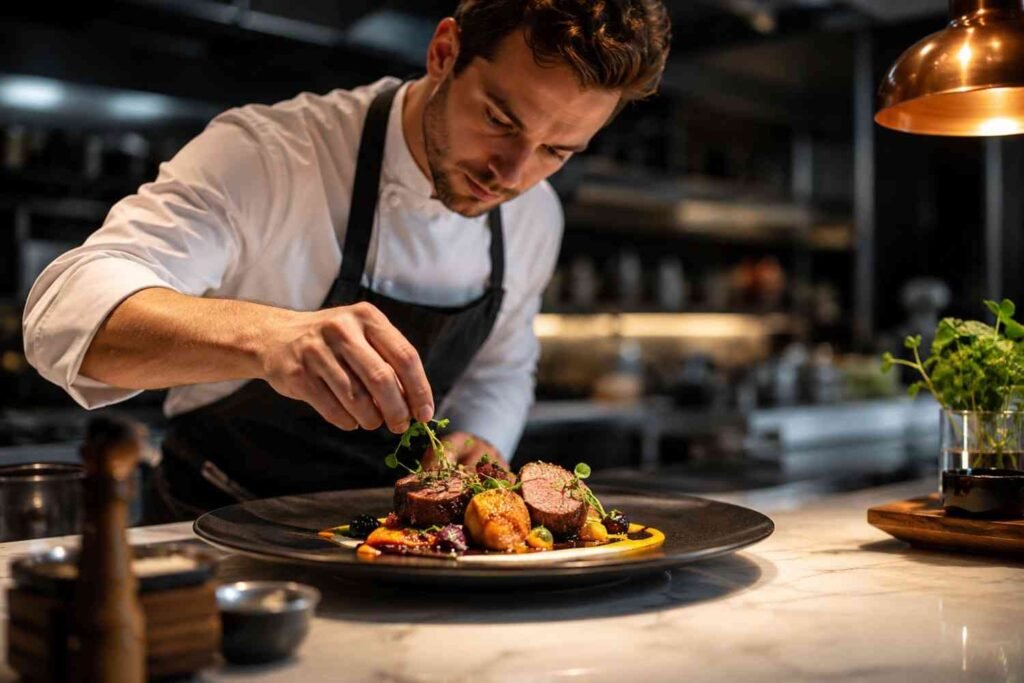
Today, chefs think beyond flavor profiles. They consider lighting, plating, color contrast, textures, and presentation because visually appealing dishes attract attention online. Drinks arrive with smoke effects, desserts are layered dramatically, and tableside preparation becomes part of the experience itself.
Even casual cafés now design interiors around social sharing. Neon quotes, textured walls, artistic plating, and natural lighting all exist partly because customers want photo-worthy dining experiences.
The Camera Eats First
The phrase “the camera eats first” perfectly captures modern dining behavior. Many people instinctively photograph meals before taking a bite because food content has become part of everyday social interaction.
That behavior also shaped home cooking trends. People now pay more attention to how meals look on a plate, even at home. Simple breakfasts are styled carefully. Coffee routines become aesthetic rituals. Weekend cooking often feels creative instead of purely functional.
The modern culinary lifestyle is heavily influenced by visual storytelling.
Social Media Made Home Cooking Feel Trendy Again
Cooking Became More Accessible
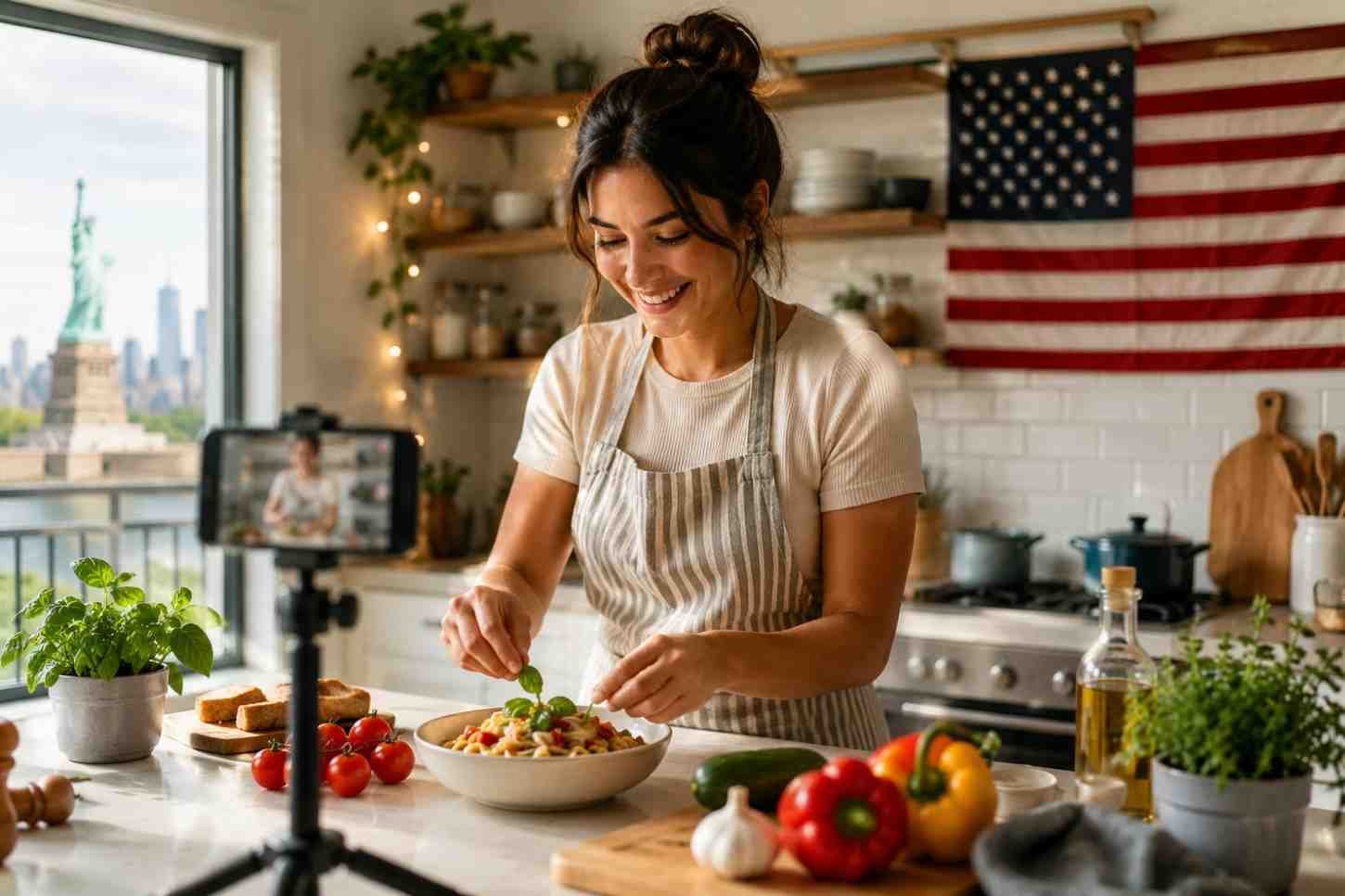
For years, cooking content has often felt intimidating to beginners. Long recipe blogs, technical instructions, and professional cooking shows created distance between viewers and actual cooking. Social media completely changed that.
Short-form recipe videos simplified the process. A complicated dish could suddenly feel manageable in less than sixty seconds. Instead of perfection, creators focused on relatability and convenience.
That shift encouraged more people to experiment in the kitchen. Young adults started cooking meals they previously ordered from restaurants. Busy professionals began saving quick meal-prep videos. Parents discovered budget-friendly dinner ideas that actually fit real schedules.
Cooking slowly transformed from a chore into a lifestyle habit again.
Viral Recipes Started Influencing Grocery Stores
One viral recipe can now reshape consumer demand almost instantly. When certain foods trend online, grocery stores feel the impact within days.
People suddenly begin searching for specific sauces, cheeses, spices, or cooking tools because creators repeatedly feature them online. Viral pasta recipes, protein-heavy snack bowls, whipped drinks, and air fryer meals all influenced purchasing behavior in noticeable ways.
This is one reason social media food trends move so quickly. Platforms create constant exposure, which naturally influences curiosity and buying habits. Food discovery no longer happens slowly through magazines or television. It happens through algorithms.
The Rise Of Food Influencers Changed Consumer Trust
People Trust Creators More Than Advertisements
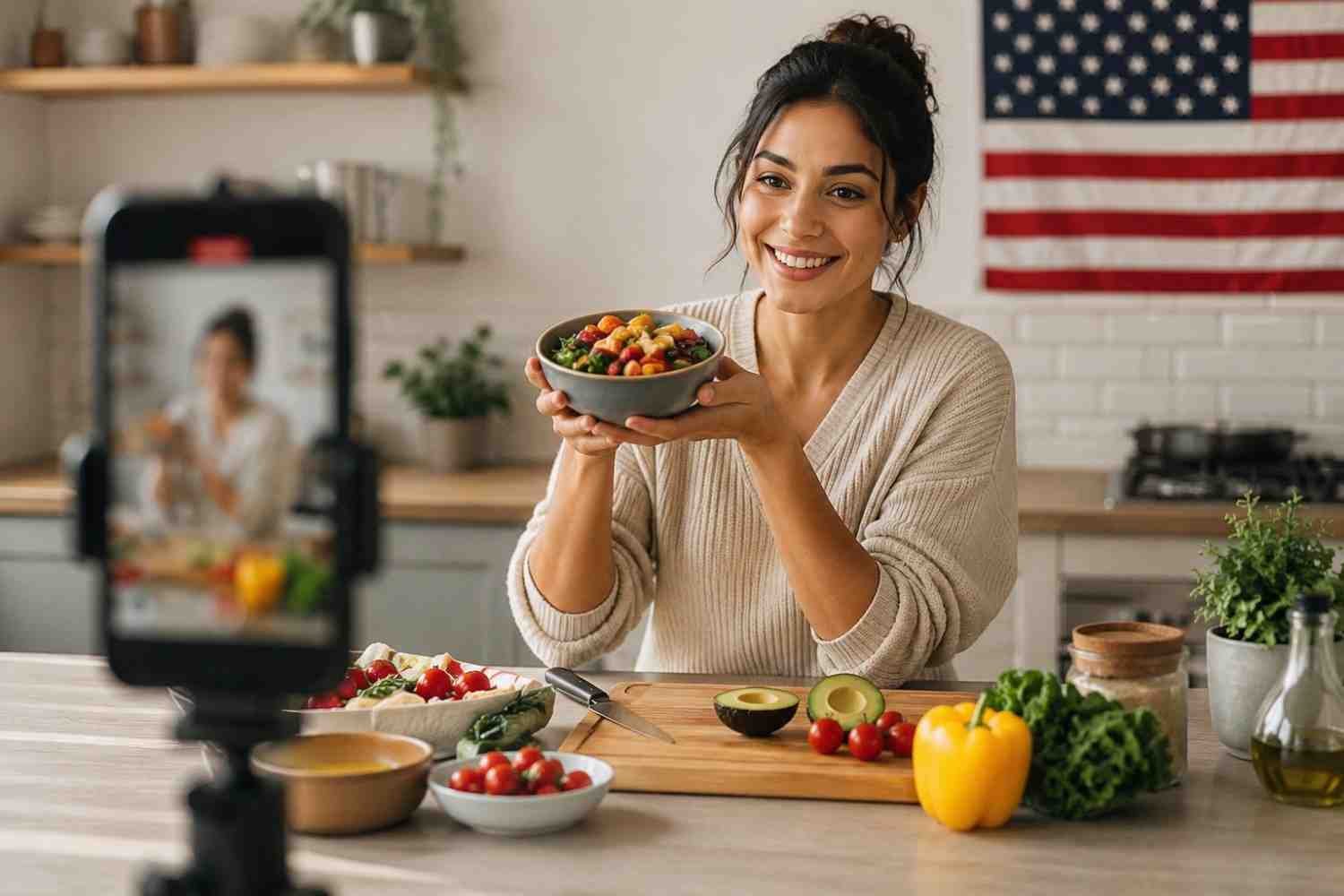
Food influencers now shape dining culture in ways traditional advertising rarely can. Audiences follow creators because their content feels personal and familiar. Instead of polished commercials, viewers see real kitchens, honest reactions, quick recipes, and everyday routines.
That relatability builds trust.
When creators recommend a restaurant, kitchen gadget, or recipe ingredient, audiences often respond immediately because the recommendation feels authentic. Many diners now discover restaurants through creators before seeing any traditional advertisement.
This creator-led influence also changed restaurant marketing. Businesses increasingly invite food creators to experience menus because online visibility can directly affect customer traffic.
Cooking Content Became Entertainment
Modern food content is not always educational. Sometimes people simply enjoy watching someone cook.
That entertainment factor became a huge part of the modern culinary lifestyle. Viewers watch recipe videos for comfort, humor, storytelling, or inspiration, even when they never plan to recreate the dish themselves.
Creators understand this behavior well. Many successful food personalities focus on personality and storytelling as much as recipes. Audiences stay for the creator’s energy, opinions, and daily routines, not only the food itself.
That emotional connection is what separates modern food culture from older cooking media.
Social Media Expanded Global Culinary Exposure
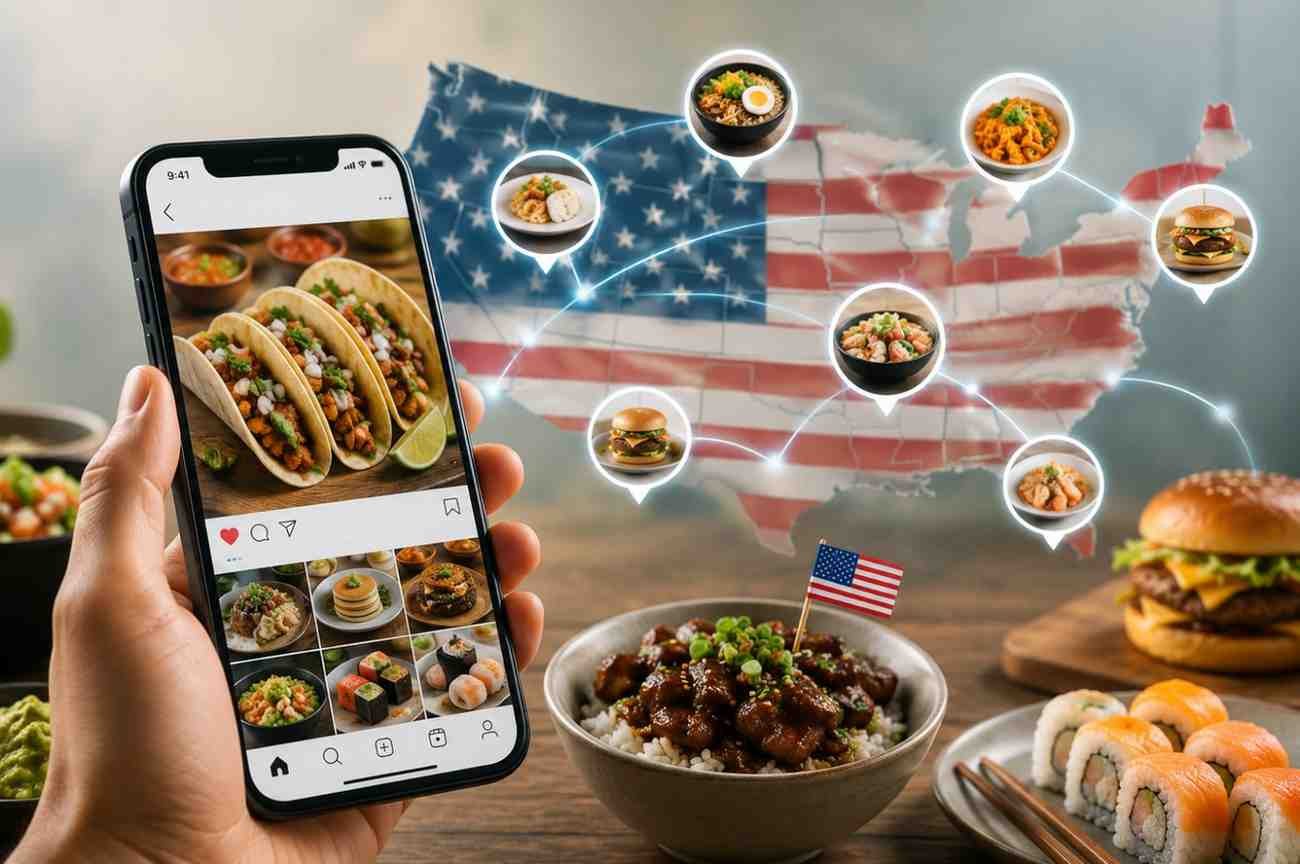
Regional Foods Can Reach Millions Overnight
Digital food culture erased many geographic barriers to cuisine discovery. Dishes once limited to local communities now gain worldwide recognition through a single viral post.
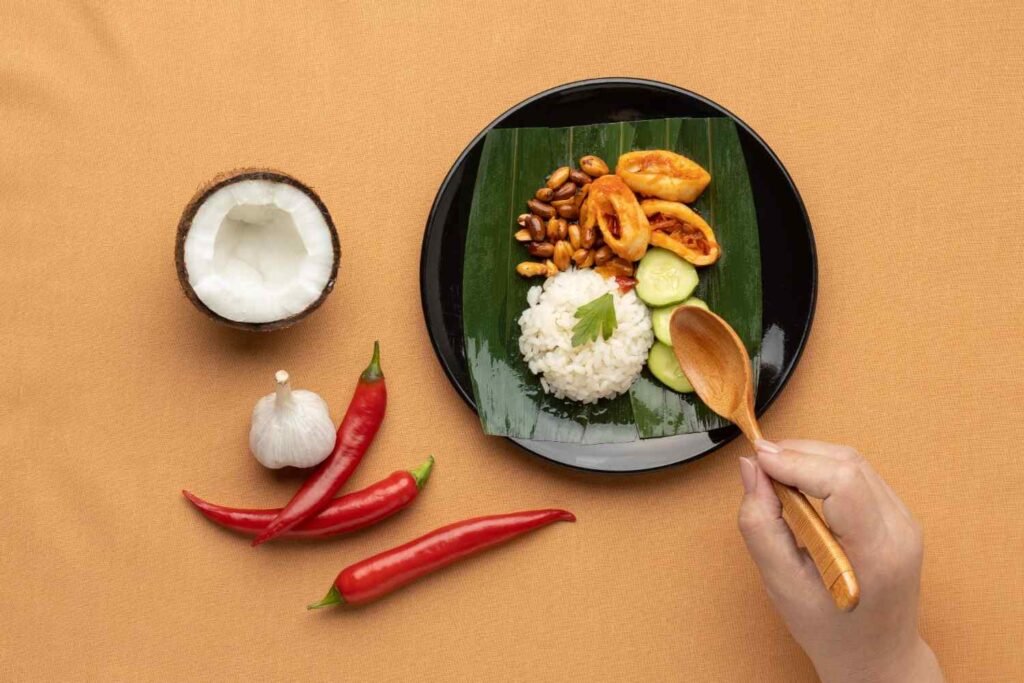
People regularly discover regional specialties, traditional cooking methods, and unfamiliar ingredients through social platforms. Foods like birria tacos, Korean corn dogs, Turkish eggs, and handmade dumplings became mainstream partly because creators shared them in engaging ways online.
This exposure created more curiosity around global food culture. Audiences are increasingly open to trying unfamiliar flavors because social media has made international cuisine feel approachable rather than intimidating.
Food Became Cultural Storytelling
Many creators now use cooking content to preserve and share cultural identity. Instead of simply posting recipes, they explain family traditions, historical context, and personal memories connected to food.
That storytelling adds emotional depth to online cooking content.
Viewers are not only learning how to make a dish. They are learning why it matters to someone. This helped food content become more personal and community-driven instead of purely trend-focused.
The modern culinary lifestyle now includes culture, memory, identity, and digital connection all at once.
FAQs: How Social Media Helped Shape the Modern Culinary Lifestyle
1. How has social media influenced the modern culinary lifestyle?
Social media changed how people discover recipes, choose restaurants, and view cooking. It turned food into entertainment, visual culture, and lifestyle expression.
2. Why do viral food trends spread so quickly?
Platforms like TikTok and Instagram push engaging content rapidly through algorithms. Easy recipes and visually satisfying meals naturally gain attention and encourage people to recreate them.
3. How do food influencers affect consumer behavior?
Food influencers shape restaurant popularity, grocery purchases, cooking habits, and wellness trends because audiences often trust creator recommendations more than traditional advertising.
4. Did social media make home cooking more popular?
Yes. Short-form cooking videos made recipes easier to understand and encouraged more people to cook creatively at home instead of relying only on takeout or restaurant meals.
Final Thoughts
The modern culinary lifestyle is no longer shaped only by chefs, restaurants, or family traditions. Social media now plays an enormous role in defining how people cook, eat, discover food, and connect with others. Platforms transformed meals into experiences that are visual, emotional, and deeply tied to identity. What started as simple food sharing evolved into an entire digital culture around cooking and dining.
At the same time, social media made food feel more accessible and creative for everyday people. Anyone can now discover global cuisines, learn new techniques, or build community through cooking without stepping outside their kitchen.