The first time I learned how to serve caviar properly, I realized the magic was not only in the tin. It was in the chill, the spoon, the tiny warm blini, and the quiet little reveal at the table.
Caviar can feel intimidating because it looks expensive and delicate. But restaurant-style service follows a simple rhythm. Keep it cold. Handle it gently. Pair it with clean flavors. Give guests a small sense of ceremony.
That is the difference between putting caviar on a plate and serving it like a pro.
Why Restaurant-Style Caviar Service Feels Different

Fine-dining restaurants do not treat caviar like a spread. They treat it like a featured course.
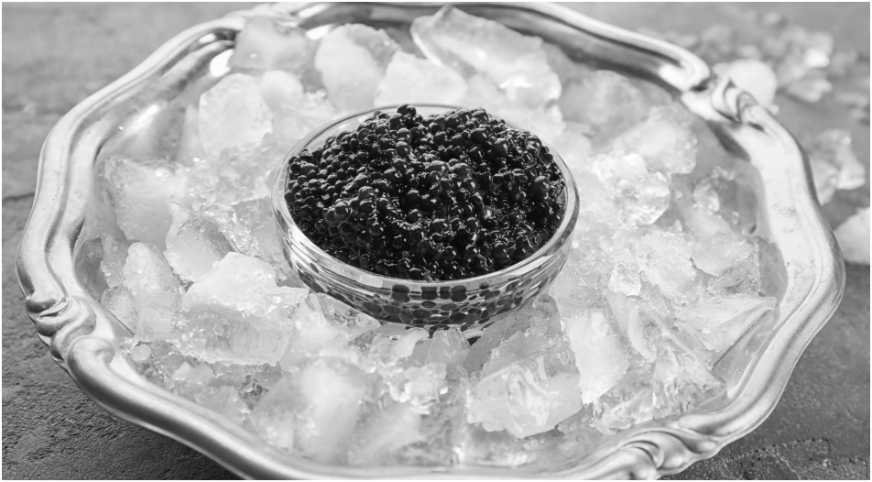
The tin arrives cold, usually nestled in crushed ice. The lid opens at the table. The spoon is mother-of-pearl, glass, or another non-reactive material. The garnishes sit in neat ramekins. The blinis or toast points stay warm under linen.
That presentation matters because caviar is fragile. It has natural oils, a soft briny flavor, and a delicate pop. A careless setup can flatten the experience fast.
Food safety matters too. The FDA advises keeping seafood in a refrigerator at 40°F or below if it will be used within two days, or storing it properly in the freezer for longer storage. Caviar brands often recommend even colder storage ranges for unopened tins, but the safe rule for home serving is simple: keep it very cold until the moment it reaches the table.
How to Serve Caviar Without Ruining the Flavor
Keep the Tin Ice-Cold Until Serving
Caviar should stay in the coldest part of your refrigerator until the final setup. I do not place it on the counter while I prep garnishes. I prep everything first, then bring out the tin.
For serving, place the original tin inside a glass or crystal bowl filled with crushed ice. You can also place a small non-metal bowl inside a larger ice-filled bowl. The goal is to protect texture and freshness.
This is where many home setups fail. People plate caviar too early. Then it warms, softens, and loses that clean pop.
Use the Right Spoon and Bowl
Avoid silver, steel, and reactive metal spoons. They can interfere with the delicate taste and create a metallic note. Mother-of-pearl spoons are the classic choice, but glass, porcelain, or food-safe plastic can also work.
The spoon should scoop, not press. Caviar pearls bruise easily. I always scoop gently from top to bottom instead of stirring the tin.
If you are new to caviar and still learning what is caviar, start with a plain taste before adding toppings. That first bite helps you notice the salt, butteriness, nuttiness, and clean ocean finish.
Open the Tin at the Table
For a restaurant-style touch, bring the sealed tin to the table on ice. Open it in front of guests with a caviar key or even a clean coin.
This small reveal changes the mood. It makes the moment feel intentional. It also shows freshness, which matters when serving something so delicate.
Best Caviar Accompaniments for a Pro Setup
Warm Bases: Blinis, Toast Points, and Potatoes
The best bases stay neutral. They support the caviar without stealing attention.
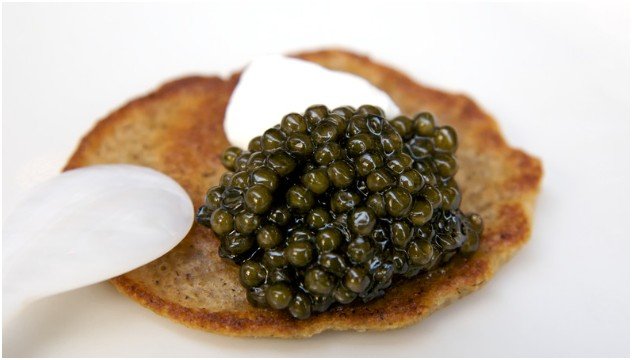
Blinis are the classic choice. These small pancakes add warmth and softness. Toast points add crunch. Mini boiled potatoes bring a simple, buttery base that works beautifully with crème fraîche.
I prefer warm blinis wrapped in a folded linen napkin. That keeps them soft and warm while the caviar stays cold. The contrast feels elegant and balanced.
Creamy, Fresh, and Sharp Garnishes
Classic caviar garnishes include crème fraîche, sour cream, chives, minced shallots or red onion, and hard-boiled egg whites and yolks served separately. Le Chef’s Wife lists blinis, toast points, crème fraîche, lemon, chopped egg, shallots, and chives among common traditional accompaniments.
For a pro setup, cut the garnishes finely. Restaurants often use a brunoise-style cut, meaning tiny, even pieces. It looks cleaner and tastes better because no single garnish dominates the bite.
Place each garnish in a separate ramekin. Keep colors grouped: white egg, yellow yolk, green chives, pale crème fraîche, and purple shallot. That simple visual order makes the platter look expensive.
The Restaurant Bite Formula
My favorite pro bite follows this order: warm base, thin crème fraîche layer, tiny pinch of chive, then a generous scoop of caviar on top.
Do not bury caviar under toppings. It should sit high and visible. The toppings support it, not hide it.
For a pure tasting, try caviar alone first. Some caviar experts recommend tasting it without accompaniments so you can feel the bead and notice the buttery finish before pairing it with blinis or cream.
How Much Caviar to Serve Per Person

For a formal tasting or appetizer, plan around 15 grams per person. For a fuller caviar course, plan closer to 28 grams per person. Some caviar serving guides suggest about ½ ounce for a light tasting and 1 ounce for a classic service.
If caviar is the star of the night, buy more than you think. Guests often start politely, then return for another bite once they realize how good the setup is.
A 30-gram tin works well for two people as a special appetizer. A 50-gram tin can serve three to four people if you offer blinis, crème fraîche, eggs, and drinks.
What to Drink With Caviar
Champagne works because its acidity and bubbles cut through caviar’s richness. Choose brut Champagne or a dry sparkling wine. Avoid sweet bottles because sugar can fight the salty, buttery flavor.
Vodka gives a different experience. Serve it straight from the freezer in chilled glasses. Good freezer-cold vodka feels slightly thicker when poured, which makes it smooth beside cold caviar.
Both pairings work, but they create different moods. Champagne feels celebratory. Vodka feels traditional and clean.
Casual vs Fine-Dining Caviar Service

Restaurant-style service is beautiful, but casual caviar can still feel smart.
A salted potato chip with crème fraîche and caviar is the easiest high-low bite. It gives crunch, salt, cream, and pop in one move. Use thick chips so they do not break.
The caviar bump is another modern style. Place a small spoonful on the back of your hand between the thumb and index finger. Wait a few seconds, then taste it directly. This warms it slightly and lets you taste the flavor without bread or cream.
For guests, I prefer offering both styles. Start with a pure taste, then build the classic blini bite, then finish with the potato chip version. That mini progression feels fun and memorable.
Common Caviar Serving Mistakes to Avoid
The biggest mistake is serving caviar too warm. Bring it out last, not first.
The second mistake is using a metal spoon. Even if the tin is metal, many tins have protective linings. A spoon touches the caviar directly, so choose mother-of-pearl, glass, porcelain, or another non-reactive option.
The third mistake is adding too many strong flavors. Lemon, onion, herbs, and egg can work, but use restraint. Caviar should lead the bite.
The fourth mistake is opening a tin too early. Once opened, caviar is highly perishable. Seafood safety guidance notes that opened caviar should be kept covered in the refrigerator and used within a short window, often no longer than two or three days.
FAQs
1. What is the proper way to serve caviar?
The proper way is to serve it ice-cold in its tin or a non-metal bowl over crushed ice. Use a mother-of-pearl, glass, or porcelain spoon. Pair it with blinis, toast points, crème fraîche, chives, shallots, and finely chopped egg.
2. How do restaurants serve caviar?
Restaurants often present the tin tableside over crushed ice, open it in front of guests, and serve it with neat ramekins of garnishes. Warm blinis or toast points usually come wrapped in linen.
3. Can I serve caviar with crackers?
Yes, but choose plain, unsalted, or lightly salted crackers. Strong flavored crackers can overpower the caviar. Toast points, blinis, and small potatoes usually feel more refined.
4. Should caviar be served cold or room temperature?
Caviar should be served cold. Keep it refrigerated until serving and place it over crushed ice at the table. Cold service helps protect texture, flavor, and freshness.
Sassy Final Bite: Keep It Cold, Keep It Classy
Once I learned how to serve caviar with the right temperature, spoon, base, and drink, it stopped feeling intimidating. The whole setup became simple: cold tin, warm blini, soft crème fraîche, clean garnish, and one confident scoop.
That is the real restaurant trick. Do less, but do it beautifully.
For your first pro-style service, start with a 30-gram tin, crushed ice, mother-of-pearl spoons, warm blinis, crème fraîche, chives, and brut Champagne. Keep the toppings small and let the caviar take the spotlight.