Food waste was mainly a back-of-house problem. A few expired products, a few bruised fruits, a few items that did not sell on time. But the more I look at modern retail, the clearer it becomes that waste is not a small issue hiding in the stockroom.
It touches profit, customer trust, freshness, storage, staff time, and brand reputation. That is exactly Why Food Waste Reduction Is a Retail Priority for any food business that wants to stay efficient, responsible, and competitive.
The Real Cost of Food Waste in Retail
Food waste is expensive long before it reaches the bin. A retailer pays to buy the product, receive it, store it, chill it, display it, mark it down, move it, and finally dispose of it. When food does not sell, the loss is not only the product cost. It also includes labor, energy, shelf space, packaging, and missed sales from better-performing items.
This matters even more in food retail because margins are often tight. A small amount of daily waste can turn into a serious monthly loss. Fresh produce, bakery items, dairy, meat, seafood, prepared meals, and grab-and-go foods are especially risky because their shelf life is short. If ordering is slightly wrong, the loss appears quickly.
Why Waste Reduction Protects Profit Margins
One of the biggest reasons retailers focus on waste is margin protection. Every unsold product weakens profitability. A store may look busy, but if too much fresh food expires before checkout, the numbers tell a different story.
Waste reduction helps retailers buy closer to real demand. It also helps teams avoid overstocking just to make shelves look full. Full displays may look attractive, but excess inventory often creates spoilage, markdown optimization pressure, and messy rotation problems.
Better waste control also improves pricing decisions. When teams know which items are moving slowly, they can use earlier discounts, bundle offers, smaller pack sizes, or recipe-based promotions before products lose value.
Freshness Is Now a Customer Trust Signal

Customers notice freshness. They notice soft produce, dry bakery items, tired salads, leaking packages, and near-expiry products that feel ignored. When this happens often, trust drops.
Retailers that manage waste well usually manage freshness well too. They rotate stock properly, keep displays clean, reduce expired items, and make the shopping experience feel more reliable. This is important because shoppers do not only buy food. They buy confidence.
A store known for fresh products can build repeat visits. A store known for waste, poor rotation, or inconsistent quality can lose customers quietly over time.
Inventory Accuracy Makes Waste Easier to Control
Food waste often starts with poor inventory visibility. If a retailer does not know what is already in storage, what is on the shelf, what is close to expiry, and what is selling slowly, waste becomes harder to prevent.
Accurate inventory data helps teams order better. It also helps them avoid duplicate buying, missed markdowns, and forgotten backroom stock. Even simple improvements, such as daily checks, clearer labels, and better shelf rotation, can reduce avoidable loss.
Forecasting Helps Retailers Stop Guessing
Demand changes quickly. Weather, holidays, local events, paydays, promotions, school schedules, and changing food trends can all affect what shoppers buy. If retailers rely only on habit, they may overorder some products and underorder others.
Good forecasting helps retailers understand patterns. It shows which products sell steadily, which move only during promotions, and which create repeated waste. This allows teams to adjust orders, display sizes, and replenishment frequency.
Forecasting is especially useful for fresh food departments. A bakery, deli, produce section, or prepared food counter cannot afford constant guesswork. Better planning keeps shelves stocked without turning extra inventory into waste.
Markdown Strategies Can Save Food Before It Expires

A product near its final selling date still has value if the retailer acts early. Waiting too long often means the item goes from sellable to unsellable overnight.
Smart markdown strategies help move food while it is still appealing. Retailers can use price reductions, meal deals, “use today” sections, bundle offers, and digital reminders to encourage faster sales. This works well for bakery items, chilled meals, produce, dairy, and prepared foods.
The key is timing. A small early discount is often better than a total loss later. Customers also appreciate value, especially when the product is still fresh and clearly labeled.
Food Donations Strengthen Community Trust
Not every unsold product needs to become waste. Safe, edible food can often be redirected through donation programs, community partners, shelters, and food recovery groups.
Donation does not replace good inventory management, but it adds a responsible second path for food that is still usable. It also shows that the retailer cares about the community, not just sales.
Clear donation processes matter. Staff need to know what can be donated, when it should be separated, how it should be stored, and who collects it. Without a system, good intentions can become inconsistent.
Staff Training Still Matters
Even the best system fails if the team does not understand it. Staff play a major role in reducing food waste because they handle products every day. Training should cover stock rotation, expiry checks, temperature control, product handling, damaged packaging, markdown timing, and donation rules.
Employees should also feel comfortable reporting patterns, such as a product that always spoils before selling or a display that is regularly overfilled. Waste reduction works best when it becomes part of daily retail culture, not just a monthly report.
Sustainability Is Now a Business Expectation
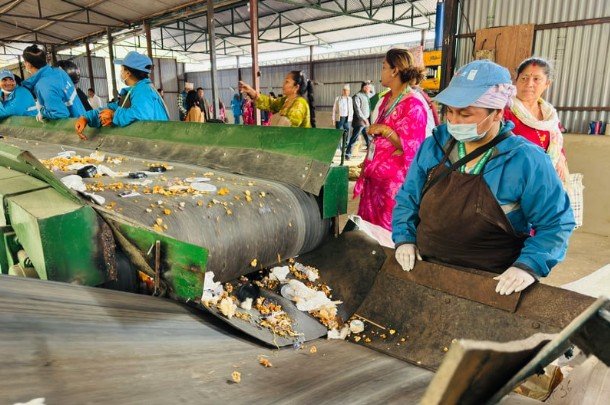
Food waste also affects environmental responsibility. Wasted food means wasted water, energy, transport, packaging, labor, and land use. When food ends up in landfill, it can also create harmful emissions.
More customers now expect food businesses to act responsibly. Retailers that reduce waste can support sustainability goals while also improving operations. This makes waste reduction one of the rare priorities that can help both the business and the planet.
How Retailers Can Make Waste Reduction a Competitive Advantage
The retailers that handle waste well are not just cutting losses. They are building a better business. They understand demand more clearly, protect freshness, improve customer confidence, support communities, and use resources more wisely.
This is Why Food Waste Reduction Is a Retail Priority for stores that want to stay ahead. It is not only about throwing away less. It is about running a cleaner, smarter, more trusted retail operation.
Frequently Asked Questions
1. Why Food Waste Reduction Is a Retail Priority for modern stores?
It is a priority because food waste affects profit, freshness, customer trust, labor, storage, disposal costs, and sustainability. Reducing waste helps retailers control shrink, improve inventory planning, and protect margins.
2. How does food waste affect retail profits?
Food waste reduces profits because retailers lose money on products they already purchased, handled, stored, displayed, and sometimes discounted. It also creates hidden costs through labor, energy, refrigeration, and disposal.
3. What causes food waste in food retail?
Common causes include overordering, poor forecasting, weak stock rotation, large displays, short shelf life, damaged packaging, unclear expiry tracking, and slow markdown decisions.
4. How can retailers reduce food waste quickly?
Retailers can start with better inventory checks, earlier markdowns, staff training, smaller fresh food batches, clear expiry labels, donation partnerships, and regular waste tracking.
5. Does reducing food waste improve customer loyalty?
Yes. Customers are more likely to trust stores that offer fresh products, fair prices, responsible practices, and consistent quality. Waste reduction supports all of these things.
Final Takeaways
When I look at food retail today, I do not see waste reduction as a side project anymore. I see it as one of the clearest signs of a well-run store. It protects margins, keeps food fresher, helps staff work smarter, and shows customers that the business takes responsibility seriously.
The stores that win will not be the ones that simply stock more. They will be the ones that stock smarter, act faster, and treat every product as value that should not be lost without a plan.