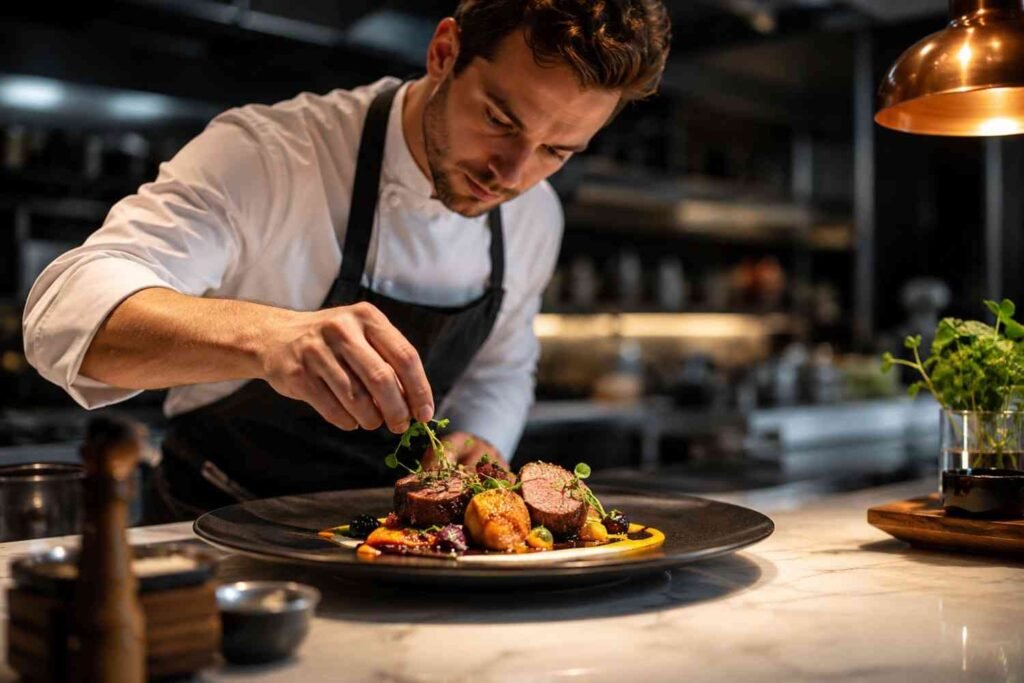
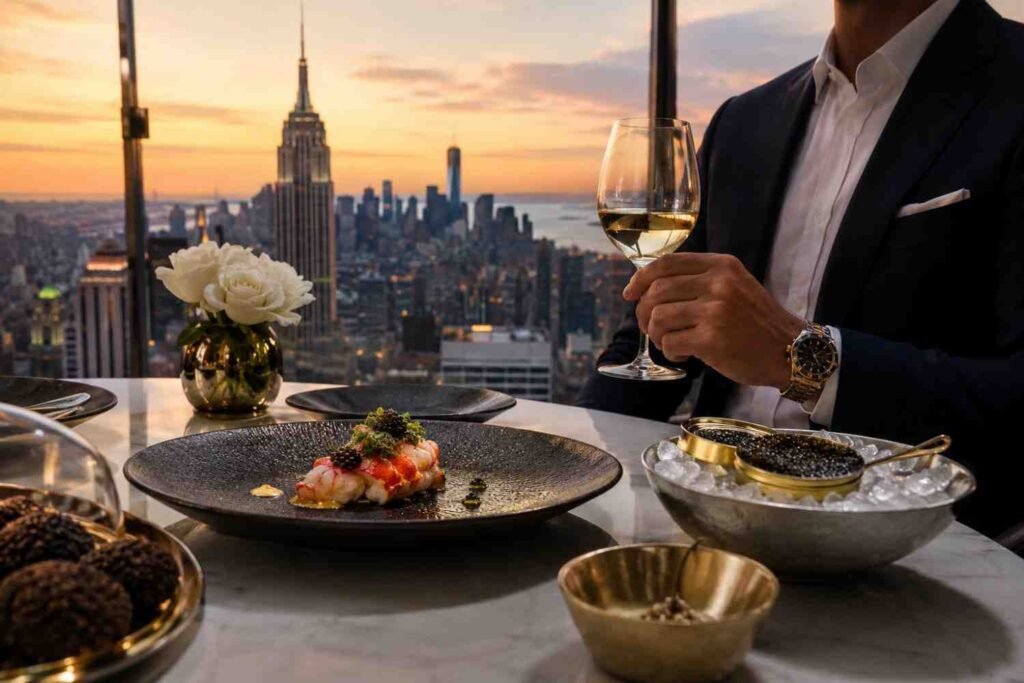
Luxury used to be easy to recognize. It was attached to designer logos, expensive cars, private clubs, and things people could physically own. Now, the definition feels different. A reservation at a difficult-to-book restaurant, a carefully curated tasting menu, or even access to a hidden dining event can carry just as much social value as traditional luxury goods.
Food slowly moved beyond basic consumption and became part of identity. People are no longer dining out only because they are hungry. They want experiences that feel exclusive, memorable, and culturally relevant. That shift completely changed how luxury food experiences are viewed today. Dining has become a reflection of lifestyle, taste, and social positioning in a way that few industries expected a decade ago.
The Shift From Ownership To Experiences
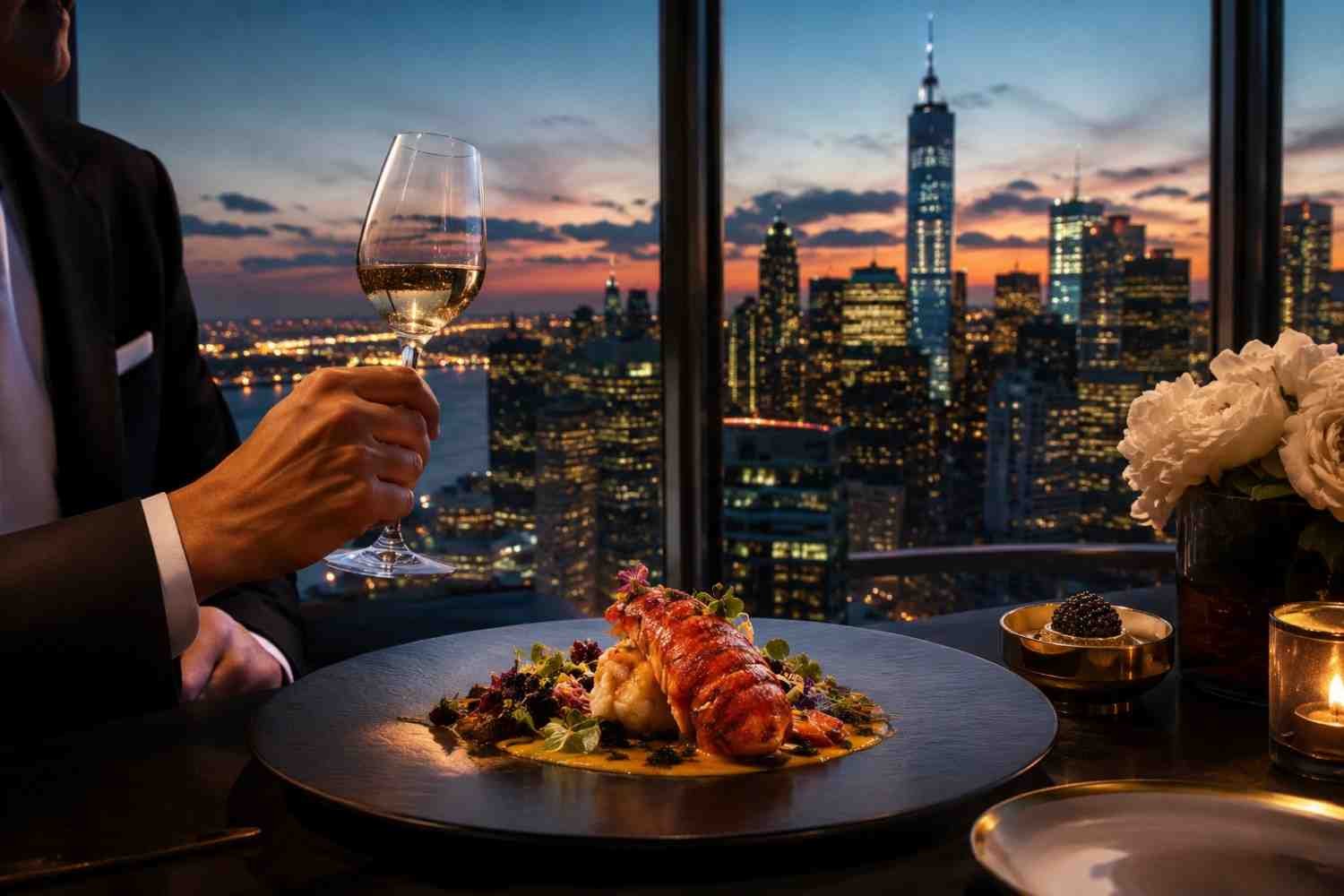
Consumer priorities have changed heavily over the last few years. Instead of chasing only physical possessions, many people started investing more in experiences that feel emotionally rewarding.
Experiences Feel More Meaningful Than Possessions
For younger consumers, especially, spending money on a memorable dinner often feels more satisfying than buying another product that eventually loses excitement. A luxury dining experience creates a story people remember, photograph, and talk about long after the meal ends.
That emotional connection matters. Fine dining culture today focuses less on simply serving expensive food and more on creating moments that feel rare and immersive. Restaurants now build entire environments around storytelling, atmosphere, presentation, and exclusivity.
Dining Became Part Of Lifestyle Identity
Luxury dining trends are also tied closely to personal branding. The restaurants people choose often reflect how they want to be perceived socially. Someone booking a chef’s counter or reservation-only tasting menu is not only paying for food. They are participating in a lifestyle experience.
The rise of the modern culinary lifestyle reflects this perfectly. Dining now overlaps with fashion, travel, wellness, design, and social media culture. Food became one of the most visible ways people express sophistication and personal taste.
Social Media Changed Food Culture Completely
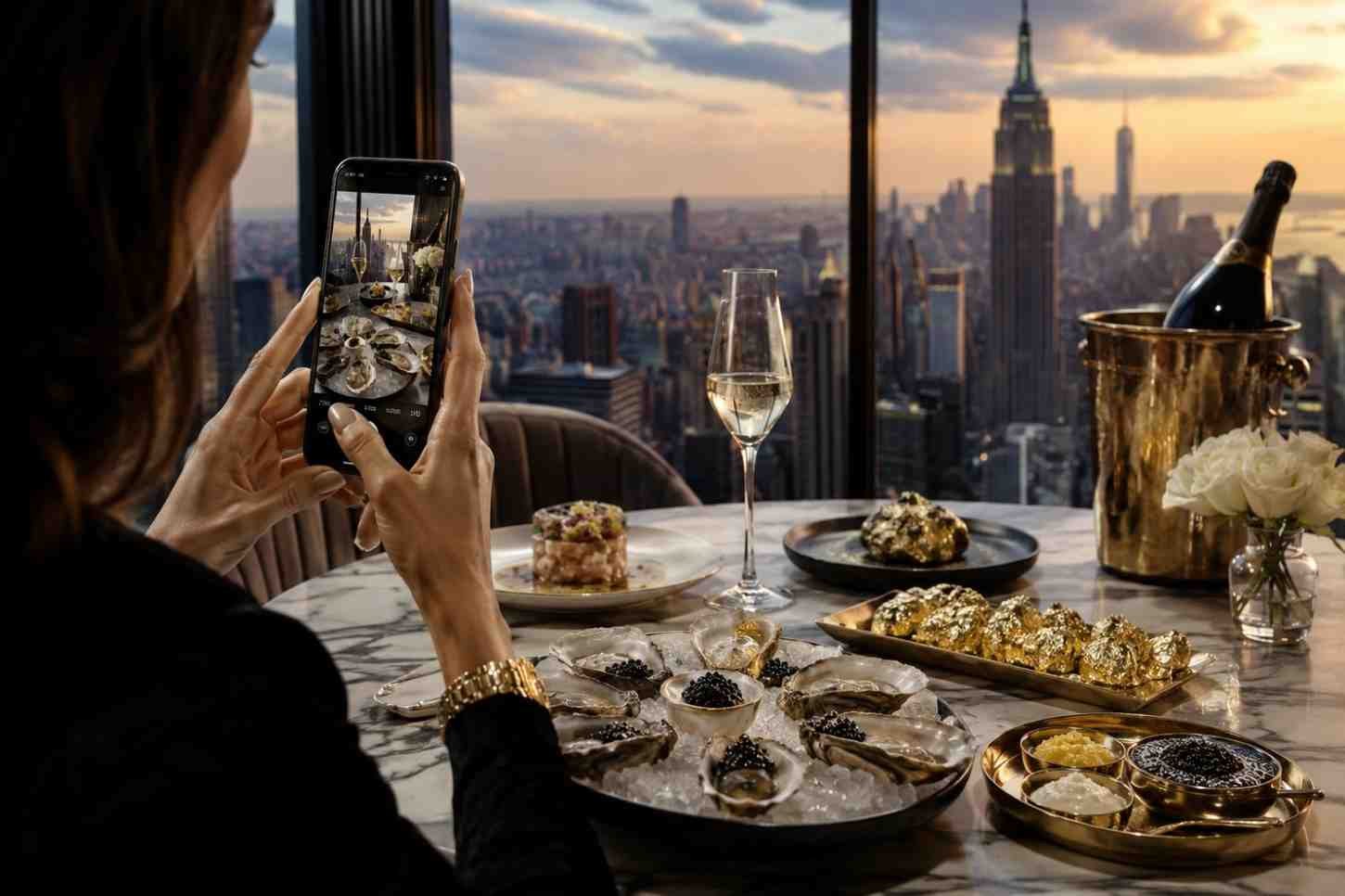
Social platforms played a massive role in turning food into a modern status symbol. Restaurants are now visual spaces as much as culinary spaces.
Food Became A Form Of Social Currency
People naturally share experiences online, and luxury dining creates highly shareable moments. Beautiful plating, dramatic interiors, personalized cocktails, and exclusive menus are designed to create reactions both inside and outside the restaurant.
A single photo from a high-end dining experience can instantly communicate wealth, access, cultural awareness, and trend consciousness. That visibility gave food a new level of social power.
Consumers now actively search for Instagram-worthy restaurants because the experience extends beyond the table itself. The social value attached to premium dining experiences became almost as important as the food quality.
Exclusive Access Creates Demand
Scarcity also increased the appeal of luxury food experiences. Restaurants with long waiting lists or difficult reservations naturally create curiosity and prestige.
People often want what feels limited or inaccessible. That psychology is not new, but dining culture amplified it dramatically. Being able to secure a reservation at an exclusive restaurant now functions almost like a cultural achievement.
In many cities, diners proudly discuss how long they waited for reservations or how difficult it was to access a certain chef’s tasting menu. The exclusivity itself becomes part of the attraction.
Wellness Became A Quiet Luxury Marker
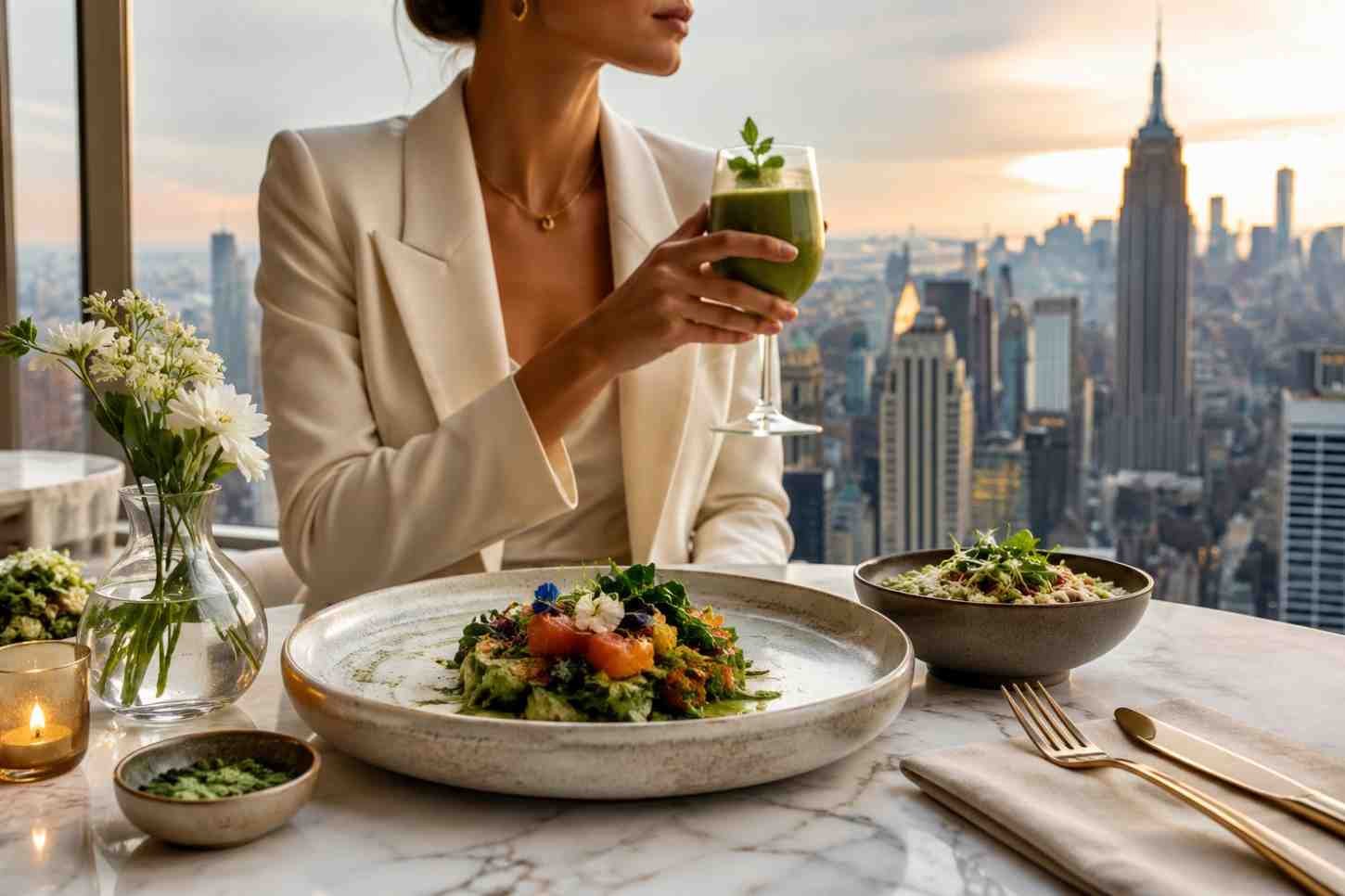
Luxury dining is no longer only about extravagance. Wellness culture changed how people define premium food experiences.
Healthy Eating Started Reflecting Financial Privilege
Fresh ingredients, organic produce, sustainable sourcing, and specialized wellness products often come with higher costs. Because of that, eating exceptionally well quietly became associated with financial comfort and social status.
Consumers now pay close attention to where ingredients come from, how meals are prepared, and whether restaurants support sustainability practices. Knowledge around food sourcing has become part of modern cultural sophistication.
This created a new version of quiet luxury. Instead of obvious displays of wealth, people increasingly signal status through curated health-conscious choices and premium dining habits.
Wellness And Luxury Now Overlap
Restaurants recognized this shift quickly. Many upscale dining spaces now highlight seasonal menus, local farms, low-waste kitchens, and functional ingredients. Luxury hospitality moved away from pure excess and toward intentional experiences that feel thoughtful and elevated.
That approach appeals strongly to modern consumers because it combines exclusivity with personal values. People want experiences that feel indulgent without appearing careless or outdated.
Fashion And Food Started Blending Together
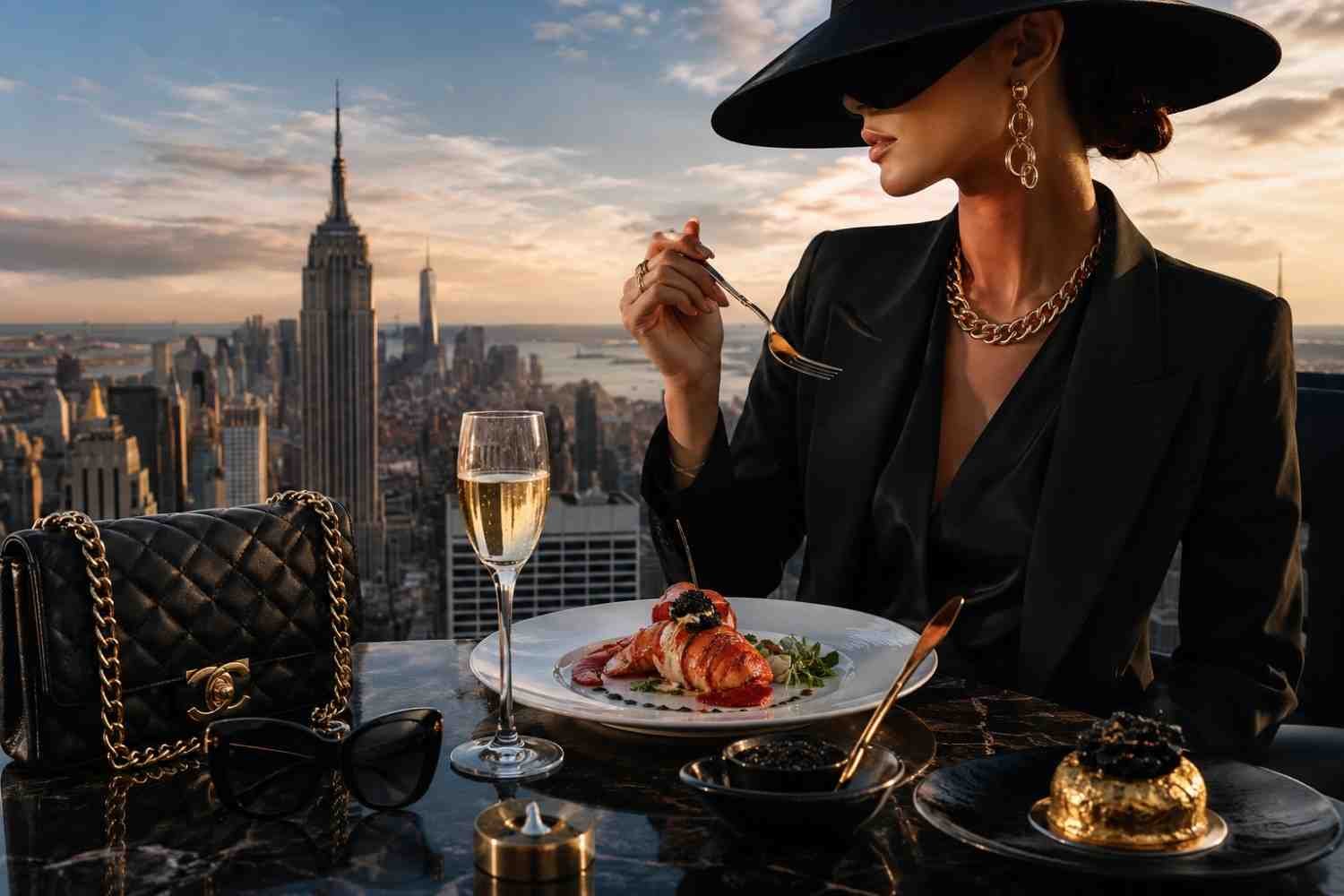
Another reason luxury food experiences became status symbols is the growing relationship between fashion and hospitality.
Designer Cafés Changed Consumer Access
Luxury fashion brands increasingly opened branded cafés, restaurants, and dessert spaces inside flagship stores. Suddenly, consumers could participate in luxury culture through smaller dining purchases rather than major retail spending.
A designer coffee or pastry may seem simple, but it gives customers a sense of connection to premium branding. That accessibility changed how luxury operates in everyday life.
Food also fits naturally into luxury marketing because dining creates emotional memories much faster than traditional advertising.
Restaurants Became Cultural Hotspots
Upscale restaurants today often function like social clubs. People visit not only for the menu but for the atmosphere, networking, and cultural relevance attached to the location.
Celebrity chef restaurants especially became symbols of modern prestige. Diners are often paying for reputation, storytelling, and social experience just as much as culinary craftsmanship.
This is why gourmet travel experiences continue growing globally. Travelers increasingly build trips around dining reservations, food festivals, and curated culinary tourism experiences.
Storytelling Became More Valuable Than Ingredients
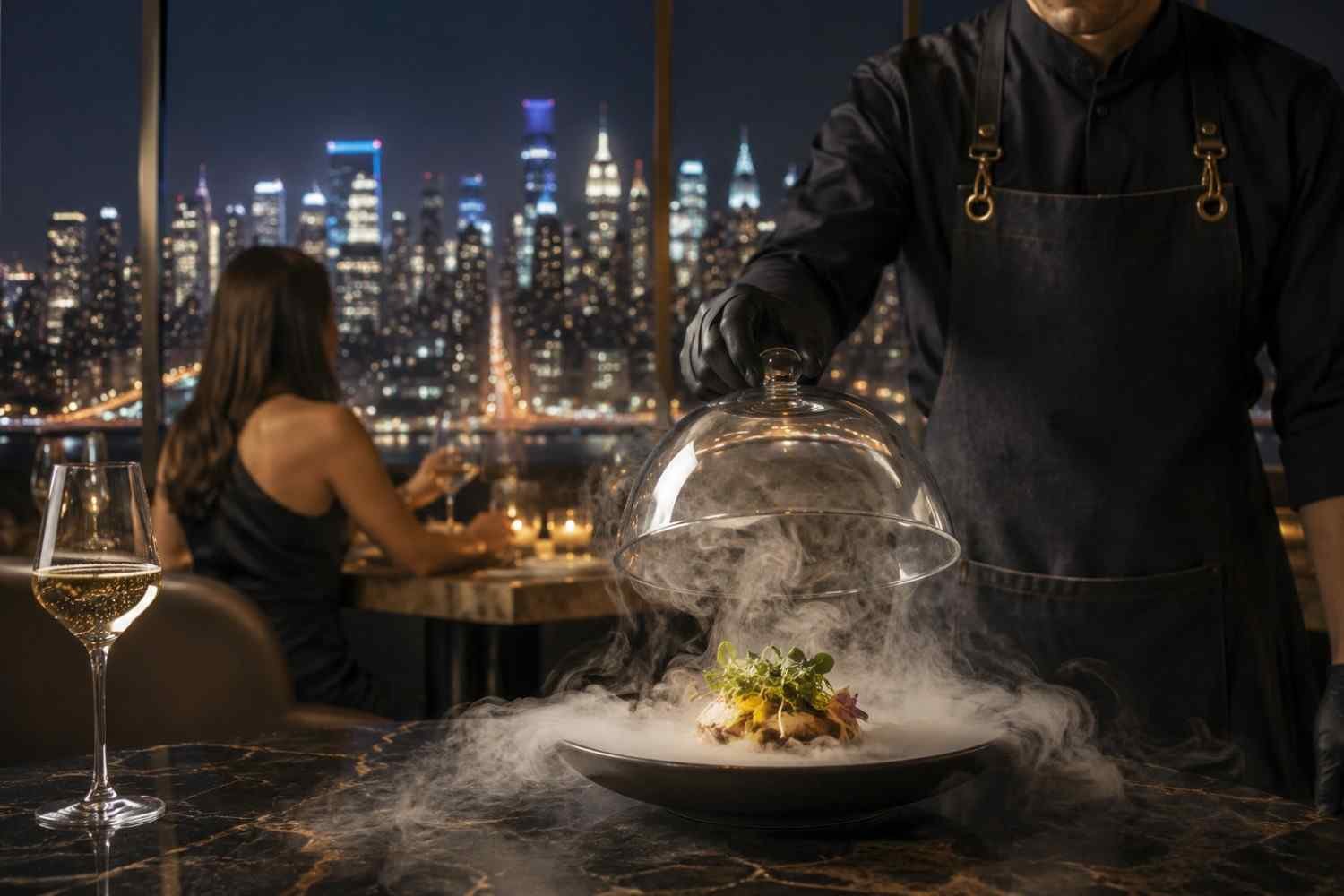
Luxury dining culture also evolved beyond expensive ingredients alone. Years ago, status dining focused heavily on visible extravagance like caviar, gold leaf, or imported delicacies.
Today, the value often comes from process and narrative instead.
Culinary Craftsmanship Feels More Exclusive
Modern consumers are fascinated by handmade techniques, ancestral recipes, fermentation methods, local sourcing, and chef storytelling. Restaurants that create emotional narratives around food often feel more luxurious than places relying only on price tags.
This shift made immersive dining experiences more important. Guests want meals that feel educational, sensory, and deeply personal.
Even understanding complex tasting menus or rare culinary traditions became part of social signaling. Food knowledge itself now carries cultural value.
Dining Became A Cultural Password
Luxury food experiences now act as subtle indicators of cultural literacy. Knowing which restaurants matter, understanding niche culinary references, or securing access to limited dining events creates a sense of insider belonging.
That social layer explains why premium dining continues growing despite economic uncertainty. People are not simply buying meals anymore. They are buying identity, access, memory, and emotional validation.
FAQs: How Luxury Food Experiences Became A Status Symbol
1. Why are luxury food experiences becoming more popular?
Luxury food experiences offer emotional value, exclusivity, and memorable moments that many consumers now prioritize over traditional material purchases.
2. How does social media influence luxury dining culture?
Social media increases visibility around premium dining by turning restaurants and meals into shareable lifestyle content that signals taste and status.
3. What makes a dining experience feel luxurious today?
Modern luxury dining focuses on storytelling, exclusivity, atmosphere, personalized service, wellness, and immersive culinary experiences rather than only expensive ingredients.
4. Why is wellness connected to luxury food experiences?
Healthy, sustainable, and carefully sourced food often costs more to produce, making premium wellness-focused dining associated with financial comfort and elevated lifestyle choices.
Final Thoughts
Luxury food experiences became status symbols because modern consumers value emotional connection and cultural relevance more than simple ownership. Dining now represents identity, social access, wellness, and lifestyle in ways that extend far beyond the restaurant itself. What people eat, where they dine, and how they share those experiences all contribute to how they present themselves socially. Food evolved from a necessity into a form of personal expression, and that transformation continues shaping modern luxury culture.
The biggest shift is that luxury no longer feels distant or untouchable. Today, it often arrives one carefully curated dining experience at a time.