I once thought the best restaurants were the ones with the most impressive menus. But now, the meals I remember most are the ones that made me feel like I had stepped into another world. A dinner synced with a movie scene, a tiny digital chef cooking on my plate, a thunderstorm inside a tiki bar, or a farm-grown tasting menu can turn one night out into a lasting memory.
That is why experiential dining feels so exciting. It gives US diners more than food; it gives them a reason to book the table, take the trip, and talk about the experience afterward.
What Is Experiential Dining?
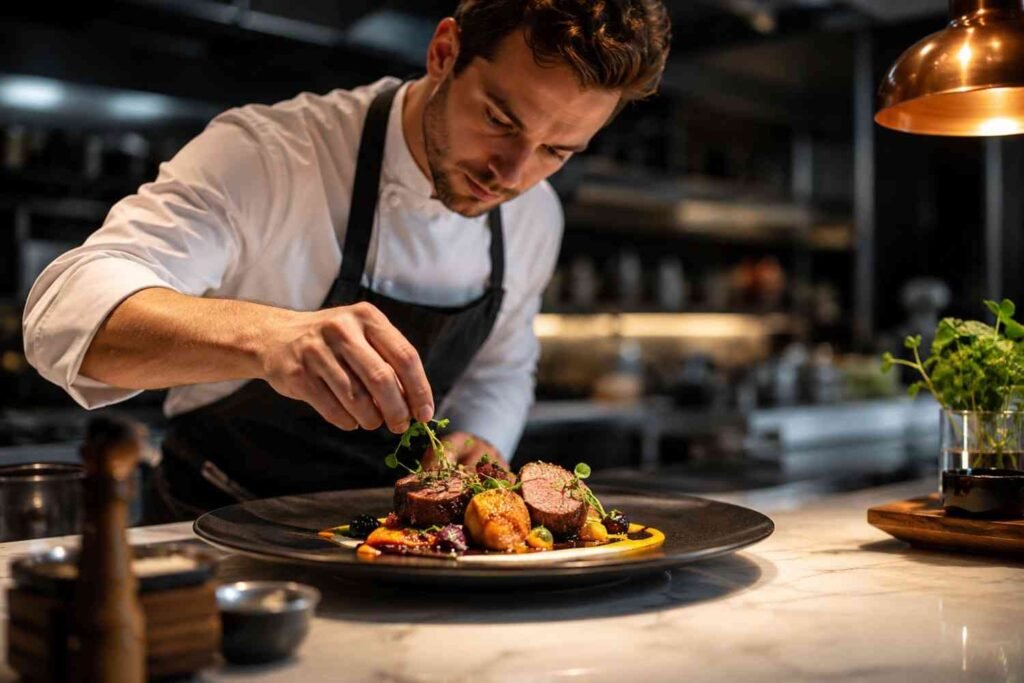
Experiential dining means the meal is built around the full guest experience, not just the food. The menu still matters, but the restaurant adds atmosphere, emotion, movement, interaction, and surprise.
A chef may explain each course. A server may time dishes to a movie scene. A room may shift with projection, music, or lighting. Guests may cook part of the meal at the table. In some places, the building itself becomes part of the story. Even the growing use of AI in restaurants is adding new ways to personalize menus, manage ambiance, and create smarter guest experiences.
This is why immersive dining, themed dining, interactive dining, and multi-sensory dining all fit under the same larger trend.
Why US Diners Want More Than a Regular Dinner
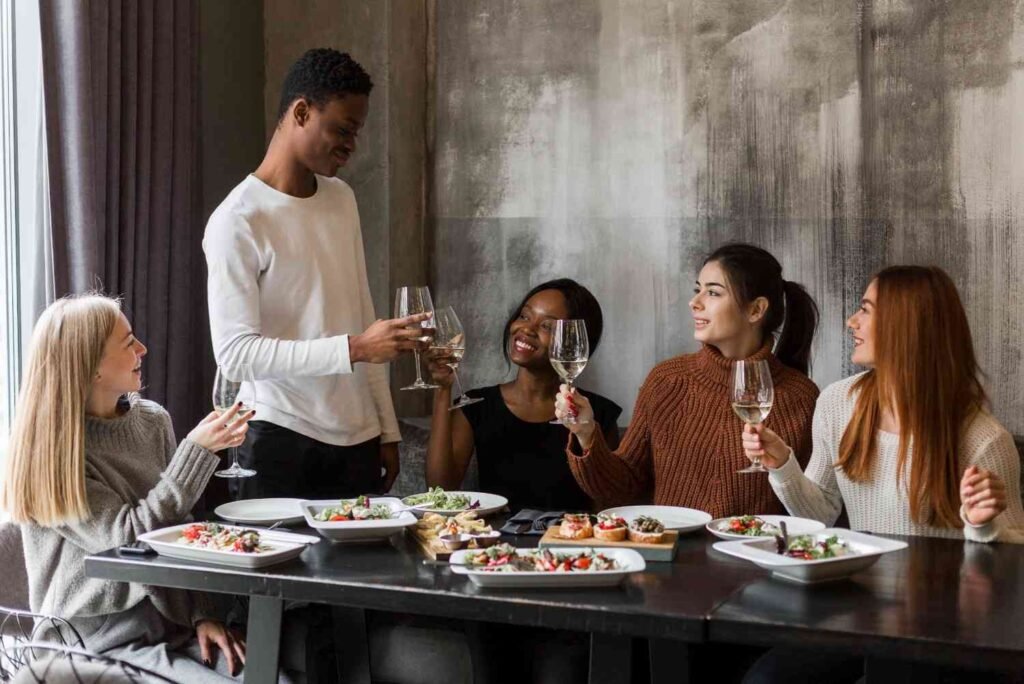
Across the US, people can order restaurant-quality food at home with a few taps. So when they go out, they often want something they cannot recreate in their kitchen. They want a date night that feels special, a birthday dinner that feels personal, or a weekend plan that gives them a story.
That is where unique dining experiences win. A rooftop movie dinner in Los Angeles, a tiki storm in San Francisco, a fondue table with friends, or a farm-to-table dinner in Washington can feel more meaningful than another standard reservation.
Younger diners especially respond to restaurants that feel visual, social, and shareable. But this trend is not only about social media. At its best, it makes guests feel more connected to the food, the place, and the people around them.
Cinematic and Pop Culture Dining Experiences
Some of the most memorable immersive restaurants turn movies and pop culture into edible entertainment.
Fork n’ Film brings cinema and food together with multi-course meals served scene by scene as guests watch a movie. Its official site describes the concept as “a cinema you can taste,” with events in cities including Los Angeles, New York, San Francisco, Las Vegas, Dallas, Detroit, and Scottsdale. The Los Angeles page promotes curated menus tied to iconic films and immersive dining events, with tickets listed from $199.99.
Le Petit Chef takes a different approach. Instead of matching food to a movie, it projects a tiny animated chef onto the table. The digital chef appears to prepare the meal through 3D illusion before the real course arrives. The official site lists US locations including Los Angeles and Columbus, while the Columbus page describes it as an immersive dinner where culinary art meets 3D projection.
These concepts work because they make guests feel like they are inside the story, not just watching it.
Avant-Garde Restaurants That Feel Like Art
Some restaurants push the idea even further by treating architecture, sound, fashion, and service as part of the meal.
Vespertine in Los Angeles is one of the strongest examples. Chef Jordan Kahn’s restaurant has been described as a futuristic fine-dining space where architecture, sound, and design shape the experience. Vogue noted how the restaurant’s structure, custom service pieces, acrylic furniture, uniforms, and even scent were used to create a complete sensory environment.
Elementa in downtown Los Angeles uses media production, food, visuals, music, and theatrical staging. Fever describes The Gallery Theater’s Elementa as a two-hour, five-course experience filled with visual surprises, dramatic music, food, and optional pairings. Time Out also reported that the show explores the five classical elements through food, music, and visuals.
These high-concept restaurants show how fine dining can become more than luxury. It can become a full creative performance.
Nostalgic and Historic Dining That Still Feels Fresh
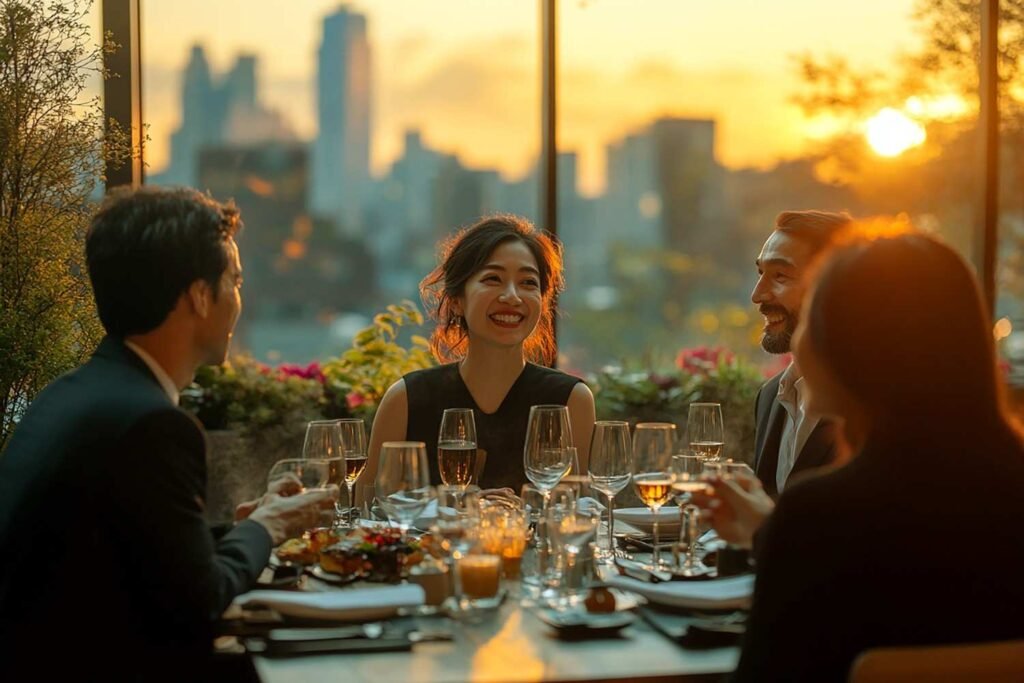
Not every memorable restaurant needs futuristic technology. Some of the best immersive dining experiences use nostalgia, scale, and old-school spectacle.
Casa Bonita in Denver is a famous example. Its official reservation page highlights tables near cliffs and a waterfall, while also mentioning cliff divers and entertainment. The experience feels less like a normal dinner and more like stepping into a playful indoor world.
Tonga Room & Hurricane Bar at the Fairmont San Francisco also turns setting into theater. The venue features a central lagoon that was once the hotel’s indoor swimming pool. Fairmont notes that tropical rain, thunder, and lightning happen from time to time while a band plays from a floating boat.
These restaurants prove that themed dining does not have to feel cheap or forced. When the setting has history and personality, the experience can become the main attraction.
Farm-to-Table and Hands-On Dining Experiences
The interactive side of this trend can also feel quieter, warmer, and more personal.
The Herbfarm in Woodinville, Washington has offered farm-to-table dining since 1986. Its official site says the restaurant serves multicourse menus finalized daily, using ingredients from its own farm and the greater Pacific Northwest. It also includes conversations with chefs, seasonal garden tours, and live classical guitar. Its menu page describes a 9-course, chef-selected menu shaped by the region and season.
The Melting Pot brings interaction to a more casual nationwide format. The fondue chain describes itself as a unique destination where guests enjoy several fondue cooking styles, entrees, salads, and desserts. The appeal comes from participation because diners dip, cook, share, and build the meal together at the table.
This side of the trend matters because not every experience needs spectacle. Sometimes, the best restaurant experience comes from connection, conversation, and hands-on participation.
What Makes an Immersive Restaurant Experience Work?
A successful immersive restaurant needs more than a gimmick. The best concepts connect the food, setting, service, and story.
If the restaurant uses technology, it should support the meal instead of distracting from it. If it uses a theme, every detail should feel intentional. If it focuses on local ingredients, the staff should explain the story behind the food. If it offers interaction, guests should feel comfortable, not confused.
The strongest restaurants also understand pacing. A good experience builds from arrival to dessert. The greeting, room design, menu language, server explanation, lighting, sound, plating, and final goodbye all matter.
Can Casual Restaurants Use This Trend?
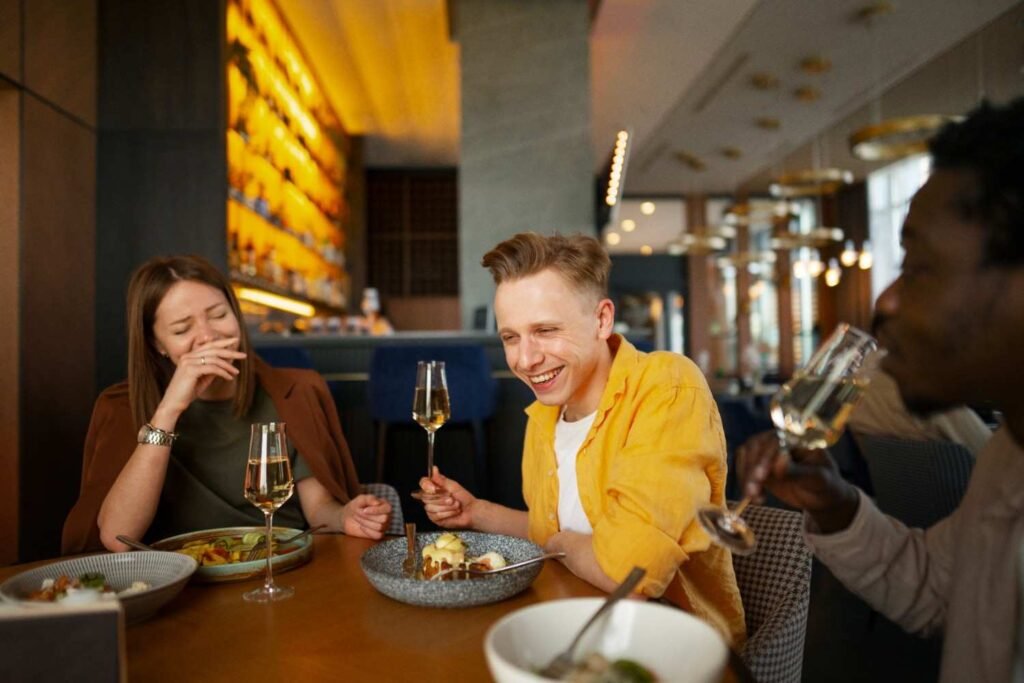
Yes, and they should. A neighborhood taco spot, burger bar, brunch cafe, or pizza restaurant can create a memorable dining experience without a huge budget.
A small restaurant can host regional dinner nights, chef’s choice menus, tableside sauce service, local farm features, live acoustic music, seasonal decor, or dessert tastings. It can also train staff to explain dishes in a more personal way.
The point is not to copy luxury restaurants. The point is to create a clear reason for guests to choose that place over a basic meal at home.
Frequently Asked Questions (FAQs)
1. What makes experiential dining different from regular dining?
Experiential dining focuses on the full guest journey. Regular dining centers mainly on food and service, while this style adds storytelling, atmosphere, interaction, entertainment, design, or sensory details.
2. What are the best examples of immersive dining in the US?
Strong examples include Fork n’ Film in Los Angeles, Le Petit Chef in cities like Los Angeles and Columbus, Vespertine and Elementa in Los Angeles, Casa Bonita in Denver, Tonga Room in San Francisco, The Herbfarm in Washington, and The Melting Pot nationwide.
3. Is immersive dining only for expensive restaurants?
No. Fine-dining venues often use the trend in dramatic ways, but casual restaurants can also create unique dining experiences through themes, events, tableside service, local stories, and interactive menu ideas.
Final Takeaway
The future of dining is not only about what arrives on the plate. It is about how the whole night feels. The best restaurants now think like chefs, hosts, designers, storytellers, and entertainers at the same time.
From rooftop cinema meals to farm tours, tiki storms, 3D table projections, fondue tables, and architectural tasting menus, US restaurants are proving that dinner can become a memory. That is what makes this trend so powerful. It gives people a reason to leave home, book the table, and talk about the meal long after it ends.