The first time I learned how to use truffle oil, I ruined a beautiful bowl of pasta with one careless pour. It went from rich and earthy to sharp, fake, and overwhelming in seconds.
That is the tricky thing about truffle oil. It can make fries, risotto, eggs, and roasted vegetables taste restaurant-level. But if you cook with it, overuse it, or pair it with the wrong flavors, it can take over the whole dish.
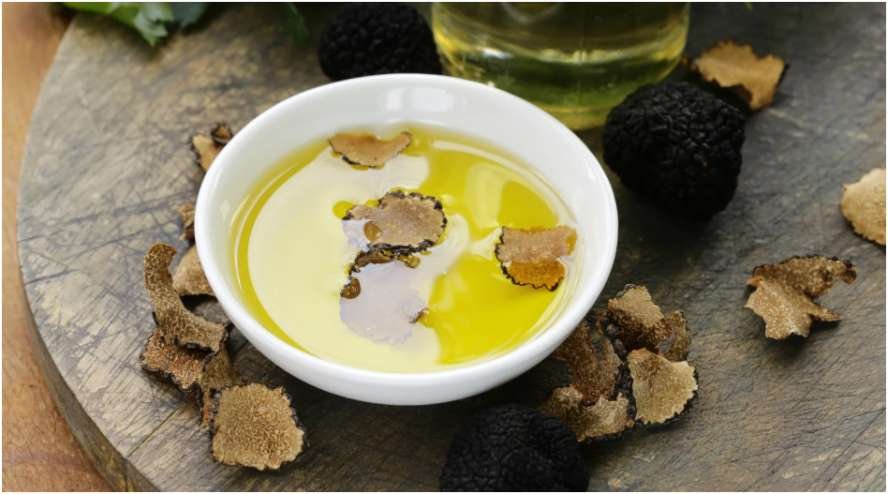
Truffle oil works best as a finishing oil. That means you add it right before serving, not while the food is still cooking. Many culinary sources recommend using it sparingly because its aroma is strong and heat can weaken or damage its flavor. D’Artagnan also describes truffle oil as a finishing oil best added right before serving, not exposed to prolonged intense heat.
Why Truffle Oil Can Go Wrong Fast
Truffle oil is not like regular olive oil, avocado oil, or butter. You do not use it to sauté onions, fry potatoes, or roast vegetables. Its job is not to cook the food. Its job is to perfume the finished dish.
Most truffle oils are made by adding truffle aroma or flavoring to a neutral oil or olive oil base. Some use natural flavor compounds, while many widely sold versions use nature-identical or synthetic aroma compounds. That strong aroma explains why a few drops can feel luxurious, but a tablespoon can taste chemical.
When I use it now, I treat it like perfume for food. I would never spray perfume into a hot pan. I would not dump half the bottle on one sleeve either. The same logic applies here.
How to Use Truffle Oil the Right Way
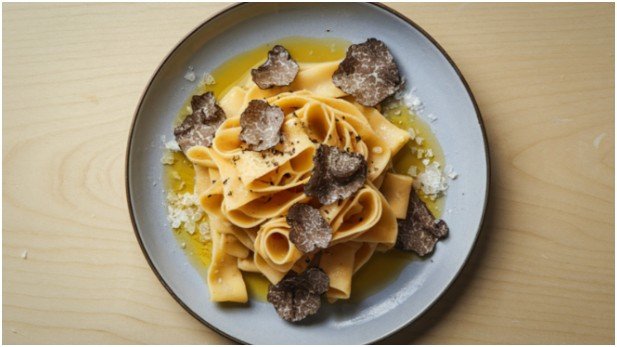
The safest answer to how to use truffle oil is simple: cook the food first, remove it from heat, then add a small amount at the end.
I use it most often on warm foods with fat, salt, and mild savory flavors. Pasta with butter, Parmesan fries, creamy risotto, scrambled eggs, roasted mushrooms, and mashed potatoes all give truffle oil a soft base to cling to.
The Drop Protocol I Use
My own rule is what I call the drop protocol. It keeps the flavor controlled and stops accidental pooling.
First, I finish the dish completely. Then I take it off the stove or out of the oven. I never pour truffle oil straight from the bottle over food because the opening can release more than expected. Instead, I add 2 to 3 drops onto a spoon, drizzle lightly, toss, and taste.
If the flavor feels too quiet, I add another drop or two. If I can smell it before I taste the dish, I stop. Truffle oil should support the food, not announce itself from across the kitchen.
Why Heat Ruins the Flavor
Heat is the biggest mistake. Truffle oil’s aroma is delicate, and strong heat can flatten it or make it taste bitter. That is why fries should be fried first, pasta should be cooked first, and eggs should be removed from the pan before adding the oil.
Oil quality also changes under poor storage and heat exposure. Research on olive oil storage shows that temperature, light, and packaging affect shelf life and quality. UC Davis notes that cooler storage can help preserve olive oil quality, and cold temperatures may make oil cloudy or solid without making it unsafe.
Best Foods to Pair With Truffle Oil
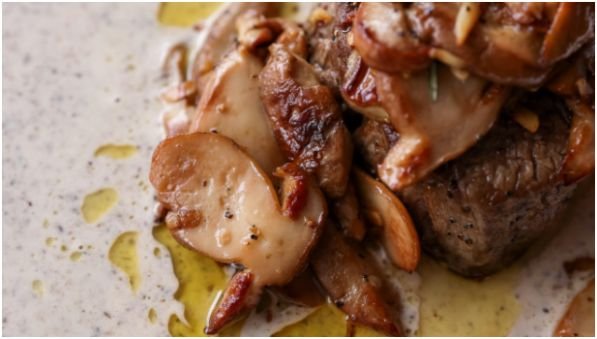
The best dishes for truffle oil usually have three things: warmth, fat, and salt. Those elements carry the aroma and make the flavor feel rounded.
Pasta, Risotto, and Potatoes
Pasta is one of the easiest places to start. I like it with buttered noodles, fettuccine, mushroom pasta, or creamy Alfredo-style sauces. Add Parmesan, black pepper, and only a light drizzle.
Risotto also works beautifully because it is creamy, starchy, and mild. Mushroom risotto is the classic choice, but Parmesan risotto or pea risotto can also handle a tiny finish.
Potatoes may be the most forgiving option. Fries, tater tots, mashed potatoes, roasted fingerlings, and potato gratin all pair well. Add flaky salt first, then truffle oil, then grated Parmesan if you want a stronger finish.
Eggs, Cheese, and Vegetables
Eggs love truffle oil because they are rich but gentle. I use a drop or two on scrambled eggs, omelets, frittatas, or deviled eggs. The key is to add it after the eggs leave the heat.
Cheese also gives the oil a creamy landing place. Burrata, goat cheese, mac and cheese, and warm crostini all work well. If you enjoy experimenting with gourmet food ingredients, truffle oil is a good starter ingredient because it changes simple dishes fast.
Vegetables need a little care. Mushrooms, asparagus, cauliflower, Brussels sprouts, and roasted carrots work better than sharp or watery vegetables. I avoid adding it to lemon-heavy salads because citrus can clash with its earthy profile.
Popcorn, Pizza, and Snacks
Truffle popcorn is popular for a reason. Fresh popcorn, melted butter, fine salt, and a few drops of truffle oil make a simple snack feel special. Do not use it as the popping oil. Add it after popping.
Pizza also works, especially mushroom pizza, white pizza, or a simple cheese pizza. I drizzle a tiny amount after baking. Warm crostini, garlic bread, and baked brie can also handle a light finish.
White vs Black Truffle Oil Pairings
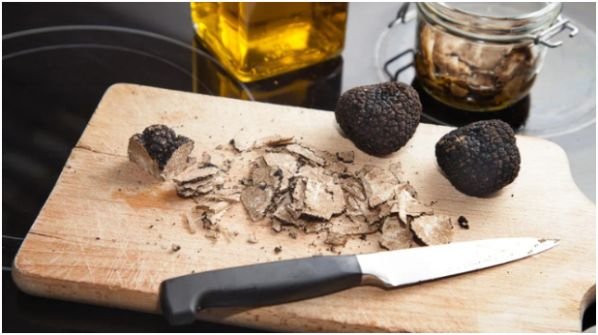
White truffle oil usually works best with lighter, creamier dishes. I like it with pasta, risotto, eggs, seafood, garlic, Parmesan, and butter-based sauces. It has a sharper aroma, so I use it with extra caution.
Black truffle oil feels deeper and earthier. It pairs better with beef, mushrooms, soy sauce, roasted potatoes, and hearty red meats. I would choose black truffle oil for steak fries or mushroom flatbread. I would choose white truffle oil for creamy pasta or scrambled eggs.
The difference can be subtle, especially in flavored oils. So I always taste the oil on plain bread before using it. That quick test tells me how strong it is.
Common Truffle Oil Mistakes to Avoid
The biggest mistake is cooking with it. Never use it for frying, sautéing, or roasting. Heat wastes the aroma and can leave a bitter edge.
The second mistake is overdosing. A small bottle may look harmless, but truffle oil is concentrated. Pouring directly from the bottle often creates oily patches that taste harsh.
The third mistake is pairing it with loud flavors. Heavy chili, strong citrus, sweet sauces, and aggressive spice blends can fight the earthy flavor. Truffle oil tastes best with simple savory foods, not crowded dishes.
The fourth mistake is using old oil. Rancid oil can smell like crayons, chemicals, gasoline, or old nuts. Food science sources explain that oxygen, heat, and light speed oxidation, which causes off-odors and unpleasant flavors in oils.
How to Store Truffle Oil So It Stays Fresh
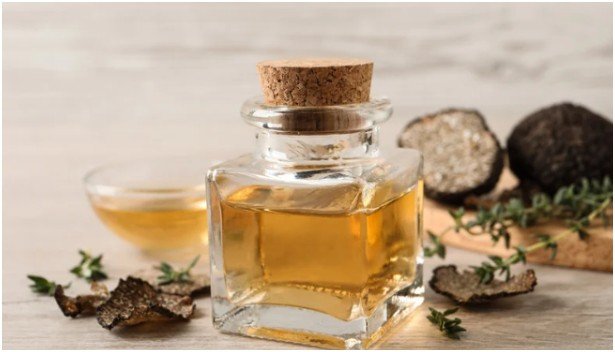
Good storage matters as much as good technique. Keep truffle oil in a cool, dark cabinet away from the stove, oven, dishwasher, and sunny windows. Heat, light, and oxygen are the enemies.
Always close the cap tightly after using it. If the oil came in a dark glass bottle, keep it there. Dark glass helps protect the oil from light exposure.
Unopened truffle oil may stay fresh for up to a year, depending on the bottle and brand. Once opened, I try to use it within 3 to 6 months. Refrigeration can help extend freshness, but the oil may turn cloudy or solid temporarily. UC Davis confirms that cloudiness or solidification in cold olive oil can be normal and does not affect safety.
Before using an older bottle, smell it first. If it smells bitter, metallic, waxy, petrol-like, or chemical in a bad way, throw it out. No finishing oil is worth ruining dinner.
FAQs About How to Use Truffle Oil
1. Can you cook with truffle oil?
No, you should not cook with truffle oil. Use it after cooking as a finishing oil. High heat weakens the aroma and may create a bitter taste.
2. How much truffle oil should I use?
Start with 2 to 3 drops per serving, then taste. If the dish needs more, add one drop at a time. This is the safest way to learn how to use truffle oil without overpowering food.
3. What does truffle oil taste good on?
It tastes best on fries, pasta, risotto, eggs, pizza, popcorn, mashed potatoes, mushrooms, asparagus, mac and cheese, crostini, and burrata.
4. Is white or black truffle oil better?
White truffle oil is better for creamy pasta, eggs, garlic, Parmesan, and seafood. Black truffle oil is better for beef, mushrooms, soy sauce, potatoes, and richer dishes.
Final Drizzle: Don’t Let the Truffle Bully the Dish
Truffle oil should whisper, not shout. Once I stopped treating it like cooking oil and started treating it like a final seasoning, my dishes improved instantly.
Use the drop protocol: cook first, remove heat, measure with a spoon, toss, taste, and stop early. Pair it with butter, Parmesan, olive oil, flaky salt, cracked pepper, potatoes, pasta, eggs, mushrooms, and cheese. Store it tightly sealed in a cool, dark place.
That is the real secret of how to use truffle oil well. The dish should still taste like itself, only richer, warmer, and a little more luxurious.