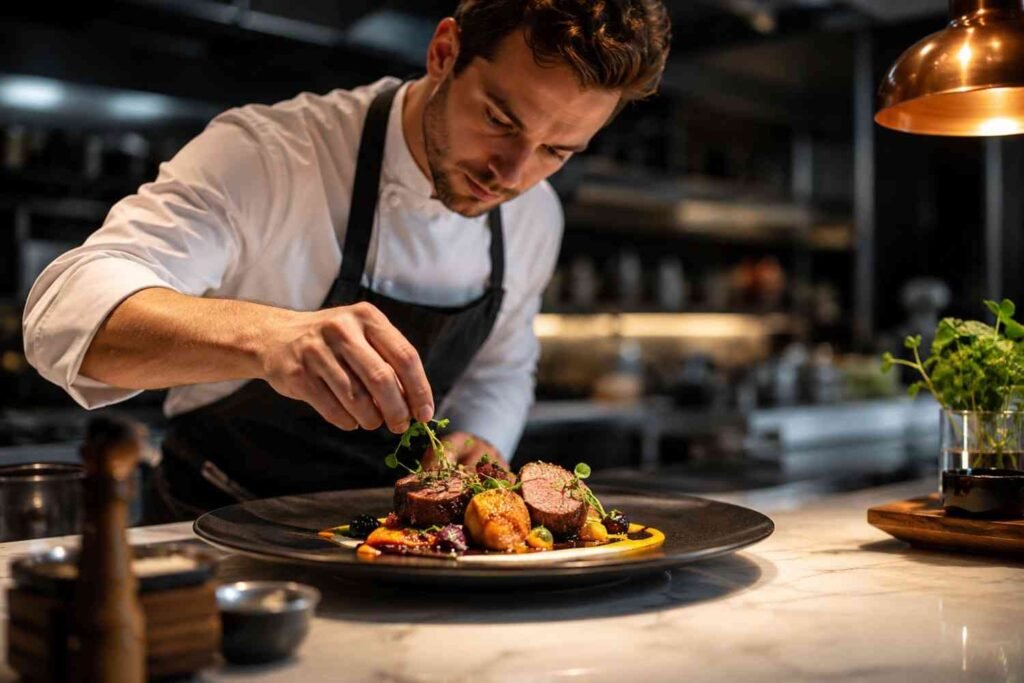
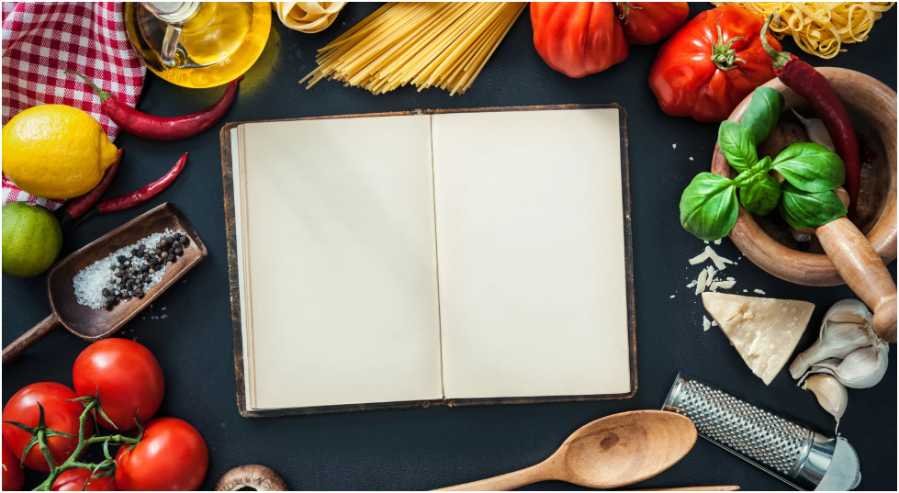
A plain dinner can taste restaurant-level with one smart finishing touch. I learned this after adding aged balsamic to strawberries, flaky salt to cookies, and a tiny spoon of black garlic to a pan sauce.
That is the real power of gourmet food ingredients. They do not replace cooking skill. They make simple food taste deeper, brighter, and more intentional.
What Makes an Ingredient Truly Gourmet?
To me, gourmet does not always mean expensive. It means the ingredient has a clear reason to exist on the plate.
High-quality gourmet food ingredients usually come from better sourcing, regional tradition, small-batch production, or careful aging. Think Spanish extra virgin olive oil, Italian balsamic vinegar, Turkish sumac, Levant za’atar, French Gruyère, Cyprus halloumi, dried porcini, or preserved Italian truffles.
The best ones improve one of seven things: flavor, aroma, acidity, richness, salt balance, umami, or texture. That is why a pinch of saffron can change rice, and why a Parmigiano-Reggiano rind can make soup taste slow-cooked.
My Instant Upgrade Rule for Better Cooking
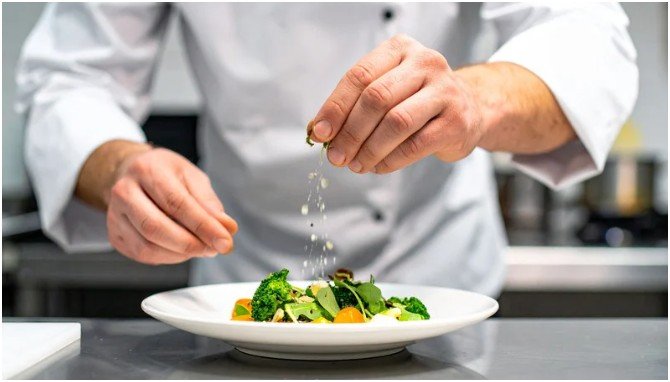
When I want a meal to feel more polished, I do not add five luxury items. I choose one upgrade based on what the dish lacks.
Start With Acid
If food tastes flat, I add acid first. Champagne vinegar, aged balsamic, preserved lemon, or a squeeze of citrus can wake up roasted vegetables, beans, fish, chicken, or grain bowls.
Aged balsamic works especially well because it brings sweetness, tang, and thickness at once. I use it on caprese, steak, roasted carrots, strawberries, and even vanilla ice cream.
Add Better Fat
Fat carries flavor. That is why finishing oils matter. A peppery extra virgin olive oil can make soup, pasta, bread, or grilled vegetables taste fuller.
The Mediterranean diet has long emphasized olive oil, and Harvard’s Nutrition Source notes that research links Mediterranean-style eating with lower cardiovascular risk and overall mortality. That does not make olive oil magic, but it does make it a smart pantry upgrade when used in a balanced diet.
Finish With Aroma and Texture
Heat can flatten delicate flavors. I add fresh herbs after turning off the heat, not while food is still aggressively cooking. This keeps basil, parsley, chives, dill, and mint bright.
For texture, I reach for flaky sea salt. It gives grilled meats, salads, eggs, chocolate desserts, and cookies a crisp final pop.
10 Gourmet Food Ingredients I’d Keep in My Kitchen
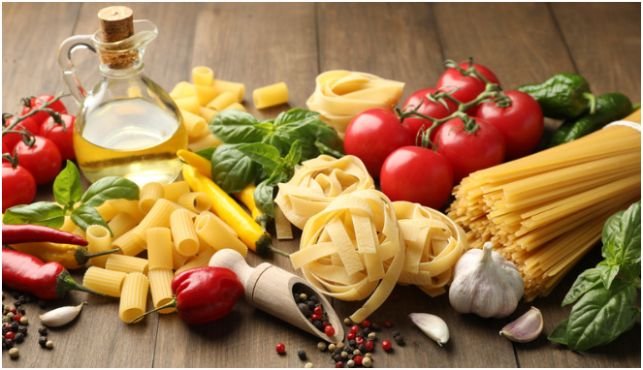
These are the upgrades I would buy before filling a cabinet with random fancy jars.
White Truffle Oil
White truffle oil is powerful, so I use drops, not tablespoons. It works best on popcorn, fries, mashed potatoes, risotto, eggs, and creamy pasta. Add it at the end because heat can dull the aroma.
Aged Balsamic Vinegar
Good balsamic should taste balanced, not harsh. I use it as a glaze for tomatoes, berries, steak, roasted squash, and cheese boards. It is one of the easiest gourmet food ingredients for beginners because it needs no cooking.
Smoked Paprika
Spanish pimentón adds a deep, woody warmth. I like it on roasted potatoes, chickpeas, chicken thighs, aioli, soups, and deviled eggs. It gives smoky depth without needing a grill.
Saffron Threads
Saffron brings color, floral aroma, and a subtle honey-like note. I bloom the threads in warm water before adding them to rice, seafood stew, or creamy sauces. A little goes far.
Black Garlic
Black garlic tastes sweet, dark, and almost balsamic. I mash it into butter, pan sauces, dressings, or burger spreads. It adds depth without the sharp bite of raw garlic.
Flaky Sea Salt
Flaky salt is a finishing ingredient, not a cooking salt. I use it when I want crunch and contrast. It is excellent on grilled steak, avocado toast, brownies, caramel, and roasted vegetables.
Calabrian Chili Paste
Calabrian chili paste brings fruity heat. I stir a small amount into pasta sauce, mayo, vinaigrettes, pizza sauce, or sandwich spreads. It tastes more rounded than plain hot sauce.
Preserved Lemons
Preserved lemons add salty, tart depth. I mince the peel and mix it into dressings, chicken marinades, stews, couscous, tuna salad, or roasted vegetables.
Parmigiano-Reggiano Rind
I never throw away the rind. I simmer it in soups, beans, tomato sauce, or risotto broth. It slowly releases savory depth and makes a dish taste richer.
White Anchovy Paste
Anchovy paste disappears into sauces, but it leaves behind umami. I use it in Caesar dressing, tomato sauce, garlic butter, braises, and meat marinades. It should not taste fishy when used correctly.
Essential Gourmet Ingredient Categories
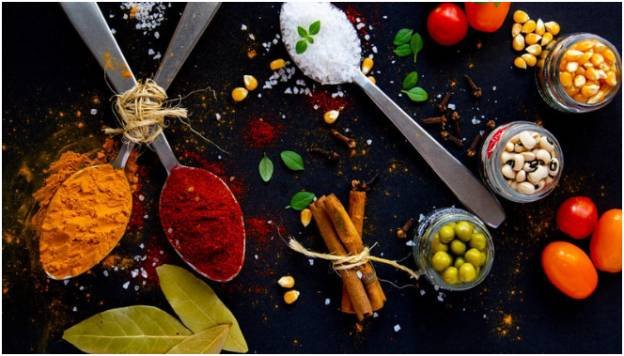
A strong pantry needs balance. I like to build mine around categories instead of buying random items.
Finishing Oils, Vinegars, and Glazes
Cold-pressed oils, single-origin olive oils, nut oils, barrel-aged vinegars, and balsamic glazes can change a dish in seconds. Store olive oil away from light, heat, and oxygen because those conditions can damage freshness and flavor. UC Davis Olive Center guidance has long emphasized quality and freshness as key factors in olive oil selection and storage.
Exotic Herbs and Spices
Turkish sumac adds lemony brightness. Za’atar brings herbs, sesame, and tang. Fennel pollen adds sweet anise aroma. Smoked paprika adds warmth. These gourmet food ingredients help you create regional flavor without complicated recipes.
Artisanal Spreads and Condiments
Small-batch fig spread, piquillo peppers, chili crisp, pepper jelly, Dijon mustard, and fruit mostardas can upgrade sandwiches, cheese boards, roast meats, and appetizers.
Specialty Cheeses and Dairy
French Gruyère melts beautifully. Mozzarella bocconcini adds freshness. Halloumi grills without falling apart. Good cheese adds flavor, fat, salt, and texture in one move.
Wild Mushrooms and Truffles
Dried porcini, chanterelles, morels, and truffle products add earthy umami. I soak dried mushrooms, strain the liquid, and use that broth in risotto, gravy, pasta sauce, or soup.
How to Use Gourmet Ingredients Without Overdoing It
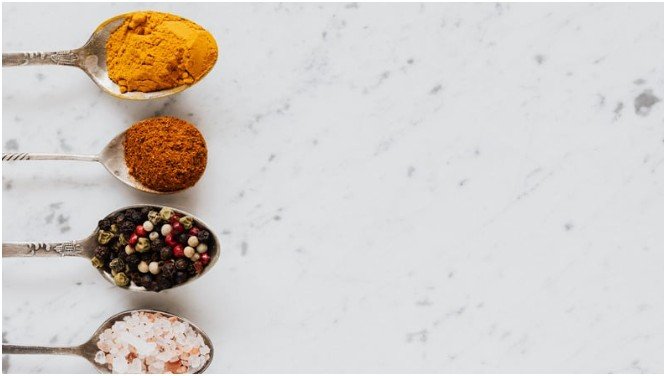
The biggest mistake is stacking too many premium flavors together. Truffle oil, saffron, anchovy paste, aged cheese, and chili paste do not all belong in one dish.
I use this simple method. Choose one hero ingredient. Support it with plain ingredients. Finish with acid or salt only if needed.
For example, roasted potatoes with duck fat, smoked paprika, and flaky sea salt feel special without becoming messy. A tomato sandwich with good bread, mozzarella, aged balsamic, basil, and olive oil tastes better than a crowded sandwich with ten toppings.
How to Store High-End Ingredients Safely
Gourmet food still needs basic food safety. The FDA advises keeping refrigerators at 40°F or below and refrigerating perishables within two hours of purchase or cooking. If the temperature is above 90°F, that window drops to one hour.
Cheese, dairy, opened condiments, fresh herbs, and prepared spreads need proper storage. USDA food safety guidance also stresses the core rules of clean, separate, cook, and chill for safe handling.
For pantry items, I keep spices away from heat, oils in a dark cabinet, opened chili pastes in the fridge, and dried mushrooms in airtight containers. If an ingredient loses aroma, it has lost much of its value.
FAQs
1. What are gourmet food ingredients?
They are high-quality, rare, regionally authentic, or carefully produced ingredients used to improve flavor, aroma, texture, and presentation.
2. What is the easiest gourmet ingredient for beginners?
Aged balsamic vinegar is one of the easiest. You can drizzle it over salads, berries, steak, roasted vegetables, or cheese without cooking.
3. Are gourmet ingredients always expensive?
No. Smoked paprika, preserved lemons, anchovy paste, flaky salt, and Parmigiano-Reggiano rinds can be affordable because you use small amounts.
4. Which gourmet ingredient upgrades pasta fastest?
Calabrian chili paste, black garlic, aged cheese, anchovy paste, truffle oil, and dried porcini can all upgrade pasta quickly.
5. How do I make everyday meals taste gourmet?
Add one strong finishing element. Use acid for brightness, fat for richness, salt for contrast, herbs for aroma, or umami ingredients for depth.
The Final Sprinkle
I do not think great cooking starts with a luxury budget. It starts with knowing which small move changes the whole plate.
My best tip is simple: buy three upgrades first. Choose one acid, one fat, and one umami booster. For me, that would be aged balsamic, extra virgin olive oil, and a Parmigiano-Reggiano rind. Once those feel natural, add saffron, black garlic, smoked paprika, or preserved lemons.
That is how gourmet food ingredients become useful, not decorative. They stop sitting in the pantry and start making dinner taste as you planned it, better than you did.