A lovely meal can lose its magic when the wine fights the food instead of lifting it. That is why understanding wine pairing mistakes matters, especially if you enjoy hosting, cooking, or exploring beverage culture without making dinner feel complicated.
Wine pairing should feel helpful, not intimidating. You do not need a sommelier certificate to pour something that works. You only need to understand how sweetness, acidity, spice, tannins, body, texture, and temperature affect what happens in your glass.
What Are Wine Pairing Mistakes?
Wine pairing mistakes come down to clashing flavors and textures that disrupt the balance of both your food and drink.
The Balance Rule
Good wine pairing is about balance. A delicate dish needs a lighter wine. A rich dish needs a wine with enough structure. A sweet dish needs a wine that is equally sweet or sweeter. Acidic food needs acidic wine. Spicy food usually needs low alcohol, fruit, bubbles, or slight sweetness.
Fatty food can work beautifully with tannins because fat softens the wine’s grip. This balance-focused approach helps you avoid the most common wine pairing mistakes at real dinners, from weeknight pasta to holiday meals.
Mismatching Sweetness
Sweetness is one of the fastest ways to expose a bad pairing.
The Mistake
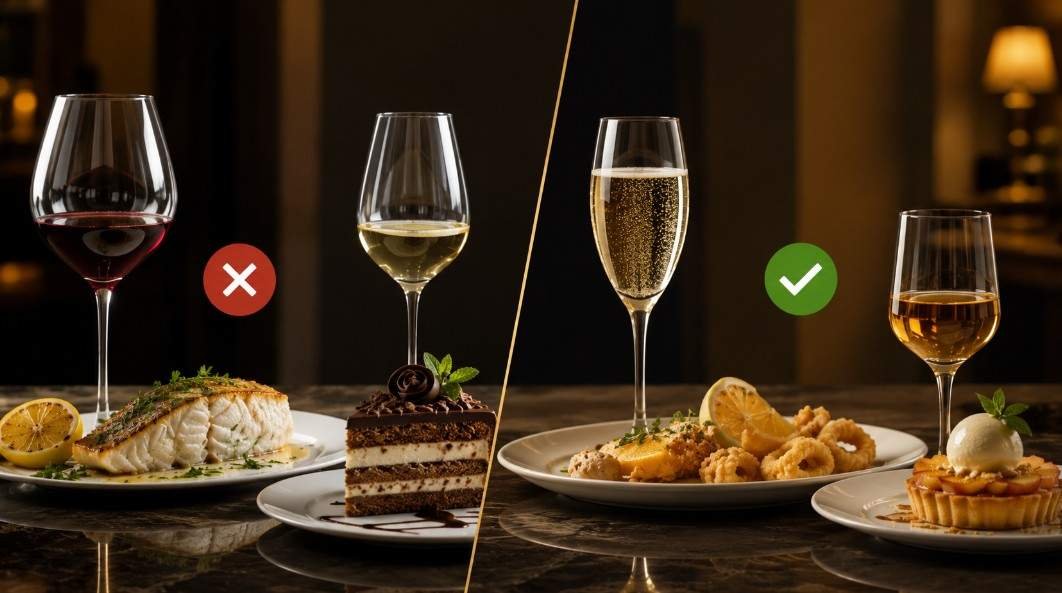
The mistake is pairing a dry wine with a sweet dessert or a sugary glazed dish. This often happens with chocolate cake, fruit tarts, honey chicken, maple-glazed pork, or sweet barbecue sauce.
A dry Cabernet with a rich dessert may sound elegant, but the sugar in the food can make the wine taste thin, sour, and harsh. The same issue happens when a dry white meets a sweet sauce.
The Fix
Always make sure the wine is as sweet, or slightly sweeter, than the food. This keeps the wine from tasting stripped down or aggressively acidic. Port works well with many chocolate desserts.
Sauternes can pair beautifully with fruit-based sweets. Moscato, late-harvest Riesling, and demi-sec sparkling wine can work with lighter desserts.
Ignoring Sauce And Spice
Sauce and spice often matter more than the main ingredient.
The Mistake
The mistake is choosing wine based only on protein while ignoring heavy sauces, herbs, or spicy heat. Chicken in lemon sauce and chicken in curry sauce are not the same pairing. Rich, buttery sauces can make very sharp wines feel thin. Spicy dishes can make high-alcohol wines taste hotter and more intense.
This is why a bold red with spicy tacos or hot wings can feel overwhelming. The alcohol and tannins amplify the burn instead of cooling it down.
The Fix
Match the wine’s weight and acidity to the sauce. Creamy sauces need freshness. Tomato sauces need acidity. Earthy sauces need depth. Sweet and smoky sauces need fruit. For spicy dishes, choose chilled, low-alcohol, off-dry wines such as Riesling or Gewürztraminer.
Sparkling rosé and fruity chilled reds can also help tame heat. The goal is not to overpower spice. The goal is to refresh your mouth between bites.
Heavy Reds With Delicate Seafood
Seafood pairings need care because texture and tannins can clash quickly.
The Mistake
The mistake is drinking heavy, tannic red wines such as Cabernet Sauvignon with delicate or flaky fish. The result can feel metallic, bitter, or fishy.
High tannins do not always play well with seafood oils. Knowing what wine pairs with salmon helps. The wine may overpower the fish and leave an unpleasant aftertaste. This is especially noticeable with lighter fish like sole, cod, halibut, trout, or delicate shellfish.
The Fix
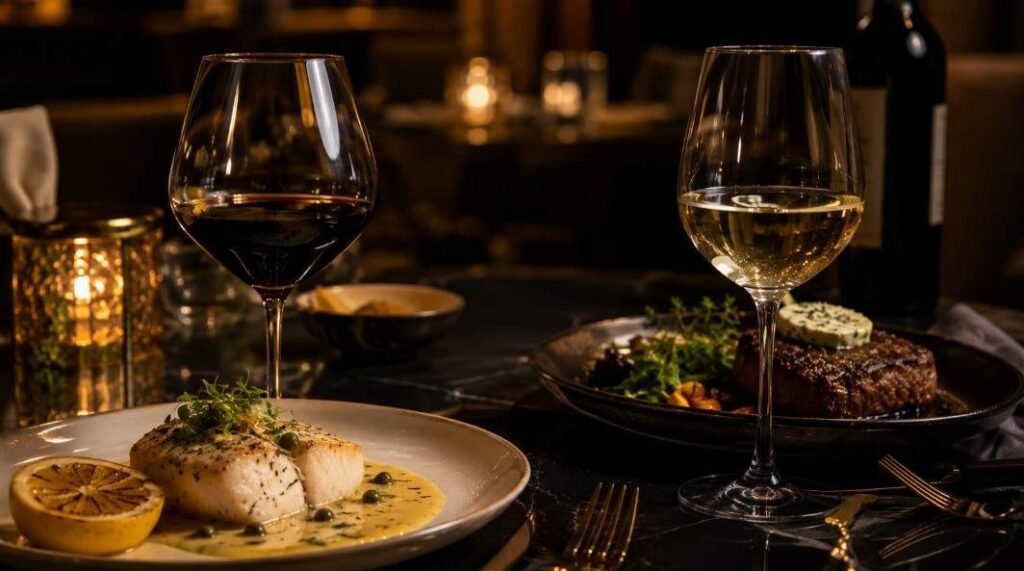
If you prefer red wine with seafood, choose light-bodied, low-tannin reds. Pinot Noir, Gamay, and chilled Grenache can work with salmon, tuna, or grilled seafood.
For flaky white fish, crisp dry whites are safer. Sauvignon Blanc, Albariño, Pinot Grigio, dry Riesling, and sparkling wine keep the pairing clean.
Think of freshness first. Seafood usually tastes better when the wine feels bright, clean, and refreshing.
Overlooking The Acid Rule
Acidity is one of the most useful pairing tools.
The Mistake
The mistake is pairing low-acid wines with highly acidic foods such as tomato sauce, citrus, vinaigrettes, pickles, or goat cheese.
The food’s acidity can overpower the wine. That makes the wine taste flat, dull, flabby, or stripped of its fruit. This is why a soft, low-acid red can fall apart beside tomato pasta or a sharp salad.
The Fix
Acid loves acid. Pair high-acid foods with high-acid wines so the flavors stay lively and balanced. Chianti works well with tomato-based Italian dishes. Sauvignon Blanc is excellent with goat cheese and citrusy salads.
Dry Riesling, Albariño, and sparkling wine can handle tangy foods beautifully. A quick test helps: if the dish makes your mouth water, choose a wine that does the same.
Serving Wine At The Wrong Temperature
Even a strong pairing can fail when the bottle is served poorly.
The Mistake
The mistake is serving red wine too warm and white wine too cold. Many people still think room temperature is ideal for reds, but modern rooms are often warmer than wine needs. Warm reds can taste alcoholic, heavy, and unbalanced.
Over-chilled whites can lose aroma, texture, and flavor. Temperature changes how wine feels in your mouth, so it directly affects pairing success.
The Fix
Follow the 20/20 rule. Place red wine in the fridge for 20 minutes before serving, and take white wine out of the fridge 20 minutes before pouring.
Light reds such as Pinot Noir and Gamay often taste better slightly chilled. Fuller whites such as Chardonnay taste better when they are cool, not freezing. Serving temperature is a small detail, but it can make your wine pairing feel far more polished.
How To Avoid Wine Pairing Mistakes
Avoiding wine pairing mistakes becomes easier when you follow a simple real-life process.
Start With The Food
Look at the dish before choosing the wine. Notice whether the strongest feature is sweetness, spice, acid, fat, salt, smoke, herbs, cream, or char.
Then choose a wine that can either match that feature or balance it. Acid can match acid. Sweetness can calm heat. Tannins can handle fat. Bubbles can refresh salty and fried foods.
Use A Simple Pairing Path
Begin with weight. Light food usually needs light wine, while rich food needs a fuller wine. Then check acidity, sweetness, spice, and texture.
Next, think about the sauce. A mushroom sauce may call for Pinot Noir, while tomato sauce may prefer Chianti. A buttery sauce may need Chardonnay or sparkling wine.
If you feel stuck, a visual food and wine pairing chart, such as the Wine Folly pairing chart, can help you compare flavor profiles quickly.
Trust Taste Over Rules
Wine culture should feel enjoyable, not stiff. A pairing does not need to be perfect to be good. Taste the wine with the food and notice what changes. Does the wine taste smoother, sharper, fruitier, hotter, or flatter? That answer teaches you more than any rule. The more you practice, the more natural pairing becomes.
Frequently Asked Questions
1. What Is The 75-85-95 Rule For Wine?
It usually refers to storage risk: around 75% humidity is helpful, 85°F can damage wine over time, and 95°F can harm wine quickly.
2. What Not To Pair With Wine?
Avoid dry wine with sweet desserts, high-tannin reds with delicate seafood, high-alcohol wines with spicy food, and low-acid wines with tomato or vinegar-heavy dishes.
3. Which Wine Is Best For Diabetics?
Dry wines usually have less residual sugar than sweet wines. Anyone with diabetes should drink moderately and ask a healthcare professional for personal guidance.
4. What Is The 20/20/20 Rule For Wine?
It means chill reds for 20 minutes, remove whites from the fridge 20 minutes before serving, and let some wines breathe for 20 minutes.
Final Sip, Fewer Slip-Ups
Avoiding wine pairing mistakes is really about paying attention to balance. Match sweetness, respect acidity, watch spice, consider sauce, serve wine at the right temperature, and let the meal guide the bottle. Do that, and every pour feels more confident.