
A bottle can be beautiful, but temperature decides whether it sings or sulks. The proper temperature for wine helps dinner feel thoughtful, cheese taste brighter, and every pour show more aroma, balance, and personality.
Wine pairing and beverage culture are about care. The right serving temperature brings out freshness in whites, bubbles in sparkling wine, silkiness in reds, and harmony with food.
Wine Temperature Basics
The proper temperature for wine depends on one big question: are you storing it or serving it? Storage protects the bottle over time, while serving temperature shapes the taste in your glass right now.
For long-term storage, keep all wines near a steady 55°F, or 13°C. This cool, consistent setting slows aging, protects aroma, and prevents heat damage. Avoid kitchens, sunny shelves, and the top of the fridge because warmth and temperature swings can flatten wine before you open it.
For serving, temperature changes by style. Light wines need more chill to preserve crispness. Fuller whites need gentle coolness so texture can bloom. Reds should be cooler than modern room temperature, especially bold reds that can taste hot when served too warm.
Storage Versus Serving
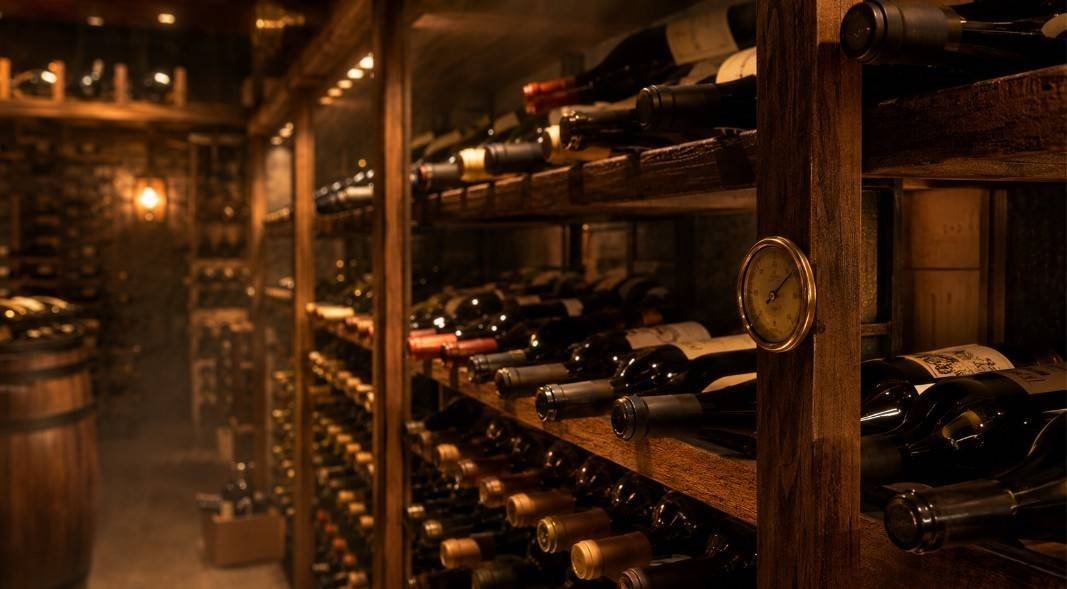
Storage is about patience. Serving is about pleasure. A wine fridge set to 55°F is excellent for keeping bottles safe, but not every wine should be poured at that exact temperature.
Sparkling wine needs extra chill before serving. White wine often needs a little more cold than cellar temperature. Red wine may only need a short fridge rest, especially if your room feels warm.
The Flavor Rule
Too warm, and alcohol becomes louder than fruit. The wine may feel heavy, sharp, or loose. Structure fades, and food pairings feel less refreshing.
Too cold, and aromas hide. Fruit, oak, herbs, flowers, spice, and minerality can become muted. The best temperature lets wine smell inviting and taste balanced.
Ideal Serving Temperatures
Use this guide as your quick reference before dinner, brunch, or weekend tasting. Exact numbers matter less than landing in the right range.
| Wine Style | Ideal Temperature | Best Way To Serve |
| Sparkling Wine | 40–45°F | Straight from fridge or ice bucket |
| Light Whites And Rosé | 45–50°F | Heavily chilled for crisp acidity |
| Full-Bodied Whites | 50–55°F | Lightly chilled for texture |
| Light-Bodied Reds | 55–60°F | Slightly cool before pouring |
| Bold Full-Bodied Reds | 60–65°F | Cooler than room temperature |

Sparkling Wines
Champagne, Prosecco, Cava, Crémant, and American sparkling wines taste best around 40–45°F. Cold service keeps bubbles fine, lively, and refreshing.
Serve sparkling wine straight from the fridge or an ice bucket. It pairs beautifully with oysters, salty snacks, fried chicken, sushi, soft cheese, and celebration energy.
Light Whites And Rosé
Pinot Grigio, Sauvignon Blanc, dry Riesling, Albariño, and crisp rosé usually shine around 45–50°F. This colder range protects bright acidity and clean fruit.
These wines love salads, seafood, goat cheese, fresh herbs, spicy food, and sunny patio meals. If they warm too much, they can taste flat instead of refreshing.
Full-Bodied Whites
Oaked Chardonnay, Viognier, white Burgundy, and richer white blends taste best around 50–55°F. They need light chill, not icy cold.
At this temperature, buttery, creamy, nutty, floral, and stone-fruit notes have room to open. Serve them with roast chicken, creamy pasta, lobster, mushrooms, or baked Brie.
Light-Bodied Reds
Pinot Noir, Gamay, lighter Grenache, and chilled Lambrusco are happiest around 55–60°F. Slight coolness keeps fruit fresh and tannins gentle.
If the bottle feels warm to the touch, place it in the fridge for 15 minutes before pouring. This small move can make red wine taste brighter, smoother, and more food-friendly.
Bold Full-Bodied Reds
Cabernet Sauvignon, Syrah, Malbec, Merlot, and Zinfandel usually work best around 60–65°F. That is below modern room temperature.
Over-warming makes alcohol dominate and hides structure. A slightly cool bold red feels polished with steak, lamb, barbecue, aged cheddar, lentils, and roasted vegetables.
How To Store Wine in Proper Temperature

The proper temperature for wine is easiest when you turn it into a simple hosting habit. You do not need fancy gear, although a thermometer helps.
Start by storing bottles away from heat and sunlight. Before serving, choose the wine style, check the target range, and chill or warm it gently. Taste after the first pour. If the wine feels sharp, hot, dull, or closed, temperature is the first thing to adjust.
The 20 Minute Wine Rule
The 20 minute wine rule is simple. Put red wine in the fridge for 20 minutes before serving, and take white wine out of the fridge 20 minutes before pouring.
This helps reds cool down from rooms and lets whites rise from refrigerator-cold. It is one of the easiest real-life tips for better wine pairing.
Fast Chill Method
For a quick chill, place the bottle in a bucket with ice, water, and a small handful of salt. Water touches the bottle fully, so it chills faster than ice alone.
Sparkling wine may need 25 to 30 minutes. White and rosé often need 15 to 25 minutes. A warm red usually needs only 10 to 15 minutes.
Fix The First Sip
Your palate is the best guide. If red wine tastes boozy, warm, or jammy, cool it briefly. If white wine tastes blank or watery, let it sit.
Wine warms in the glass, especially outdoors. Keep whites, rosés, and sparkling wines in an ice bucket, and keep reds away from direct sun.
Pairing And Wellness Notes
Wine tastes best when it supports the meal, not when it steals the show. Temperature makes pairing smoother because acidity, tannin, sweetness, alcohol, and aroma feel more balanced.
A crisp white with seafood, a cool rosé with spicy dishes, or a slightly chilled Pinot Noir with mushrooms can make food feel more alive. This is the heart of beverage culture: thoughtful sipping, shared plates, and flavor harmony.
Health Benefits With Balance
Red wine contains polyphenols, including resveratrol, which are often discussed for heart health. Still, wine is not medicine, and benefits should not be overstated.
Moderate enjoyment with food is the safest cultural approach for most adults who already drink. People who are pregnant, taking certain medicines, managing diabetes, liver disease, GERD, or alcohol sensitivity should seek medical guidance.
Mindful Serving
To avoid wine pairing mistakes, serving wine at the right temperature can support moderation because the wine tastes more complete. You may sip slower when aroma, texture, and food pairing are satisfying.
Alternate with water, pour smaller servings, and focus on the meal. Good wine culture is not about drinking more. It is about enjoying better.
Frequently Asked Questions
1. Is Wine Ok For Diabetics?
Some people with diabetes may drink wine moderately with food, but alcohol can affect blood sugar. Ask a healthcare professional, especially if you use insulin or glucose-lowering medication.
2. What Is The 20 Minute Wine Rule?
Chill red wine for 20 minutes before serving, and remove white wine from the fridge 20 minutes before pouring. It helps both reach a better drinking temperature.
3. What Wine Is Best For GERD?
Lower-acid, lower-alcohol wines may feel gentler for some people, but wine can trigger reflux. Avoid late-night drinking and ask your doctor if GERD is frequent.
4. Can Red Wine Lower Cholesterol?
Red wine may slightly support HDL levels for some people, but it is not a cholesterol treatment. Exercise, fiber-rich foods, and medical advice matter more.
Final Sip: Chill, Pour, Cheers
The proper temperature for wine turns everyday bottles into better experiences. Store wine steadily at 55°F, serve each style in its ideal range, and let food guide the mood. A little chill, a little patience, and a good table can make every glass feel memorable.