I have learned that food businesses do not fail only because of bad recipes, weak branding, or poor customer service. Many struggle because the food supply chain behind the scenes is fragile. One delayed shipment, one spoiled ingredient, one supplier issue, or one sudden price jump can affect menus, shelves, profits, and customer trust.
That is why Food Supply Chain Challenges and How Businesses Handle Them has become such an important topic for restaurants, grocery stores, food brands, caterers, distributors, and specialty food companies. A business may look smooth from the outside, but behind every plate, package, or stocked shelf is a system that must move fast, stay safe, and control costs.
What Is the Food Supply Chain?
The food supply chain is the full journey food takes before it reaches customers. It begins with farms, fisheries, manufacturers, and ingredient suppliers. Then it moves through processors, packagers, warehouses, cold storage facilities, distributors, retailers, restaurants, and delivery networks.
A simple loaf of bread may involve wheat growers, flour mills, packaging suppliers, transport companies, bakeries, stores, and food safety checks. A seafood restaurant may depend on fishing operations, cold-chain trucks, ice suppliers, port delays, quality checks, and daily delivery timing.
Why Food Supply Chain Problems Matter
Food is different from many other products because it has a shorter shelf life. If a shipment of shirts arrives late, the store can still sell them. If fresh berries, seafood, dairy, or meat arrive late or at the wrong temperature, the business may lose money immediately.
Supply chain problems can lead to empty shelves, smaller menus, higher prices, wasted stock, unhappy customers, and food safety risks. For small businesses, even one week of poor supply can damage cash flow.
The companies that handle these problems well usually do not wait for a crisis. They build backup plans, track data, monitor suppliers, and adjust quickly.
Major Food Supply Chain Challenges Businesses Face
Demand Changes and Seasonal Shortages
Food demand can shift quickly. Holidays, weather, school schedules, social media trends, and local events can change what people buy. A bakery may suddenly need more eggs and butter during festive seasons. A restaurant may sell more salads during warmer months and more soups when the weather cools.
Businesses handle this by studying past sales, watching current trends, and using forecasting tools. Many also keep flexible menus so they can switch ingredients when demand changes.
Labor Shortages
Food supply chains need people at every step. Farms need workers. Warehouses need pickers and packers. Restaurants need cooks. Distributors need drivers. When labor is short, deliveries slow down, production drops, and service suffers.
Businesses respond by improving scheduling, cross-training employees, using automation where possible, and building stronger relationships with logistics partners. Some also simplify menus or reduce product lines during high-pressure periods.
Transportation and Cold Chain Pressure
Fresh and frozen foods need careful handling. Meat, seafood, dairy, frozen meals, and produce often require temperature-controlled transport. If a truck breaks down or storage temperatures rise, the product can spoil.
Rising Costs and Pricing Pressure
Food businesses face rising costs from fuel, labor, ingredients, packaging, rent, insurance, and transportation. When costs increase, businesses must decide whether to raise prices, reduce portions, change suppliers, or adjust recipes.
Smart businesses review margins often. They may negotiate with suppliers, buy in larger quantities, reduce waste, or use seasonal ingredients. Some redesign menus around profitable items instead of keeping dishes that cost too much to serve.
Supplier Delays and Inconsistent Quality
Depending on one supplier can be risky. A farm may face weather problems. A manufacturer may have production delays. A distributor may run out of key products.
Businesses handle this by working with multiple suppliers. They also create supplier scorecards to track delivery speed, quality, pricing, and communication. This helps them know which partners are reliable before a problem becomes serious.
Food Safety and Traceability Risks
Food safety is one of the biggest concerns in the supply chain. Businesses must know where ingredients came from, how they were stored, and where they were sold. If a recall happens, they need to act quickly.
Traceability tools, batch numbers, supplier records, and digital inventory systems help companies follow products from source to sale. This protects customers and reduces business damage during recalls.
Waste, Spoilage, and Sustainability Pressure
Food waste hurts profit and reputation. Overstocked ingredients, poor storage, bad forecasting, and slow sales can all lead to waste. Customers are also more aware of sustainability, packaging, and responsible sourcing.
Businesses reduce waste by improving stock rotation, using first-in-first-out systems, creating specials around surplus ingredients, and choosing better packaging. Some companies also donate safe unsold food or repurpose ingredients into new menu items.
Technology and Cybersecurity Problems
Food companies now rely on software for ordering, payments, inventory, supplier tracking, and delivery management. This improves speed, but it also creates risk. System outages or cyberattacks can disrupt operations.
Businesses protect themselves by backing up data, training employees, using secure systems, and having manual fallback processes. Technology helps, but companies still need a plan if software fails.
How Businesses Handle These Challenges
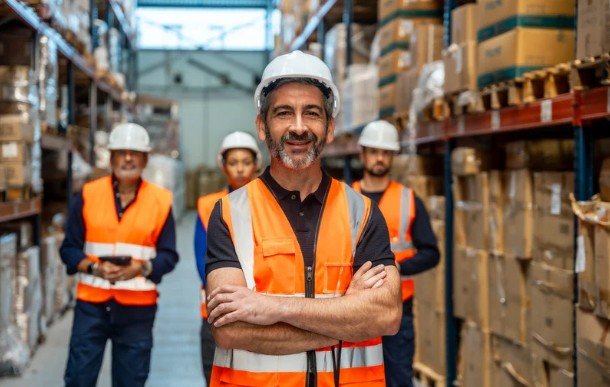
The best companies treat supply chain management as a daily business habit, not a reaction to emergencies. They use better data, stronger supplier relationships, and flexible operations.
They forecast demand before peak seasons. They track inventory instead of guessing. They review supplier performance. They build emergency plans for shortages. They protect cold-chain products. They train staff to respond quickly when something goes wrong.
This is the practical heart of Food Supply Chain Challenges and How Businesses Handle Them. The winning businesses do not control every outside event, but they control how prepared they are.
What Small Food Businesses Can Learn
Small businesses may not have large technology budgets, but they can still improve. A small restaurant can keep a backup supplier list. A bakery can track its most wasted ingredients. A café can review weekly sales before placing orders. A food brand can test packaging durability before scaling.
Simple habits matter. Checking delivery quality, recording supplier issues, storing food properly, and planning seasonal menus can protect both profit and customer trust.
Future Food Supply Chain Trends
Food supply chains are becoming more digital, local, transparent, and flexible. Businesses are paying more attention to demand forecasting, sustainable packaging, ingredient traceability, local sourcing, and risk planning.
Artificial intelligence may help companies predict demand and reduce waste. Better tracking tools may improve recall speed. More businesses may also choose regional suppliers to reduce transport pressure. The future belongs to businesses that can adapt without losing quality.
Frequently Asked Questions
1. What are the biggest food supply chain challenges?
The biggest challenges include demand changes, labor shortages, transportation delays, rising costs, supplier issues, food safety risks, waste, and poor inventory visibility.
2. Why is traceability important in food supply chains?
Traceability helps businesses track ingredients from source to customer. It is important for food safety, recalls, quality control, and customer trust.
3. How do businesses reduce food supply chain risks?
They reduce risks by using multiple suppliers, tracking inventory, improving forecasting, monitoring cold-chain storage, training staff, and creating backup plans.
4. What is Food Supply Chain Challenges and How Businesses Handle Them about?
It is about the problems food businesses face while sourcing, storing, moving, and selling food, along with the practical steps they use to protect quality, cost, and supply.
Final Takeaways
When I look at the food industry today, I see one clear lesson: strong supply chains are no longer optional. A great product still needs reliable sourcing, safe storage, smart forecasting, and quick problem-solving behind it.
Food businesses that prepare early can protect their menus, shelves, customers, and profits. The ones that ignore supply chain risks often feel the damage only after it becomes expensive. That is why better planning, better supplier relationships, and better visibility can make the difference between constant stress and steady growth.