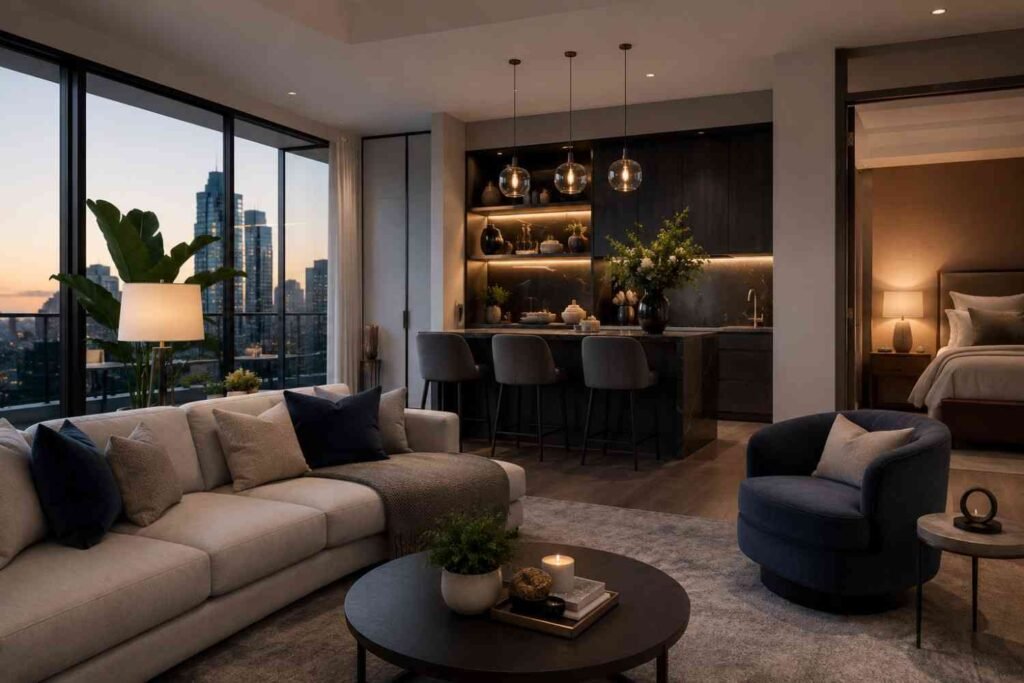
People no longer want homes that only look beautiful in photos. They want spaces that feel calming after long days, welcoming when friends visit, and comfortable enough to actually spend time in. That shift explains why hospitality-inspired living has quietly moved beyond luxury hotels and into everyday environments. The focus is no longer just on decor. It’s about creating spaces that improve how people feel.
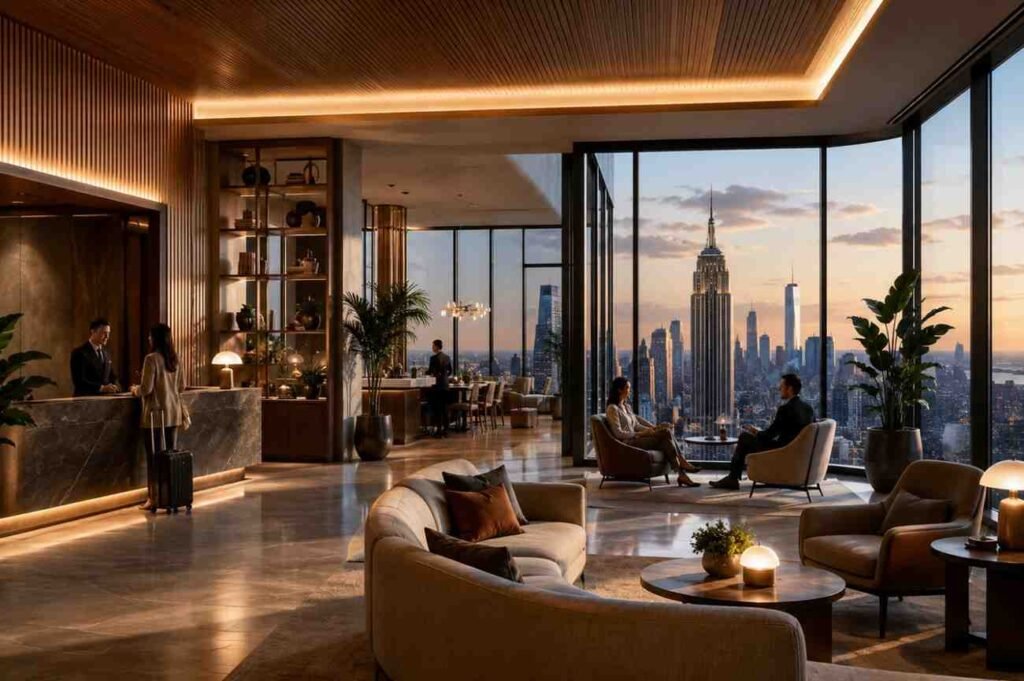
You can see this change almost everywhere now. Offices feel more like lounges. Apartment lobbies resemble boutique hotels. Restaurants prioritize atmosphere just as much as food. Even healthcare spaces have started softening harsh clinical interiors with warmer lighting, natural textures, and comfort-focused layouts. Hospitality-inspired living blends design and emotional experience together in a way that traditional interiors have often overlooked for years.
Why Hospitality-Inspired Living Feels Different?
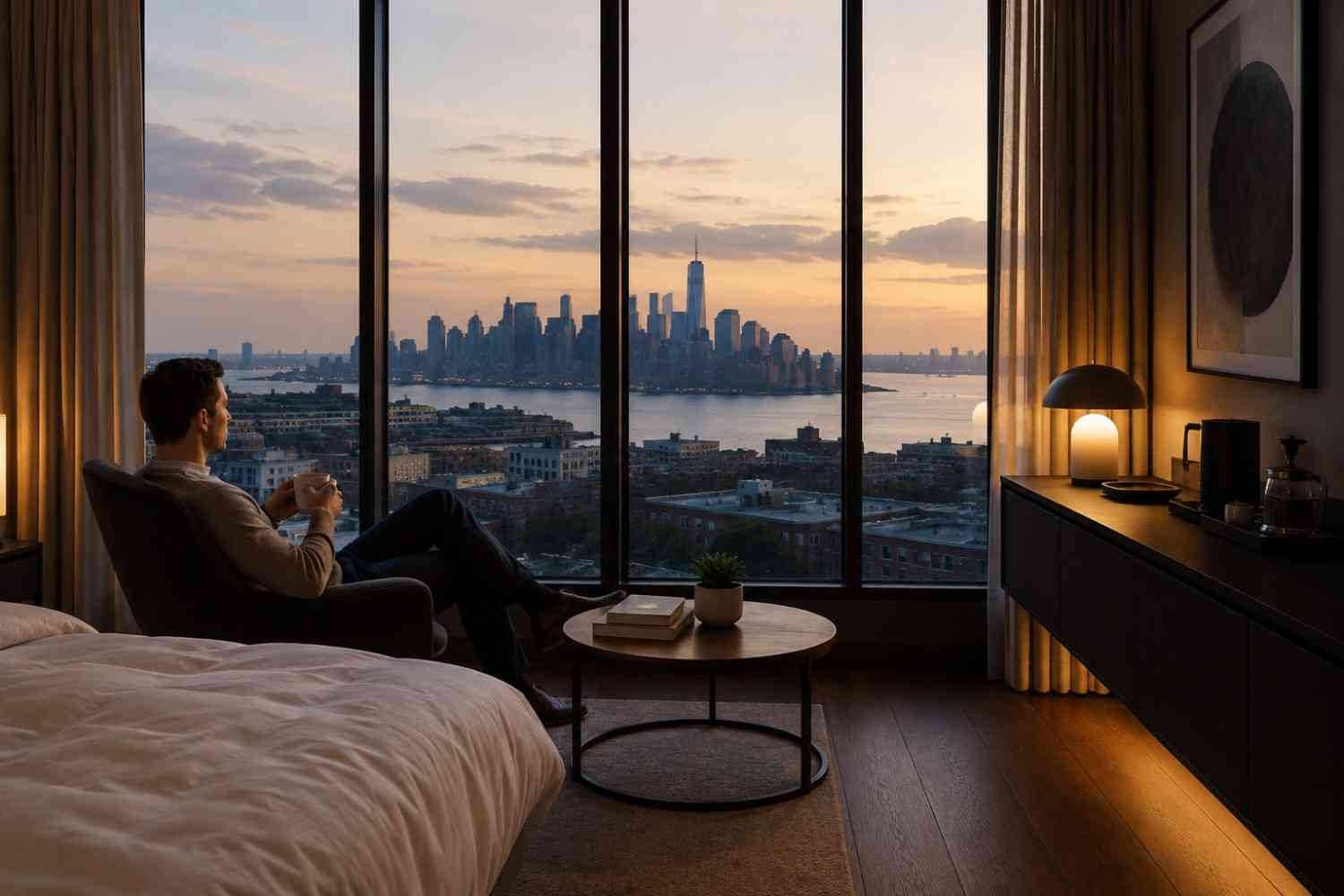
Traditional interior design often prioritized appearance first. Hospitality-inspired spaces approach design differently. They focus on how environments function emotionally as well as visually.
That’s why these spaces usually feel more relaxed and intuitive. The lighting feels softer. Seating arrangements encourage conversation. Textures feel warmer and less rigid. Even the flow between rooms tends to feel easier and more natural.
This approach is heavily connected to what designers call resimercial design, which blends residential comfort with elevated hospitality aesthetics. Instead of cold minimalism or overly formal luxury, spaces feel lived-in while still looking refined.
People are increasingly drawn toward environments that feel restorative rather than performative. That emotional shift is one reason hospitality design has become so influential across homes, offices, wellness spaces, and modern apartment living.
Comfort Has Become Part of Luxury
Luxury used to mean highly polished surfaces, dramatic architecture, and spaces designed more for appearance than comfort. That definition has changed significantly.
Today, comfort itself feels luxurious.
Soft upholstery, layered textiles, ambient lighting, and calming layouts now play a bigger role in high-end interiors than flashy statement pieces. Hospitality-inspired spaces prioritize how people physically experience a room instead of simply how it photographs online.
Natural materials also matter more than ever:
- warm wood finishes
- stone textures
- linen fabrics
- velvet seating
- woven accents
These details create what many hospitality designers call tactile comfort. People naturally respond to environments that feel softer and more grounded.
This growing emphasis on sensory comfort is also influencing modern hospitality trends, especially in boutique hotels, wellness resorts, luxury apartments, and hybrid workspaces designed around emotional well-being instead of strict functionality.
Hospitality Design Is Becoming More Experience-Driven
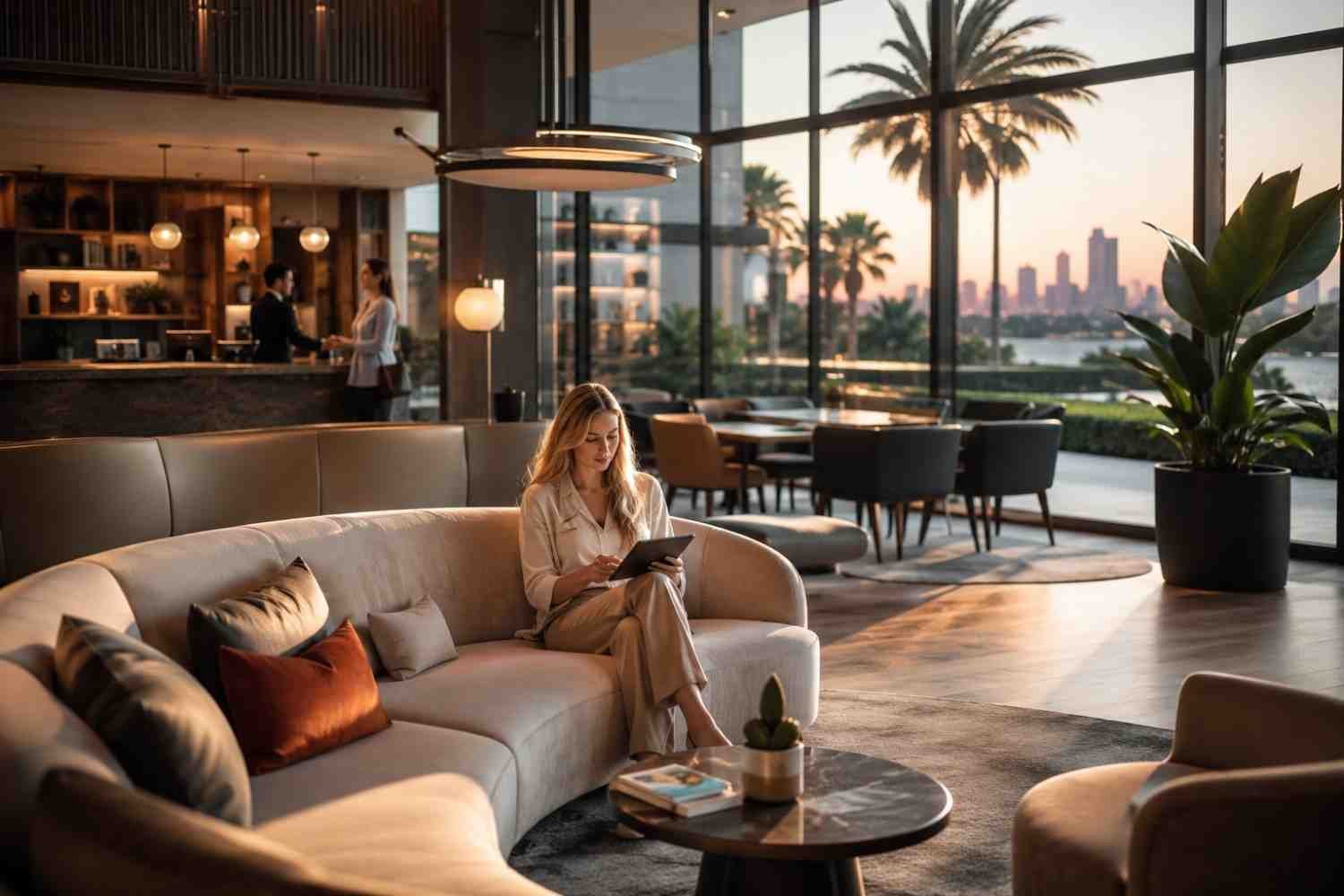
One of the biggest changes happening in modern interiors is the shift from decoration toward experience design.
Spaces now aim to create emotional memory rather than simply visual impact. Boutique hotels especially have influenced this movement by designing environments around storytelling, atmosphere, and personal connection.
That’s why many hospitality-inspired spaces include:
- local artwork
- curated scent experiences
- layered lighting
- regional textures
- personalized lounge areas
- calming music and acoustics
These details may seem small individually, but together they shape how people emotionally respond to a space.
The idea of “storyliving” has become especially influential in hospitality design. Instead of creating generic luxury environments, spaces now try to communicate personality, culture, and mood through design choices.
People increasingly want spaces that feel human rather than overly corporate or staged.
Multi-Use Spaces Are Changing Daily Living
Hospitality-inspired living also reflects how daily routines have changed.
Homes are no longer used for just one purpose. People now work remotely, entertain guests casually, relax digitally, exercise indoors, and spend significantly more time at home than before. That shift has pushed interiors toward more flexible layouts.
Open-concept living areas, hybrid dining spaces, and lounge-inspired furniture arrangements allow rooms to adapt throughout the day instead of serving one rigid function.
This idea has also influenced:
- coworking spaces
- apartment communities
- cafes
- retail environments
- hotel lobbies
Many spaces now intentionally blur the line between working, socializing, and relaxing.
That flexibility creates environments that feel more natural and less restrictive.
Wellness Design Is Now Central to Hospitality Living
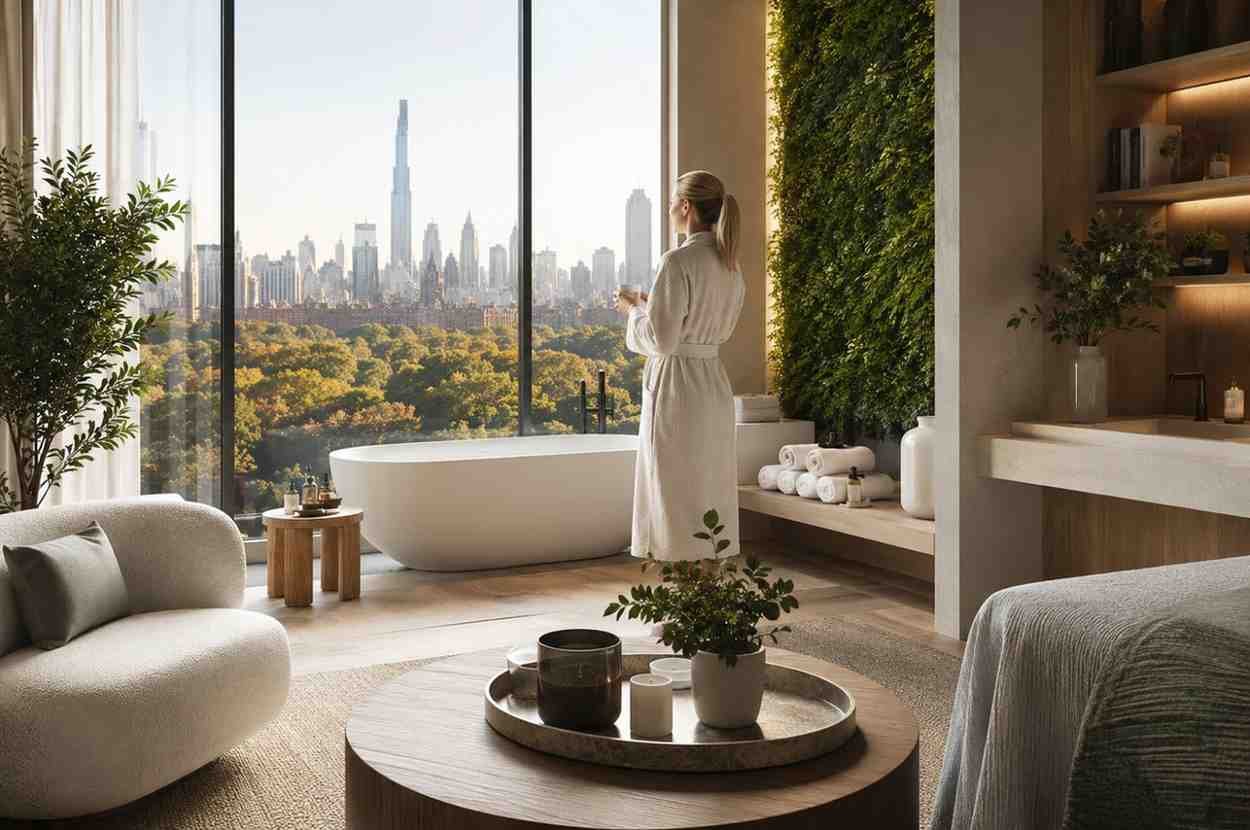
Wellness has become one of the strongest forces shaping hospitality-inspired environments.
Biophilic design, which focuses on integrating nature into interiors, continues to grow because of its connection to stress reduction and mood improvement. Natural sunlight, indoor greenery, soft airflow, and organic textures all contribute to calmer environments.
Hospitality-inspired spaces also pay closer attention to sensory balance.
Features like:
- sound-absorbing materials
- quiet corners
- softer acoustics
- dimmable lighting
- calming color palettes
help create environments that feel less overstimulating.
This matters because many modern environments unintentionally create constant sensory fatigue overload. Hospitality-inspired living tries to counter that by making spaces feel emotionally restorative instead of mentally draining.
Hospitality Influence Is Expanding Beyond Hotels
One reason this design philosophy keeps growing is that it now influences nearly every industry tied to human experience.
Corporate offices increasingly include:
- wellness rooms
- cafe lounges
- quiet focus areas
- hotel-style communal seating
Healthcare facilities are redesigning patient rooms to reduce anxiety through softer finishes, hidden equipment, and calming lighting.
Retail stores and restaurants now focus heavily on immersive atmosphere because people increasingly value experience over simple transactions.
Luxury residential buildings have also embraced hospitality living through concierge services, resort-style amenities, curated lobbies, and social gathering spaces designed to feel more personal and welcoming.
People want environments that make daily life feel smoother, calmer, and more intentional.
FAQs: How Hospitality-Inspired Living Blends Comfort, Design, and Experience
1. What is hospitality-inspired living?
Hospitality-inspired living is a design approach that blends comfort, atmosphere, functionality, and experience-focused interiors inspired by hotels, wellness spaces, and luxury hospitality environments.
2. Why is hospitality-inspired design becoming popular?
People increasingly want spaces that feel emotionally comforting, flexible, and welcoming rather than purely decorative or overly formal.
3. What is resimercial design?
Resimercial design combines residential comfort with commercial functionality, creating environments that feel softer, warmer, and more human-centered.
4. How can you create hospitality-inspired living at home?
You can start with layered lighting, natural textures, calming layouts, soft textiles, sensory details, and multi-functional spaces that prioritize comfort and emotional experience.
Why People Are Craving Spaces That Feel More Human
Hospitality-inspired living reflects something deeper than changing interior trends. People are becoming more intentional about how their environments affect mood, energy, comfort, and everyday routines. Spaces no longer exist only to impress visually. They are expected to support real life emotionally as well.
That’s probably why this design philosophy keeps expanding beyond hotels and luxury spaces. Whether it appears through softer lighting, wellness-focused layouts, or more welcoming social areas, hospitality-inspired living ultimately responds to a very modern need: creating environments where people genuinely feel good spending time.