When I first started looking into bulk food buying, I realized one thing quickly: the cheapest supplier is not always the safest choice. A low price can look exciting, but late deliveries, poor packaging, unclear invoices, or inconsistent quality can hurt your business faster than you expect. That is why learning How to Find Reliable Wholesale Food Suppliers matters before placing a large order.
A strong supplier helps you keep shelves stocked, menus consistent, customers happy, and profit margins healthy. The right partner gives you fair prices, clear terms, safe products, and dependable service. The wrong one creates waste, complaints, stress, and financial loss.
Why Reliable Wholesale Food Suppliers Matter
Food businesses depend on consistency. Whether you run a grocery store, café, restaurant, catering service, bakery, or specialty food shop, your customers expect the same quality every time.
Reliable suppliers help you avoid stock shortages and stockouts, spoiled products, unclear delivery schedules, and last-minute buying at higher prices. They also protect your brand because every product you sell or serve reflects your standards.
A good supplier should do more than ship boxes. They should support your business with product knowledge, transparent pricing, proper documentation, and fast communication when problems happen.
Start With a Clear Buying Checklist
Before searching for suppliers, I always recommend creating a simple buying checklist. This helps you avoid wasting time with vendors who do not fit your needs.
Start by listing the exact products you need. Separate them into categories such as frozen foods, dry goods, dairy, meat, seafood, beverages, baking ingredients, snacks, or specialty items.
Next, estimate how much you will order weekly or monthly. Suppliers often ask about order volume before offering pricing. You should also know your available storage space, especially for frozen, refrigerated, or perishable items.
Set your target budget and profit margin. A supplier may offer great products, but if the pricing does not leave enough room for profit, the partnership may not work long term.
Where to Find Good Food Suppliers
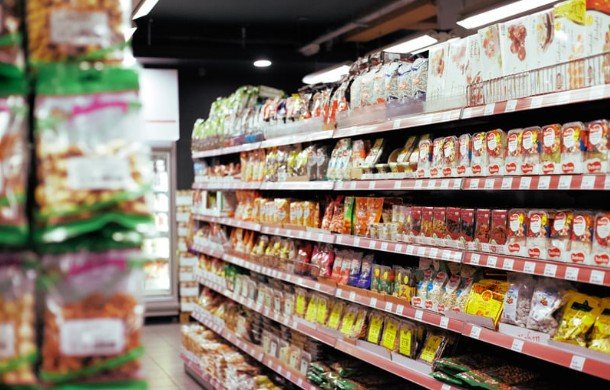
The best way to find suppliers is to use more than one search method. Online searches are useful, but they should not be your only source. Start with local and regional food distributors. These suppliers often understand delivery routes, local demand, and product availability better than larger national vendors.
You can also search online wholesale marketplaces. These platforms make it easier to compare product categories, supplier details, pricing models, and order requirements. Trade shows and food expos are also valuable. They let you meet suppliers in person, taste samples, ask questions, and compare several vendors in one place.
Another smart option is asking other business owners for referrals. A bakery owner, chef, grocer, or café operator may already know which suppliers deliver on time and which ones cause problems. Direct to consumer buying can also work well if you need specific products in high volume. This may reduce middleman costs, but it may also require larger orders.
Compare Broadline and Specialty Suppliers
Not every supplier serves the same purpose. Broadline distributors carry many product categories, which makes ordering easier. They are useful when you want one supplier for dry goods, frozen items, paper products, beverages, and kitchen basics.
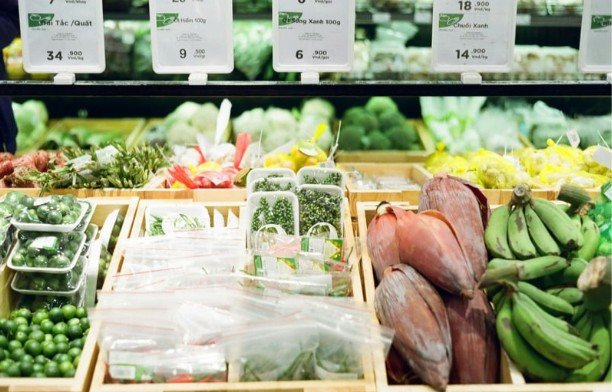
Specialty suppliers focus on specific items such as organic produce, imported cheese, premium seafood, spices, gourmet ingredients, baked goods, or plant-based foods. They may offer better quality and more unique products, but pricing can be higher.
Many businesses use both. A broadline supplier handles everyday essentials, while specialty vendors help create unique menu items or premium retail selections.
Check Food Safety and Business Documents
This is one of the most important steps in How to Find Reliable Wholesale Food Suppliers. Never judge a supplier by price alone. Ask for documents that prove they follow proper standards.
Request business licenses, food safety certifications, insurance details, product specifications, allergen information, storage requirements, and recall procedures. For imported products, ask how they verify supplier compliance and product safety.
You should also ask about batch tracking. If a product has a problem, the supplier should be able to trace where it came from and which orders were affected.
A professional supplier will not hesitate to share basic verification documents. If they avoid your questions, delay responses, or give vague answers, consider it a warning sign.
Ask for Samples Before Ordering in Bulk
Samples help you check quality before making a big commitment. Look at freshness, packaging, labeling, taste, texture, appearance, and shelf life. For restaurants, test the product in real recipes. For retail stores, check whether the packaging looks strong enough for display and customer handling.
Do not rely only on one sample. Ask whether the sample matches the regular product you will receive. Sometimes the first sample looks great, but future orders are inconsistent.
Review Pricing, MOQs, and Payment Terms
Wholesale pricing can be confusing if you do not ask the right questions. Always compare the full cost, not just the unit price. Ask about minimum order quantities, delivery fees, fuel charges, payment terms, return policies, discounts, seasonal price changes, and case sizes.
Test Delivery Reliability
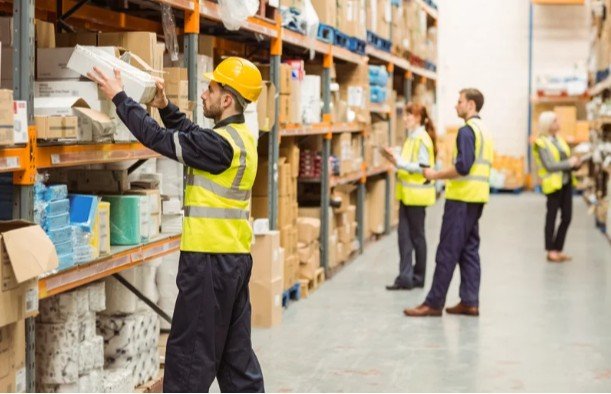
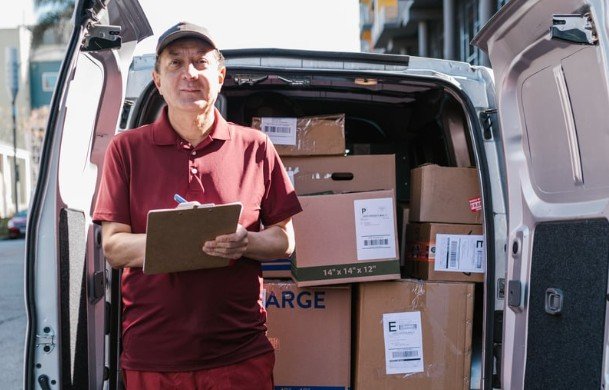
Delivery is where many supplier problems appear. A supplier may have great products, but if orders arrive late, damaged, warm, or incomplete, your business suffers. Ask about delivery days, cutoff times, emergency orders, cold-chain handling, damaged item policies, and out-of-stock alerts.
For refrigerated and frozen foods, delivery temperature matters. Products should arrive in safe condition with proper handling from warehouse to door. Start with a small trial order. Track whether the supplier delivers on time, sends correct items, provides clean invoices, and responds quickly if something goes wrong.
Watch for Red Flags

Some warning signs should not be ignored. Be careful if a supplier has unclear pricing, no physical business details, poor communication, missing documents, inconsistent product quality, or pressure-based sales tactics.
Also watch for suppliers that cannot explain their return policy, delivery process, or food safety standards. If they blame every issue on someone else, that is another bad sign. Reliable suppliers are transparent. They may not be perfect, but they should be honest, organized, and solution-focused.
Build a Long-Term Supplier Relationship
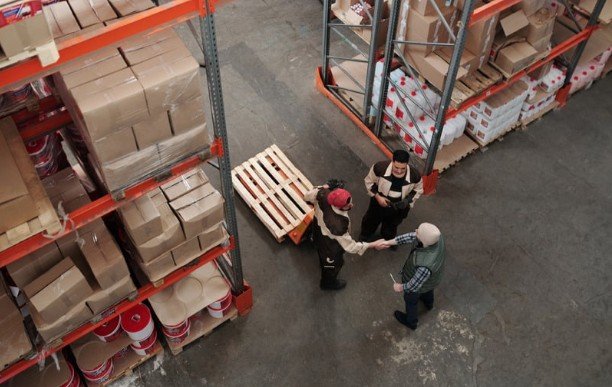
Once you find a dependable supplier, treat the relationship like a business partnership. Pay on time, communicate order changes early, share feedback, and plan ahead during busy seasons.
Good suppliers often give better service to customers who are organized and consistent. Over time, you may get better pricing, priority delivery, new product updates, and flexible support. A strong supplier relationship can become one of your biggest business advantages.
Frequently Asked Questions
1. What is the best way to start How to Find Reliable Wholesale Food Suppliers?
The best way is to define your product needs first, then compare local distributors, online wholesale platforms, trade shows, referrals, and manufacturer-direct options. After that, check documents, samples, pricing, delivery reliability, and reviews before placing a large order.
2. How do I know if a food supplier is trustworthy?
A trustworthy supplier provides clear pricing, proper documents, consistent product quality, reliable delivery, and quick communication. They should also explain their food safety process and return policy clearly.
3. Should I choose a local or national food supplier?
Both can work. Local suppliers may offer fresher products and flexible delivery, while national distributors may offer wider product selection and stronger logistics. Many businesses use both.
4. What questions should I ask before buying wholesale food?
Ask about minimum orders, payment terms, delivery schedules, product storage, safety documents, return policies, damaged goods, price changes, and emergency order options.
Smart Buying Takeaways
When I look at food suppliers, I do not start with the cheapest quote. I start with trust. Price matters, but reliability, safety, communication, and consistency matter just as much.
The best supplier is the one that helps your business run smoothly, protects your customers, and supports your growth. Start small, verify everything, compare carefully, and build relationships with vendors who prove they can deliver.