
Looking into food buying for restaurants, retailers, and small food businesses, I realized one thing fast: wholesale pricing is not as simple as buying cheap and selling high. Every case of produce, frozen item, sauce, meat, dairy product, or packaged snack has a chain of costs behind it.
That is why Wholesale Pricing in the Food Industry Explained matters for anyone who wants to protect profit, compare suppliers, and avoid costly buying mistakes. Food prices can change because of fuel, labor, storage, packaging, weather, demand, delivery routes, and supplier margins.
If you only look at the price on an invoice, you may miss the real cost behind the product. A smart buyer looks at the full picture before placing a large order.
What Is Wholesale Pricing in the Food Industry?
Wholesale pricing is the price a supplier, distributor, manufacturer, or wholesaler charges a business for food products bought in bulk. These buyers may include restaurants, grocery stores, cafés, caterers, hotels, bakeries, meal delivery services and meal kits, and specialty food shops.
The wholesale price is usually lower than the retail price because the buyer is purchasing larger quantities. However, that does not always mean it is automatically the best deal. If the minimum order is too high, delivery fees are expensive, or the product spoils quickly, the lower unit price may not save money.
How Wholesale Food Pricing Works
Wholesale food pricing usually starts with the base product cost. This may come from a farm, manufacturer, importer, processor, or food producer. After that, more costs are added before the item reaches the buyer.
These costs may include packaging, processing, storage, refrigeration, labor, transportation, fuel, insurance, handling, and supplier profit. For perishable foods, risk is also part of the price. Fresh seafood, dairy, berries, leafy greens, and meat need careful handling, so the final wholesale price often includes cold chain and spoilage risk.
In simple terms, the supplier must charge enough to cover costs and still make a profit. The buyer must decide whether that price allows enough room for resale, menu pricing, or retail markup.
Wholesale Price vs Retail Price
For example, a bakery may buy flour, chocolate, butter, and packaging at wholesale rates. The customer does not pay for those ingredients alone. The final price of a pastry also includes labor, rent, utilities, branding, waste, equipment, and profit.
This is why food businesses cannot judge wholesale pricing by product cost only. A low wholesale price may look attractive, but it must still support a profitable retail or menu price.
Main Costs Behind Wholesale Food Prices
Product Cost
This is the starting point. It includes the actual food item, whether it is raw produce, meat, grains, spices, frozen food, beverages, or packaged goods. Product cost can rise or fall based on harvest conditions, supply shortages, import costs, demand, and commodity prices.
Packaging Cost
Food packaging affects pricing more than many buyers expect. Boxes, bottles, jars, wraps, labels, cartons, vacuum seals, and insulated shipping materials all add cost. Premium packaging can make a product look better, but it also increases the wholesale price.
Labor and Processing
Cutting, cleaning, cooking, freezing, bottling, labeling, portioning, and packing require labor. Ready-to-use food products usually cost more because the supplier has already done part of the preparation work.
Storage and Cold Chain
Frozen, chilled, and fresh products need controlled storage. Refrigerated trucks, warehouse space, temperature tracking, and fast delivery routes all add to the final price. This is especially important for dairy, meat, seafood, frozen meals, and fresh produce.
Delivery and Fuel
Transportation can change wholesale food pricing quickly. A supplier may charge more when fuel costs rise, delivery routes are longer, or the order is small. Some suppliers include delivery in the price, while others add it as a separate fee.
Spoilage and Waste Risk
Food is different from many other wholesale products because it can expire, melt, bruise, dry out, or lose quality. Suppliers often price perishable items with this risk in mind. Buyers also need to think about waste before ordering too much.
Common Wholesale Food Pricing Methods
Cost-Plus Pricing
This is one of the most common methods. The supplier adds up all costs, then adds a profit margin. For example, if a product costs $4 to source, pack, store, and deliver, the supplier may add a 30% margin and sell it for $5.20.
Tiered Pricing
Tiered pricing gives better rates for larger orders. A café buying 10 cases may pay more per case than a grocery chain buying 200 cases. This helps suppliers reward volume while encouraging repeat orders.
Contract Pricing
Contract pricing is common for restaurants, hotels, institutions, and food retailers that buy regularly. The buyer and supplier agree on pricing terms for a set period. This can make budgeting easier, but buyers should still check market changes and price validity dates.
Dynamic Pricing
Some food prices change based on demand, season, availability, and market conditions. Fresh produce, seafood, meat, coffee, eggs, and imported specialty foods can shift often. That is why smart buyers review invoices regularly instead of assuming the same price will stay forever.
What Affects Wholesale Food Prices?
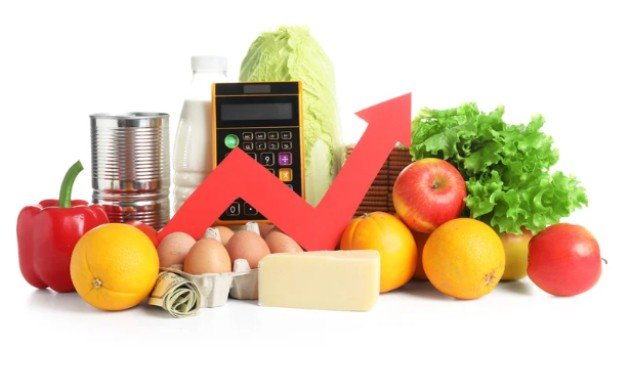
Several things can affect the price a buyer pays. Seasonality is one of the biggest. Strawberries, tomatoes, avocados, seafood, and specialty produce may cost more when supply is limited.
Order volume also matters. Larger orders usually reduce the per-unit price, but over-ordering can lead to spoilage. Product quality affects pricing too. Organic, local, grass-fed beef, handmade, imported, or specialty items often cost more than standard versions.
Other factors include fuel costs, delivery distance, storage needs, packaging type, supplier demand, labor shortages, and brand reputation. A reliable supplier with consistent quality may not always be the cheapest, but they may protect your business from missed deliveries and poor product quality.
How to Compare Wholesale Food Suppliers
The cheapest price is not always the best price. A strong supplier should offer fair pricing, reliable delivery, clear invoices, consistent quality, flexible order options, and honest communication.
Before choosing a supplier, compare the delivered cost, not just the product cost. Ask about minimum order quantities, delivery fees, substitution policies, payment terms, damaged product credits, and price change notices.
A buyer should also check whether the supplier offers product samples, seasonal updates, digital ordering, and clear price lists. These details can save time and reduce mistakes.
Common Mistakes to Avoid
One major mistake is buying too much just to get a lower unit price. If half the product spoils, the deal becomes a loss. Another mistake is ignoring hidden fees. Delivery charges, fuel surcharges, storage fees, rush orders, and split-case fees can raise the true cost.
Buyers also make mistakes when they depend on one supplier only. Having backup suppliers can protect a business during shortages, delays, or sudden price increases. Finally, never assume last month’s price is still correct. Food pricing changes often, so invoices should be reviewed carefully.
Simple Wholesale Food Pricing Example
Imagine a supplier sells a specialty sauce to restaurants. The ingredient cost is $2.00 per bottle. Packaging costs $0.40. Labor and processing cost $0.60. Storage and delivery add $0.50. The total cost is $3.50.
If the supplier wants a 30% margin, the wholesale price may be around $4.55 per bottle. The restaurant then uses that cost to decide menu pricing, portion size, and profit margin.
This simple example shows why Wholesale Pricing in the Food Industry Explained is more than a definition. It is a practical pricing system that affects every part of food buying and selling.
Frequently Asked Questions
1. What does Wholesale Pricing in the Food Industry Explained mean?
It means understanding how food suppliers set bulk prices for restaurants, retailers, caterers, and other businesses. It includes product cost, packaging, labor, storage, delivery, spoilage risk, and supplier profit.
2. How do food wholesalers calculate prices?
Food wholesalers usually calculate prices by adding the cost of the product, packaging, labor, storage, delivery, overhead, and profit margin. Some also adjust prices based on season, demand, and order size.
3. Is wholesale food always cheaper than retail?
Wholesale food is usually cheaper per unit, but it is not always the best deal. Delivery fees, minimum orders, storage limits, and spoilage can increase the real cost.
4. What is a good wholesale margin for food products?
A good margin depends on the product type, freshness, storage needs, competition, and buyer demand. Specialty, perishable, or premium food items may need higher margins than basic pantry goods.
5. How can restaurants lower wholesale food costs?
Restaurants can lower costs by comparing suppliers, ordering based on actual usage, reducing waste, negotiating better terms, using seasonal ingredients, and reviewing invoices often.
Smarter Food Buying Starts With Better Pricing Knowledge
I believe food businesses make better decisions when they understand the numbers behind every order. A low price can look exciting, but real savings come from freshness, consistency, smart order sizes, fair supplier terms, and reduced waste.
Wholesale Pricing in the Food Industry Explained helps buyers and sellers see pricing as a complete system, not just a number on a product sheet. When you know how wholesale food prices are built, you can negotiate better, plan smarter, and protect your profit with more confidence.