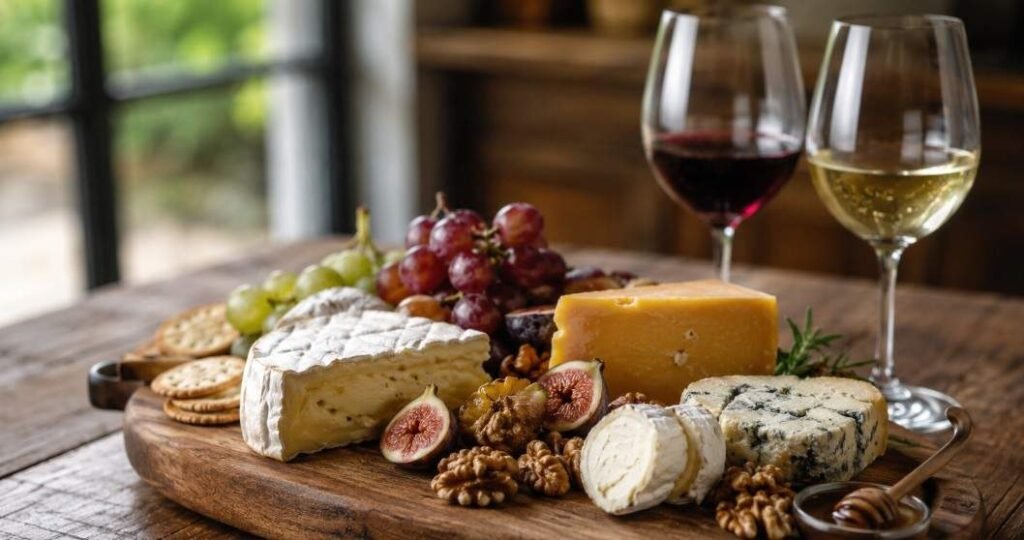
A cozy board, good bottle, and right bite can make any evening feel planned yet unfussy. Wine and cheese pairings help you balance flavor, texture, and mood, for hosting friends, date night, or building a relaxed weekend spread.
What Makes The Match Work?
Wine and cheese pairings are about matching weight, texture, aroma, and flavor so neither side overpowers the other. A light, crisp wine works with fresh or creamy cheese, while bold reds can stand beside aged, firm cheese with deeper umami notes.
The rule I trust most is like with like. Light cheese with light wine, rich cheese with rich wine, salty cheese with sweet wine, and intense cheese with intense wine. Once you understand that pattern, pairing feels natural.
There is also a wellness-minded side. Cheese can bring protein, calcium, and satisfying fats, while fruit, nuts, olives, and whole-grain crackers add color. Wine should still be enjoyed moderately.
Perfect Pairing Basics
Good pairings begin with balance, not price or rare labels.
Match Weight First
Weight means how heavy the cheese and wine feel in your mouth. Fresh goat cheese feels light and tangy, so it needs Sauvignon Blanc. Aged Gouda feels dense and nutty, so it needs Merlot or Zinfandel.
This works because shoppers often know the cheese before the wine. Check texture and intensity, then choose the bottle.
Balance Texture And Flavor
Creamy cheeses need acidity or bubbles because fat can coat the palate. Sparkling wine, dry rosé, and crisp whites refresh your mouth after each bite. That is why Champagne with Brie feels clean.
Hard cheeses need wines with structure. Tannins in Cabernet Sauvignon can taste harsh with soft cheese, but aged cheddar has enough fat and sharpness to smooth the wine.
Use Sweetness Wisely
Sweetness can rescue strong salty cheese. Blue cheese, Roquefort, Gorgonzola, and Stilton taste bold, but Port, Sauternes, and Riesling soften their sharp edges. This sweet and salty contrast feels rich, layered, and almost dessert-like.
Build A Better Tasting Board
These classic matches are reliable because they follow proven flavor logic.
| Cheese Style | Cheese Examples | Wine Match | Why It Works |
| Soft And Creamy | Brie, Camembert, Chèvre | Champagne, Dry Rosé, Sauvignon Blanc | Acidity and bubbles cut richness |
| Semi-Hard And Nutty | Gruyère, Comté, Mild Cheddar | Pinot Noir, Beaujolais, Unoaked Chardonnay | Medium body protects nutty flavor |
| Aged And Hard | Parmigiano-Reggiano, Aged Gouda, Sharp Cheddar | Cabernet Sauvignon, Merlot, Zinfandel | Bold structure suits umami depth |
| Funky And Blue | Roquefort, Gorgonzola, Blue Stilton | Port, Sauternes, Riesling | Sweetness balances salt and bite |
Soft And Creamy
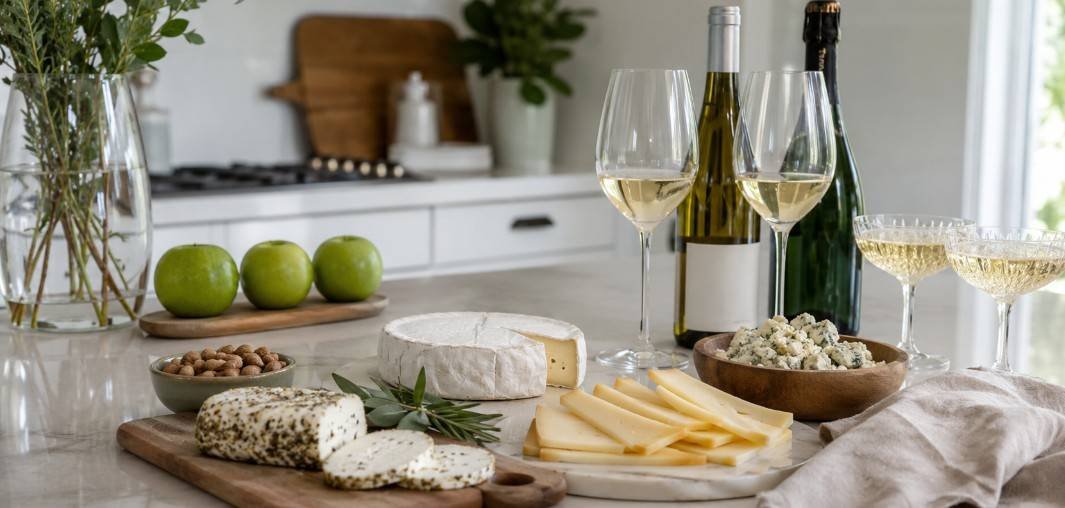
Brie, Camembert, and goat cheese need wines that lift their creamy or tangy texture. Champagne is excellent with Brie because bubbles clear the palate, while dry rosé adds fruit without heaviness.
Sauvignon Blanc works with chèvre because both have bright, citrusy notes. This beginner-friendly match feels fresh and connected.
Semi-Hard And Nutty
Gruyère, Comté, and mild cheddar have a nutty, savory style that works best with medium-bodied wines. Pinot Noir and Beaujolais bring red fruit and gentle tannins.
Unoaked Chardonnay is also smart because it gives roundness without too much butter or vanilla. This style is ideal for casual dinners and lighter charcuterie boards.
Aged And Hard
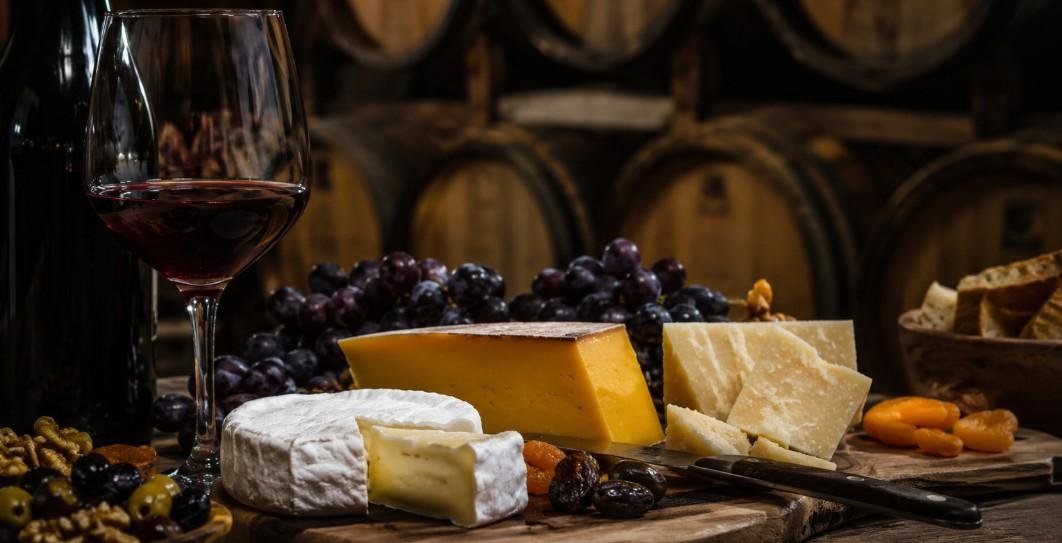
Parmigiano-Reggiano, aged Gouda, and sharp cheddar need wines with grip. Cabernet Sauvignon, Merlot, and Zinfandel have enough structure to match the salty, concentrated flavor of aged cheese.
These pairings feel best with hearty boards. Add walnuts, figs, roasted almonds, or dark chocolate to build a richer experience without crowding the plate.
Funky And Salty Blue
Blue cheeses are bold, salty, and sometimes spicy. Port, Sauternes, and Riesling work because their sweetness softens the cheese while highlighting its creamy depth. This pairing is perfect near the end of a tasting. Serve small portions because blue cheese can dominate the palate beside gentler cheeses.
How To Build Wine And Cheese Pairings
This is the practical part you can use before your next gathering.
Pick Three Cheeses
Start with one soft cheese, one firm cheese, and one bold cheese. Brie, aged cheddar, and blue cheese create a simple spread with creamy, sharp, and salty flavors. Then choose wines that cover the range. Sparkling wine handles the soft cheese, Cabernet or Merlot supports the cheddar, and Port or Riesling balances the blue cheese.
Add Smart Board Extras
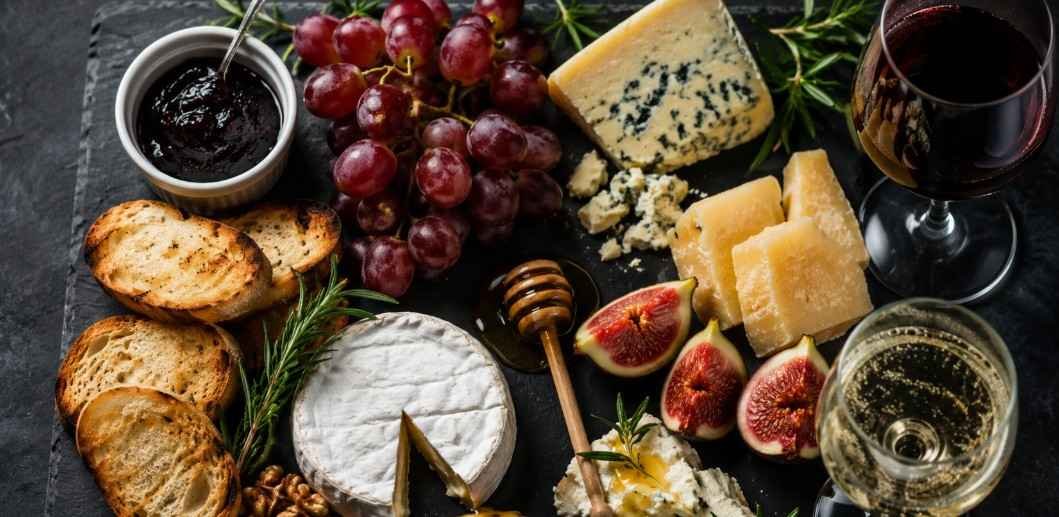
Fruit, nuts, honey, olives, crackers, baguette, fig jam, and cured meats can connect the wine and cheese. Apples brighten cheddar, honey softens blue cheese, and almonds add texture. Use extras with purpose. A cleaner board is easier to taste, photograph, and understand.
Serve In The Right Order
Serve lighter cheeses first, then move toward aged, smoked, washed-rind, or blue cheese. Start with sparkling or crisp white, continue with rosé or light red, and finish with sweet wine. This order protects your palate and makes the experience feel guided.
Pro Tips For Serving
Small serving details can make ordinary wine and cheese taste restaurant-level.
Bring Cheese To Room Temperature
Take cheese out of the fridge 30 to 60 minutes before serving. Cold cheese tastes muted because the fat is firm and the aromas stay locked in. Room temperature cheese tastes fuller and softer. Just avoid leaving cheese out too long in warm weather.
Try Regional Synergy
Wines and cheeses from the same region often pair naturally. Goat cheese and Sancerre from the Loire Valley are a classic match, while Manchego and Tempranillo show Spanish harmony.
Regional pairing is useful because local food and wine traditions often developed side by side. It is an easy shortcut when you feel stuck.
Chill Reds Slightly
Many red wines taste better with cheese when slightly cool. Place red wine in the refrigerator for about 20 minutes before serving, especially Pinot Noir, Merlot, or Zinfandel.
Cooler reds feel fresher and less alcoholic. This helps them pair better with salty, nutty, and aged cheeses.
Common Pairing Mistakes
Avoiding a few mistakes can improve the whole board quickly.
Using Only Bold Reds
Cabernet with every cheese is not always a good plan. Big tannic reds can clash with soft, creamy, or very salty cheeses.
Keep at least one crisp white or sparkling wine on the table. It gives guests a flexible option and saves lighter cheeses from being overpowered.
Serving Cheese Too Cold
Cold cheese can taste bland and rubbery. Even high-quality Brie or cheddar loses character when served straight from the fridge.
A short rest at room temperature brings out aroma, creaminess, salt, and sweetness. This simple step makes pairings taste more intentional.
Ignoring The Guests
Not everyone enjoys blue cheese, dry reds, or strong washed-rind cheese. A balanced board should include at least one familiar option like mild cheddar, Brie, Gouda, or mozzarella.
This makes your board welcoming. Great pairings should invite people in.
Frequently Asked Questions
1. What Wines And Cheese Go Together?
Classic wine and cheese pairings include Brie with Champagne, goat cheese with Sauvignon Blanc, cheddar with Cabernet Sauvignon, Gouda with Merlot, and blue cheese with Port.
2. What Is The 20/20/20 Rule For Wine?
It means chill red wine for 20 minutes, remove white wine 20 minutes before serving, and let suitable wines breathe for about 20 minutes.
3. What Else Goes With Wine And Cheese?
Fruit, nuts, honey, olives, crackers, baguette, cured meats, fig jam, dark chocolate, pickles, and sparkling water all work well beside wine and cheese.
4. What Is The 20 Minute Rule For Red Wine?
Place red wine in the fridge for about 20 minutes before serving. Slightly cool red wine tastes fresher, smoother, and more balanced with cheese.
Last Pour, Best Bite
Wine and cheese pairings are easiest when you match weight, texture, and intensity. Start with familiar cheeses, add one crisp wine, one red, and one sweet option, then taste slowly. A thoughtful board turns sipping into a warm ritual.