Walk into almost any busy US food scene today, and you can feel the Korean influence before you even sit down. Menus are adding gochujang sauces, Korean fried chicken, kimchi rice bowls, cheese-filled corn dogs, and black sesame desserts because diners want food that feels bold and memorable.
That is why Korean food trends are growing so quickly. They bring together comfort, spice, crunch, sweetness, and culture in a way that feels exciting but still easy to enjoy.
Why Is Korean Food Growing So Fast in the US?
Korean food works well for American diners because it feels both familiar and new. Fried chicken, burgers, rice bowls, noodles, and barbecue are already popular here. Korean cuisine adds gochujang, kimchi, soy garlic, sesame oil, doenjang, banchan, and spicy-sweet sauces to make those formats more exciting.
Axios also noted that Korean food has moved further into the US mainstream through viral street foods, Korean fried chicken, kimchi, barbecue sauces, and the wider influence of Korean culture. That matters because people are not just looking for a meal anymore. They want food with a story, a strong look, and a flavor they remember.
For diners searching for healthy restaurant options, Korean menus can also offer balanced choices like bibimbap, grilled meats, tofu stews, vegetable banchan, and fermented sides.
Viral Korean Street Food Is Driving Cravings
Short-form video platforms have made Korean street food one of the strongest growth areas. K-corn dogs are a perfect example. These deep-fried, yeast-battered snacks often come coated in panko, sugar, or cubed potatoes. Many versions include hot dogs, mozzarella, or both, creating the dramatic cheese pull that performs so well online.
Tteokbokki is another favorite. These chewy rice cakes in a fiery gochujang sauce offer the spicy, soft, and saucy texture many diners crave. A newer variation, butter tteok, takes traditional cylindrical rice cakes and pan-fries them in butter until the outside turns crispy while the inside stays chewy.
Tornado potatoes also fit the viral snack wave. These spiral-cut potatoes on a stick feel playful, crunchy, and customizable. Vendors can dust them with spicy pepper, tangy cheese, sweet cinnamon sugar, or other bold seasonings.
Korean Fried Chicken Has Become a Mainstream Favorite
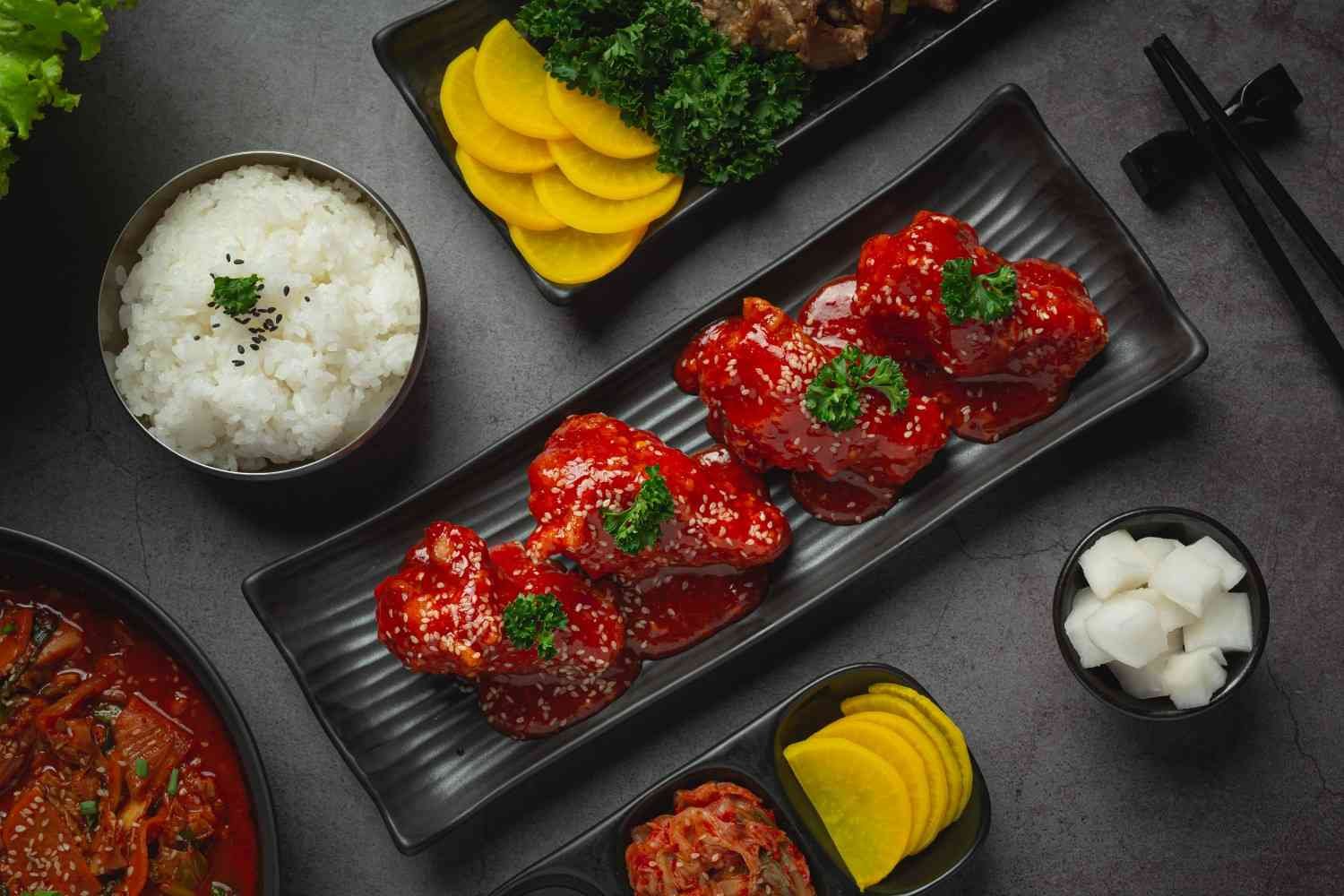
Korean fried chicken may be one of the easiest Korean dishes for US diners to love. It keeps the comfort of classic fried chicken but adds a lighter crunch and stronger sauces. Soy garlic, honey butter, spicy gochujang, sweet chili, and cheese powder flavors make it stand out.
This trend also works well for takeout, delivery, sports nights, and group meals. Food & Wine reported on a Buldak Ramen and bb.q Chicken collaboration that blended spicy ramen sauce with Korean fried chicken, showing how Korean brands are using heat, crunch, and cross-category flavor to reach US diners.
Gochujang, Kimchi, and Fermentation Are Everywhere
The strongest Korean food trends are not only about snacks. They are also about ingredients. Gochujang gives dishes sweet heat, depth, and umami. Kimchi adds crunch, acidity, spice, and fermented complexity. Doenjang brings rich soybean flavor to stews, sauces, and marinades.
Fermented foods also connect with health-conscious consumers. Bidfood notes that Korean cuisine has strong appeal because of bold flavors, fermented ingredients like kimchi and gochujang, and familiar formats such as fried chicken, noodles, dumplings, Korean BBQ, and bibimbap.
In the US, these flavors now show up in wings, burgers, tacos, fried rice, grain bowls, roasted vegetables, sandwiches, and noodle dishes.
Korean BBQ Still Wins as a Social Dining Experience
Korean BBQ remains one of the most recognizable Korean dining experiences in America. It works because it turns dinner into something interactive. Diners grill marinated meats at the table, wrap them in lettuce, add rice and sauces, and enjoy small side dishes together.
Bulgogi, galbi, pork belly, spicy chicken, and short ribs continue to attract both new and experienced diners. This style fits American group dining because it feels casual, generous, and memorable.
Reinvented Korean Desserts Are Getting Premium
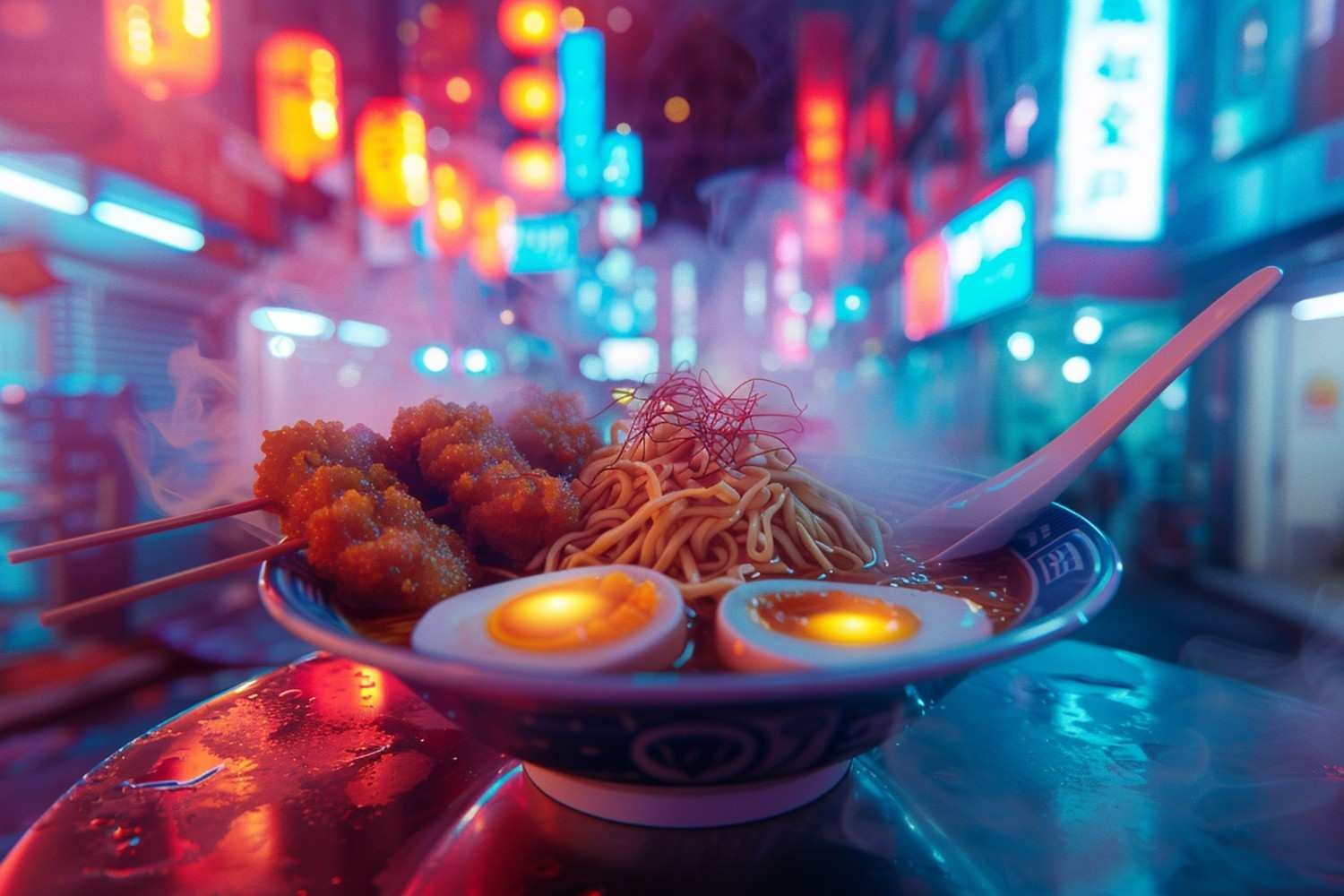
Korean dessert culture is moving beyond bingsu and dalgona-style drinks. Modern cafes and bakeries now elevate nostalgic flavors into more refined formats.
Yakgwa, a honey-and-ginger-soaked traditional pastry, is paired with cream to balance its dense sweetness. Injeolmi, known for its roasted soybean powder flavor, now appears in lattes, pastries, ice cream, and cakes. Mugwort and black sesame are also gaining attention because they offer earthy, nutty, slightly bitter notes that feel more mature than basic sweetness. Korea.net has also highlighted mugwort as a notable Korean food flavor, showing its importance in modern Korean taste trends.
For US cafes, these flavors offer something different from standard chocolate, vanilla, caramel, and stKorean Food Trends Taking Over America Right Nowrawberry.
Healthier Korean Food Is Becoming More Intentional
Korean food can be indulgent, but it can also support balanced eating. Protein grain bowls are becoming more popular as people move beyond plain white rice bases. Mixed grains like barley, black rice, and multigrain rice pair well with vegetables, spring greens, tofu, eggs, beef, chicken, or mushrooms.
Low-sugar ice creams and lighter Korean-style desserts also fit a growing demand for nighttime treats that feel satisfying without being overly sweet. This gives Korean cuisine room to appeal to diners who want flavor, comfort, and better-for-you choices while still following healthy diet habits.
Fusion and Convenience Are Moving Korean Flavor Into Daily Life
Korean fusion has become smarter and more natural. K-burgers with gochujang-glazed patties, sweet-and-spicy garlic sauces, kimchi mayo, and yuzu drinks show how Korean flavors can improve familiar fast-casual foods.
Convenience is also important. Korean ramen, frozen mandu, meal kits, sauces, rice cakes, seaweed snacks, and ready meals make it easier for Americans to bring K-food into weekday routines. GourmetPro notes that Korean cuisine growth includes global street food, premium ready meals, Korean fried chicken, K-BBQ concepts, and viral formats like Korean corn dogs.
Bunshik Pairings Are the Next Authentic Detail to Watch
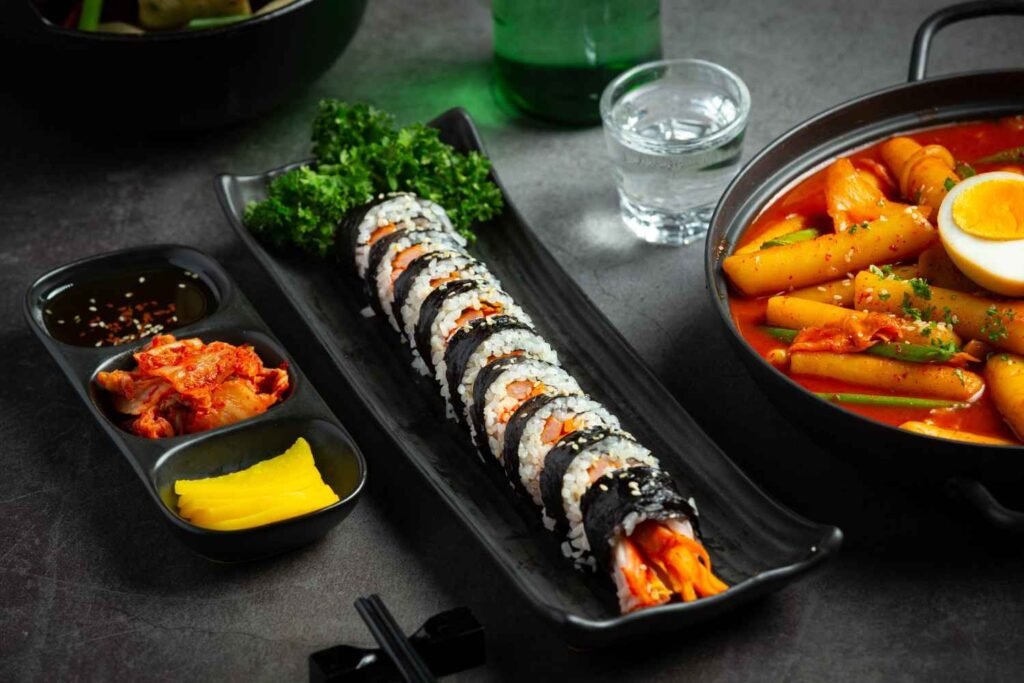
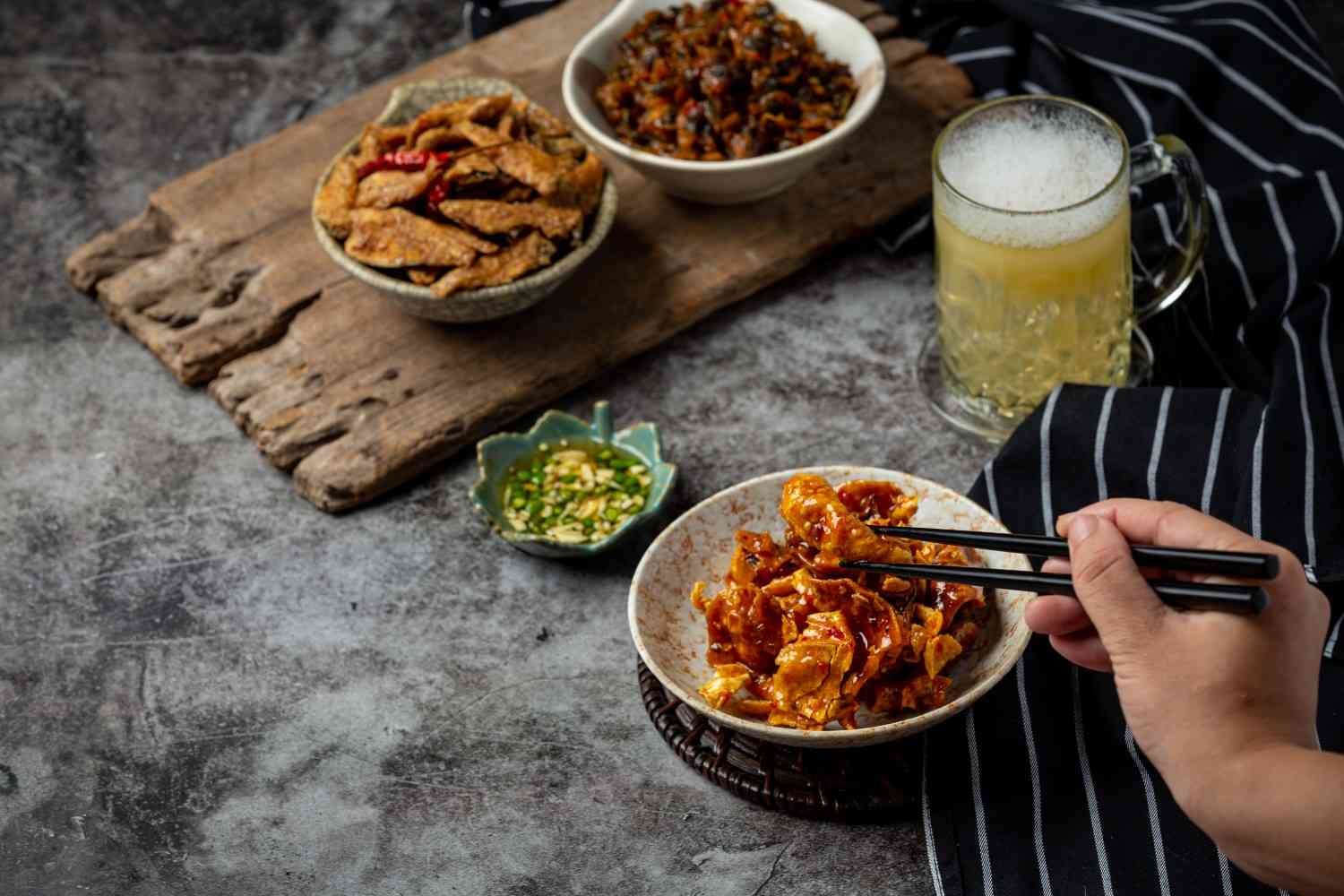
One detail many US articles miss is bunshik pairing culture. Bunshik refers to casual Korean snack foods like tteokbokki, gimbap, soondae, and fried items. The fun comes from pairing textures and sauces.
For example, many people dip gimbap or soondae into fiery tteokbokki sauce. The rice, seaweed, sausage, spice, and chew create a balanced bite. This detail can help US readers understand Korean street food beyond the obvious viral snacks.
FAQs About Korean Food in America
1. What Korean food trends are most popular right now?
The most popular Korean food trends include Korean fried chicken, K-corn dogs, tteokbokki, butter tteok, Korean BBQ, gochujang sauces, kimchi dishes, Korean ramen, yakgwa desserts, injeolmi drinks, and Korean fusion burgers.
2. Why do Americans like Korean food so much?
Americans like Korean food because it blends comfort with bold flavor. It offers crispy, spicy, sweet, savory, fermented, and interactive dining experiences. Social media and Korean pop culture have also made these dishes more familiar.
3. What Korean street foods should beginners try first?
Beginners can start with Korean corn dogs, tteokbokki, mandu, hotteok, gimbap, Korean fried chicken, and tornado potatoes. These foods feel approachable and still show the fun side of Korean street food.
4. Is Korean food healthy?
Korean food can be healthy when you choose balanced dishes. Bibimbap, tofu stew, seaweed soup, vegetable banchan, fermented kimchi, protein grain bowls, and grilled meats can fit a nutritious eating style.
The Flavor Shift Americans Should Watch
Korean food has grown because it gives people more than spice. It gives them texture, comfort, color, culture, and creativity. From viral butter tteok to Korean BBQ, from black sesame cakes to gochujang burgers, the cuisine keeps finding new ways to fit American dining habits.
I do not see this slowing down soon. Korean food has enough range to live in restaurants, grocery aisles, cafes, delivery menus, and home kitchens. That is what makes it one of the most exciting food movements in the US right now.