I have seen many food ideas feel exciting in the kitchen but fall apart when real customers taste, price, or compare them. A recipe can be delicious and still not be ready for shelves, online orders, cafes, or local markets. That is why How to Test a Food Product Before Launch matters so much. It helps you find weak spots before you spend money on full production, packaging, labels, inventory, and marketing.
A smart test does not need to be complicated. You need honest feedback, small-batch trials, safety checks, pricing clarity, and proof that people would actually buy the product again.
Why Testing Matters Before You Sell
Food is personal. People judge it through taste, smell, texture, appearance, price, packaging, trust, and convenience. If one part feels wrong, they may not buy it again.
Testing helps you answer important questions before launch. Does the flavor stand out? Is the portion size right? Does the package explain the product clearly? Is the price fair? Can the product stay fresh long enough? Are allergens and ingredients clearly listed?
Without testing, you may launch based on guesses. With testing, you improve the product using real feedback.
Start With a Clear Target Customer
Before I would test any food product, I would first define who it is for. A spicy sauce for adventurous food lovers needs a different test group than a low-sugar snack for busy parents.
Think about your ideal buyer’s age, lifestyle, budget, taste preferences, eating habits, and buying location. Are they shopping online, at specialty stores, in cafes, or at weekend markets? This helps you choose the right testers and avoid random feedback that does not match your real audience.
Test Small Batches First
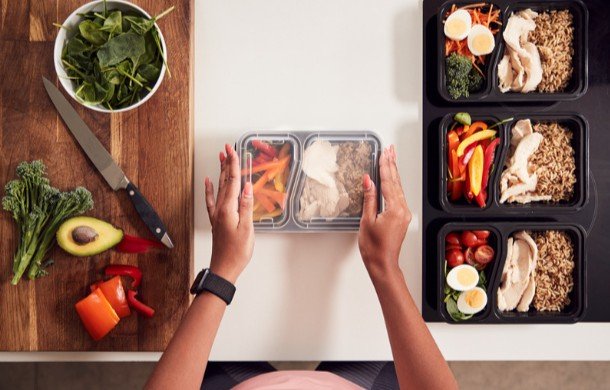
Start with a small batch instead of producing too much inventory. Small-batch manufacturers let you adjust flavor, texture, sweetness, spice level, portion size, and consistency without wasting money.
Ask testers to review taste, aroma, mouthfeel, appearance, aftertaste, and freshness. Do not only ask, “Do you like it?” That question is too weak. Ask what they would change, what they would compare it to, and whether they would buy it with their own money.
This is one of the most practical steps in How to Test a Food Product Before Launch because it turns opinions into product improvements.
Run Taste Tests With Real Customers
Friends and family can help early, but they may be too kind. Once your product feels close to ready, test it with people who do not know you. You can run tasting sessions at local events, pop-ups, farmers markets, community gatherings, or small private groups. Give each tester the same amount and collect feedback right away.
Ask simple but useful questions:
- Would you buy this product?
- What price feels fair?
- What flavor note stands out first?
- What confused you about the product?
- Would you recommend it to someone else?
- What would make it better?
Look for patterns. If three people mention the same issue, take it seriously.
Test Packaging and Shelf Appeal
Packaging is not just about looking pretty. It must explain the product quickly. A customer should understand what it is, who it is for, how to use it, and why it is worth buying.
Test different package mockups before printing large quantities. Ask people which one they would notice first, what they think the product costs, and whether the label feels trustworthy.
Also check practical details. Is the container easy to open? Does it protect the food? Is it suitable for shipping? Does the package size match the price? Good packaging can improve trust, but confusing packaging can hurt sales even when the food tastes great.
Validate Pricing Before Production
Many food founders underprice because they are afraid customers will say no. Others overprice without proving value. Testing helps you find the middle ground.
Calculate your ingredient cost, packaging cost, labor, shipping, storage, platform fees, and profit margin. Then ask testers what they would expect to pay. Compare their answer with your required price.
If people love the product but reject the price, you may need better packaging, a smaller size, a premium story, or lower production costs.
Try a Soft Launch
A soft launch is a small real-world sale before a full launch. This is where feedback becomes stronger because people are paying, not just tasting for free. It can also reveal early food supply chain challenges, such as delayed ingredients, packaging shortages, storage issues, or delivery problems before the product reaches a larger market.
You can test through pre-orders, pop-ups, small online drops, local cafes, specialty stores, catering events, or weekend markets. Watch what sells fastest, what people ask about, and whether buyers come back.
Track repeat purchases, customer questions, complaints, reviews, refund requests, and best-selling flavors. Sales data is often more honest than compliments.
Check Shelf Life, Safety, and Labels
Food testing is not only about demand. You also need to know whether your product is safe, stable, and properly labeled.
Depending on the product, you may need shelf-life testing, nutrition analysis, allergen review, pH measurement, water activity testing, microbial testing, or storage checks. This is especially important for sauces, beverages, baked goods, refrigerated foods, frozen items, dairy-based products, and ready-to-eat meals.
Your label should clearly show ingredients, allergens, net weight, nutrition facts when required, storage instructions, and usage details. Since food rules can vary by product and selling location, it is smart to check the correct requirements before selling publicly.
Track the Right Testing Metrics
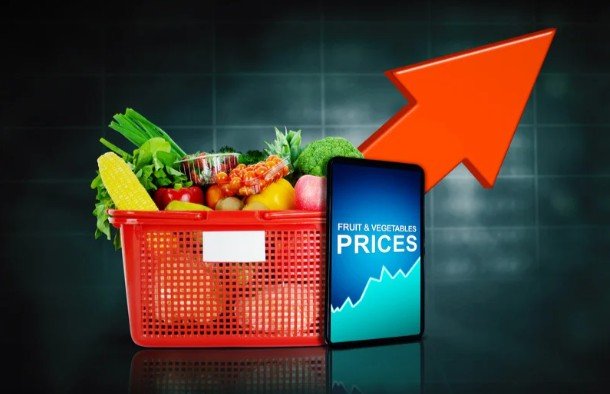
Testing works best when you measure results. Do not rely only on comments like “tastes good.” Track taste score, texture score, repeat purchase interest, acceptable price, packaging clarity, shelf-life confidence, and buyer questions.
Also note whether customers understand the product without a long explanation. If people need too much convincing, your product positioning may need work.
Common Mistakes to Avoid
The biggest mistake is testing only with friends. Another mistake is changing the product after every single opinion. You need patterns, not panic. Avoid launching before you know your costs. Avoid printing bulk packaging too early.
Avoid ignoring safety checks. Avoid assuming a popular recipe will automatically become a profitable product. Also, do not skip post-test improvements. The best food products usually go through several versions before they are ready.
Frequently Asked Questions
1. What is the best way to test a new food product?
The best way is to combine taste testing, real customer feedback, small paid trials, packaging review, price validation, and safety checks before a full launch.
2. How many people should test my food product?
Start with 10 to 20 early testers, then expand to 50 or more real potential customers. A larger group gives better feedback patterns.
3. Can I sell a food product before lab testing?
It depends on the product and local rules. Low-risk foods may have different requirements than refrigerated, canned, dairy, meat, or ready-to-eat products. Always check the rules before selling.
4. Why is How to Test a Food Product Before Launch important?
It helps you avoid costly mistakes by checking customer demand, taste, price, packaging, shelf life, and safety before investing in a full launch.
Final Bite Before You Launch
When I think about launching a food product, I do not see testing as a delay. I see it as protection. It protects your money, your confidence, your customers, and your brand reputation.
A strong food idea deserves more than a hopeful launch. Test it with real people, improve it with honest feedback, confirm the numbers, check safety, and launch only when the product has proof behind it. That is how a simple recipe becomes a product people trust, buy, and remember.