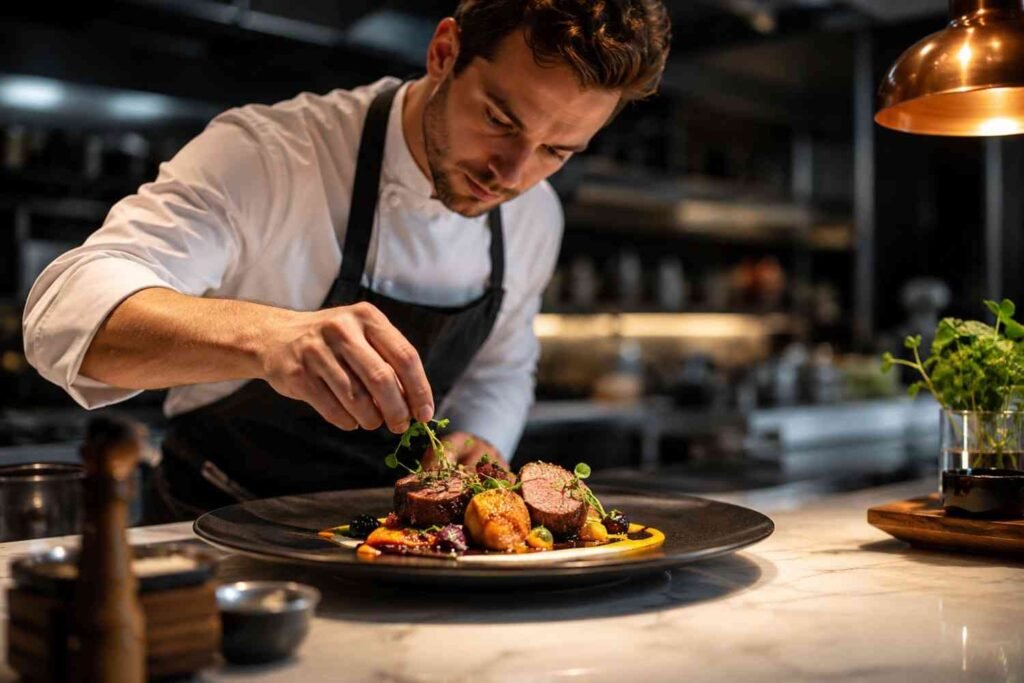
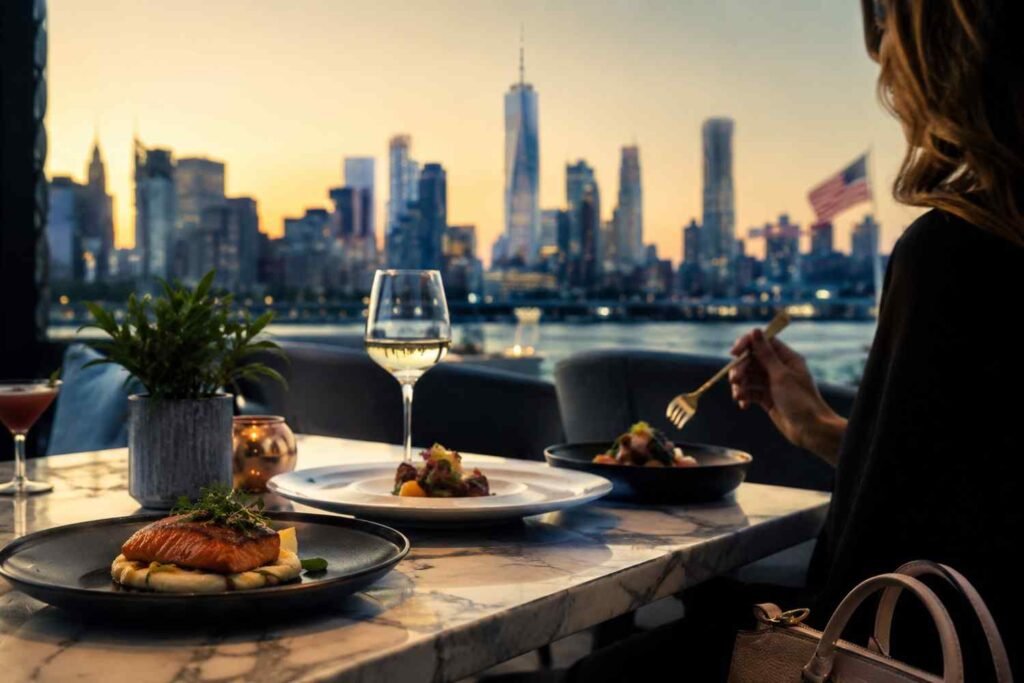
A few years ago, luxury dining mostly meant white tablecloths, oversized wine lists, and dishes that felt almost too expensive to touch. That definition has changed fast. Now, upscale food culture feels more personal, more performative, and strangely more emotional. People are not only paying for food anymore. They are paying for identity, atmosphere, validation, wellness, and sometimes even a temporary escape from an exhausting routine.
You can learn a lot about modern life just by watching how people eat today. Reservation-only restaurants stay packed on weekdays. Functional beverages cost more than full meals once did. A chef’s tasting menu becomes social media content before the first bite is even finished. Food has quietly become one of the clearest reflections of modern lifestyle habits, especially among younger consumers who prioritize experiences over possessions.
Wellness Became the New Luxury
Health Now Signals Status
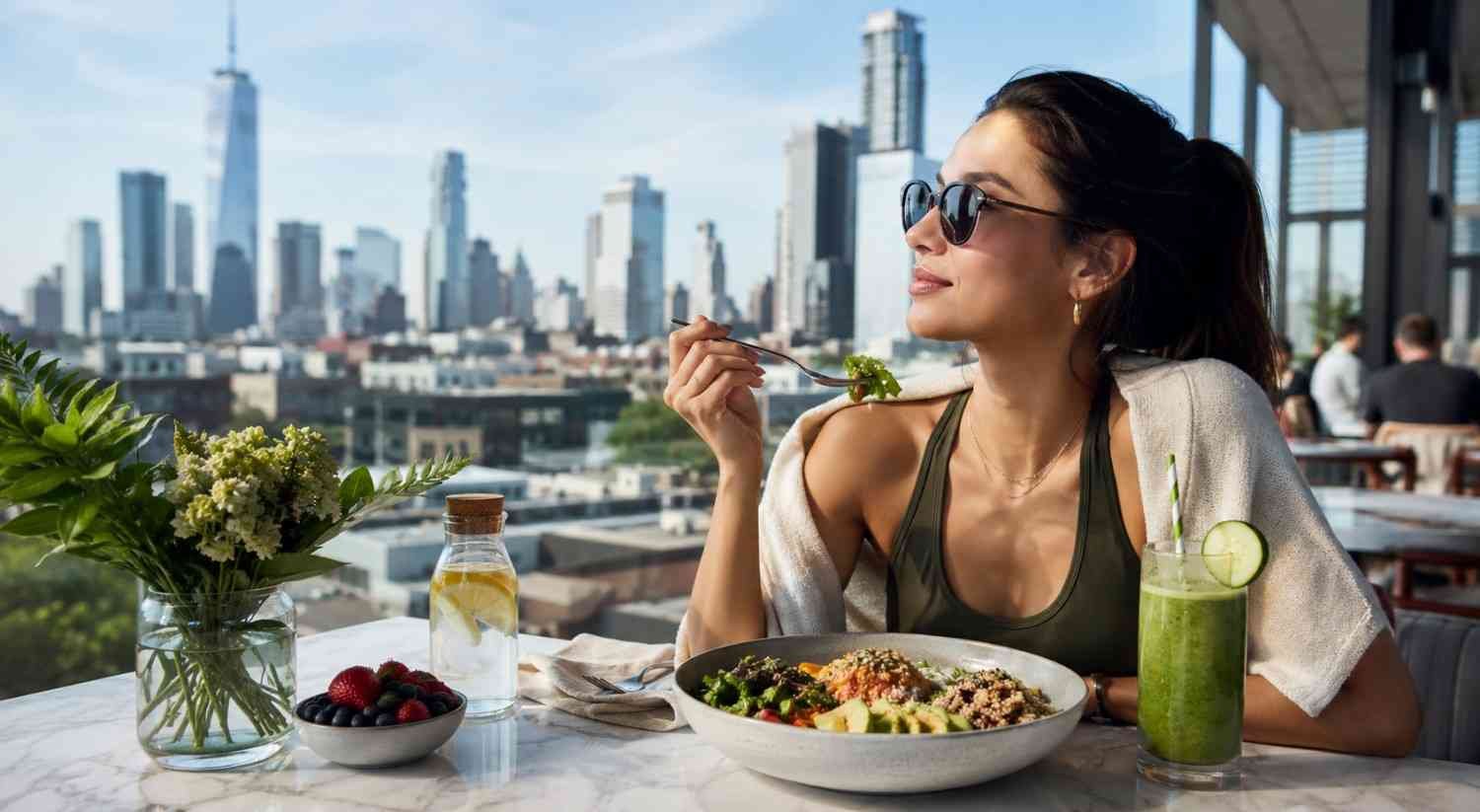
Upscale food culture has completely changed the idea of indulgence. Heavy excess no longer feels aspirational to many consumers. Instead, wellness has become the modern symbol of success.
People now associate premium living with clean ingredients, personalized nutrition, organic sourcing, and meals that promise energy instead of guilt. Restaurants noticed this shift quickly. That is why upscale menus increasingly highlight regenerative farming, gut-friendly ingredients, functional mushrooms, low-intervention cooking, and seasonal produce.
In many cities, ordering a carefully balanced dish filled with nutrient-dense ingredients says more about lifestyle than ordering the most expensive steak on the menu. Wellness is now visual, social, and highly marketable.
Functional Dining Is Growing Fast
Modern consumers want food that feels productive. Dining is no longer separated from performance culture. Meals are expected to support focus, fitness, longevity, and mental clarity.
That explains the rise of:
- Adaptogenic beverages
- Protein-forward gourmet dishes
- Alcohol-free luxury cocktails
- Bio-personalized dining experiences
- Premium meal prep subscriptions
This shift also overlaps with growing interest in artisanal cooking trends, where handcrafted preparation and ingredient transparency matter just as much as presentation.
Modern Work Culture Changed How People Eat
Structured Mealtimes Are Disappearing
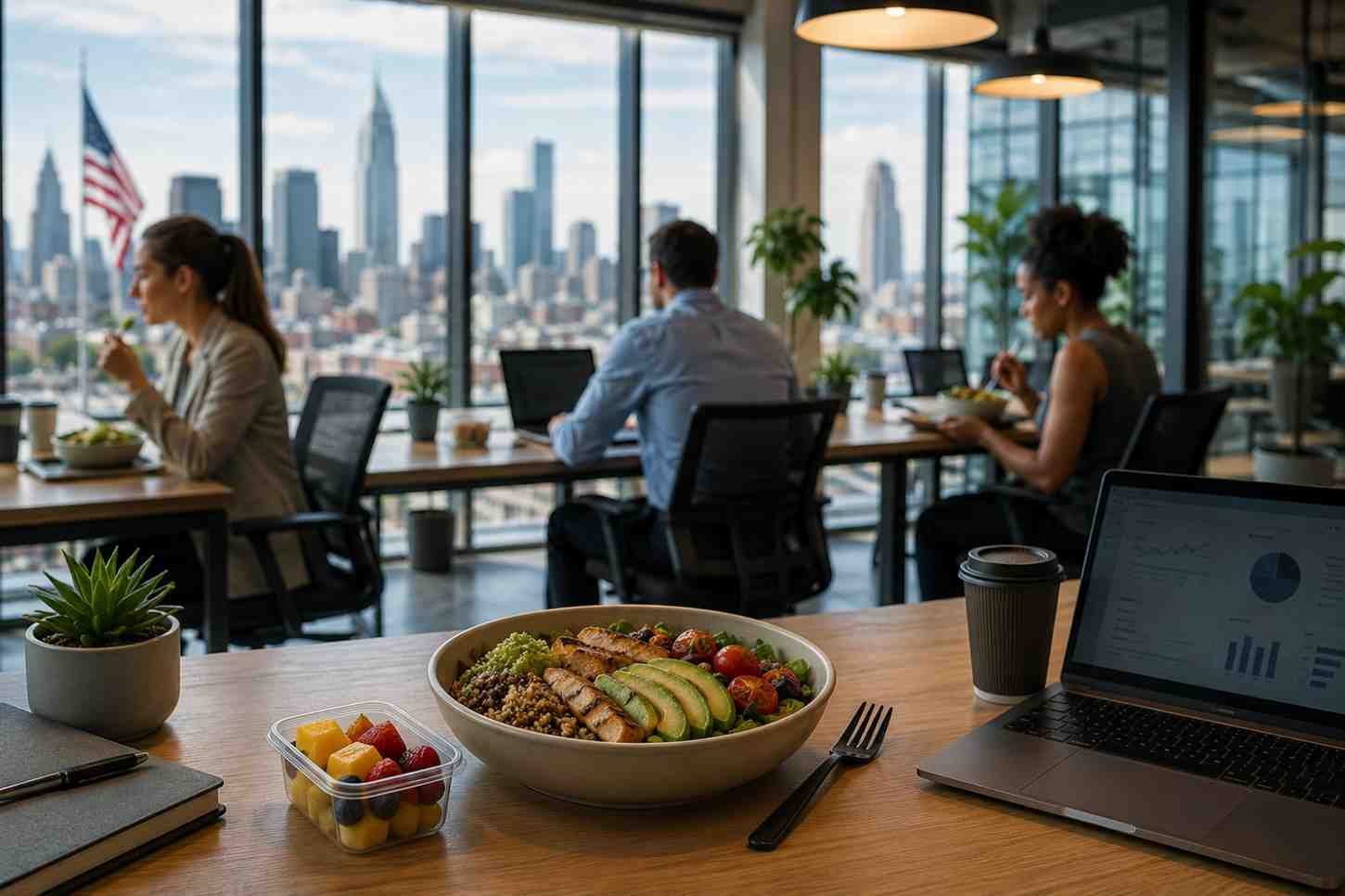
Traditional breakfast-lunch-dinner routines do not fit modern schedules anymore. Remote work, long commutes, side hustles, and nonstop digital technology have changed eating habits completely.
People snack between meetings, order late-night delivery after work calls, and treat quick meals as functional refueling instead of social rituals. Upscale food culture adapted to this reality by turning convenience into something premium.
Luxury grocery chains, elevated ready-to-eat meals, and chef-designed meal kits are all products of time scarcity. Consumers want quality, but they also want speed.
Convenience No Longer Feels Cheap
There was a time when convenience food carried a negative reputation. Now, premium convenience is one of the fastest-growing areas in modern dining.
High-end consumers are willing to spend more on:
- Curated snack boxes
- Gourmet frozen meals
- Functional beverages
- Ready-made wellness foods
- Delivery-focused chef brands
The demand is not driven by laziness. It is driven by exhaustion. Modern lifestyles leave little room for slow preparation, even among people who deeply care about food quality.
Food Became Part of Personal Branding
Dining Is Now Public Performance
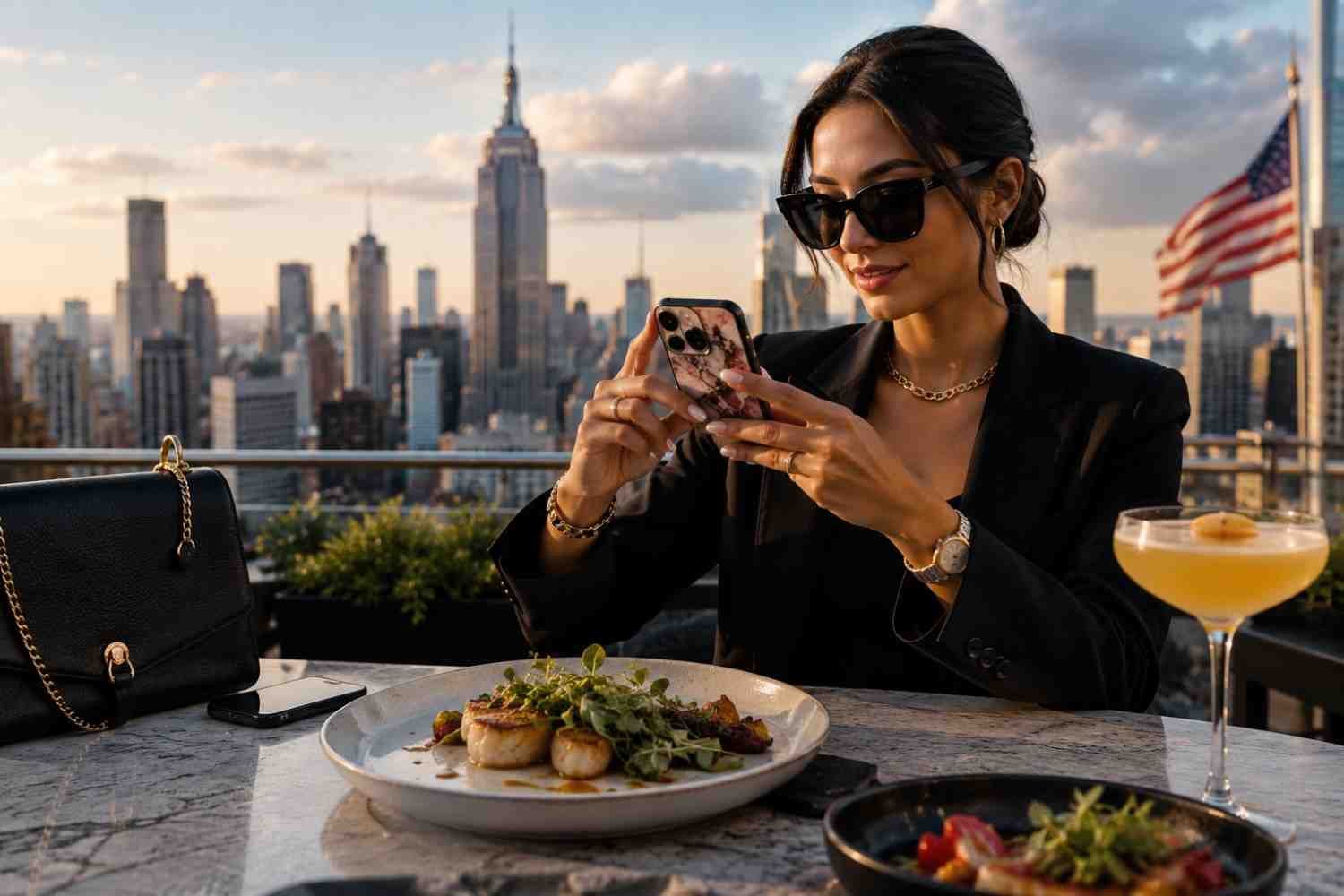
One of the biggest reasons upscale food culture exploded is social media. Food is no longer private. Every meal can become content, identity signaling, or social proof.
Restaurants now design spaces with visual storytelling in mind. Lighting, plating, textures, cocktail presentation, and interior aesthetics are carefully curated because diners want experiences that translate online.
A reservation at a sought-after restaurant often functions as cultural currency. It signals taste, awareness, lifestyle, and access.
What People Eat Reflects Who They Want To Be
Modern consumers use food choices to communicate values and personality. Dining decisions now reflect:
- Sustainability beliefs
- Travel exposure
- Wellness priorities
- Cultural curiosity
- Economic status
- Lifestyle aspirations
That is why niche food trends spread so quickly. A single dish can suddenly represent sophistication, mindfulness, or exclusivity.
Upscale food culture thrives because people are constantly curating themselves online and offline at the same time.
Sustainability Became Part of Premium Dining
Ethical Sourcing Matters More Than Ever
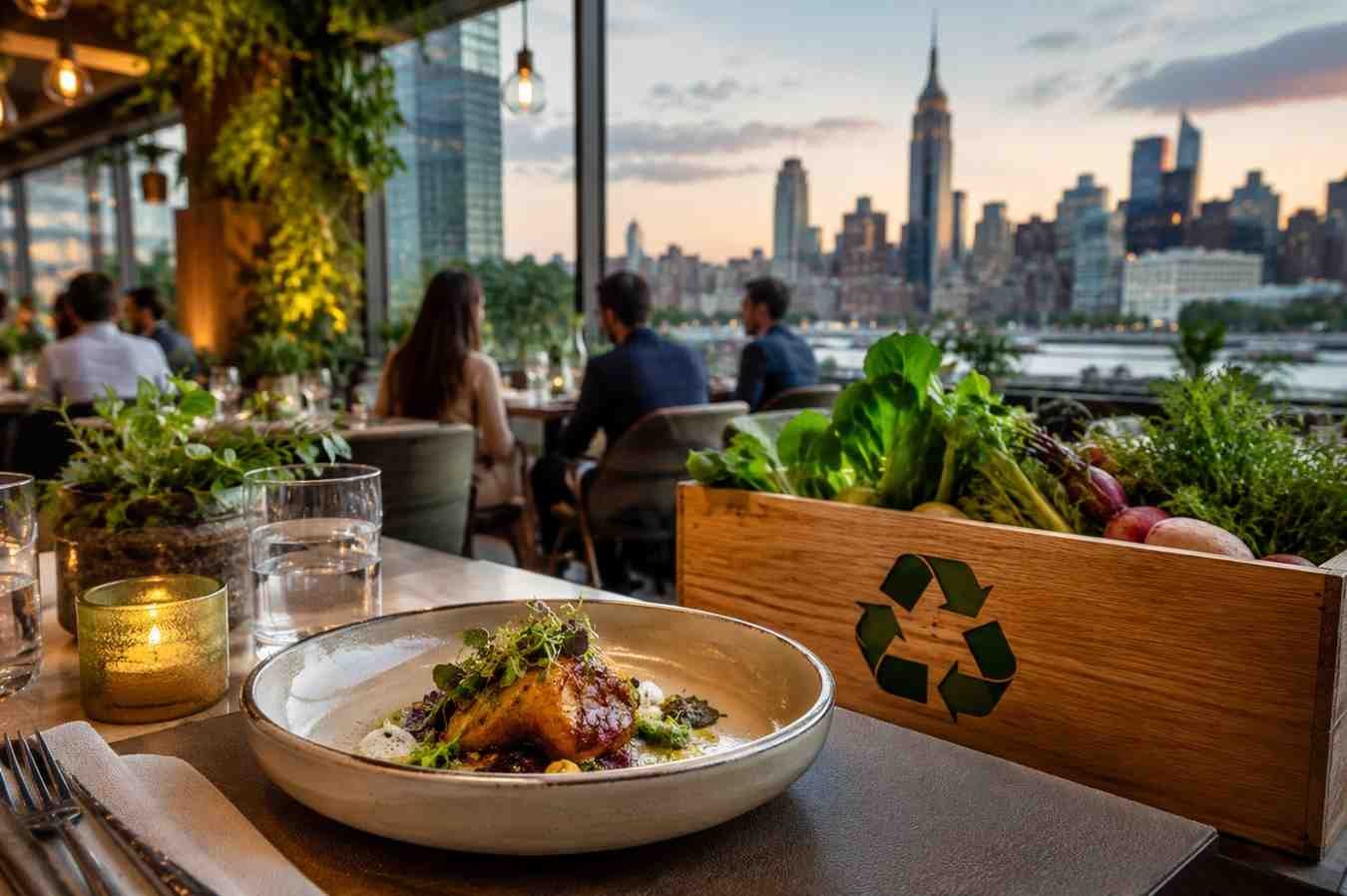
Modern consumers ask more questions about food than previous generations did. They want to know where ingredients come from, how workers are treated, and whether restaurants operate responsibly.
Upscale dining spaces increasingly promote:
- Farm-to-table sourcing
- Regenerative agriculture
- Local ingredient partnerships
- Seasonal menus
- Reduced food waste practices
Sustainability is no longer treated as a bonus feature. In many premium dining environments, it is expected.
Global Influences Feel More Local Now
Modern upscale dining also reflects a blending of cultures. Consumers are more globally connected than ever, but they also crave authenticity and heritage.
This created a strong fusion between international techniques and local ingredients. Restaurants now revive forgotten regional recipes while combining them with contemporary presentation and global culinary styles.
That balance feels modern because people themselves live globally influenced lives while still searching for cultural grounding.
People Miss Human Connection More Than They Admit
Dining Spaces Became Emotional Escapes
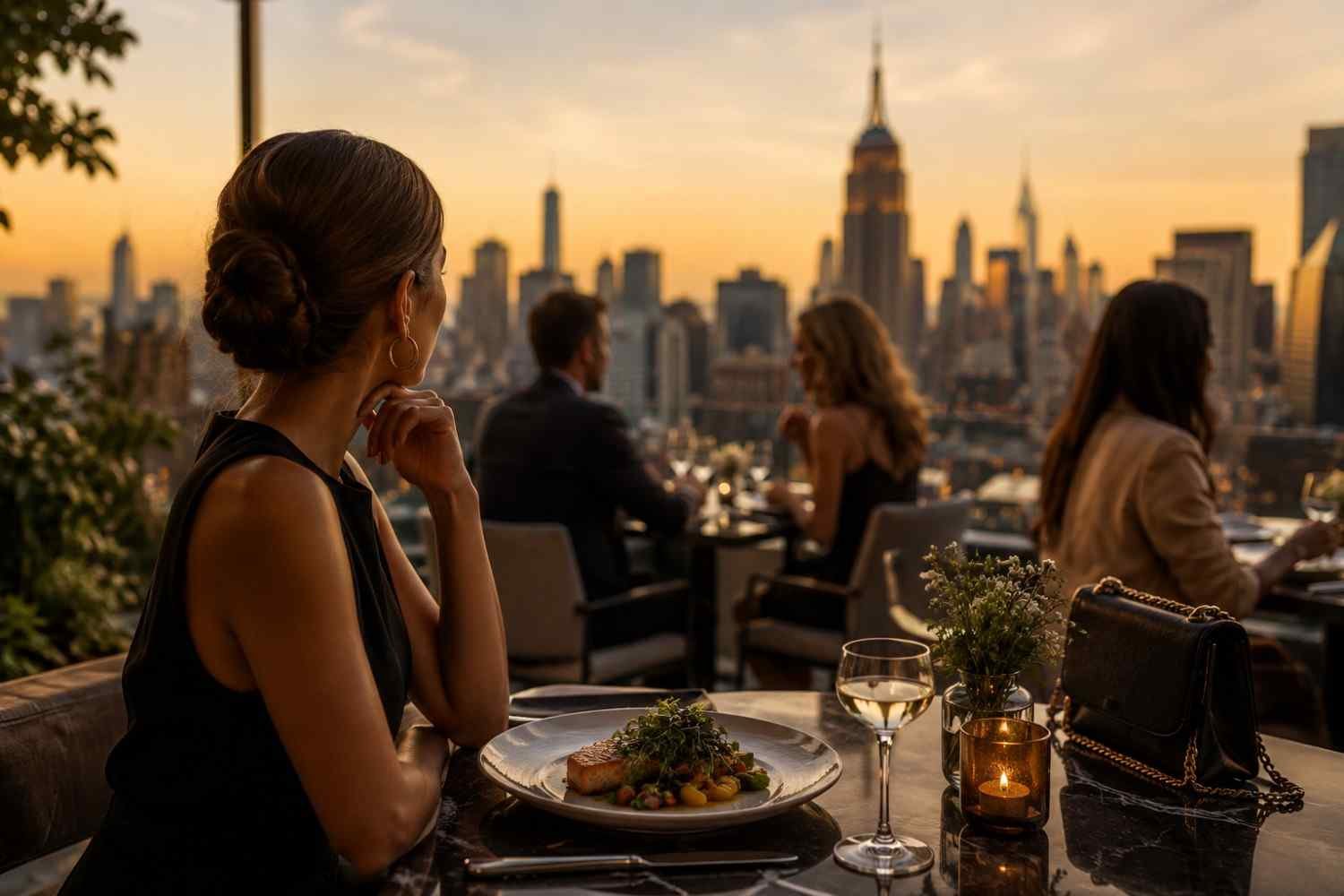
Modern life feels fast, isolated, and screen-heavy. People spend hours scrolling, working remotely, or eating alone in front of devices. Upscale food culture partly grew because consumers started craving experiences that slow everything down.
Lengthy tasting menus, chef interactions, open kitchens, and communal dining concepts all create moments of real engagement. Restaurants are no longer only feeding people physically. They are offering emotional relief from overstimulation.
Shared Meals Still Matter
Even with delivery apps dominating convenience culture, people still want meaningful dining experiences. Celebratory dinners, immersive restaurants, and curated food events continue growing because they create shared memories.
Food remains one of the few rituals that consistently brings people together without distraction. Upscale dining simply packages that feeling in a more intentional way.
FAQs: What Upscale Food Culture Says About Modern Lifestyle Habits
1. Why is upscale food culture becoming more popular?
Upscale food culture aligns with modern priorities like wellness, experiences, sustainability, and social identity. Consumers increasingly value memorable dining experiences over material purchases.
2. How does social media influence upscale dining?
Social media encourages visually appealing dining experiences. Restaurants now focus heavily on presentation, aesthetics, and immersive environments because consumers share food experiences online.
3. What is casual fine dining?
Casual fine dining combines premium food quality with a more relaxed atmosphere. It removes the rigid formality traditionally associated with luxury restaurants.
4. Why do younger consumers spend more on dining experiences?
Many younger consumers prioritize experiences, emotional connection, and lifestyle expression. Dining often feels more meaningful and memorable than buying physical products.
Final Thoughts
Upscale food culture reveals far more than changing restaurant preferences. It exposes how modern people think about health, identity, time, community, and even self-worth. The rise of premium dining reflects a generation trying to balance ambition with burnout, digital visibility with emotional connection, and convenience with authenticity. Food became one of the clearest ways people express who they are and how they want to live.
That is why upscale dining keeps evolving. It is no longer only about luxury. It is about meaning, experience, and modern survival wrapped into a single meal.