I have always believed food trends reveal more than what people like to eat. They show how we travel, scroll, shop, cook, and connect with culture. That is why Asian food trends feel so powerful in 2026.
Across the U.S., diners are moving past generic takeout-style dishes and looking for regional flavors, complex heat, gut-friendly broths, chewy textures, botanical drinks, and plant-based comfort food with real identity.
This shift is not just happening in big-city restaurants. It is showing up in grocery aisles, food trucks, fast-casual menus, TikTok recipes, frozen meals, snack brands, coffee shops, and home kitchens.
Reports from Datassential show strong U.S. growth around Thai, Korean, Vietnamese, Filipino, regional Chinese, plant-based Asian proteins, soup dumplings, salted egg yolk, yuzu kosho, and premium Japanese ingredients.
Why Are Asian Flavors Growing So Fast in the U.S.?
The biggest reason is curiosity. U.S. diners want food that feels bold, social, flavorful, and different from what they usually cook at home. Social media has made this shift even faster. One viral bowl of buldak noodles, one crispy Korean corn dog, one purple ube latte, or one chili crisp egg recipe can turn a regional dish into a national craving.
Pop culture also plays a major role. Korean music, dramas, beauty trends, and creator culture have helped introduce gochujang, kimchi, Korean BBQ, kimbap, tteokbokki, and bingsu to wider audiences. Today’s Dietitian has also noted the rising influence of Asian flavors in global food culture, including Korean, Filipino, boba, ube, pandan, furikake, miso, and salted egg yolk.
The most important change is that people no longer want one broad “Asian-inspired” label. They want flavor with origin, texture with purpose, and dishes that feel specific.
Complex Heat Is the Flavor Trend Everyone Is Chasing
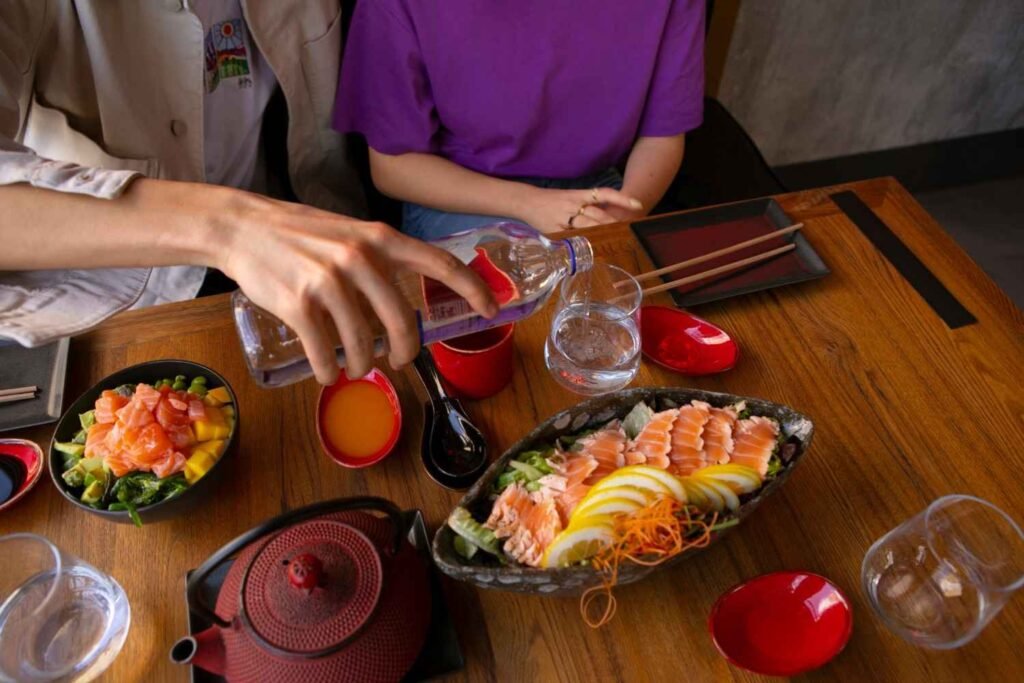
Heat is no longer just about making food spicy. Diners now want layered heat, fermented heat, smoky heat, and numbing heat. That is why Sichuan mala and Korean gochujang are becoming major players in U.S. restaurants and packaged foods.
Mala brings a numbing-spicy flavor from Sichuan peppercorns and chiles. It started gaining attention through hot pot and noodle dishes, but now it is moving into snacks like chips, nuts, popcorn, instant noodles, and sauces. This works well for younger diners who want flavor that feels intense and memorable.
Gochujang is another major force. Its fermented, sweet, spicy, and savory profile makes it easy to use in marinades, burgers, wings, rice bowls, noodles, tacos, and dipping sauces. In the U.S., I see it working especially well because it adds excitement without feeling too unfamiliar.
Korean Food Trends Are Still Leading the Conversation
Korean food continues to shape the way Americans eat because it blends comfort with drama. Korean fried chicken, bulgogi bowls, kimchi fried rice, spicy ramen, Korean corn dogs, kimbap, banchan, and Korean BBQ all feel fun, flavorful, and social.
The texture also matters. Korean fried chicken brings crunch. Tteokbokki brings chew. Bingsu brings soft, icy sweetness. Kimchi brings tang and bite. This combination makes Korean food perfect for social media and restaurant menus.
I also think Korean flavors work because they adapt easily. A gochujang chicken sandwich, bulgogi taco, kimchi grilled cheese, or Korean BBQ pizza can attract diners who want something familiar with a bold twist.
Southeast Asian and Filipino Foods Are Moving Mainstream
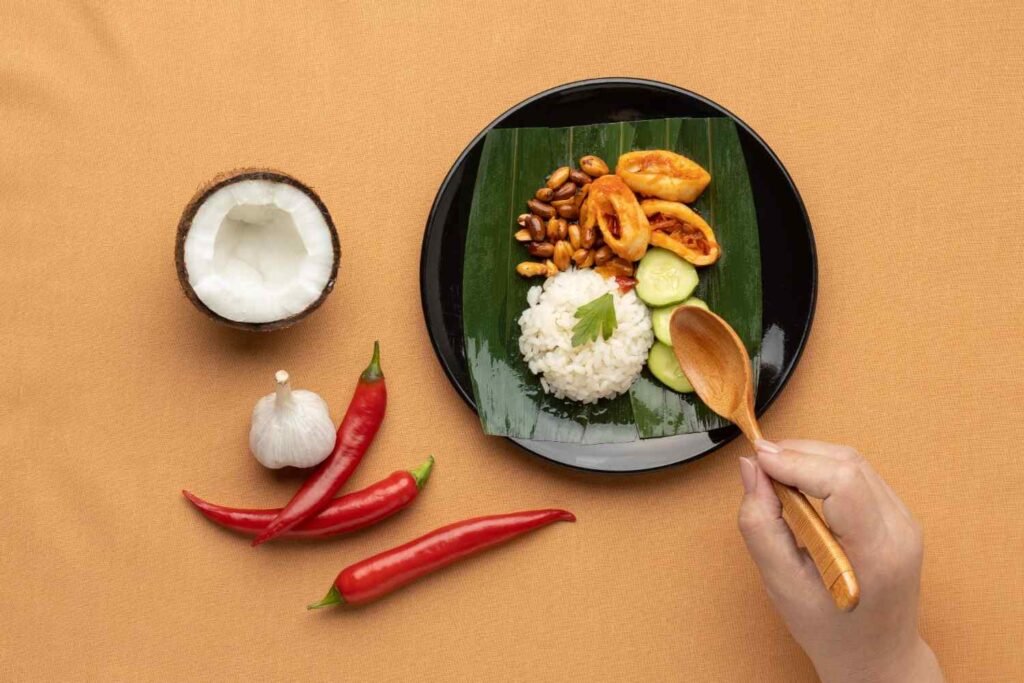
Southeast Asian food is gaining momentum because it offers bright, layered flavor. Thai, Vietnamese, Filipino, Indonesian, Malaysian, and Cambodian dishes often combine herbs, citrus, coconut milk, fish sauce, chile, tamarind, lemongrass, ginger, garlic, and fresh vegetables.
The National Restaurant Association has highlighted Southeast Asian cuisines as a major U.S. restaurant trend, especially because diners want exciting foods they cannot easily recreate at home.
Vietnamese pho, banh mi, Thai curry, satay, laksa, lumpia, chicken adobo, sinigang, and rendang all fit this demand. Filipino food deserves special attention, too. Ube, pandan, calamansi, adobo, halo-halo, sisig, and Filipino barbecue are becoming more visible in bakeries, cafés, pop-ups, and casual restaurants.
Ube works especially well in the U.S. because it is colorful, mildly sweet, and easy to use in cakes, doughnuts, ice cream, lattes, and cookies. Pandan and calamansi are also gaining attention because they bring flavors that feel refreshing, tropical, and different from standard vanilla or lemon.
Gut-Friendly Broths and Functional Foods Are Rising
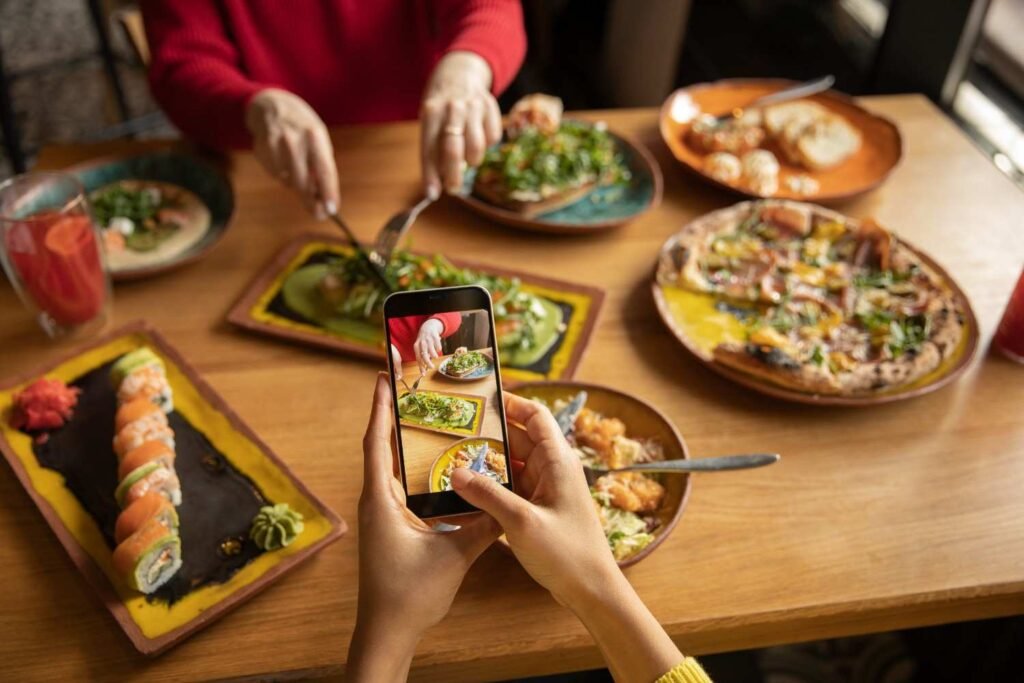
Health-conscious eating is changing Asian cuisine trends in a big way. Diners still want flavor, but they also want food that feels lighter, cleaner, and more functional. This is why hot pot broths, herbal soups, miso soup, kimchi, fermented vegetables, and fiber-rich plant ingredients are gaining attention.
Collagen-rich hot pot bases, including Chinese herbal broths and fish maw chicken broth, are part of this shift. They feel comforting, premium, and wellness-focused without losing flavor. Gut health is also shaping product development, with more attention on probiotics, prebiotics, dietary fiber, fermented foods, and clean-label plant ingredients. Broader 2026 food trend coverage also points to rising interest in digestion-focused products with probiotics and prebiotics.
For home cooks, this trend is easy to try. Miso paste, kimchi, tofu, mushrooms, seaweed, ginger, garlic, and bone or vegetable broths can turn simple meals into nourishing bowls.
Texture Is Becoming Just as Important as Taste
One reason Asian food trends keep going viral is texture. U.S. diners are paying more attention to how food feels, not just how it tastes. Chewy, bouncy, crispy, silky, icy, fluffy, and crunchy textures all create a more exciting eating experience.
Mochi is a perfect example. Its chewy texture now appears in ice cream, doughnuts, waffles, cookies, and bakery items. Boba pearls turned drinks into a texture experience. Bingsu made shaved ice feel premium and playful. Bao buns, crispy rice, tempura, dumplings, scallion pancakes, and chili crisp all prove that texture can make a dish more memorable.
Desserts are also becoming more adventurous. Japanese mochi, Korean bingsu, Filipino calamansi, ube, pandan, and even smoky-sweet flavors like applewood smoke in honey, coffee, ice cream, and cream-based desserts are creating new ways to mix Asian inspiration with Western formats.
Plant-Based Asian Food Feels Natural, Not Forced
Plant-based Asian food is growing because many Asian cuisines already use vegetables, tofu, tempeh, mushrooms, seaweed, rice, noodles, legumes, herbs, fermented sauces, and ingredients that support natural digestive enzymes. These dishes do not feel like weak replacements. They feel complete when they have strong sauce, texture, heat, and umami.
Younger diners often see Vietnamese pho, Japanese miso soup, vegetable dumplings, tofu rice bowls, mushroom ramen, jackfruit bao, and Thai curry as lighter alternatives to traditional fast food. Street food vendors and festivals are also getting creative with whole-food plants, such as slow-cooked jackfruit in bao buns or mushroom-stuffed dumplings.
This trend matters because it appeals to vegans, vegetarians, flexitarians, and people who simply want more vegetable-forward meals without giving up flavor.
Regional Chinese and Japanese Comfort Foods Are Getting More Specific
Chinese food in the U.S. is moving beyond familiar takeout classics. Diners are showing more interest in Sichuan spice, hot pot, soup dumplings, hand-pulled noodles, black vinegar, chili crisp, mapo tofu, scallion pancakes, and regional Chinese cooking.
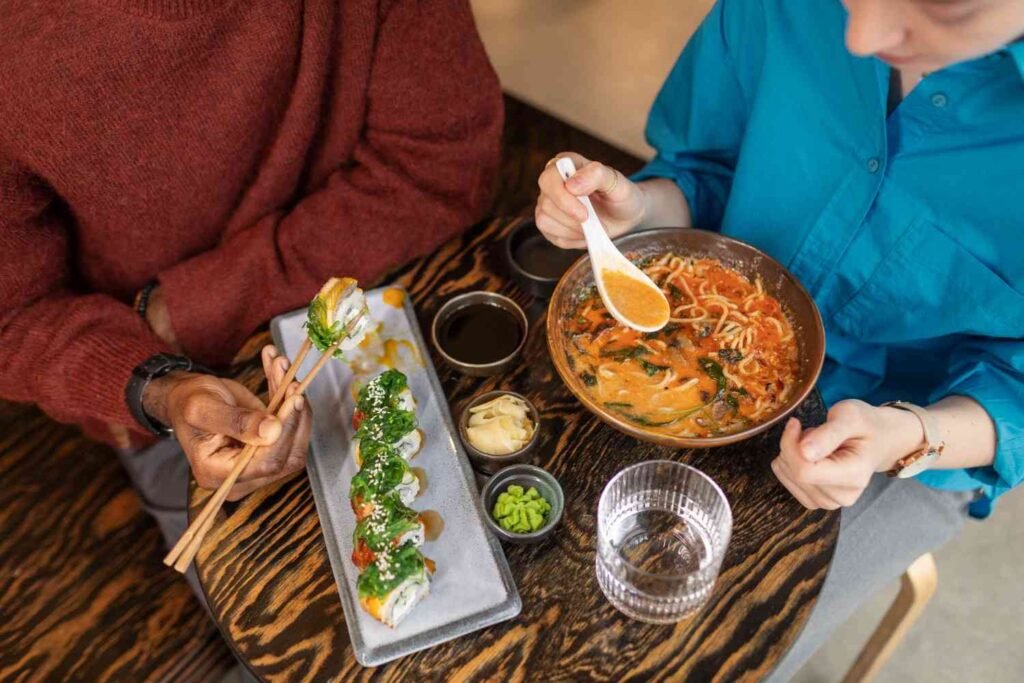
Japanese food is also expanding beyond sushi. Ramen, Japanese curry, karaage, gyoza, katsu sandwiches, izakaya plates, matcha, miso, yuzu, furikake, and onigiri are becoming more popular. Japanese curry has strong potential because it is cozy, mild, and easy for first-time diners to enjoy.
These trends show that American diners are becoming more specific. They do not just want Chinese or Japanese food. They want regional, authentic, and experience-driven dishes.
Asian Beverage Trends Are Taking Over Menus
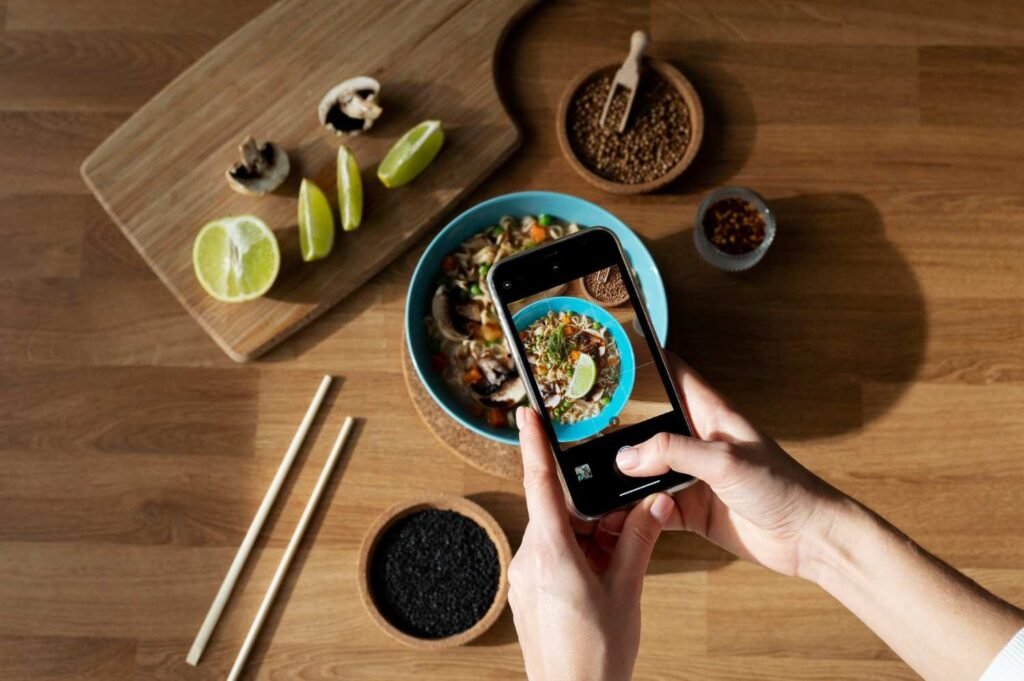
Drinks are becoming one of the most exciting parts of Asian cuisine trends. Boba is already mainstream, but the next wave includes yuzu, kumquat, longan, calamansi, pandan, lychee, jasmine tea, matcha, sparkling herbal teas, and sugar-free botanical drinks.
Yuzu works well in craft beer, cocktails, mocktails, iced tea, sparkling water, and dessert drinks because it tastes bright and aromatic. Longan and lychee bring floral sweetness. Kumquat and calamansi offer sharp citrus notes that feel more interesting than standard lemon or lime.
For U.S. restaurants, cafés, and beverage brands, this is a major opportunity. Diners want drinks that feel refreshing, photogenic, and adventurous without being too heavy.
What Restaurants and Home Cooks Should Learn From This
Restaurants should stop treating Asian food as one general category. The stronger move is to build around specific cuisines, ingredients, or experiences. A menu with gochujang wings, mala fries, ube soft serve, yuzu spritzers, mushroom dumplings, or collagen-rich hot pot broth feels more current than a vague fusion menu.
Home cooks can also bring these ideas into everyday meals. I would start with simple pantry items like chili crisp, gochujang, miso paste, soy sauce, rice vinegar, sesame oil, coconut milk, kimchi, and jasmine rice. With those basics, you can make noodle bowls, fried rice, ramen, tofu stir-fries, dumplings, curry, and brothy soups that feel flavorful without being complicated.
FAQs About Asian Cuisine Trends
1. What Asian flavors are trending in the U.S.?
Mala, gochujang, chili crisp, miso, yuzu, ube, pandan, calamansi, kimchi, coconut milk, fish sauce, black garlic, and salted egg yolk are all gaining attention in restaurants, snacks, desserts, and drinks.
2. Why is texture so important in modern Asian food?
Texture makes food more memorable and shareable. Chewy mochi, bouncy noodles, crispy chili oil, fluffy bao, icy bingsu, crunchy dumplings, and tapioca pearls create a sensory experience that diners enjoy and often share online.
3. Are Asian-inspired plant-based dishes popular?
Yes. Plant-based Asian dishes are popular because tofu, mushrooms, jackfruit, vegetables, noodles, rice, herbs, and fermented sauces already fit naturally into many regional cuisines.
4. What is the biggest opportunity in Asian food trends for restaurants?
The biggest opportunity is specificity. Restaurants can stand out by focusing on regional dishes, complex heat, functional broths, bold textures, Asian citrus drinks, and authentic flavor stories instead of generic fusion.
Final Bite
When I look at the future of Asian cuisine in the U.S., I see diners becoming more curious, more adventurous, and more focused on authenticity. They want heat that has depth, broths that feel nourishing, desserts with texture, drinks with botanical brightness, and plant-based meals that still taste satisfying.
This is also why Korean food trends continue to influence menus, from gochujang sauces and kimchi bowls to Korean fried chicken and bingsu.
The brands and restaurants that win will not simply add soy sauce or sriracha to familiar dishes. They will understand the regional roots, sensory appeal, and cultural meaning behind the flavors. That is what makes this movement powerful, and that is why it will keep shaping menus, grocery shelves, and home kitchens across the country.