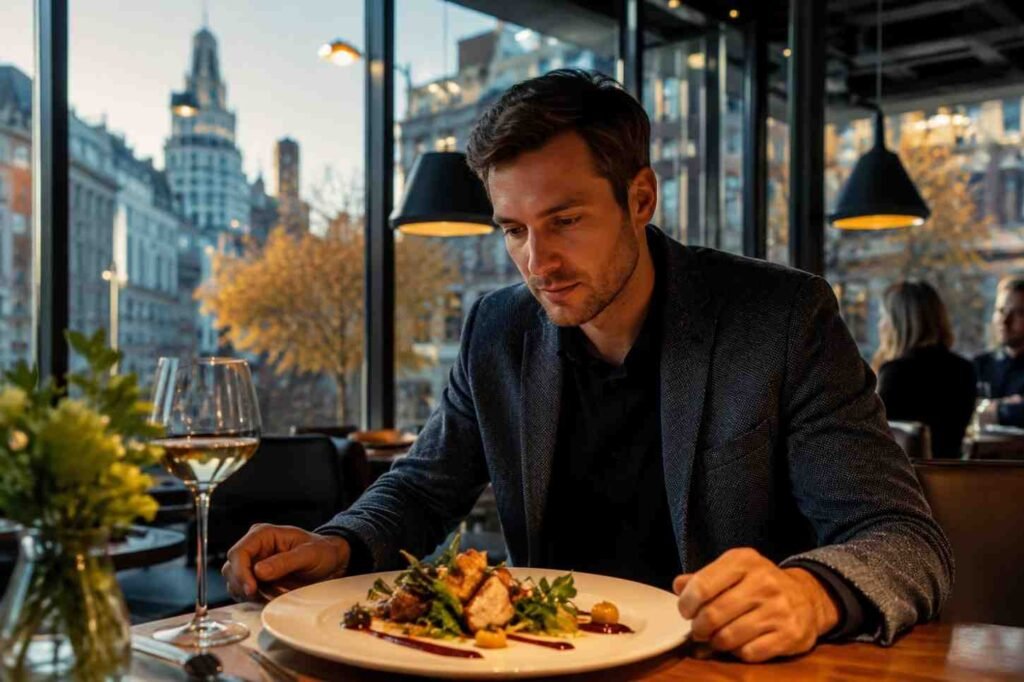
Walking into a modern European restaurant today feels completely different from the fine dining experiences people associated with Europe years ago. The old image of stiff dining rooms, intimidating service, and overly formal meals has slowly faded. In its place, restaurants now feel warmer, more creative, and far more connected to the people actually eating there. You still notice precision and technique, but the atmosphere no longer feels distant or exclusive.
That shift changed the entire dining experience. Modern European cuisine still respects classical cooking traditions, especially French and Italian foundations, but today’s chefs approach food with a more relaxed and experimental mindset. Menus now focus on storytelling, local sourcing, seasonality, sustainability, and emotional experience just as much as technical perfection. Dining feels less like a performance and more like an immersive experience people genuinely enjoy participating in.
Modern European Cuisine Moved Away From Rigid Formality
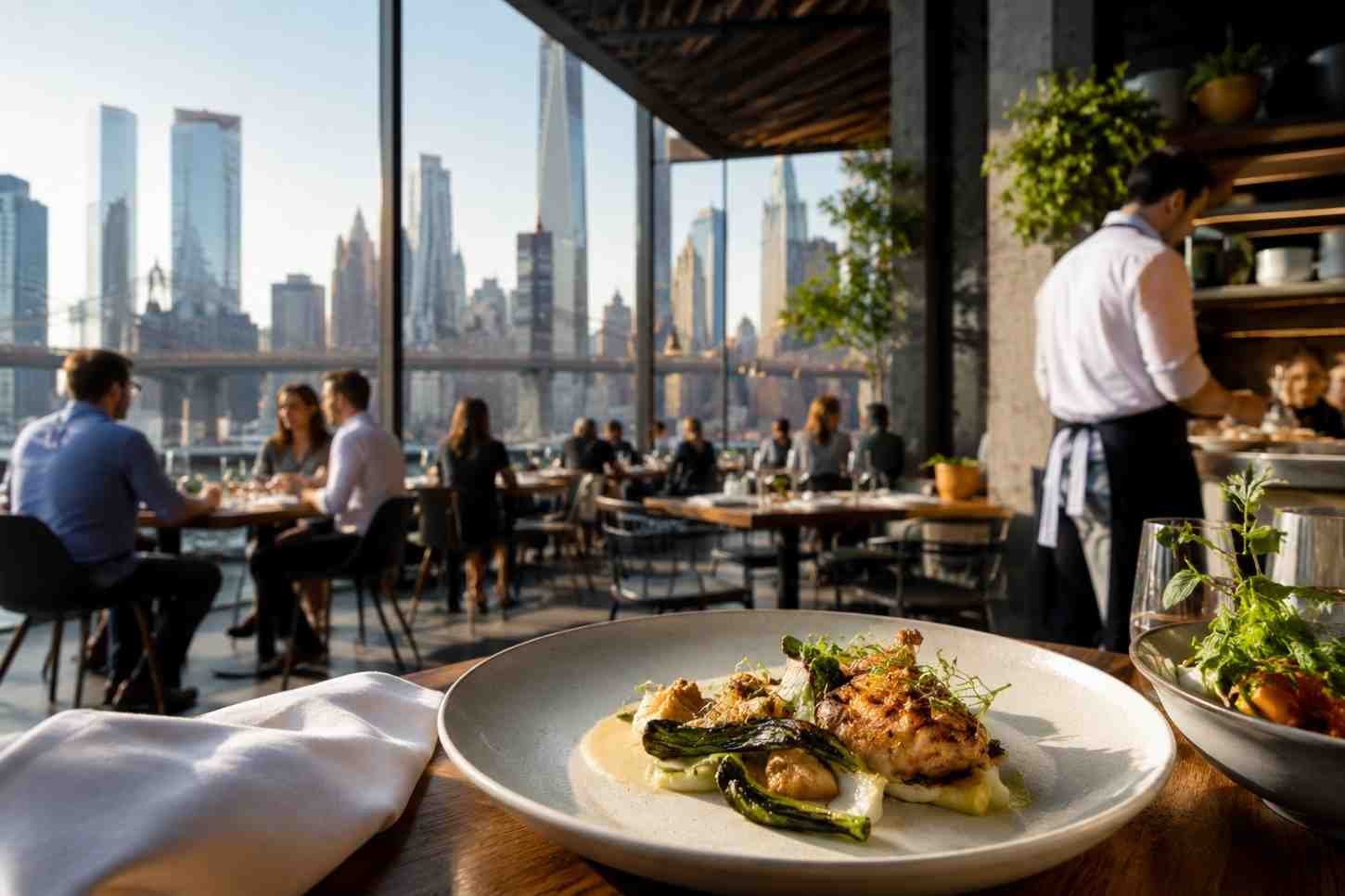
One of the biggest reasons modern European cuisine feels different today is the disappearance of rigid fine dining rules.
Years ago, upscale European restaurants often centered around formality. White tablecloths, quiet dining rooms, formal dress expectations, and heavily structured service shaped the experience. While those restaurants still exist, many contemporary European dining spaces now prioritize comfort and personality alongside culinary precision.
Cities known for food culture, like London, Paris, and Copenhagen, helped push this evolution forward by blending high-level cooking with more relaxed environments.
This shift created what many people now call casual fine dining. Guests still experience tasting menus, artistic plating, and refined cooking techniques, but the environment feels approachable rather than intimidating.
That balance appeals strongly to modern diners because people increasingly value comfort and atmosphere alongside food quality.
Seasonal Ingredients Now Shape Entire Menus
Modern European cuisine also feels fresher because menus change constantly around seasonal ingredients and local sourcing.
Instead of relying heavily on imported products year-round, many chefs now build menus entirely around what producers, farms, fisheries, and local markets currently provide. This hyper-local approach creates food that feels brighter, cleaner, and more connected to the region itself.
Sustainability has also become central to modern restaurant culture. Many European chefs now focus heavily on:
- reducing food waste
- supporting regional farmers
- using whole ingredients creatively
- minimizing processed components
- highlighting natural flavors
This philosophy aligns closely with growing consumer interest in sustainable dining and ingredient transparency.
You can taste the difference when dishes rely less on heavy sauces and more on ingredient quality. Vegetables, herbs, seafood, and fermented elements often become the centerpiece instead of supporting details.
European Cuisine No Longer Stays Inside Regional Borders
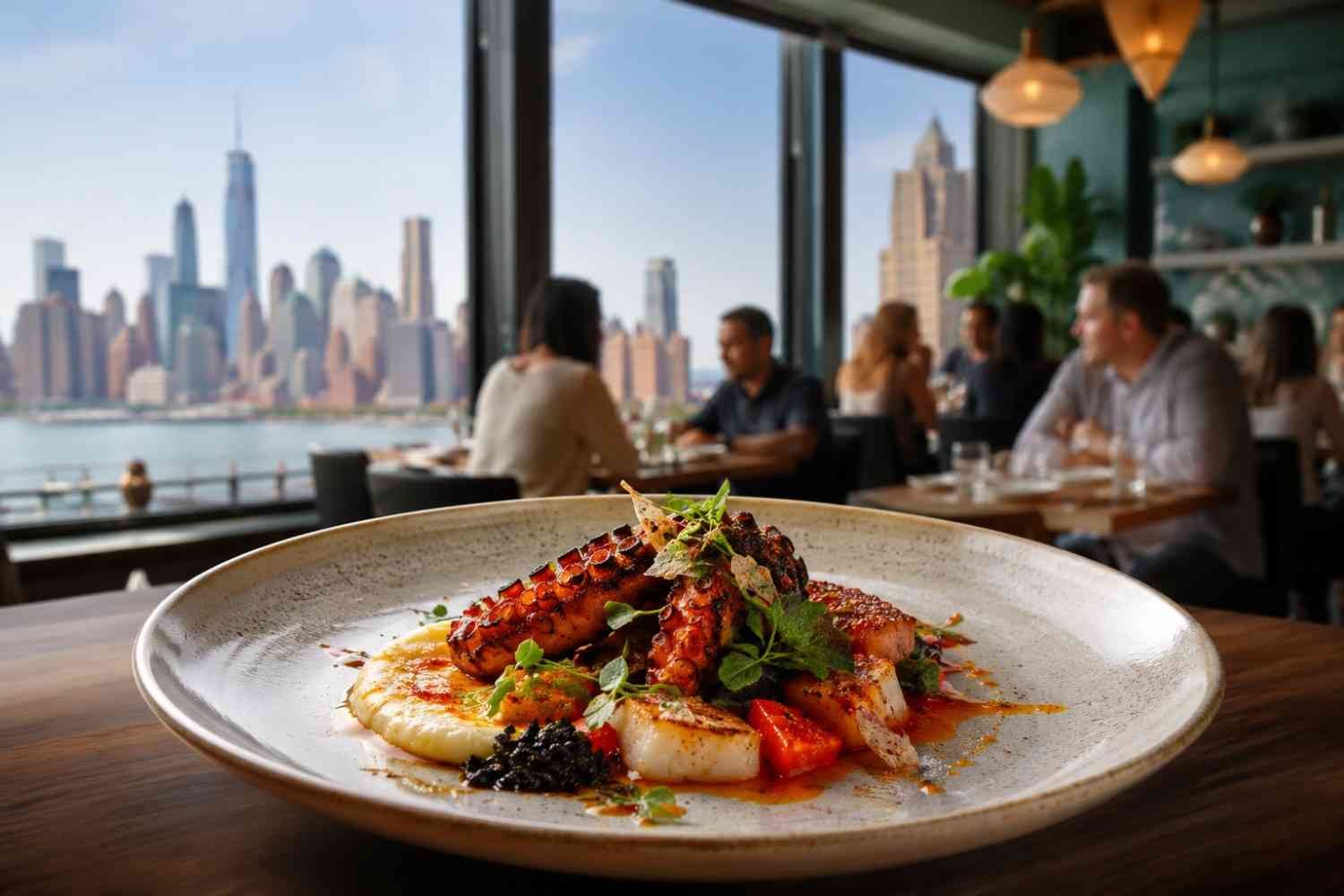
Traditional European cooking once stayed closely tied to regional identity. French cuisine looked distinctly French. Italian cooking remained heavily Italian. Nordic cuisine stayed rooted in Scandinavian traditions.
Modern European cuisine blends those boundaries constantly.
Today, chefs mix global techniques and ingredients far more freely. A Spanish-inspired small plate may include Japanese fermentation methods. Nordic foraging techniques may influence Mediterranean seafood dishes. Classical French cooking methods now regularly appear alongside Asian, Middle Eastern, or Latin flavor profiles.
Global travel, culinary education, and social media exposure accelerated this fusion dramatically.
The result is a dining culture that feels more experimental and less restricted by geography. Contemporary European cuisine still respects heritage, but it no longer treats culinary traditions as untouchable rules.
Plant-Forward Menus Changed Fine Dining Culture
Another major difference is the rise of plant-forward dining.
Vegetarian dishes once felt secondary in many upscale restaurants. Today, vegetables often receive the same attention as historically reserved for premium meats or seafood.
Modern chefs use techniques like:
- smoking
- caramelizing
- pickling
- open-fire roasting
- fermentation
to create vegetable-focused dishes with deep flavor complexity and texture.
This change reflects broader shifts in nutrition transition, sustainability concerns, and consumer preferences. Diners increasingly want meals that feel lighter, fresher, and more balanced without sacrificing creativity.
Many modern European restaurants now build entire tasting menus around produce, grains, mushrooms, herbs, and seasonal plants. That approach feels noticeably different from older fine dining styles built heavily around cream sauces, meat stocks, and rich preparations.
Presentation Became Part of the Experience
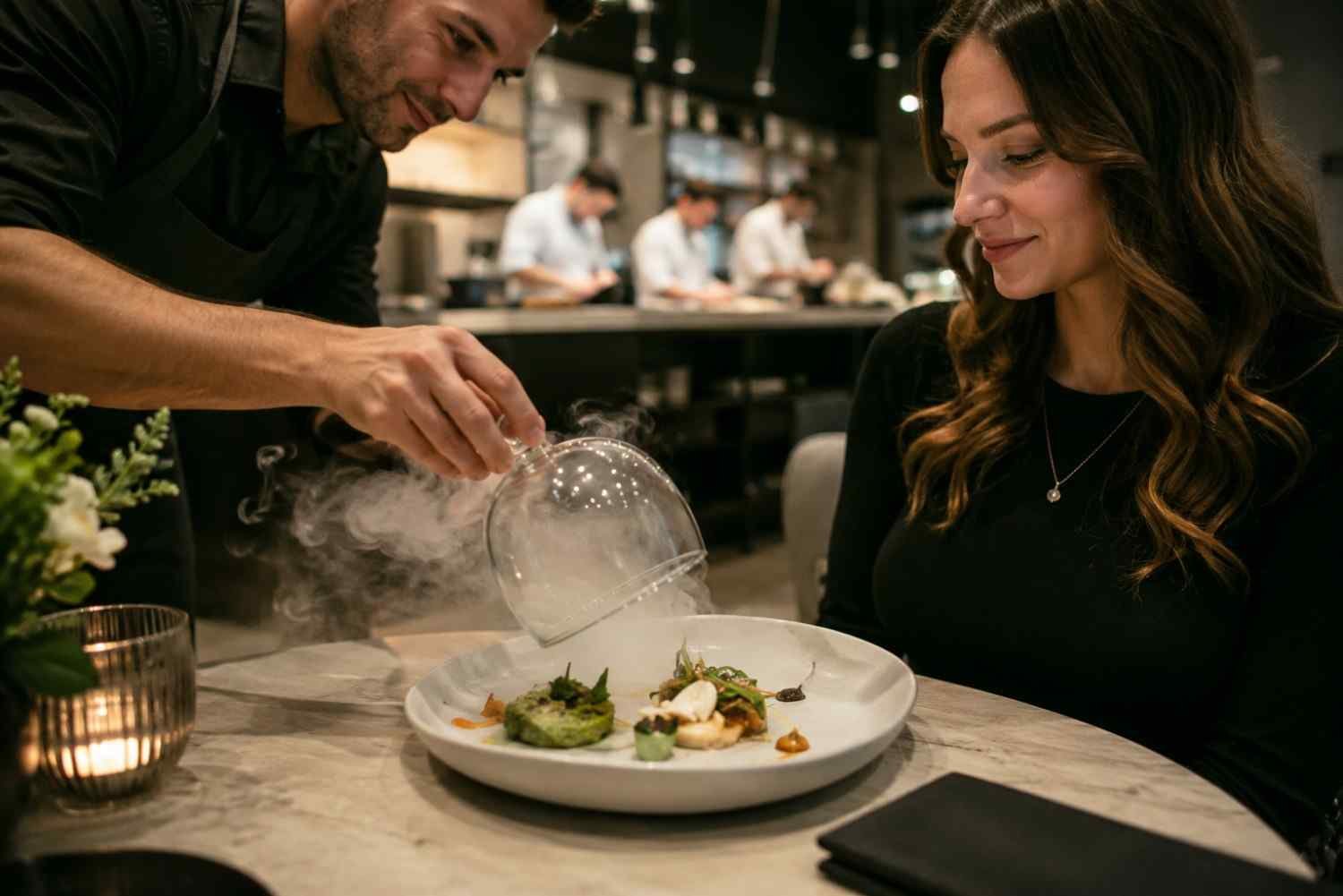
Food presentation plays a much bigger emotional role in modern European cuisine than it did years ago.
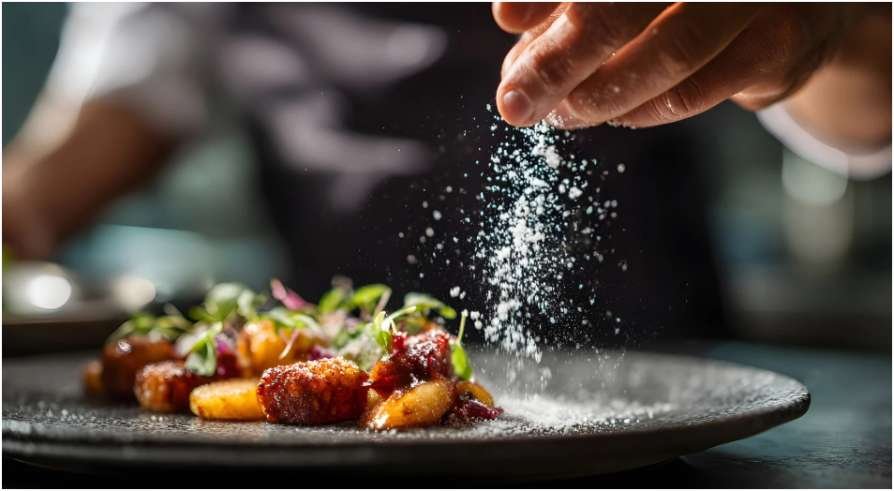
Minimalist plating, negative space, texture contrast, and visual storytelling now shape how diners experience meals before they even take the first bite.
Social media accelerated this trend significantly. Restaurants understand that presentation affects not only perception but also visibility online. Diners now expect meals to feel visually memorable as well as flavorful.
Still, the strongest modern European restaurants avoid making plating feel gimmicky. The best presentations support the ingredients instead of distracting from them.
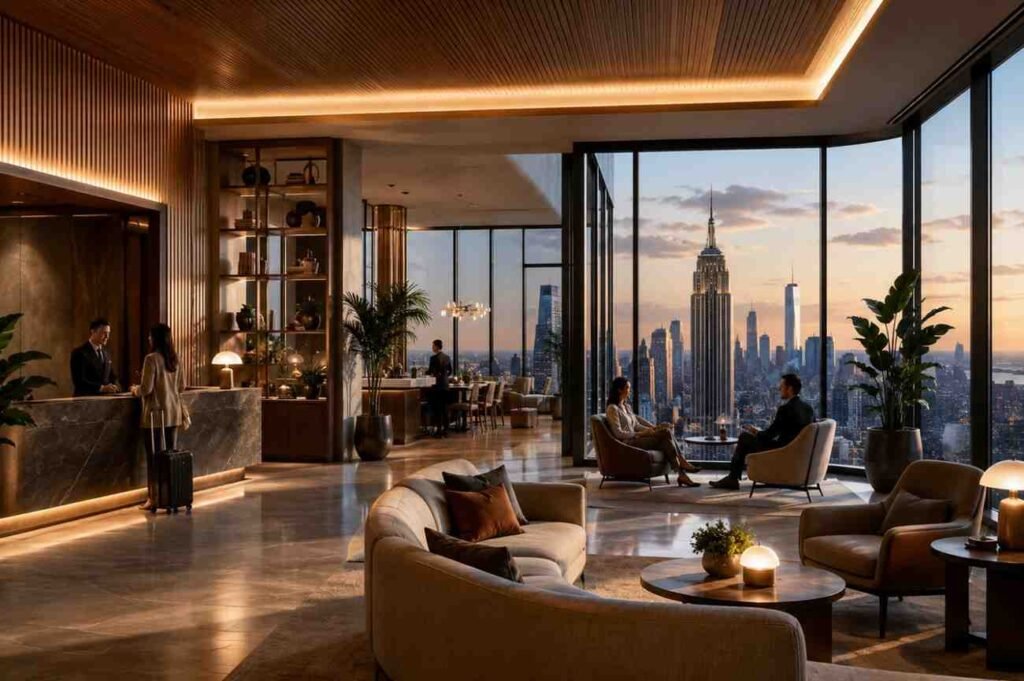
This is also where modern hospitality trends become important. Restaurants today design entire dining experiences around mood, pacing, lighting, music, open kitchen layouts, and guest interaction instead of focusing only on the food itself.
Hospitality has become part of the cuisine.
Open Kitchens and Chef Interaction Changed Dining Psychology
Another noticeable shift is transparency.
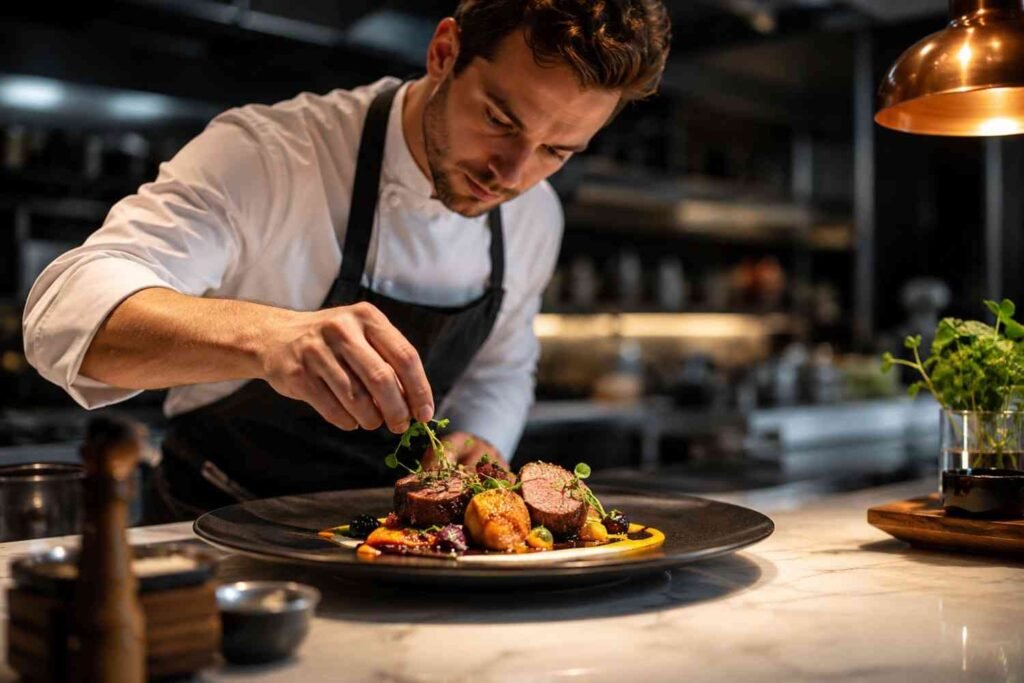
Many modern European restaurants now feature open kitchens where diners can watch chefs plate dishes, prepare ingredients, and interact directly with guests. This changes the psychological feel of dining completely.
Instead of hiding the cooking process behind closed doors, restaurants now turn craftsmanship into part of the experience.
That openness creates:
- stronger guest connection
- more trust in ingredient quality
- deeper appreciation for technique
- a more immersive atmosphere
People no longer want dining to feel distant. They want it to feel human, interactive, and personal.
Healthier Cooking Philosophies Are Influencing Menus
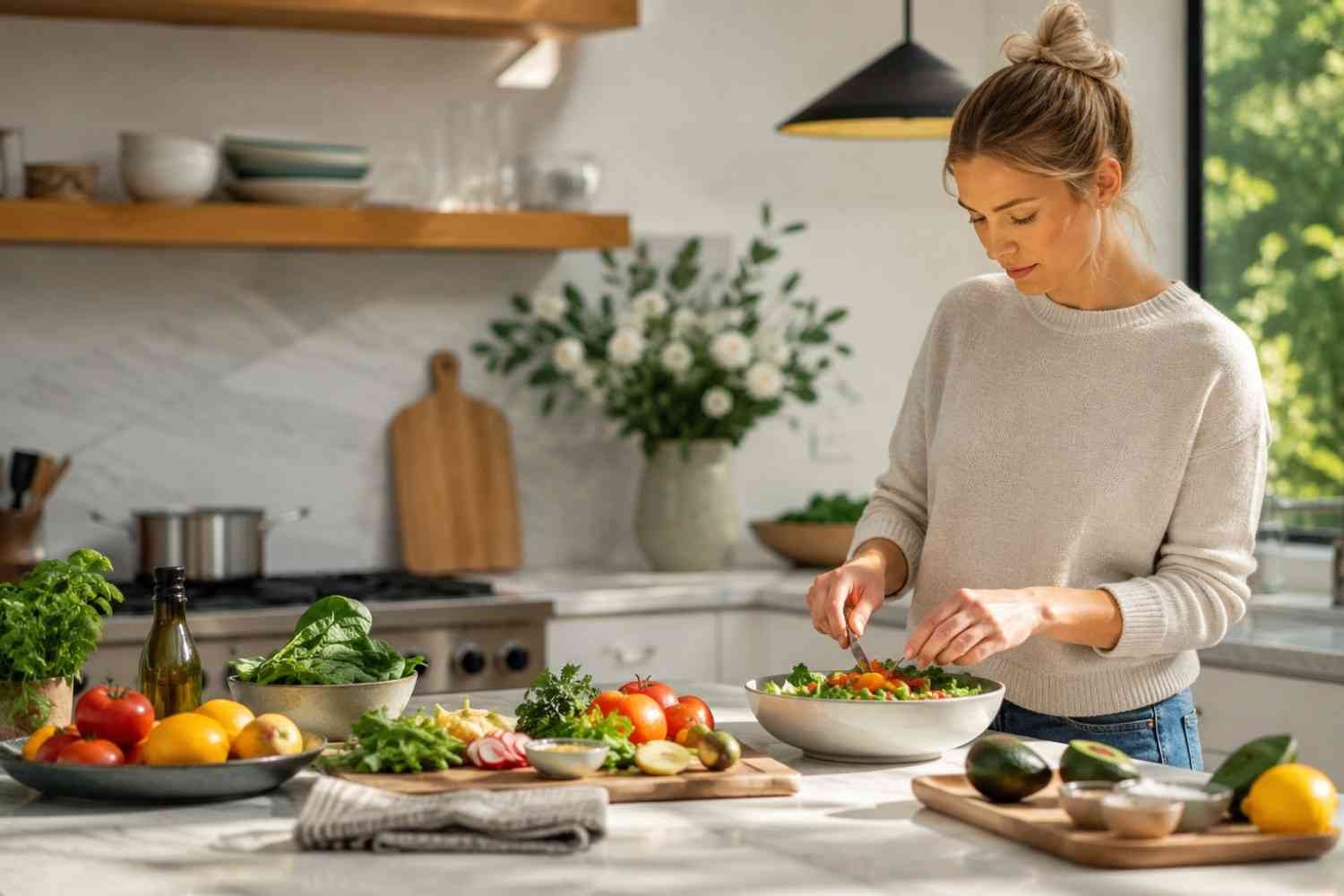
Modern European cuisine also feels lighter compared to older fine dining traditions.
Many contemporary chefs focus on:
- natural acidity
- cleaner flavors
- balanced textures
- lighter sauces
- nutritional awareness
rather than relying heavily on butter, cream, or dense reductions.
That does not mean flavor disappeared. Instead, chefs now allow primary ingredients to stand out more clearly.
This approach aligns with broader wellness trends influencing restaurants globally. Diners increasingly want meals that feel satisfying without feeling overly heavy afterward.
FAQs: What Makes Modern European Cuisine Feel So Different Today
1. What is modern European cuisine?
Modern European cuisine combines traditional European cooking techniques with contemporary influences like sustainability, global flavors, seasonal sourcing, and modern presentation styles.
2. How is modern European cuisine different from traditional European cuisine?
Traditional European cuisine often focused on formal dining and regional rules, while modern European cuisine embraces relaxed dining environments, fusion influences, and ingredient-driven creativity.
3. Why are plant-based dishes so common in modern European restaurants?
Many chefs now prioritize sustainability, seasonal produce, and healthier dining experiences, which has made vegetable-focused cooking much more important in contemporary menus.
4. What defines a modern European dining experience?
A modern European dining experience usually combines creative food presentation, seasonal ingredients, open kitchen concepts, relaxed hospitality, and immersive restaurant atmosphere.
Why Dining Feels More Personal Than It Used To
Modern European cuisine feels different today because restaurants no longer focus only on technical perfection. They focus on emotional experience, atmosphere, storytelling, and connection. Food still matters deeply, but diners now expect restaurants to create environments that feel memorable beyond the plate itself.
That shift made modern European dining more approachable, creative, and human. The experience feels less about following strict traditions and more about exploring flavor, culture, and hospitality in a way people genuinely connect with.