Filipino food did not arrive in America overnight, and that is exactly why its rise feels so powerful. For years, it lived in family kitchens, church gatherings, weekend markets, small bakeries, and neighborhood restaurants where the best dishes were often shared by word of mouth.
Now, that same food is moving into the national spotlight with ube pastries in cafés, adobo bowls on modern menus, crispy lumpia at pop-ups, and sizzling sisig all over social media.
The Filipino food trend feels different because it is not chasing attention with gimmicks.
It is winning people over with sour broths, smoky grilled meats, garlicky rice, bright calamansi, personalized sawsawan, and the kind of comfort that tells a story before the plate is even finished.
What Is Driving Filipino Food’s Rise in the US?
Filipino cuisine is gaining momentum because American diners have become more curious about global comfort food. Many people already enjoy Korean barbecue, Japanese ramen, Thai curry, Vietnamese pho, and Indian street food. Filipino dishes fit naturally into that same appetite for layered, high-impact flavors.
The cuisine also feels both familiar and new. Adobo has the comfort of braised meat, but the vinegar, garlic, soy sauce, and pepper give it a sharper personality. Lumpia feels like a crispy appetizer many Americans already understand, but the filling and dipping sauces make it distinct.
Ube desserts look stunning online, but they also offer a sweet, nutty flavor that keeps people coming back.
Gen Z has also helped push Filipino food forward. Younger diners often discover food through TikTok, Instagram Reels, YouTube Shorts, and creator-led recipe videos. When a sizzling sisig plate, purple ube drink, or crunchy lumpia recipe goes viral, it can introduce millions of people to Filipino flavors in a low-pressure way.
The Michelin Moment Is Elevating Filipino Cuisine
One of the biggest shifts is the arrival of Michelin-level attention in the Philippines. The first Michelin Guide selection for Manila, its surrounding areas, and Cebu marked a major moment for Filipino cuisine on the world stage. It showed global diners that Filipino food belongs not only in home kitchens and casual eateries but also in refined dining rooms.
This matters for US readers because food trends often grow faster when they gain both street-level popularity and fine-dining credibility. Filipino food now has both. Young chefs are blending ancestral recipes with modern techniques, regional storytelling, thoughtful plating, and seasonal menus.
Instead of treating Filipino cuisine as one broad category, chefs are highlighting regional identity. Cebu’s lechon culture, Bacolod’s chicken inasal, Pampanga’s sisig, and sour soups like sinigang all show how diverse the food really is. This regional depth gives the cuisine more authority and more room to grow.
Why Sour, Savory, and Umami Flavors Are Winning
A major reason Filipino food stands out is its balance of acid and umami. Many US diners are moving beyond simple sweet or spicy flavor profiles. They want complexity, and Filipino cuisine delivers it naturally.
Native vinegars, calamansi, tamarind, fermented shrimp paste, soy sauce, garlic, coconut milk, and fish sauce help create dishes that taste bright, savory, rich, and layered. Sinigang is a great example. Its tamarind-soured broth feels comforting, but it also surprises people who are used to milder soups.
Fermentation and preservation also play a major role. Filipino cooking has long used vinegar, salt, drying, curing, and fermenting to build flavor and extend shelf life. Today, chefs use those same traditions to create deeper sauces, marinades, dipping condiments, and modern tasting menus.
Sawsawan Makes Dining More Personal
One of the most interesting parts of Filipino dining is sawsawan, or dipping sauce culture. Instead of giving every diner the same fixed flavor, sawsawan lets people customize each bite.
A table may include vinegar, soy sauce, calamansi, chili, garlic, onions, fish sauce, or bagoong. One person may want something sharp and spicy. Another may prefer salty and citrusy. This makes the meal interactive.
That customization fits modern American dining perfectly. Diners already enjoy build-your-own bowls, sauce bars, tasting flights, and personalized spice levels. Sawsawan adds cultural depth to that same desire for control and experience.
Ube Still Leads the Visual Food Movement
Ube remains one of the most recognizable Filipino ingredients in the US. The purple yam has become a mainstream favorite in lattes, donuts, cakes, cookies, pancakes, soft serve, pastries, cocktails, and milkshakes.
Its color makes it highly shareable, but its flavor gives it staying power. Real ube has a mild, nutty, vanilla-like taste that works beautifully in desserts and drinks. Filipino cafés across the US are also using pandan, calamansi, Milo, jasmine, and other familiar Filipino flavors to create drinks that feel fun but rooted in culture.
This café movement matters because drinks are an easy entry point. Someone may hesitate to order a full Filipino meal if they are unfamiliar with it, but they may happily try an ube latte or calamansi refresher. That first sip can lead them toward halo-halo, cassava cake, buko pandan, or ensaymada.
Trending Filipino Dishes Americans Should Know
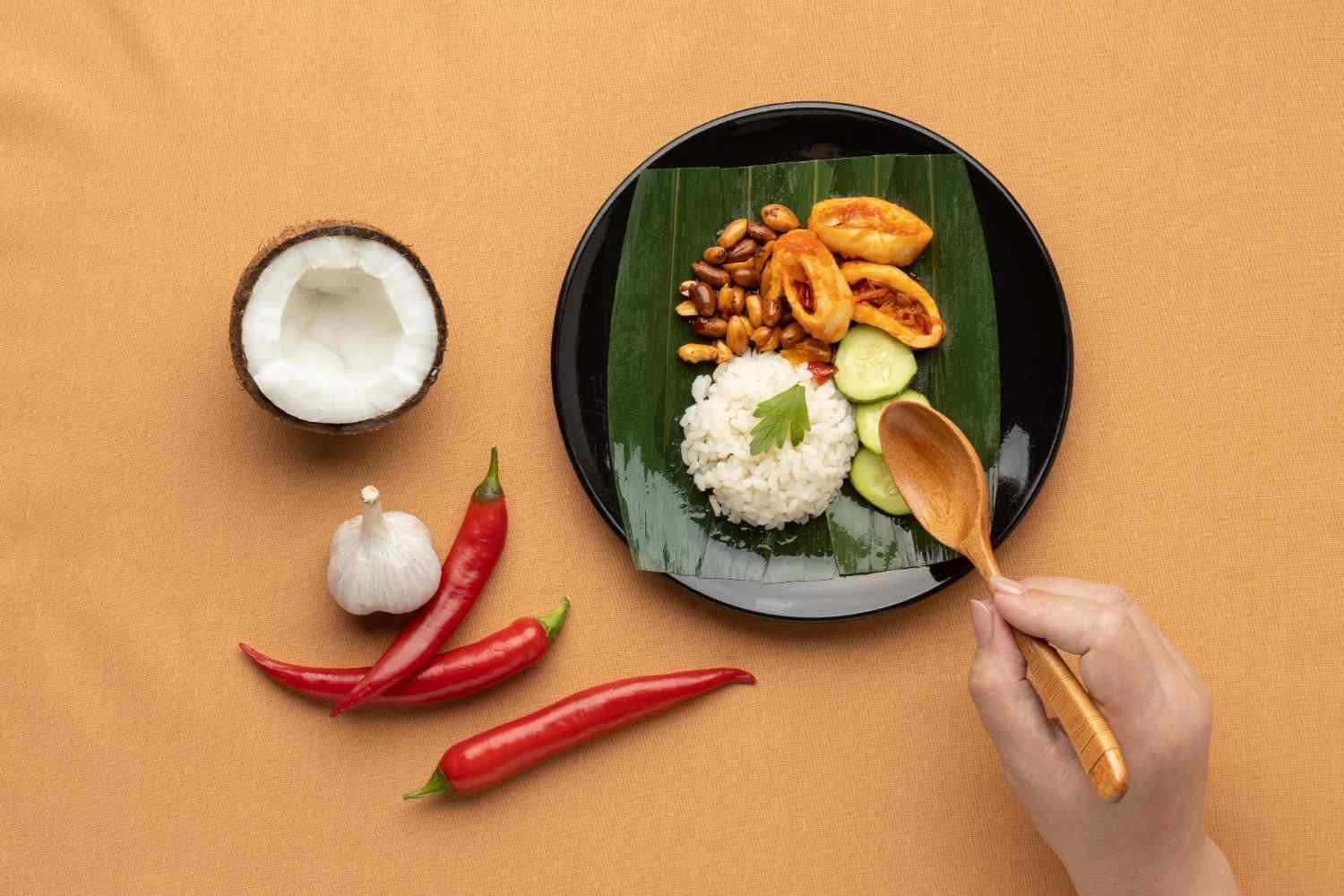
Adobo remains the classic gateway dish. It usually features chicken or pork braised with vinegar, soy sauce, garlic, bay leaves, and black pepper. It is rich, tangy, savory, and easy to pair with rice.
Sisig brings a louder flavor experience. Traditionally made with chopped pork parts, citrus, onions, and chili, it is now appearing in tacos, nachos, rice bowls, fries, and bar snacks. Its crispy, sizzling texture makes it perfect for modern menus.
Sinigang is gaining attention because its sour broth feels different from many soups Americans already know. Tamarind gives it a bright, comforting flavor that works with pork, shrimp, fish, or vegetables.
Lechon, especially Cebu-style lechon, remains a major culinary attraction. The crispy skin, tender meat, and celebratory feel make it one of the most iconic Filipino dishes.
Chicken inasal also deserves more attention. This grilled chicken dish uses lemongrass, calamansi, garlic, vinegar, and annatto oil for a smoky, citrusy, deeply savory flavor. It has strong potential for US barbecue and fast-casual menus.
Digital Creators Are Making Filipino Food Easier to Try
Food creators have helped bring Filipino cooking into more homes. TikTok chefs, YouTube cooks, and recipe bloggers make dishes feel less intimidating by showing step-by-step methods, substitutions, and quick versions.
Creators such as Abi Marquez and Panlasang Pinoy’s Vanjo Merano have helped make Filipino recipes more accessible to global audiences. This matters because many people first try a cuisine at home before they seek it out at restaurants.
When creators explain adobo, lumpia, leche flan, pancit, or sinigang in a simple way, they help people feel confident enough to cook, order, and understand the food.
Hyper-Local Ingredients Give the Trend More Depth
Modern Filipino restaurants are also leaning into hyper-local sourcing. Chefs are working with regional farmers, fishers, and small producers to highlight native seafood, heirloom rice, artisanal salts, coconut products, local vegetables, and regional vinegars.
This approach connects Filipino food to sustainability, freshness, and provenance. For US diners who care about where food comes from, this adds another layer of appeal. It also shows that Filipino cuisine is not only about nostalgia or comfort. It can also be seasonal, thoughtful, and highly ingredient-driven.
Is This a Trend or a Long-Term Shift?

The Filipino food trend has staying power because it is supported by more than hype. It has a strong diaspora, growing chef recognition, social media visibility, regional depth, and flavors that fit modern American dining.
Some foods trend because they look good online. Filipino cuisine does that, but it also tastes memorable. The crunch of lumpia, the tang of adobo, the sour comfort of sinigang, the smoke of inasal, and the color of ube all give diners reasons to return.
I believe Filipino food will continue moving into US cafés, bakeries, fast-casual restaurants, fine dining menus, frozen food aisles, and home kitchens.
FAQs About Filipino Cuisine
1. Why is Filipino food becoming popular in the US?
Filipino food is becoming popular because Americans want bold global flavors, comforting dishes, colorful desserts, and social media-friendly meals. Filipino-American chefs, viral creators, and fine dining recognition have also helped push the cuisine into the spotlight.
2. What Filipino dishes should beginners try first?
Beginners should try adobo, lumpia, pancit, sisig, sinigang, chicken inasal, halo-halo, turon, and ube desserts. These dishes show the sweet, sour, savory, crispy, and comforting sides of Filipino cuisine.
3. What makes Filipino food different from other Asian cuisines?
Filipino food stands out because it uses strong sour, salty, savory, and sweet contrasts. Ingredients like vinegar, calamansi, tamarind, garlic, fish sauce, coconut milk, bagoong, and soy sauce create deep, layered flavors.
4. Is ube really Filipino?
Ube is strongly associated with Filipino desserts and is one of the most recognized Filipino ingredients worldwide. It appears in cakes, jams, ice cream, pastries, drinks, and traditional desserts.
5. What is the biggest Filipino food trend right now?
The biggest Filipino food trend right now is the mix of ube-based desserts, Michelin-level Filipino dining, viral home-cooking content, regional sourcing, and modern versions of adobo, sisig, sinigang, lechon, and chicken inasal.
Why Filipino Food Deserves America’s Attention
Filipino cuisine is finally getting the spotlight because it offers something real. It is bold without being gimmicky, comforting without being boring, and deeply cultural without feeling closed off to newcomers.
For me, the most exciting part is how flexible it is. Filipino food can live in a family kitchen, a food truck, a neighborhood bakery, a coffee shop, a fine-dining restaurant, or a fast-casual bowl concept. That range gives it serious staying power in the US, especially as diners continue exploring broader Asian food trends with more curiosity and confidence.
As more Americans taste adobo, sip calamansi drinks, order ube pastries, try sawsawan, and learn the story behind regional dishes, Filipino cuisine will keep moving from hidden gem to everyday craving.