The best types of gourmet cheese can turn a basic snack board into the moment everyone remembers. I learned that the hard way after serving only sharp cheddar at a dinner party and watching the wine, fruit, and bread do all the work.
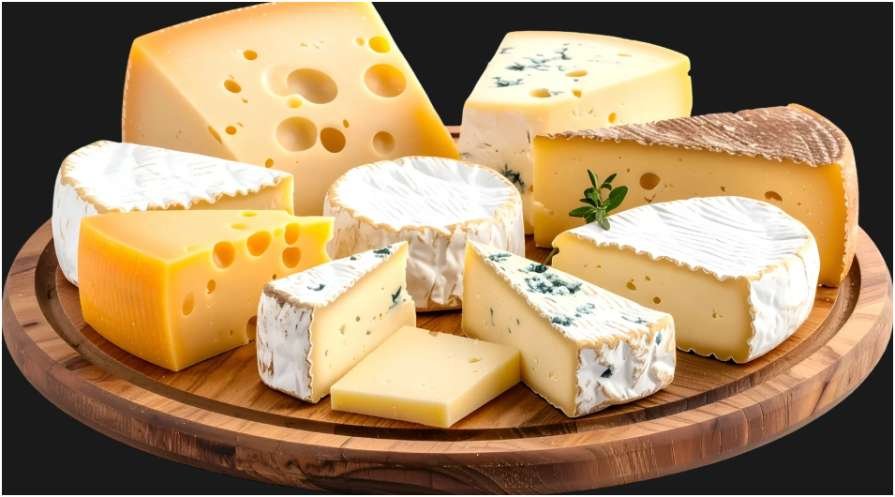
Gourmet cheese feels less confusing when you sort it by texture, moisture, rind, and aging. The FDA notes that cheese varieties commonly fall into broad groups such as fresh, soft-ripened, semi-soft, hard, and hard grating styles, which makes this a practical way to shop and taste.
Why Gourmet Cheese Is Easier to Understand by Texture
Texture tells you almost everything. Fresh cheese tastes light and milky. Soft-ripened cheese turns creamy near room temperature. Hard-aged cheese brings deep savory flavor, salt, and crunch. Blue cheese adds sharpness. Washed-rind cheese brings the bold aroma people either fear or love.
When I build a board, I never start with brand names. I start with contrast. I want one creamy cheese, one firm cheese, one salty cheese, and one wild card. That small shift makes the types of gourmet cheese easier to choose.
Fresh Cheese: Mild, Milky, and Easy to Love
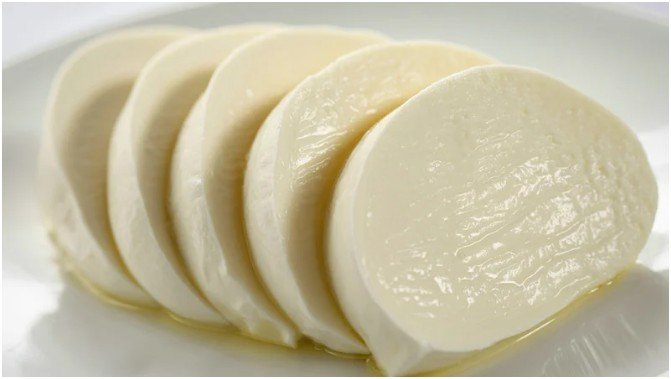
Fresh cheese is unaged, moist, and gentle. It usually has no rind and works well for beginners because the flavors stay clean.
Mozzarella, Burrata, Ricotta, and Feta
Mozzarella is creamy, stretchy, and perfect with tomatoes, basil, and olive oil. Burrata feels more luxurious because the mozzarella shell holds soft stracciatella cream inside.
Ricotta tastes fluffy and slightly sweet, so I use it in pasta fillings, toast, and desserts. Feta brings a sharper edge because it is brined. Its tangy, crumbly texture works well with olives, roasted vegetables, and grain bowls.
These cheeses are ideal when you want freshness instead of intensity.
Soft-Ripened Cheese: Creamy, Buttery, and Elegant
Soft-ripened cheese has a bloomy white rind and a creamy center. The rind forms through beneficial molds and is usually edible. This category feels fancy, but it is one of the easiest places to start.
Brie, Camembert, Brillat-Savarin, and Triple-Crème
Brie tastes buttery, mild, and smooth. Camembert usually feels earthier and more intense. I like Brie for guests who prefer gentle cheese, while Camembert works better for people who enjoy mushroom-like notes.
Brillat-Savarin is a triple-crème cheese, which means extra cream gives it a rich, decadent texture. Triple-crème cheeses feel almost like cheese butter when served at the right temperature.
Serve these with apples, honey, toasted nuts, or a crisp sparkling wine.
Semi-Soft and Semi-Hard Cheese: Smooth Melters with Character
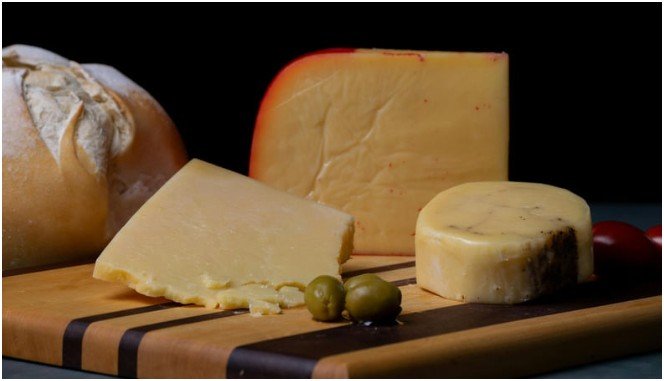
Semi-soft and semi-hard cheeses give you the best middle ground. They slice well, melt beautifully, and taste approachable without being boring.
Young Gouda, Havarti, Fontina, Challerhocker, and Ossau-Iraty
Young Gouda is mild, nutty, and smooth. Havarti feels creamy and buttery, especially when flavored with herbs or peppers. Fontina brings an earthy richness that works well in gourmet fondue or grilled cheese.
Challerhocker is more adventurous. This Swiss cheese is washed with wine and spices, giving it a savory aroma that reminds many tasters of roasted onions. Ossau-Iraty, a Basque sheep’s milk cheese, tastes smooth, sweet, and nutty.
These types of gourmet cheese are perfect when you want cheeses that can move from a board to a hot dish.
Hard Aged Cheese: Bold, Nutty, and Crystalline
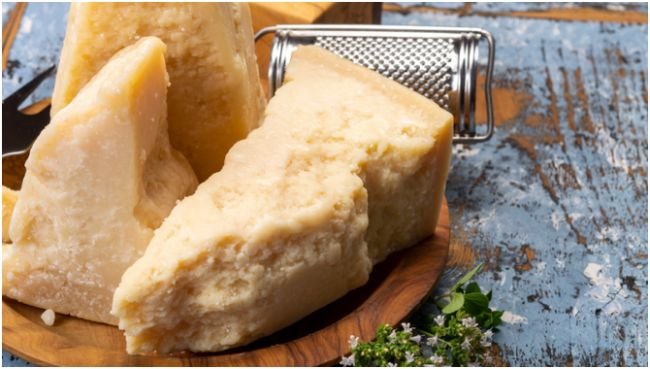
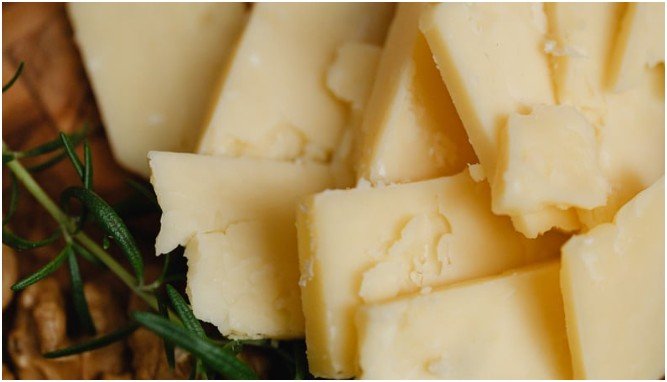
Hard aged cheese has lower moisture, a firmer texture, and a deeper flavor. Many aged cheeses develop crunchy tyrosine crystals, which add a pleasant bite.
Parmigiano-Reggiano, Comté, Manchego, Aged Gouda, and Cheddar
Parmigiano-Reggiano tastes savory, sharp, and granular. It deserves its “King of Cheeses” reputation because it works on pasta, risotto, salads, soups, and snack boards.
Comté aged 24 months or more brings brown butter, roasted nuts, and a deep alpine flavor. Manchego Gran Reserva offers a sharp sheep’s milk profile with a nutty finish. Traditional Manchego is also known for its distinctive patterned rind.
Aged Gouda, especially 5 years or older, gets dark, crunchy, and caramel-like. Aged cheddar can range from sharp to deeply complex, depending on how long it matures.
Raw milk cheeses sold across state lines in the U.S. must meet federal aging rules, including aging for at least 60 days at 35°F or higher, according to FDA-linked regulations.
Blue Cheese: Salty, Bold, and Surprisingly Versatile
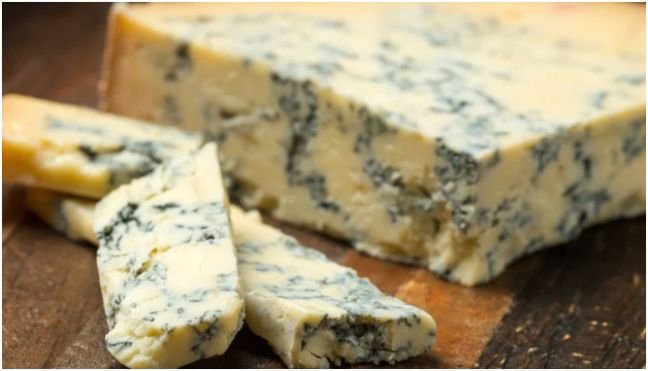
Blue cheese scares some people, but the right one can taste creamy, sweet, salty, or spicy. Blue-veined cheeses get their marbled look from molds such as Penicillium roqueforti or Penicillium glaucum.
Roquefort, Gorgonzola Dolce, Stilton, and Gorgonzola Piccante
Roquefort is a French sheep’s milk cheese with sharp, salty flavor and blue-green veins. Britannica lists Roquefort, Stilton, and Gorgonzola among the major blue cheese varieties.
Gorgonzola Dolce is softer, sweeter, and easier for beginners. Gorgonzola Piccante is firmer and stronger. Stilton tastes rich, complex, and classic.
I like blue cheese with pears, honey, walnuts, steak, burgers, and dessert wine. It also works well in sauces when balanced with cream.
Washed-Rind Cheese: Funky Aroma, Rich Flavor
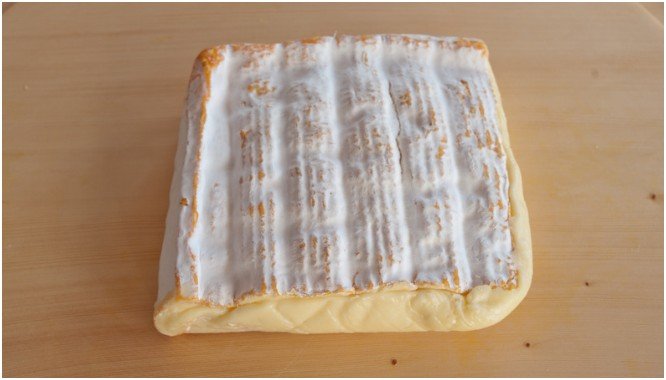
Washed-rind cheese has a big personality. Cheesemakers wash the rind with brine, beer, wine, or spirits during aging. This creates an orange tint, strong aroma, and deep savory flavor.
Taleggio and Époisses
Taleggio smells bold but tastes mild, fruity, and creamy. It melts beautifully over potatoes, polenta, or warm bread.
Époisses de Bourgogne is famous for its intense scent and spoonable texture. It can taste rich, meaty, and luxurious. I never serve it cold because the texture needs time to soften.
This is the category I save for adventurous eaters.
My Simple Gourmet Cheese Board Formula
For a balanced board, I use one cheese from each flavor zone:
Choose one fresh cheese, such as burrata or feta. Add one soft-ripened cheese, like Brie or Brillat-Savarin. Include one aged cheese, such as Comté or Parmigiano-Reggiano. Finish with one bold option, like Roquefort or Taleggio.
Then add one sweet item, one acidic item, one crunchy item, and one good bread or cracker. For example, pair Brillat-Savarin with honey, Comté with cornichons, Roquefort with pears, and Manchego with Marcona almonds.
This formula gives contrast without overcrowding the board. It also helps you enjoy different types of gourmet cheese without buying too much.
For cooking, cheese can become even more expressive with specialty ingredients. A small drizzle can help, but only when used carefully. I like pairing hard cheese or creamy burrata with recipes that explain how to use truffle oil so the aroma enhances the dish instead of overpowering it.
How to Store and Serve Gourmet Cheese
Good cheese tastes dull when served too cold. I usually bring most cheeses out 30 to 45 minutes before serving. Soft cheeses need time to relax. Hard cheeses need time for their aroma to open.
Keep soft cheeses separate from strong washed-rind or blue cheeses. Their aromas can spread. For food safety, soft cheeses and fresh cheeses need more care because their higher moisture makes them more delicate.
The USDA’s FoodSafety.gov advises discarding soft cheeses when mold appears, while hard cheeses can often be saved by cutting at least one inch around and below the moldy area.
FAQs
1. What are the main types of gourmet cheese?
The main types of gourmet cheese include fresh, soft-ripened, semi-soft, hard aged, blue, and washed-rind cheese. Each group differs by moisture, rind, texture, aging, and flavor strength.
2. Which gourmet cheese is best for beginners?
Brie, young Gouda, burrata, Manchego, and Gorgonzola Dolce are great beginner choices. They taste flavorful without feeling too sharp or funky.
3. What is the strongest gourmet cheese?
Époisses, Roquefort, Stilton, and aged Gouda can taste very strong. Washed-rind cheeses often smell stronger than they taste.
The Cheese Board Glow-Up Starts Here
The smartest way to enjoy gourmet cheese is to stop chasing the fanciest name first. Start with texture, then choose flavor.
My go-to board has burrata, Comté, Manchego, and one bold blue or washed-rind cheese. That mix gives creamy, nutty, salty, and funky notes without turning the board into a guessing game.
Pick three cheeses this week: one safe, one aged, and one slightly dramatic. That is where the fun begins.