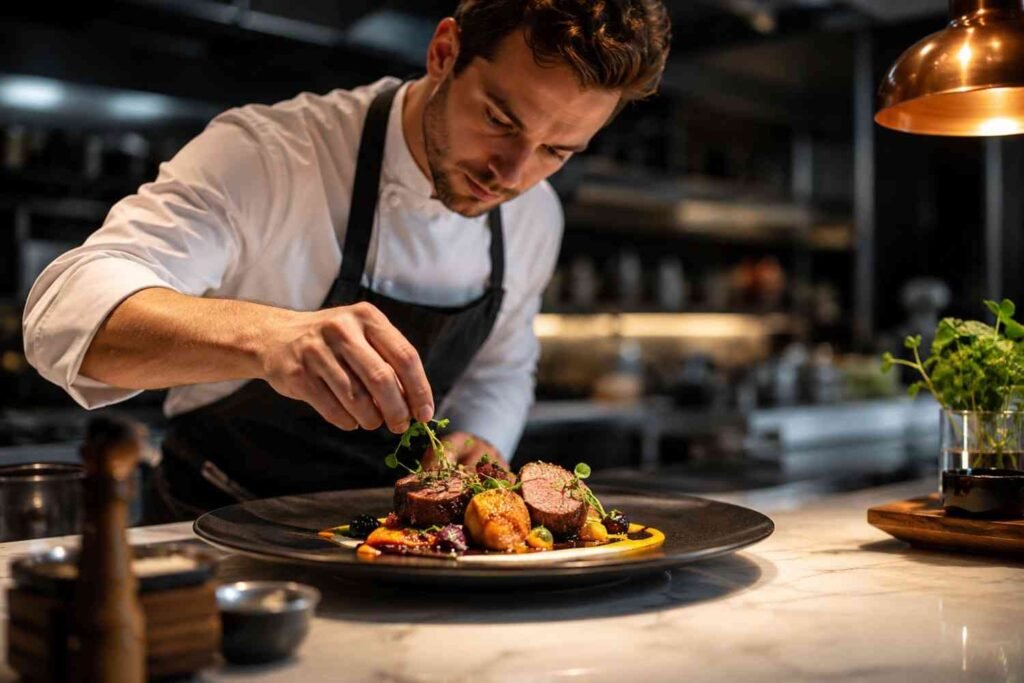
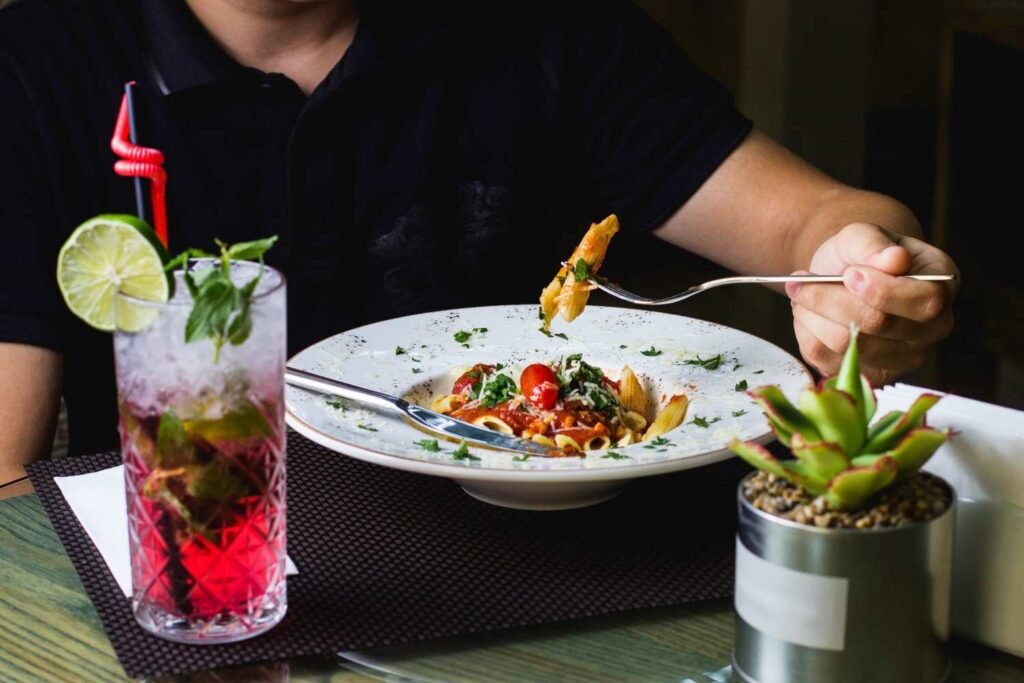
When I first learned about modern gastronomy, I thought it was only about fancy restaurant tricks, tiny portions, and dramatic plates. But the more I understood it, the more I saw that it is really about control, creativity, and curiosity. It blends food science with kitchen artistry to change the texture, temperature, flavor, and presentation of food in surprising ways.
In the United States, diners now expect more than a good meal. They want a memorable restaurant dining experience, a story behind the plate, thoughtful ingredients, and food that feels exciting without losing flavor. That is where this culinary movement has become powerful.
What Is This Culinary Movement in Simple Terms?
This style of cooking uses science to understand what happens during cooking at a physical and chemical level. Instead of only following traditional recipes, chefs study why ingredients gel, melt, foam, emulsify, freeze, ferment, or change texture under heat and pressure.
It often overlaps with molecular gastronomy, but it is broader than that. Molecular gastronomy focuses strongly on food science and chemical reactions. Today’s modernist cooking also includes sustainability, creative plating, sensory dining, plant-based innovation, local sourcing, storytelling, and zero-waste cooking.
The goal is not to make food strange for attention. The goal is to make food more thoughtful, surprising, and memorable.
Why This Trend Matters in US Restaurants
American food culture has changed fast. Diners watch chef shows, follow restaurant openings online, compare tasting menus, and care about how food looks on social media. A simple dinner can now become an experience built around aroma, texture, presentation, sourcing, and emotion.
This trend also fits the way many US restaurants now think about food. Chefs use farmers market produce, seasonal menus, sustainable seafood, fermentation, and plant-forward dishes to create meals that feel both creative and responsible.
I think that is why this movement works so well. It connects the excitement of culinary innovation with the growing demand for better ingredients and smarter cooking.
Core Concepts Behind the Movement
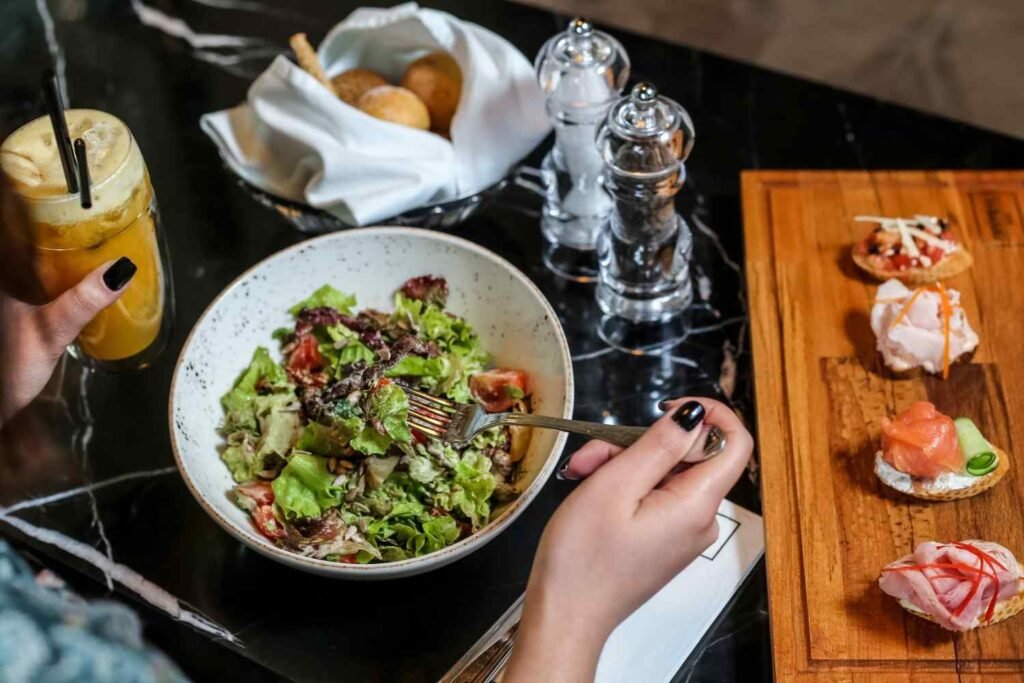
At its heart, modernist cuisine relies on science-driven understanding. Chefs look at food beyond surface-level taste. They study how proteins set, how fats behave, how liquids thicken, how air changes texture, and how temperature affects the final bite.
Sensory manipulation is another major idea. A chef may separate a familiar flavor from its usual texture or temperature. A tomato may become a clear liquid. A sauce may become a foam. A fruit juice may turn into small spheres that burst in your mouth. This challenges what diners expect and makes the meal more interactive.
Deconstruction also plays a major role. A chef can take a classic dish, such as a caprese salad, eggs Benedict, or apple pie, break it down into its essential flavors, and rebuild it in a completely new form. The dish still feels familiar, but the experience feels fresh.
Storytelling gives the food meaning. A tasting menu may reflect a chef’s childhood, a region, a season, or a memory. In the best restaurants, each plate feels intentional rather than random.
Popular Techniques Chefs Use Today
Spherification
Spherification turns liquids into delicate spheres with a thin gel membrane. Chefs often use sodium alginate and calcium chloride to create this reaction. The result can look like fruit caviar, cocktail pearls, or tiny sauce bubbles that burst when you bite them.
This technique works well because it adds surprise. A diner sees a small sphere on the plate but experiences a rush of flavor when it breaks open.
Foams, Airs, and Emulsions
Foams and airs use ingredients such as soy lecithin or tools like whipping siphons to trap air inside flavored liquids. A chef may create citrus air, parmesan foam, herb clouds, or light sauce bubbles that melt almost instantly.
Emulsification also helps chefs blend ingredients that usually separate, such as oil and water-based liquids. This creates smooth sauces, stable textures, and lighter presentations.
Sous Vide Cooking
Sous vide cooking has become common in high-end and casual American kitchens. Chefs vacuum-seal food in plastic pouches and cook it in a carefully controlled water bath. This gives meat, fish, vegetables, and eggs precise doneness from edge to center.
For example, a sous vide steak can stay tender and evenly cooked before it gets a final sear. This method shows how food science can improve consistency without taking away flavor.
Flash Freezing With Liquid Nitrogen
Liquid nitrogen freezes food extremely fast. Because it reaches about -196°C, chefs can freeze the outside of an ingredient almost instantly while sometimes keeping the inside softer or warmer.
This can create dramatic temperature contrasts in desserts, cocktails, and small tasting menu bites. Still, skilled chefs use it carefully. The technique should support flavor and texture, not just create a visual stunt.
Gelification
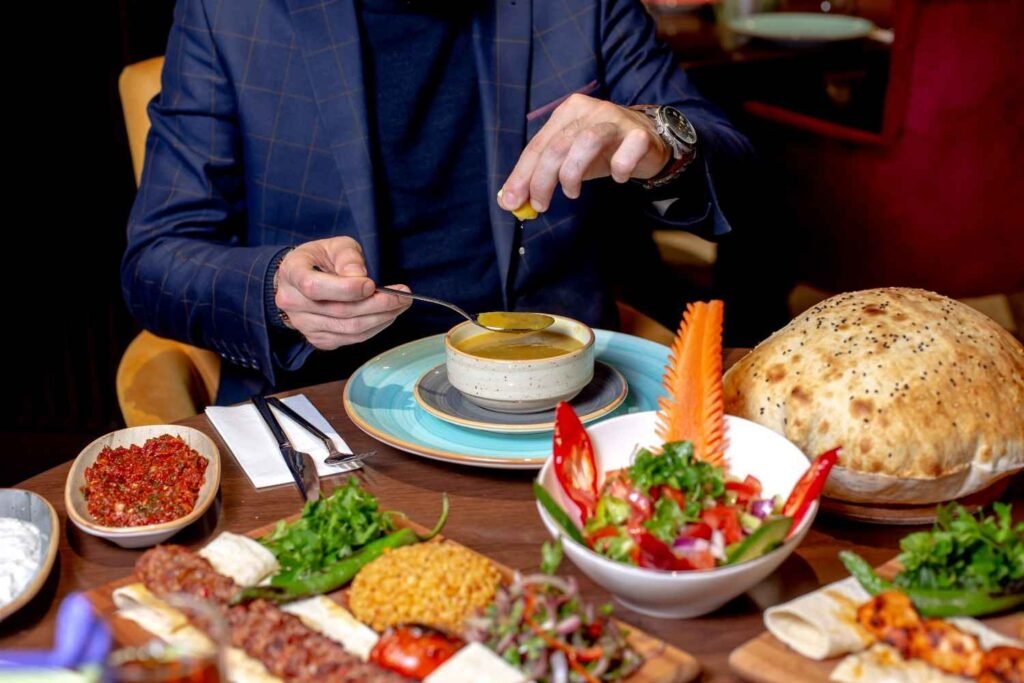
Gelification turns liquids into gels, sheets, ribbons, or heat-resistant textures. Chefs use natural hydrocolloids such as agar-agar, gellan gum, carrageenan, and other gelling agents to control how liquids behave.
This allows sauces, juices, broths, and purees to appear in new forms. A liquid can become a noodle, a cube, a film, or a soft gel that carries concentrated flavor.
Fermentation and Preservation
Fermentation may be ancient, but it has become central to modern dining. Chefs use miso, kimchi, pickles, kombucha, sourdough, fermented hot sauces, and cultured ingredients to add depth, acidity, and umami.
This technique also supports sustainable gastronomy. Restaurants can preserve seasonal produce, reduce waste, and create complex flavors without relying on artificial shortcuts.
Key Figures Who Shaped This Style of Cooking
The term molecular gastronomy was co-created in 1988 by French chemist Hervé This and Oxford physicist Nicholas Kurti. Their work helped chefs look at cooking as a scientific process instead of only a craft passed down through tradition.
Chef Ferran Adrià later helped popularize this style globally through his legendary Spanish restaurant El Bulli. He became known for deconstruction, foams, gels, unexpected textures, and a new culinary language that influenced chefs around the world.
Today, the movement continues to evolve in US kitchens, from fine dining restaurants to experimental cocktail bars, plant-based tasting menus, chef-led bakeries, and modern casual concepts.
Why Sustainability Now Matters More Than Spectacle
Early modernist cooking often leaned on shock value. Diners saw smoke, spheres, foams, powders, and frozen tableside effects. That made the movement famous, but it also made some people think it was only about tricks.
Now, many chefs focus more on meaning. They use scientific tools to support sustainability, hyper-seasonality, local sourcing, root-to-stem cooking, reduced food waste, and better preservation.
This is where modern gastronomy feels more mature. It still values surprise, but it also respects the ingredient. A dish can look creative while also honoring farmers, reducing waste, and preserving traditional flavor profiles.
Can Home Cooks Try These Ideas?
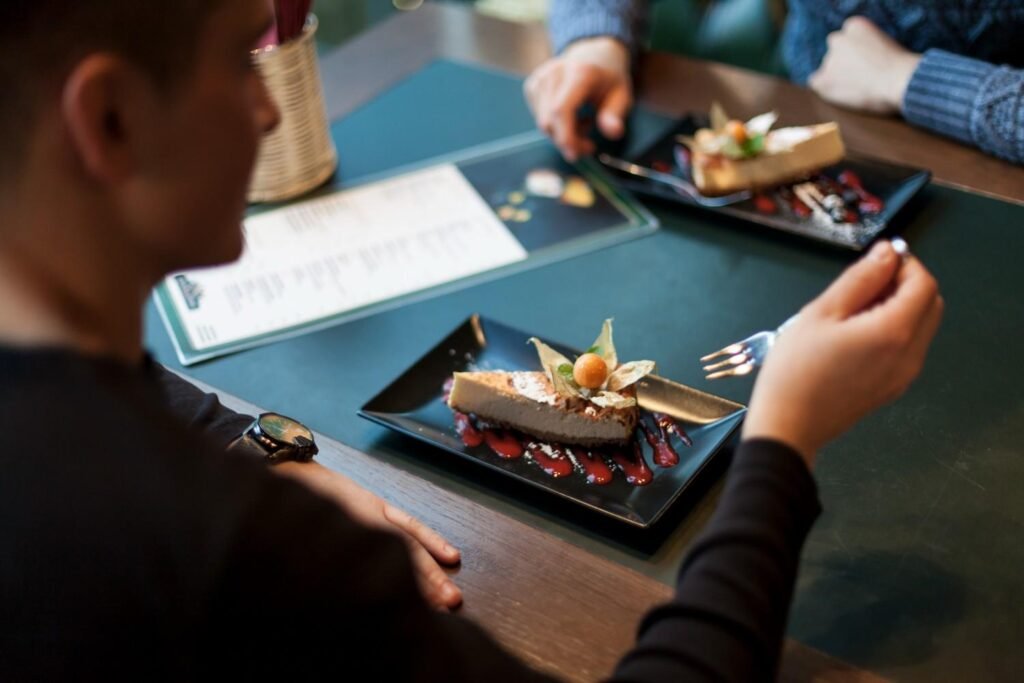
Yes, home cooks can try this style without building a laboratory in the kitchen. You can begin with simple modern cooking techniques such as sous vide eggs, homemade pickles, infused oils, flavored salts, smooth emulsions, creative plating, or fermented sauces.
I would start with one idea: change texture while keeping flavor familiar. Turn a fruit sauce into a gel. Add crunch to a creamy dish. Plate vegetables with height and contrast. Use acidity to balance richness. These small choices make everyday food feel more intentional.
The most important lesson is not the equipment. It is the mindset. Ask why a technique works, what texture the dish needs, and how the final plate should make someone feel.
Final Taste
Modern American dining keeps moving toward food that feels personal, visual, responsible, and experience-driven. That is why this movement continues to grow, especially as global influences and Asian food trends inspire chefs to use science, art, memory, and sustainability in the same dish.
For me, modern gastronomy is not about making food complicated. It is about making food more alive. It helps chefs turn familiar ingredients into something surprising while still keeping flavor at the center. Whether you experience it in a fine dining restaurant or try one small technique at home, it can change the way you think about every plate.