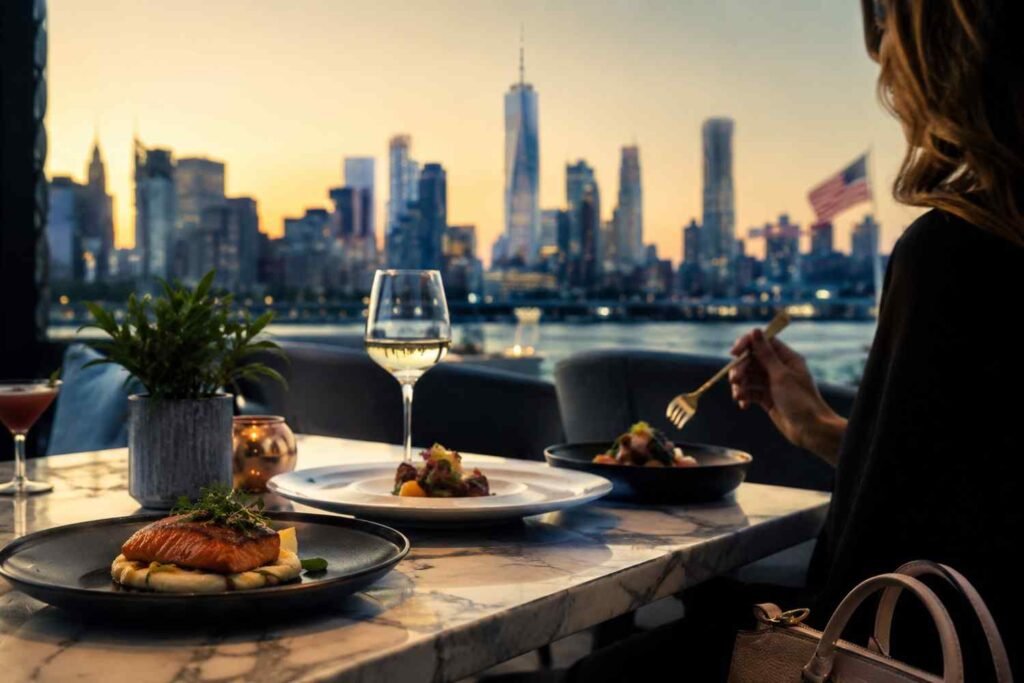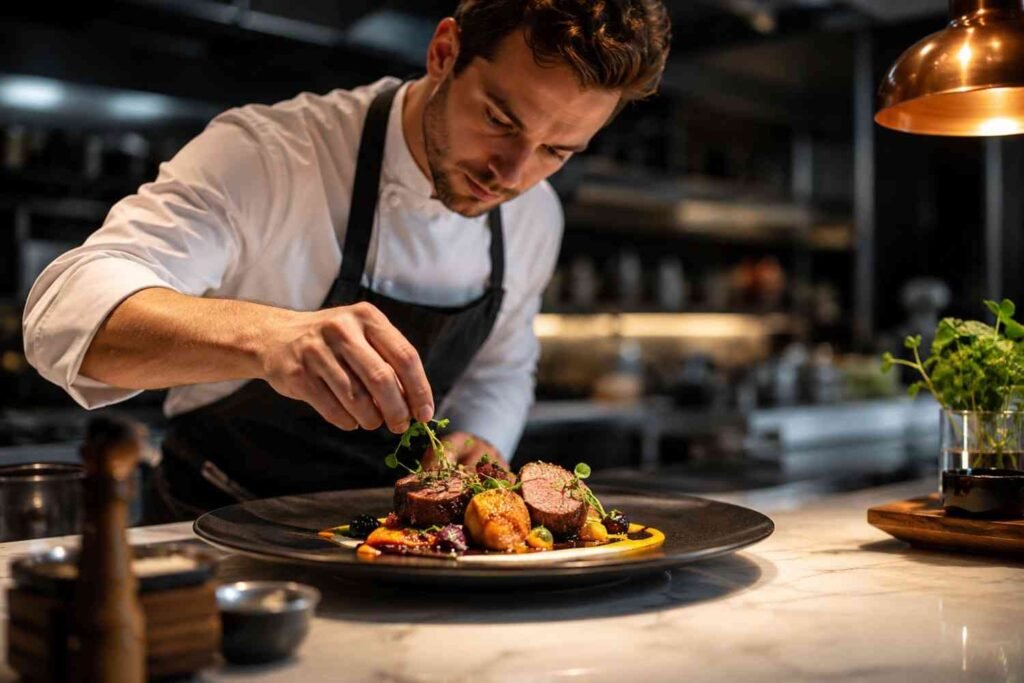
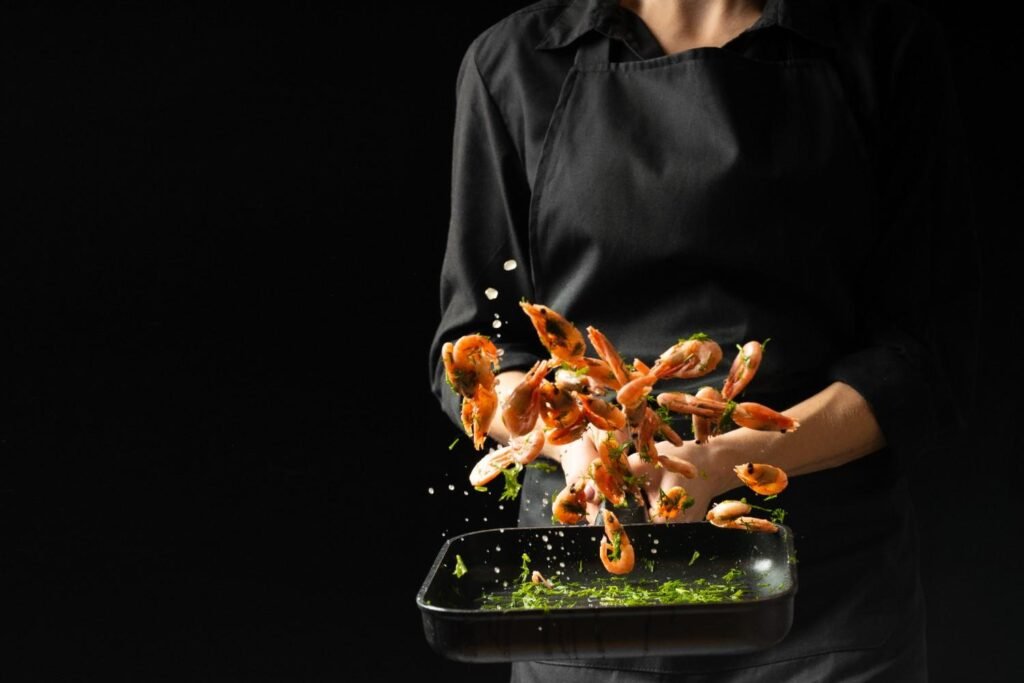
Seafood is no longer just about grilled salmon, fried shrimp, or a classic lobster roll. Across the US, restaurants are making seafood feel more premium, adventurous, healthy, and responsible. I see diners asking better questions now. They want to know where the fish came from, how it was raised, what flavors make it special, and whether the dish feels worth the price.
That is why seafood restaurant trends are moving in a bold new direction. Upscale tinned fish, responsibly farmed species, raw bar experiences, Southeast Asian and Latin flavors, nutrient-rich dishes, and plant-based seafood alternatives are all reshaping the modern seafood menu.
Why US Seafood Dining Is Changing So Fast
American diners have become more curious, but also more careful. They still want food that feels exciting, but they also want freshness, value, traceability, and better nutrition. This creates a big opportunity for seafood restaurants because seafood can meet several needs at once.
It can feel light without being boring. It can feel premium without needing a huge portion. It can also carry global flavors beautifully, from citrusy ceviche to spicy green curry mussels, while fitting naturally into today’s demand for healthy restaurant options.
Restaurants that win today are not just adding seafood to the menu. They are telling a better story around sourcing, flavor, wellness, and experience.
Premium Tinned Seafood Is Becoming a Luxury Starter
One of the most interesting shifts I see is the rise of premium tinned seafood, also known as conservas. What used to feel like a pantry item now shows up in stylish restaurants, wine bars, and seafood-focused small plate menus.
Chefs are serving high-end anchovies, sardines, mussels, razor clams, octopus, and mackerel directly in the tin. Instead of hiding the format, they make it part of the charm. These tins often arrive with sourdough, cultured butter, pickled vegetables, olives, lemon, herbs, or house-made sauces.
This trend works because it feels casual and luxurious at the same time. It also helps restaurants offer premium seafood without the same waste or storage pressure as fresh fish.
Responsibly Farmed Fish Are Becoming New Menu Staples
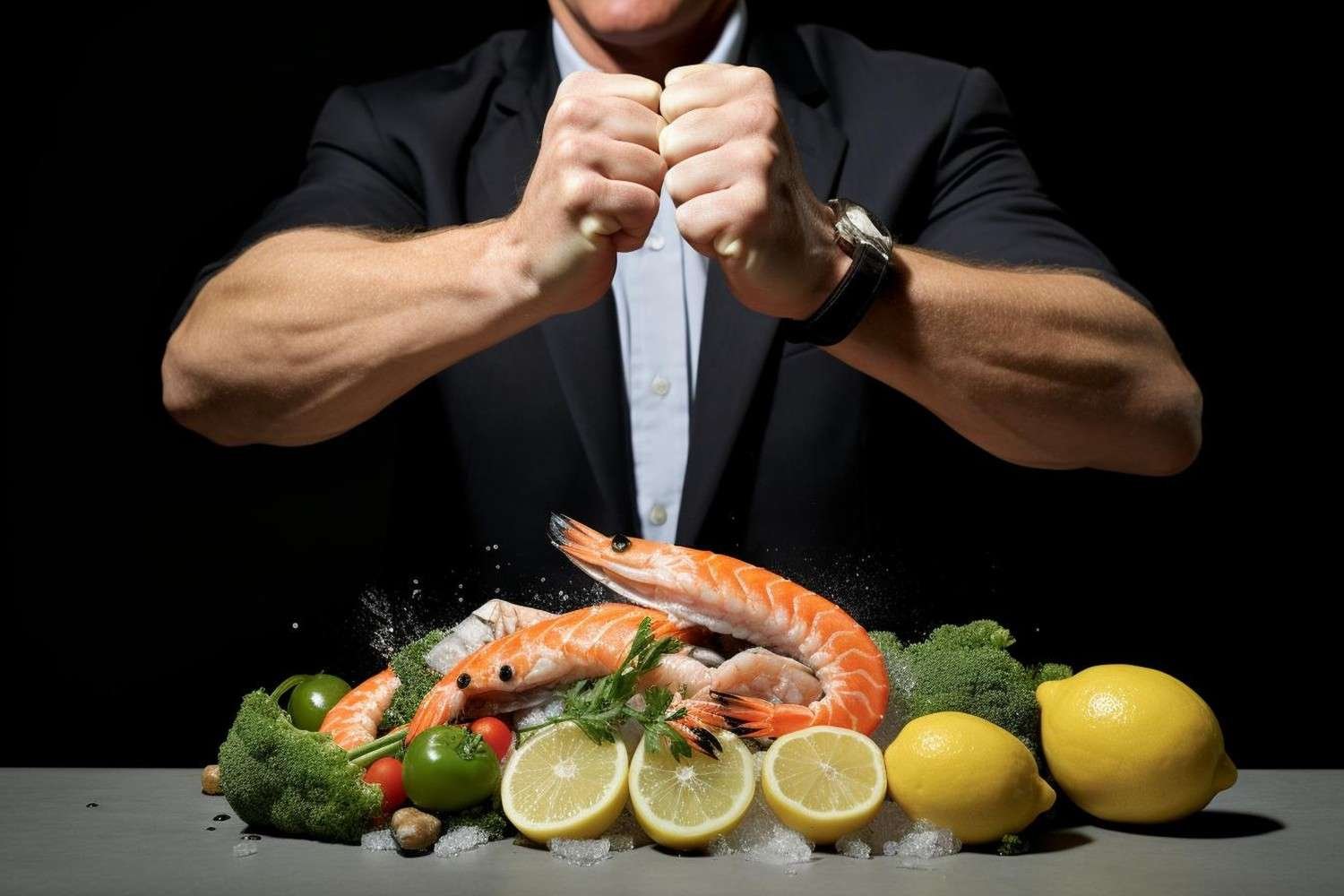
Wild-catch seafood can be affected by quotas, seasonality, weather, supply issues, and rising costs. Because of that, many restaurants are turning to high-quality farmed fish from responsible producers.
Cobia, Hawaiian kampachi, Pacific snapper, and farmed halibut are gaining attention because they offer clean flavor, reliable texture, and strong menu flexibility. Chefs can use them in crudo, tataki, ceviche, grilled entrees, rice bowls, and seasonal specials.
This also supports sustainability when the farm follows responsible practices. Diners may once have viewed farmed fish with hesitation, but that attitude is changing as restaurants explain sourcing more clearly.
Sustainable Seafood Is Now a Trust Signal
Sustainability has moved from a nice bonus to a serious menu selling point. Diners want restaurants to support responsible fishing, verified sourcing, and better ocean practices.
A strong seafood menu now often includes details like wild-caught, responsibly farmed, traceable, local, seasonal, or certified sustainable. These words matter because they help guests feel confident about what they order.
For restaurants, this can also create a stronger brand identity. A guest may forget a generic fish special, but they may remember a restaurant that serves traceable scallops, local oysters, or lesser-known sustainable species prepared with care.
Southeast Asian and Latin Flavors Are Leading the Menu
Plain butter-and-lemon seafood still has a place, but many diners now want more energy on the plate. Bold Southeast Asian and Latin American flavors are shaping seafood menus across the US.
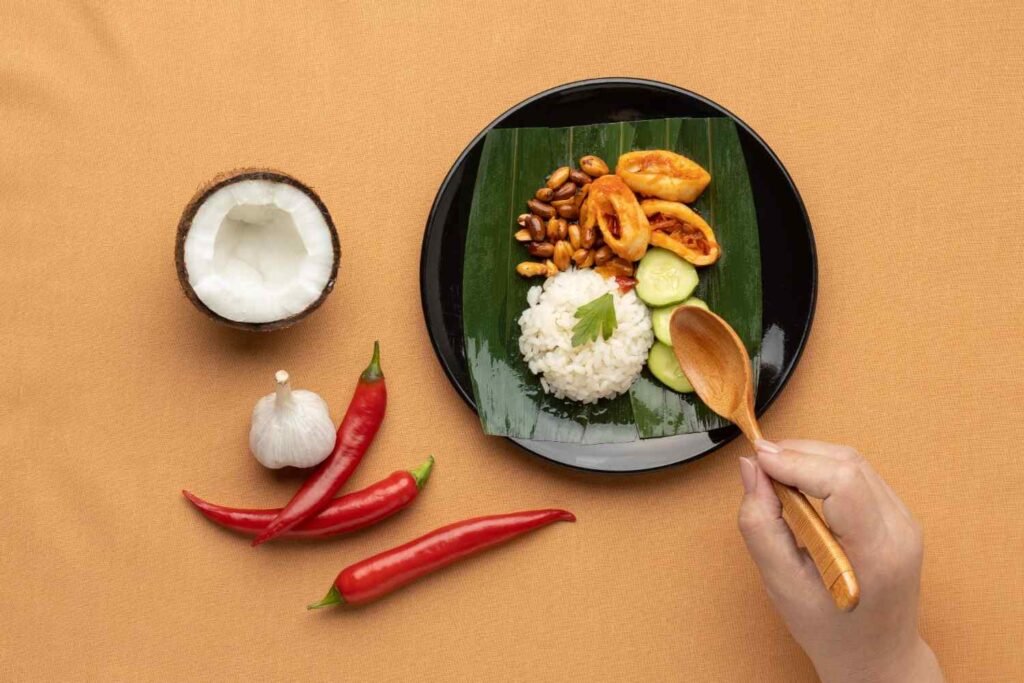
I see more dishes using yuzu, lime, coconut, tamarind, green curry, fish sauce, chili crisp, charred chilies, cilantro, ginger, garlic, and fermented sauces. These flavors bring heat, acidity, sweetness, salt, and deep umami.
Latin-inspired seafood also continues to grow through ceviche, aguachile, shrimp tacos, grilled fish with salsa verde, seafood tostadas, and octopus with smoky peppers. These dishes feel fresh, colorful, and highly shareable.
This is one of the strongest seafood restaurant trends because it makes seafood feel more exciting without relying only on expensive ingredients.
Raw Bars and Seafood Towers Still Feel Special
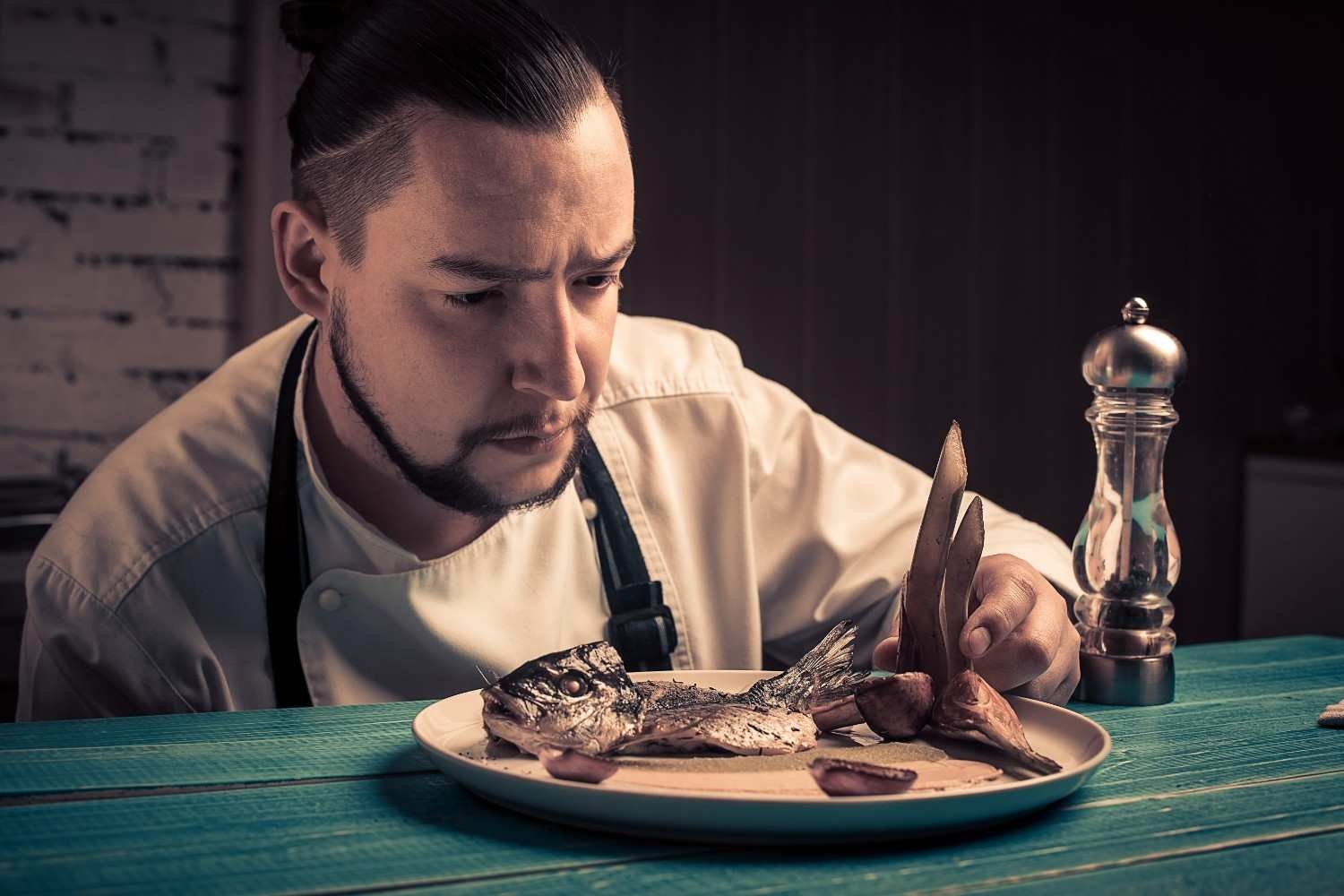
Raw bars remain popular because they turn seafood into an experience. Oysters, clams, shrimp cocktail, tuna crudo, scallop ceviche, lobster cocktail, and chilled seafood towers all bring visual appeal to the table.
Oyster bars especially work well in US cities because oysters offer regional variety. Diners can compare East Coast and West Coast oysters, ask about briny or buttery flavors, and order by the half-dozen. This creates interaction, which makes the meal feel more memorable, especially for eco conscious consumers who also care about responsible sourcing.
Seafood towers also fit modern social dining. They are photogenic, shareable, and ideal for celebrations, date nights, and group dinners.
Health-Focused Seafood Menus Are Growing
Many diners now view seafood through a wellness lens. They want dishes that support energy, longevity, and balanced eating. Restaurants are responding with menu language that highlights omega-3s, lean protein, minerals, and lighter cooking methods.
Grilled salmon, seared tuna, shrimp bowls, sardine toast, mussel dishes, scallop plates, and white fish with vegetables all fit this demand. Shellfish also appeals to diners looking for nutrient-dense foods with strong flavor.
The key is to avoid making healthy seafood feel plain. A dish can be wellness-friendly and still include chili oil, herbs, citrus, grains, roasted vegetables, or bold sauces.
Small Plates Make Premium Seafood More Approachable
Seafood can be expensive, so smaller portions help diners try premium items without committing to a costly entree. Crab toast, tuna tartare, grilled octopus, shrimp skewers, scallop crudo, and smoked fish dip all work well as shareable plates.
This format gives restaurants more flexibility. It also lets guests build their own meal, which feels more relaxed and social. Instead of ordering one large plate, they can try several flavors and textures.
For restaurants, small plates can increase check averages while making the menu feel more creative.
Plant-Based Seafood Alternatives Are Entering the Mix
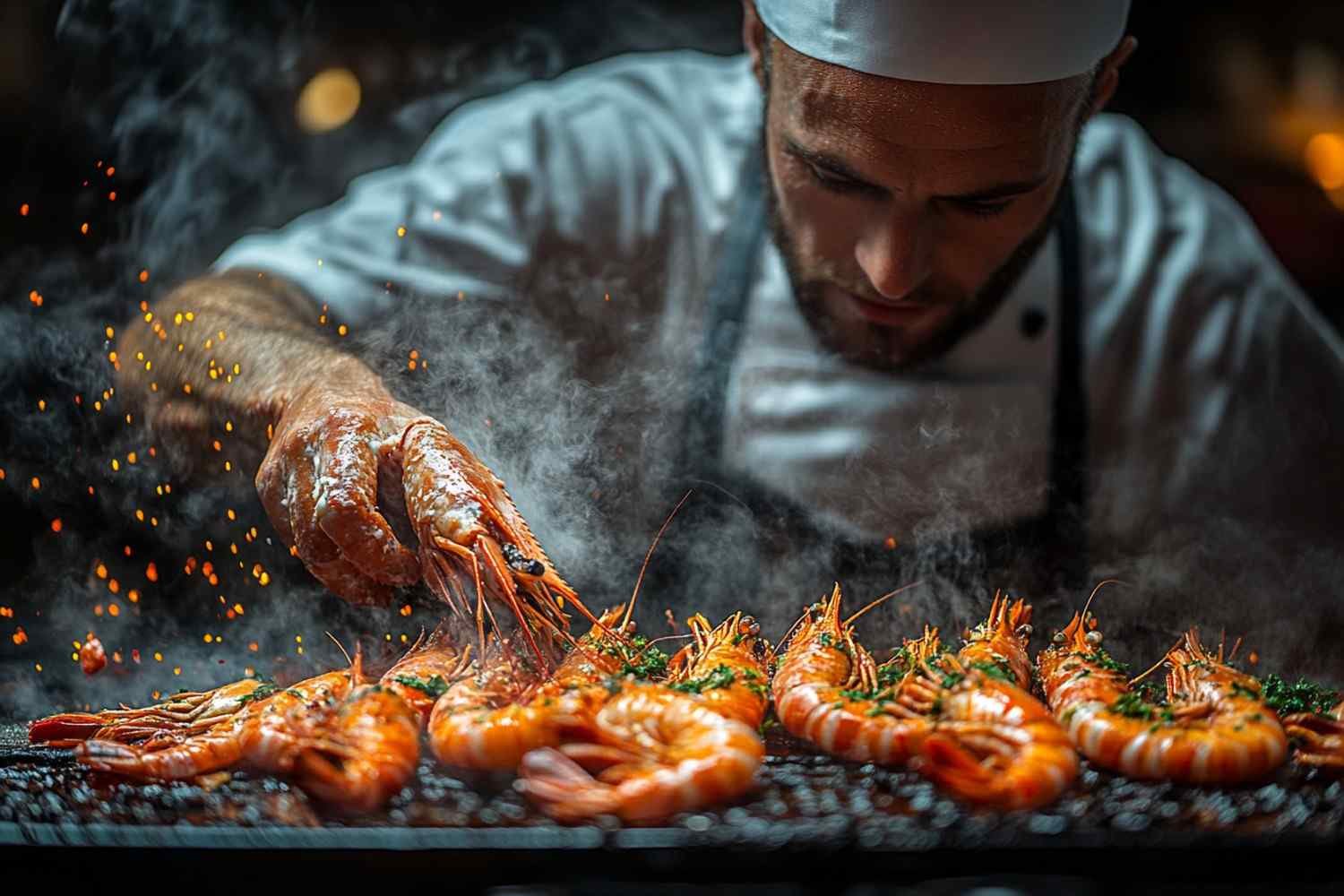
Flexitarian diners, allergy-sensitive guests, and eco-conscious consumers are pushing restaurants to diversify protein choices. That is why plant-based seafood alternatives are starting to appear on more menus.
Some kitchens now use legume-based fish substitutes, plant based fish, plant-based crab cakes, vegan seafood dips, and seaweed-forward dishes that mimic the briny taste of the ocean. These options do not need to replace real seafood. They simply give restaurants more ways to serve mixed groups.
They can also help stabilize food costs when ocean harvests become unpredictable or premium seafood prices rise.
Value Still Matters in Seafood Dining
Even adventurous diners care about price. Seafood restaurants need to balance premium experiences with approachable options.
That is why happy hour oysters, fish sandwiches, lunch bowls, seafood pasta, prix fixe dinners, and shared platters work so well. They let guests enjoy seafood without feeling like every visit has to be a splurge.
Smart restaurants will offer both ends of the menu: a premium seafood tower for special occasions and a satisfying fish taco or shrimp bowl for casual visits.
FAQs About Modern Seafood Dining
1. What are the biggest seafood trends in US restaurants?
The biggest seafood restaurant trends include premium tinned seafood, raw bars, sustainable sourcing, responsibly farmed fish, Southeast Asian and Latin flavors, seafood small plates, nutrient-rich menu items, and plant-based alternatives.
2. Why is premium tinned seafood popular?
Premium tinned seafood feels stylish, flavorful, and easy to share. Restaurants can serve conservas with sourdough, butter, pickles, and sauces to create a low-waste luxury starter.
3. What sustainable fish are restaurants using?
Restaurants are exploring options like cobia, Hawaiian kampachi, Pacific snapper, farmed halibut, sardines, mackerel, hake, and other responsibly sourced species.
5. Are plant-based seafood dishes worth adding to menus?
Yes, especially for restaurants that serve groups with different diets. Plant-based seafood can appeal to flexitarians, allergy-conscious guests, and diners looking for eco-friendly options.
Fresh Catch: What Comes Next
Seafood dining in the US is becoming more creative, transparent, and experience-driven. Diners want bold flavor, smart sourcing, wellness value, and dishes that feel worth talking about.
For me, the future of seafood is not about making menus bigger. It is about making them sharper. Restaurants that combine premium conservas, sustainable sea food, raw bar energy, global flavors, and fair pricing will have the strongest chance to stand out.