The first time I watched a spoonful of mango “caviar” burst open like sunshine, I realized cooking could do more than fill a plate. It could surprise people. It could start conversations. It could make a familiar flavor feel brand new. That is the real charm of molecular gastronomy.
Instead of treating food science like something cold or complicated, I see it as a creative shortcut to wonder.
With the right technique, a sauce can float as foam, olive oil can melt like powder, and a classic dessert can return as a completely new experience. Molecular gastronomy is not about making food strange for attention. It is about using science to make taste, texture, and presentation more exciting.
What Is Molecular Cooking in Simple Words?
Molecular cooking uses science to change how food looks, feels, and behaves. A fruit juice can become a pearl that bursts in your mouth. Olive oil can become a powder that melts on your tongue. A sauce can turn into a foam. A steak can cook evenly from edge to center using precise temperature control.
That is why this style works so well for modern American home cooks who enjoy food shows, dinner parties, cocktail nights, and chef-inspired recipes. It lets you take everyday ingredients and present them in a more exciting way.
Why Food Science Became a Restaurant Trend
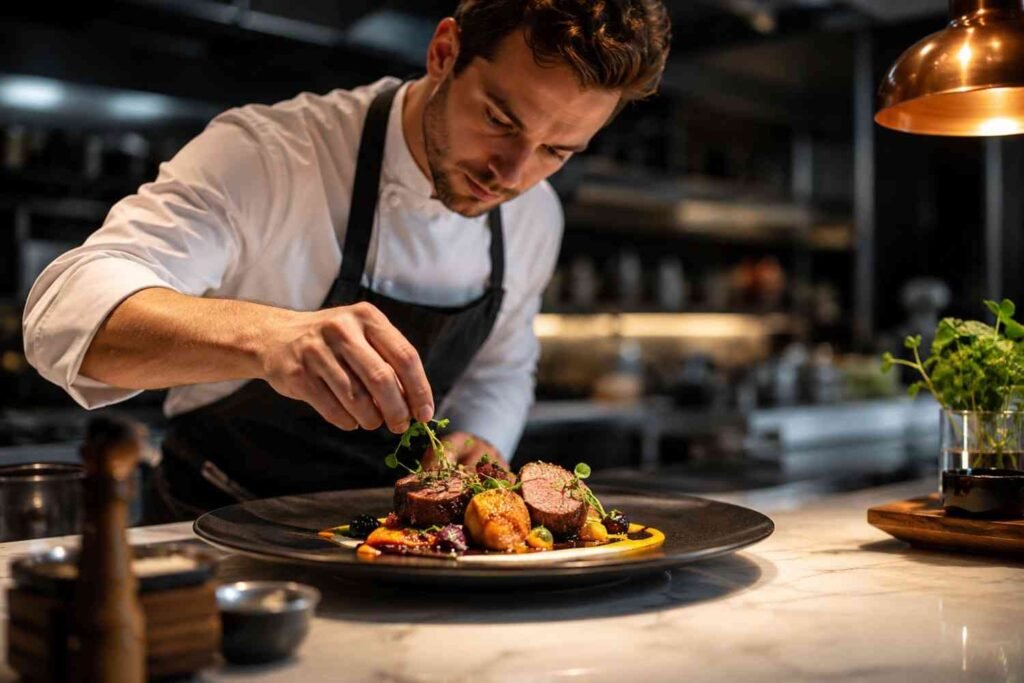
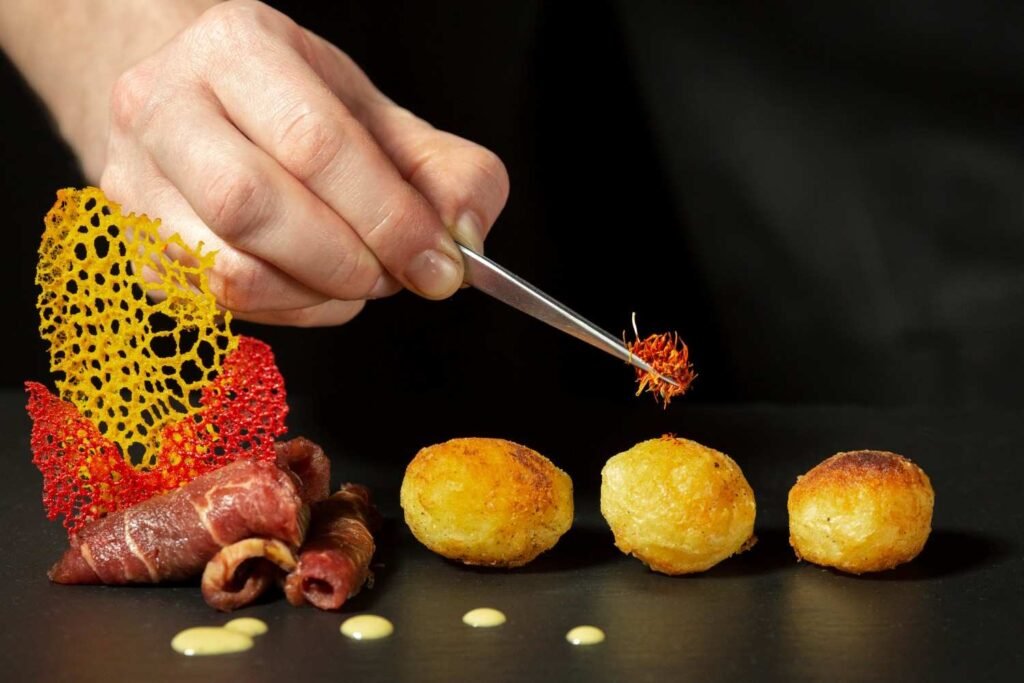
Fine dining chefs helped make this movement popular because it turns dinner into an experience. Instead of serving a classic dish exactly as expected, chefs break it down, rebuild it, or present it in a new texture.
Ferran Adrià at El Bulli became famous for culinary foams, reverse spherification, and boundary-pushing tasting menus. Heston Blumenthal at The Fat Duck explored multi-sensory dining and the psychology of eating. Grant Achatz at Alinea in Chicago became known for playful dishes like edible helium balloons made from taffy.
These chefs made people realize that food could be scientific, emotional, artistic, and fun at the same time.
Molecular Gastronomy Techniques Beginners Should Know
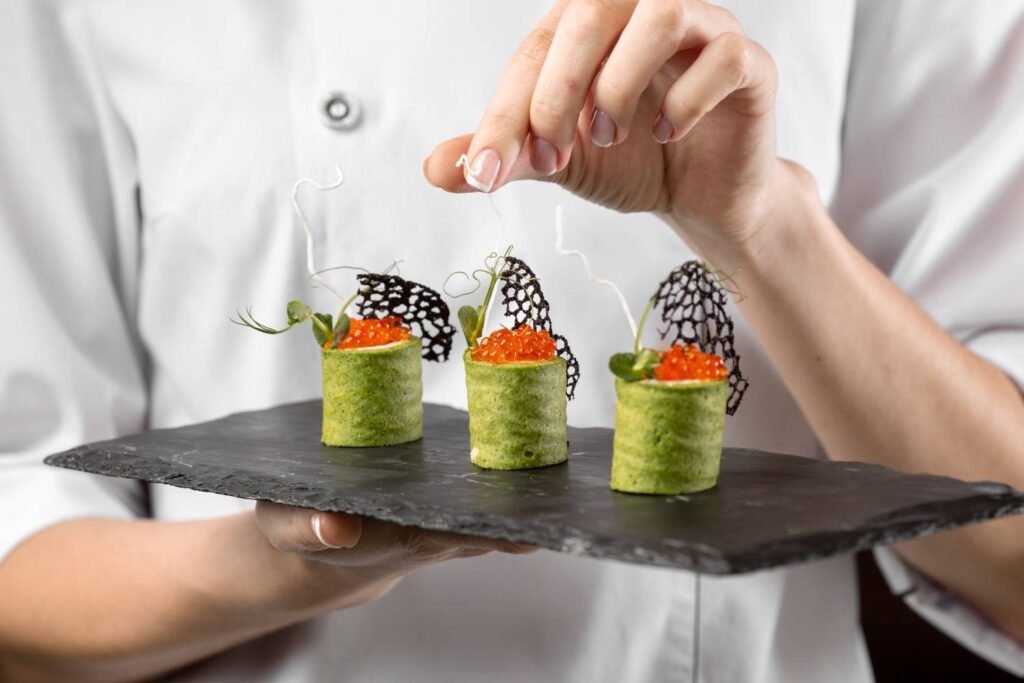
Spherification is one of the most recognizable techniques. Chefs usually combine a flavorful liquid with calcium, then drop it into an alginate bath. A delicate gel coating forms around the liquid, creating pearls that pop when eaten. Fruit juice pearls, balsamic pearls, and cocktail spheres are popular beginner examples.
Emulsification and foams create light, airy textures from sauces, juices, or flavored liquids. Chefs often use soy lecithin, gelatin, egg whites, cream, or a whipping siphon to trap air and turn liquid into “airs.” A citrus foam over seafood or a coffee foam over dessert can add flavor without heaviness.
Flash freezing uses liquid nitrogen to freeze food instantly. This helps create crisp textures and smooth frozen desserts because the process prevents large ice crystals. However, liquid nitrogen requires serious safety care, so I would leave it to trained chefs or supervised culinary settings.
Powderization changes high-fat liquids into melt-in-your-mouth powders. When ingredients like olive oil, peanut butter, or bacon fat mix with maltodextrin, they can become light powders that dissolve when eaten. This technique adds surprise to appetizers, desserts, and plated dishes.
Sous vide feels more practical for home kitchens. You vacuum-seal food and cook it slowly in a temperature-controlled water bath. This method gives steak, chicken, fish, eggs, and vegetables even doneness without constant guessing.
Deconstruction takes a familiar dish and separates its parts into new textures. A deconstructed cheesecake might include cream cheese mousse, graham cracker crumbs, strawberry gel, and lemon foam instead of one traditional slice. The flavor stays familiar, but the experience feels new.
Is This Style Too Synthetic?
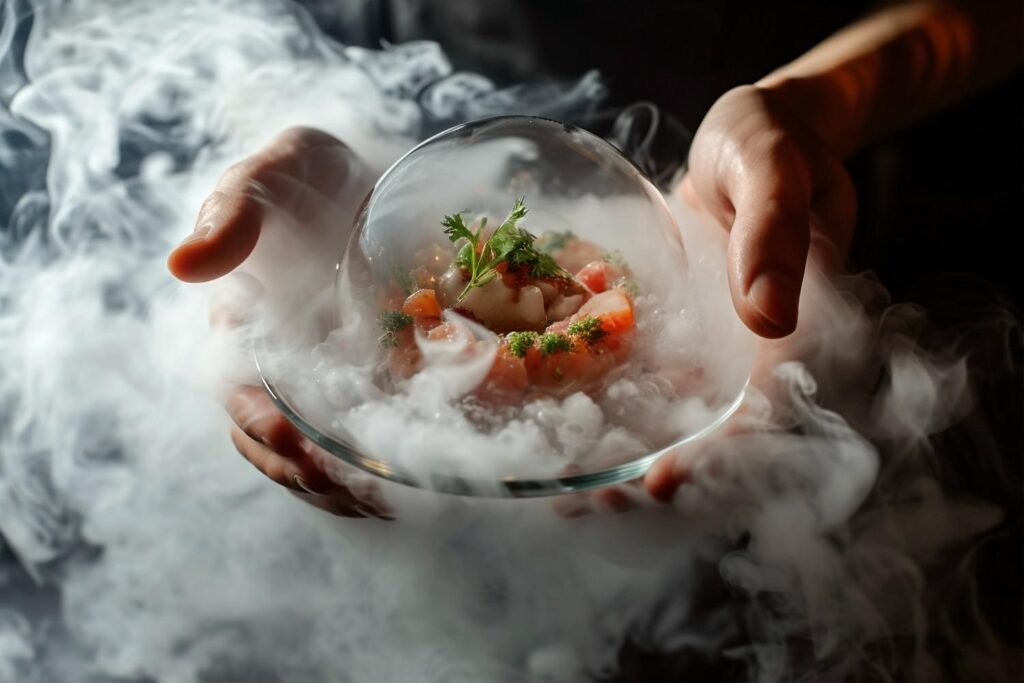
One common misconception is that science-based cooking means fake food. That is not true. Many ingredients used in this style come from natural sources. Agar-agar and sodium alginate often come from seaweed. Other hydrocolloids and stabilizers can come from plants or natural food-processing sources.
The goal is not to make food artificial. The goal is to control texture, temperature, structure, and presentation in a smarter way. When used well, these techniques enhance flavor instead of hiding it.
That is also why many chefs now prefer terms like modernist cuisine, experimental cooking, or deconstructivity cooking. The word “molecular” can sound overly technical, even though the best dishes still depend on taste, balance, and emotion.
Can You Try It at Home?
Yes, but I would start small. A beginner does not need a restaurant lab. A digital scale, blender, squeeze bottle, fine strainer, small bowls, pipettes, and measuring spoons can help you test simple recipes.
For ingredients, start with food-grade agar-agar, sodium alginate, calcium lactate, soy lecithin, xanthan gum, gelatin, or maltodextrin. Measure carefully because small changes can affect the final texture. Too much agar can make a gel rubbery. Too much xanthan gum can make a sauce slimy.
For a first project, try fruit juice pearls, chocolate soil, citrus foam, herb gel, or olive oil powder. These ideas work well for birthdays, holiday dinners, backyard gatherings, and weekend cooking experiments.
Safety Tips for Home Cooks
I always recommend using food-grade ingredients from trusted sellers. Read labels, follow recipe ratios, and avoid guessing with powders or stabilizers. Use a kitchen scale because precision matters more here than in regular cooking.
Avoid liquid nitrogen unless you have proper training. It can cause severe burns and needs special handling. You can still enjoy plenty of food science cooking without using risky tools.
Why This Cooking Style Still Matters
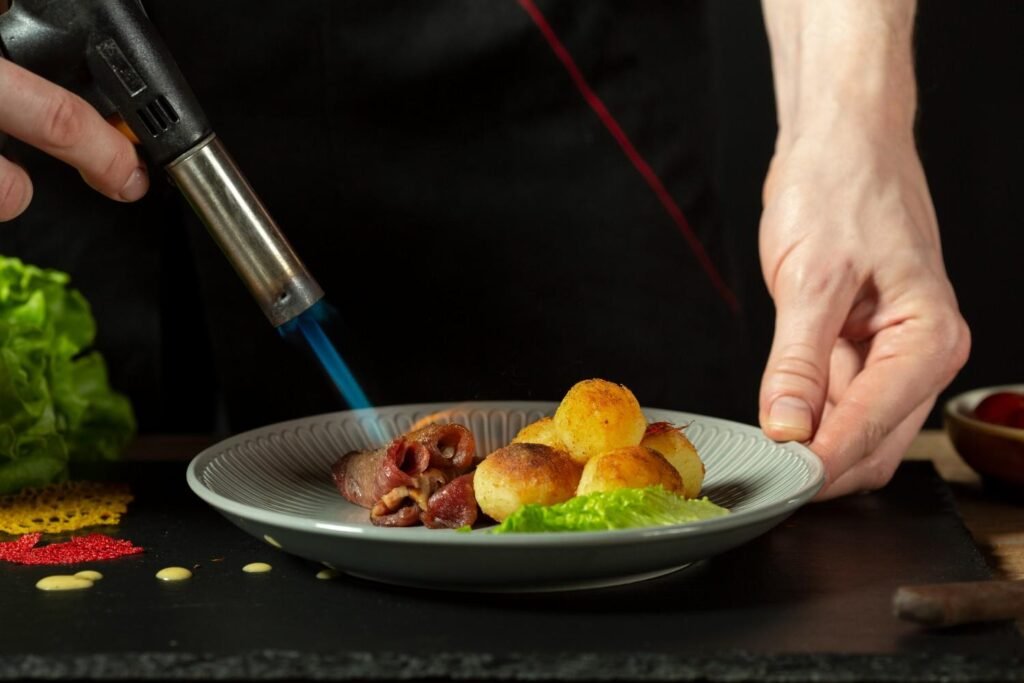
The best part of this style is not the drama. It is a curiosity. It teaches you why food thickens, melts, foams, gels, freezes, or separates. Once you understand that, you become a better cook even when you make simple meals.
For US home cooks, this approach can make familiar food feel fresh again. A regular dessert becomes memorable with fruit pearls. A simple soup looks elegant with herb foam. A cocktail feels special with flavored spheres. That is why molecular gastronomy continues to attract chefs, food lovers, and curious beginners.
FAQs About Molecular Cooking
1. What is molecular gastronomy in simple terms?
It is a science-based cooking method that changes the texture, shape, temperature, or presentation of food. It helps cooks create foams, gels, pearls, powders, and other creative effects.
2. Is molecular cooking safe at home?
Yes, it can be safe when you use food-grade ingredients, measure properly, and avoid dangerous tools like liquid nitrogen without training. Start with simple techniques like gels, foams, and fruit pearls.
3. What are the easiest techniques for beginners?
Spherification, edible foams, simple gels, and powderization are good starting points. These techniques do not require a full professional kitchen.
4. What ingredients do chefs use for modernist cuisine?
Common ingredients include agar-agar, sodium alginate, calcium lactate, soy lecithin, xanthan gum, gelatin, maltodextrin, and other hydrocolloids.
5. Why do some chefs avoid the word molecular?
Some chefs feel the term sounds too scientific or synthetic. They often prefer modernist cuisine, experimental cooking, or deconstructivist cooking because those terms better describe the creativity behind the food.
My Final Take
I see this cooking style as a smart way to make food more exciting, not more complicated. You do not need to copy a Michelin-star restaurant to enjoy it. Start with one easy technique, learn how the ingredient behaves, and build from there.
It also fits naturally with modern Asian food trends, where bold flavors, playful textures, and creative presentation often shape the dining experience.
Once you see juice turn into pearls or oil become powder, cooking feels less routine and more creative. That is the real magic.