Purchasing high-quality meat is essential for both taste and health. Australian meat, in particular, is renowned worldwide for its superior standards. Understanding what constitutes quality meat can help consumers make informed choices, ensuring they enjoy tender, flavourful cuts while also supporting ethical and sustainable farming practices.
Why Australian Meat Quality Stands Out
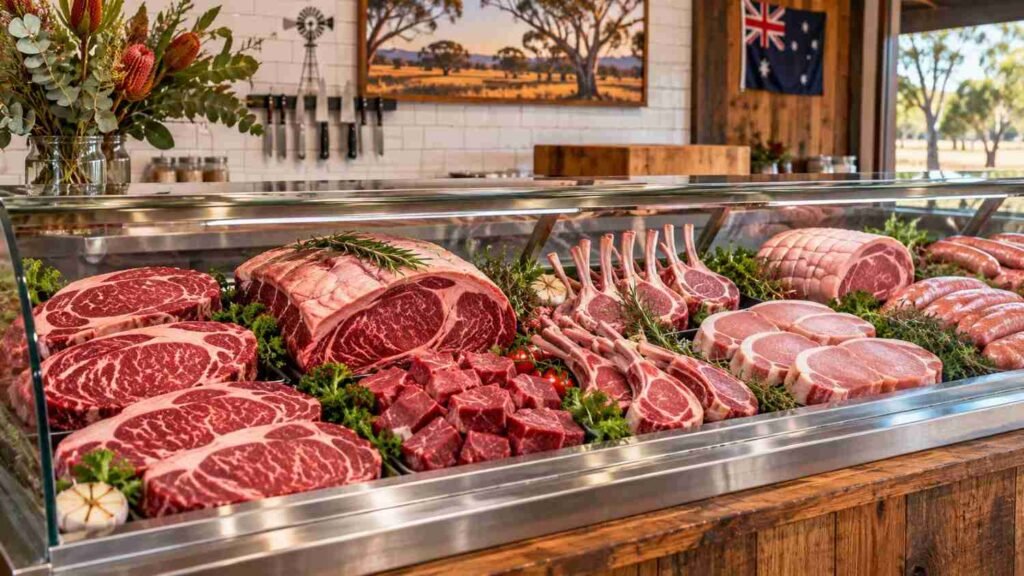
Australia has a well-established reputation for producing premium meat. The country’s strict regulations concerning animal welfare, feed quality, and processing methods contribute to the consistent excellence of its meat products. Furthermore, Australian meat often achieves higher marbling scores, translating to enhanced flavour and tenderness.
Purchasing meat from reputable suppliers is crucial. Finding the best butcher Sydney provides access to quality products that have been responsibly sourced and expertly prepared.
Key Factors to Consider When Buying Meat
1. Meat Colour and Appearance
Fresh meat should exhibit a vibrant colour appropriate to its type. Beef typically has a bright, cherry red hue, lamb a light pink to reddish colour, and pork a pale pink. Avoid meat that appears dull, brownish, or grey, as this may indicate poor handling or aging beyond freshness.
2. Marbling
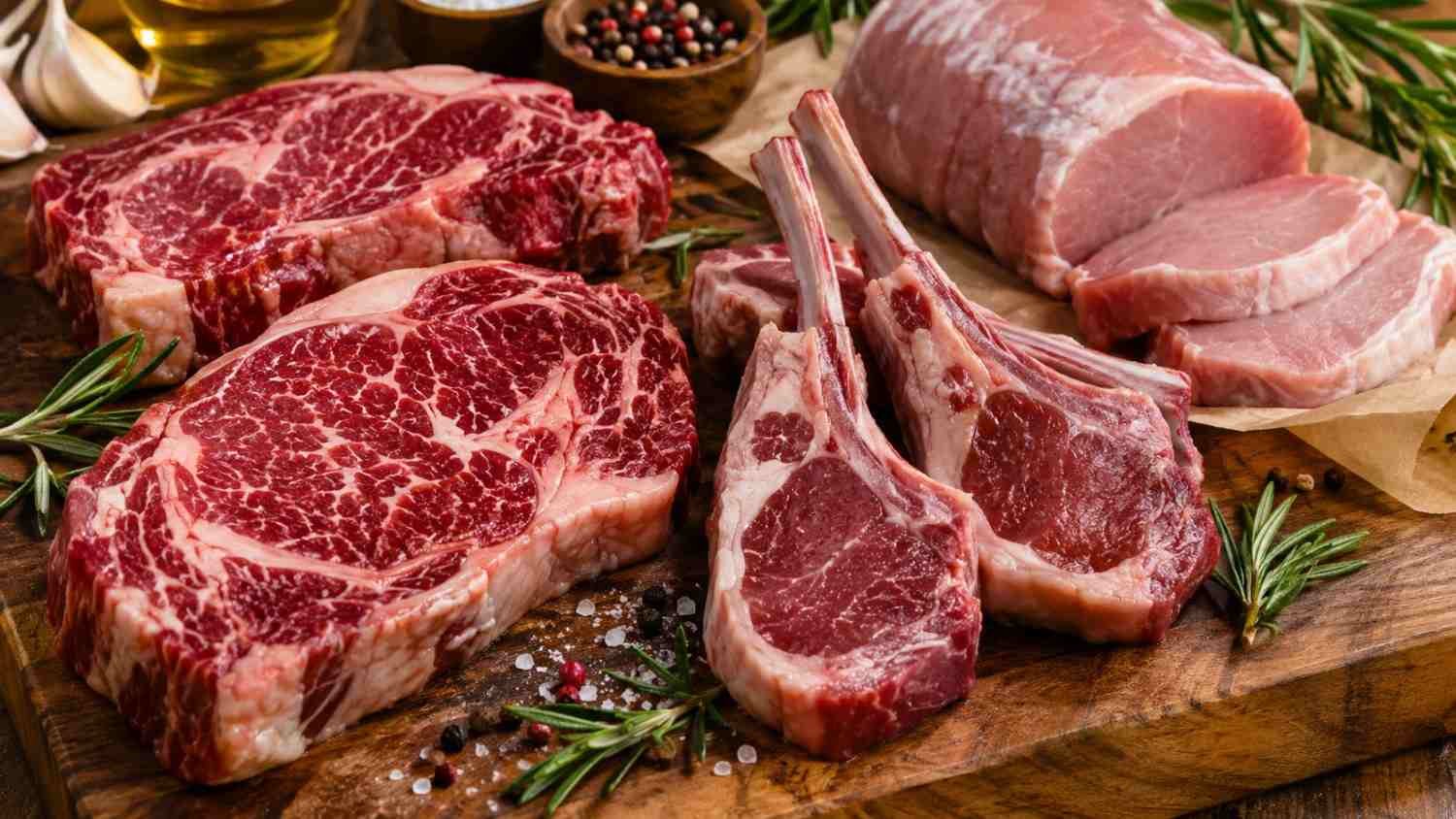
Marbling refers to the fine streaks of intramuscular fat within the meat. This fat enhances taste and juiciness when cooked, providing a tender texture. High-quality Australian meat is often graded with marbling scores, so seeking cuts with good marbling is advisable.
3. Texture
Texture can be assessed by gently pressing the meat. Quality meat should feel firm but not tough. A spongy or mushy texture may indicate poor quality or spoiling.
4. Smell
Fresh meat should have a clean, mild scent. Off-putting or sour odours signal spoilage or improper storage, and such meat should be avoided.
Traceability and Certification
One of the hallmarks of Australian meat is the emphasis on traceability. This means consumers can often track the origin of their meat, including the farm, breed, and processing methods. Certifications such as the Australian Made logo and Meat Standards Australia (MSA) grading system add an extra layer of assurance regarding quality and safety.
Following reliable wholesale food buying tips can also help consumers and retailers understand the importance of supplier credibility, product freshness, quality standards, and responsible sourcing when purchasing meat in larger quantities.
Shopping at an established outlet, such as the best butcher Sydney, can provide access to certified and traceable meat products, helping buyers make more informed purchasing decisions.
Understanding Different Cuts
Various cuts of meat serve different culinary purposes. For example, ribeye steak is prized for its marbling and flavour, making it ideal for grilling. Meanwhile, silverside is better suited for slow cooking. Understanding cuts helps in choosing the right meat for specific recipes, ensuring the best eating experience.
Beef Cuts
High-quality Australian beef often includes cuts such as sirloin, tenderloin, ribeye, and brisket. The grade and cut combined determine cooking methods and expected tenderness.
Lamb Cuts
Lamb is another staple Australian meat product. Popular cuts such as rack, leg, and shoulder offer various textures and flavours catering to different preferences and cooking styles.
Pork Cuts

Pork, with its versatility, includes cuts like loin, belly, and shoulder. Australian pork is carefully produced to maintain freshness and safety standards.
Animal Welfare and Sustainability
Consumers increasingly prioritise ethical considerations when buying meat. Australian producers are subject to animal welfare standards designed to promote humane treatment. Sustainable farming practices also play a vital role in managing natural resources responsibly, contributing to environmental conservation and long-term meat quality.
Understanding the benefits of bulk food buying can also help consumers make cost-effective purchasing decisions while prioritising ethical sourcing, product quality, and reduced packaging waste. Buying meat in larger quantities from reputable suppliers can support responsible consumption when proper storage and food safety practices are followed.
Purchasing from responsible sources, such as the best butcher Sydney, can help consumers support ethical farming and sustainable meat production practices.
Storage and Handling
Proper storage and handling of meat post-purchase are essential to maintain quality. Meat should be kept at recommended temperatures and cooked within suggested timeframes to prevent spoilage and foodborne illnesses.
Price as an Indicator of Quality
While price is not the sole determinant of quality, extremely low prices may reflect compromised standards in production or processing. Investing in premium meat, especially from trusted suppliers, tends to result in superior eating experiences and better health outcomes.
Cooking Techniques Influence Meat Quality Experience
Even the best meat can lose its appeal if not cooked correctly. Adapting cooking techniques to the specific cut is vital. For example, tender cuts such as loin steaks benefit from quick, high-heat cooking, while tougher cuts require slow, moist heat methods. Additionally, adjusting cooking times and temperatures using a high altitude technique can help achieve better tenderness, flavour, and consistency when preparing meat in elevated regions.
Seasonality and Availability
Though Australian meat is available year-round, some cuts or types may vary with seasons due to breeding cycles. Being aware of seasonal availability helps in planning meals and ensuring freshness.
The Role of Butchers in Quality Assurance

Professional butchers have an in-depth knowledge of meat, including sourcing, cuts, and preparation methods. They can provide valuable guidance to consumers seeking the best quality products. Understanding how to identify reliable wholesale food suppliers can also help buyers prioritise freshness, traceability, food safety, and consistent product quality. Visiting the best butcher Sydney can offer personalised advice, ensuring selections align with cooking preferences and nutritional needs.
Conclusion
Understanding the aspects that determine Australian meat quality enables consumers to make better purchasing decisions. Factors such as colour, marbling, texture, smell, traceability, and certification contribute to identifying superior products. Moreover, understanding cuts, ethical sourcing, and proper handling further enhances the meat consumption experience.
By choosing reputable suppliers, including the best butcher Sydney, buyers can access high-quality Australian meat that meets stringent standards, ensuring satisfaction in flavour, tenderness, and health benefits.